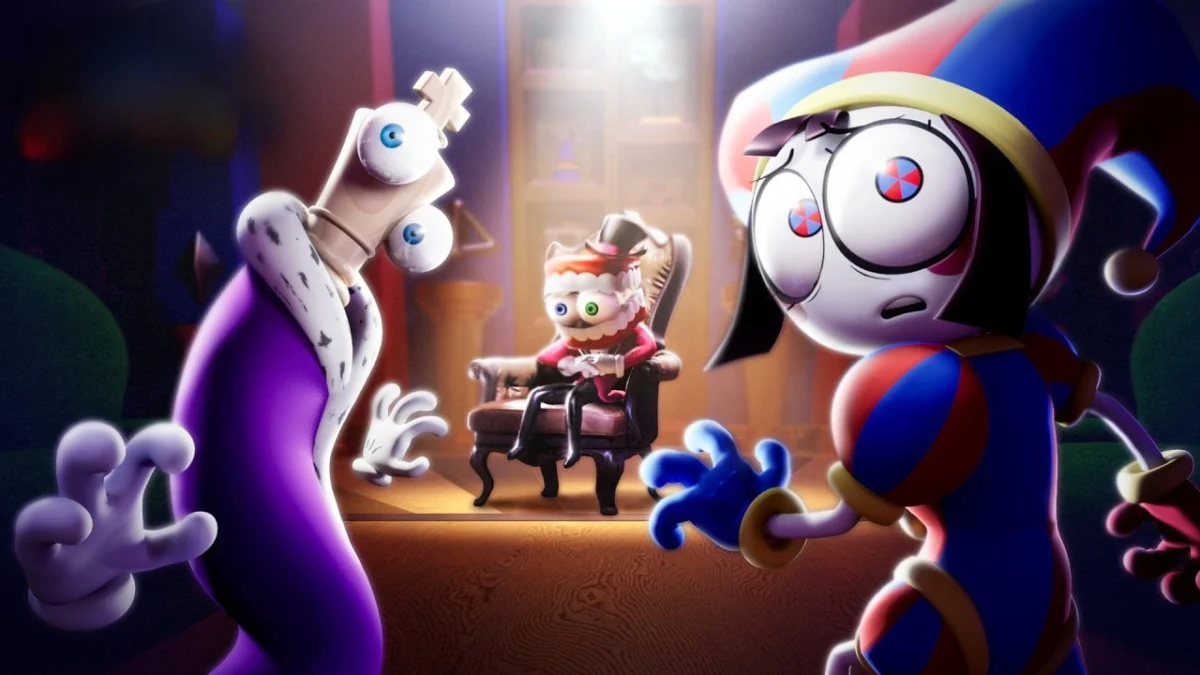
The Amazing Digital Circus has rapidly ascended to become a global entertainment phenomenon, captivating audiences worldwide with its distinctive blend of surreal humor, existential dread, and vibrant animation. Racking up hundreds of millions of views across its initial episodes and consistently dominating global top 10 charts on streaming platforms, the independent animated series has carved out a unique niche in the digital landscape. As anticipation for Episode 8 reaches a fever pitch, fans primarily relying on Netflix for their dose of Pomni, Jax, and the rest of the digitally trapped crew are encountering a notable delay, necessitating a deeper look into the evolving distribution strategy that governs this viral sensation. Despite Episode 8’s recent premiere on its primary platform, YouTube, its arrival on Netflix remains pending, a decision rooted in strategic adjustments by GLITCH Productions and a nuanced understanding of contemporary viewer habits across different platforms.
The Meteoric Rise of The Amazing Digital Circus
The journey of The Amazing Digital Circus (TADC) began not in the traditional confines of a major studio, but from the innovative spirit of GLITCH Productions, an independent animation studio based in Australia. Founded by brothers Kevin and Luke Lerdwichagul, GLITCH Productions first gained prominence through their SMG4 series on YouTube, demonstrating a keen understanding of online content creation and community engagement. TADC, however, represented a significant leap in production quality and narrative ambition. The pilot episode, released in October 2023, immediately went viral, shattering viewership records for independent animated shorts on YouTube. Its distinctive visual style, combining early 2000s CGI aesthetics with a darkly comedic premise of characters trapped in a perpetually unsettling digital circus, resonated deeply with a diverse global audience. Within weeks, the pilot accumulated tens of millions of views, rapidly escalating to hundreds of millions, a testament to its compelling concept and high production value. This unprecedented viral success positioned TADC not merely as a popular web series but as a cultural touchstone, sparking widespread discussion, fan art, and critical acclaim. Its unique blend of psychological horror, absurdist comedy, and relatable character dynamics in an inescapable virtual reality struck a chord with viewers accustomed to both traditional animation and new media experiences.
The Netflix Partnership: A Hybrid Distribution Model
The immense success of the pilot episode inevitably attracted the attention of major streaming platforms. In a landmark move for an independent animation studio, GLITCH Productions announced a licensing deal with Netflix, signaling a significant expansion of TADC’s reach beyond YouTube. Initially, the partnership was heralded as a simultaneous release strategy, with new episodes slated to debut concurrently on both YouTube and Netflix. This "day-and-date" approach aimed to cater to both the established YouTube fanbase and tap into Netflix’s vast global subscriber base, maximizing immediate viewership and accessibility. For an independent studio, securing such a deal with a streaming giant like Netflix was a monumental achievement, promising broader exposure, increased funding opportunities, and validation for their innovative content creation model. It represented a potential paradigm shift in how successful web series could transition into mainstream distribution while maintaining their independent roots and direct connection with their original audience.
However, as the series progressed and new episodes were produced, this initial simultaneous release strategy quietly underwent a significant revision. The evolving dynamics of content consumption and platform-specific viewing habits necessitated a more tailored approach, leading to the current staggered release model.
Strategic Shift: Understanding Viewer Habits
The primary catalyst for the change in distribution strategy, as clarified by GLITCH Productions during their "GLITCH Direct 2025" presentation, stems from a nuanced understanding of how audiences interact with content on different platforms. "We found out that people prefer watching things in batches over on Netflix," explained representatives from the studio. This statement underscores a fundamental difference in viewer expectations between YouTube and Netflix.
Netflix, having pioneered the "binge-watching" phenomenon, has cultivated a subscriber base accustomed to consuming entire seasons or significant chunks of a series in rapid succession. The platform’s algorithm and user interface are designed to encourage continuous viewing, automatically playing the next episode and minimizing friction between content consumption. For a relatively short-form animated series like The Amazing Digital Circus, where individual episodes typically range from 20 to 30 minutes, releasing single episodes intermittently proved to be less effective on Netflix. A lone episode, dropping every few months, did not align with the platform’s established viewing patterns or subscriber expectations. It could lead to lower engagement, as viewers might defer watching until more episodes were available, or simply overlook new releases in the absence of a substantial content drop.
Conversely, YouTube’s ecosystem thrives on individual content releases, often favoring consistent, episodic uploads that keep channels active and engaged with their subscriber base. The platform’s notification system, trending algorithms, and creator-audience interaction models are well-suited for single-episode premieres, live discussions, and immediate fan reactions. For TADC, YouTube remains the "flagship home," where the core fanbase actively participates in the immediate aftermath of each new release, fueling discussions and maintaining the series’ viral momentum.
This strategic recalibration by GLITCH Productions, in conjunction with Netflix’s established content delivery model, led to the decision to hold back TADC episodes for Netflix and release them in larger "batches." This approach mirrors how many traditional television series are licensed to Netflix, often arriving in full seasons or half-season drops, months after their initial broadcast. The goal is to optimize viewership and engagement on both platforms, catering to the distinct consumption habits of each audience.
A Chronology of Release: YouTube vs. Netflix
To fully appreciate the current situation, a brief chronology of TADC’s release pattern is essential:
- October 2023: The pilot episode of The Amazing Digital Circus premieres on GLITCH Productions’ YouTube channel, quickly going viral and establishing the series as a global phenomenon.
- Late 2024 (Approx.): The licensing deal with Netflix is announced, with initial indications suggesting a simultaneous release strategy for future episodes.
- Mid-to-Late 2025: Episodes 2, 3, and 4 are released on YouTube, maintaining the series’ strong online presence and engagement.
- December 2025: Episodes 5, 6, and 7 are bundled together and released on Netflix. Notably, Episodes 5 and 6 had already premiered on YouTube months prior, marking the first clear divergence from the initial simultaneous release plan. This batch release on Netflix demonstrated the studio’s new strategy in action.
- Early 2026 (Current Period): Episode 8 premieres on GLITCH Productions’ YouTube channel, continuing the episodic release pattern for its core online audience.
- Future (Unconfirmed): Episode 8, along with subsequent episodes (potentially Episode 9 and beyond, depending on the batch size), is anticipated to arrive on Netflix at a later date, once a sufficient number of new episodes have accumulated to form another "binge-worthy" package. Unconfirmed reports from fan communities, such as discussions on Reddit, suggest that the final episode might be slated for release in June, which could coincide with the next significant Netflix drop.
This timeline clearly illustrates the pivot from a hopeful simultaneous launch to a pragmatic, staggered approach, prioritizing platform-specific engagement metrics over uniform availability.
Implications for Independent Animation and Content Distribution
The distribution strategy for The Amazing Digital Circus offers valuable insights into the evolving landscape of independent animation and digital content distribution.
- Empowerment of Independent Studios: GLITCH Productions’ journey highlights the immense power of platforms like YouTube in incubating and launching successful intellectual property without the immediate backing of major studios. Their ability to negotiate a licensing deal with Netflix after achieving organic viral success on YouTube demonstrates a viable pathway for independent creators to reach broader audiences and secure significant partnerships.
- Hybrid Distribution Models are the Future: The TADC case exemplifies a growing trend towards hybrid distribution models, where content lives across multiple platforms, each serving a different purpose and audience segment. YouTube acts as the primary engagement hub, fostering community and immediate virality, while Netflix provides long-term accessibility and caters to a different consumption habit. This multi-platform approach allows creators to maximize reach and revenue streams.
- The Primacy of Viewer Habits: The decision to delay Netflix releases underscores the critical importance of understanding platform-specific viewer behaviors. A one-size-fits-all distribution strategy is increasingly ineffective in a fragmented media landscape. Content creators and distributors must tailor their releases to the established norms and expectations of each platform to optimize performance and audience retention.
- Challenges of Maintaining Momentum: While beneficial for long-term engagement on Netflix, the delayed release strategy can present challenges in maintaining consistent buzz and momentum across all platforms simultaneously. Fans on Netflix might feel a sense of disconnect or impatience when new content is readily available elsewhere. However, the sheer strength of TADC’s existing fanbase and the anticipation for larger drops seem to mitigate this concern for now.
- The Role of Community Building: YouTube’s strength lies in its ability to foster immediate community engagement. Live premieres, comment sections, and creator interactions build a loyal fanbase that drives initial viewership and viral spread. Netflix, while excellent for discovery and sustained viewing, is less geared towards this immediate, interactive community aspect. TADC leverages both, using YouTube for initial hype and Netflix for broader, sustained reach.
Looking Ahead: The Future of TADC on Netflix
For dedicated Netflix subscribers eagerly awaiting the next installment of The Amazing Digital Circus, patience remains the key. GLITCH Productions has unequivocally confirmed that Episode 8 will eventually arrive on the platform, not as a standalone release, but as part of a forthcoming batch. While the exact date for this next highly anticipated drop remains unconfirmed, the precedent set by the December 2025 release of Episodes 5, 6, and 7 suggests that viewers can expect a collection of several new episodes once a critical mass has been produced and released on YouTube.
The ongoing success of The Amazing Digital Circus serves as a powerful case study in the modern entertainment industry. It demonstrates how innovative storytelling, combined with a strategic understanding of digital platforms and evolving viewer preferences, can propel an independent animation into a global phenomenon. While the staggered release schedule might test the patience of some Netflix-exclusive viewers, it is a deliberate and calculated move designed to optimize the show’s performance and impact across its diverse distribution channels, ensuring that Pomni, Jax, and their digitally ensnared companions continue to captivate audiences for the foreseeable future. Until Netflix delivers its next binge-worthy compilation, fans can continue to immerse themselves in the digital madness by heading to GLITCH Productions’ YouTube channel for the very latest episodes, reaffirming YouTube’s foundational role in the series’ journey.