Lionsgate is embarking on a significant revitalization of the iconic Blair Witch Project franchise, tapping emerging talent Dylan Clark to direct a new installment. This strategic move, first reported by Daniel Richtman and subsequently confirmed by Dread Central, signals a fresh creative direction for a property that redefined found-footage horror and left an indelible mark on popular culture. The project is being developed in collaboration with Blumhouse, a partnership that has proven highly successful in reviving and reimagining established horror brands, as evidenced by their ongoing work on the Saw franchise.
A New Chapter for a Found-Footage Pioneer
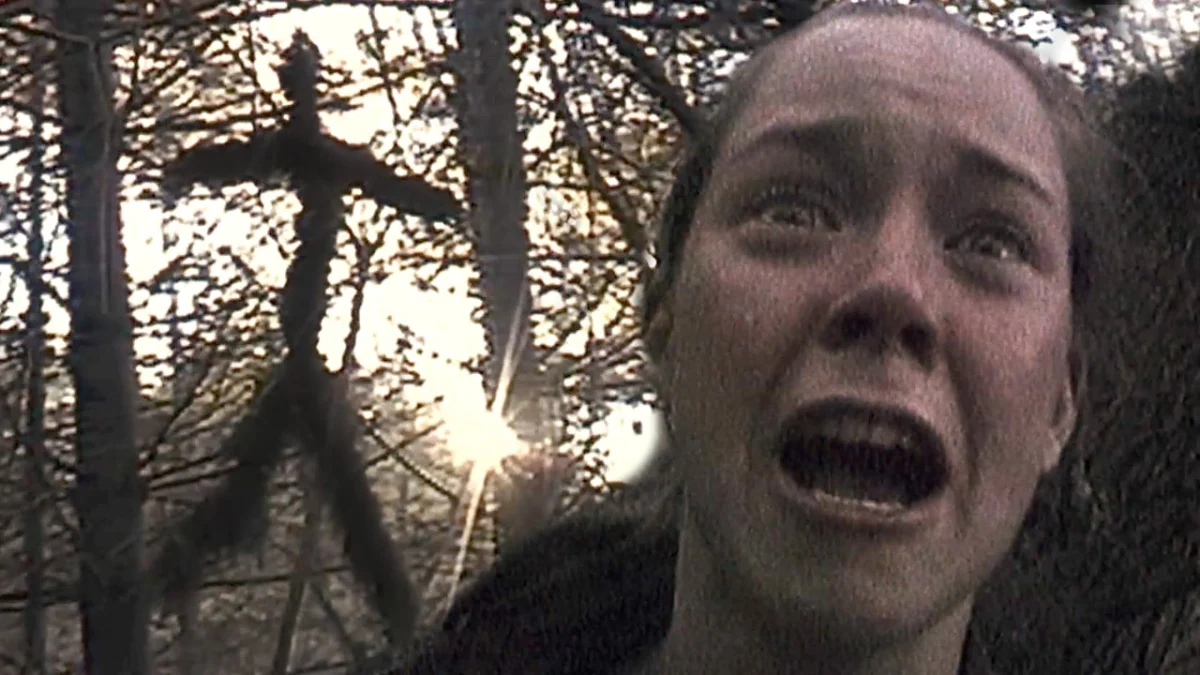
The original Blair Witch Project, released in 1999, was a watershed moment in cinematic history. Directed by Daniel Myrick and Eduardo Sánchez, the film utilized a groundbreaking marketing strategy and a raw, documentary-style aesthetic to create a chillingly immersive experience. Its success was unprecedented, grossing an astonishing $248 million worldwide against a reported production budget of only $60,000. This commercial triumph not only cemented the found-footage subgenre but also demonstrated the power of innovative storytelling and viral marketing in the digital age, even in its nascent stages.
The subsequent installments in the franchise, Book of Shadows: Blair Witch 2 (2000) and Adam Wingard’s 2016 reboot/sidequel, Blair Witch, while attempting to expand the narrative, did not replicate the original’s critical or commercial impact. Book of Shadows garnered a worldwide gross of approximately $47 million, and Wingard’s film brought in around $45 million globally. The decision to return to Burkittsville with a new creative team suggests a desire to recapture the elusive magic that made the original film a phenomenon.
Dylan Clark: A Rising Star in Horror Filmmaking
Dylan Clark’s appointment as director marks a significant endorsement of his burgeoning talent. He has been steadily building a reputation for crafting compelling and unsettling short films, with Transfigure and Portrait of God being notable examples. His work has garnered critical attention, and the fact that Portrait of God is already slated for a feature film adaptation by heavyweights Jordan Peele’s Monkey Paw and Sam Raimi’s Ghost House Pictures for Universal Pictures speaks volumes about his potential. This adaptation, currently in development, underscores Clark’s ability to translate his unique vision into narratives that resonate with major studios and discerning audiences.
The choice of Clark is a departure from the more established directors who helmed previous Blair Witch films. This suggests Lionsgate and Blumhouse are seeking a director with a fresh perspective and an intimate understanding of contemporary horror sensibilities, possibly one who can infuse the franchise with a new wave of creativity and a modern approach to the found-footage format or a related stylistic evolution.
The Blumhouse Partnership: A Recipe for Revitalization
The collaboration between Lionsgate and Blumhouse for the new Blair Witch project is a key element of this announcement. Blumhouse Productions, under the leadership of Jason Blum, has become synonymous with successful horror revivals and original genre filmmaking. Their strategy often involves pairing established intellectual property with talented, often up-and-coming, directors and a focus on creative freedom within reasonable budgets, leading to high return on investment.
![‘The Blair Witch Project’ Remake Heads to the Woods With Dylan Clark Directing [Confirmed]](https://www.dreadcentral.com/wp-content/uploads/2026/03/image_1775003180182.jpg)
Jason Blum has previously spoken about the profound influence of the original Blair Witch Project, stating, "I don’t think there would have been a Paranormal Activity had there not first been a Blair Witch, so this feels like a truly special opportunity and I’m excited to see where it leads." This sentiment highlights the foundational role the franchise played in the landscape of modern horror, particularly in the explosion of found-footage films that followed. The inclusion of producer Roy Lee, who has a history of success in the horror genre with films like The Departed and It, further solidifies the production team’s potential.
Historical Context and Franchise Trajectory
The Blair Witch Project was not just a movie; it was a cultural event. Released in an era before widespread social media, its marketing campaign masterfully leveraged the internet, creating a sense of mystery and authenticity. Websites, mockumentaries, and a deliberate withholding of information blurred the lines between fiction and reality, leading many viewers to believe the events depicted were real. This innovative approach to promotion was as revolutionary as the film’s visual style.
The subsequent films, while exploring different narrative avenues, struggled to recapture that initial spark. Book of Shadows: Blair Witch 2 was a more conventional horror film, attempting to deconstruct the mythos of the first movie but ultimately failing to capture the same fear of the unknown. Wingard’s Blair Witch aimed for a return to form, incorporating elements of the original and exploring the psychological toll of the legend, but it received mixed reviews and did not ignite the box office in the way Lionsgate likely hoped.
Analyzing the Implications: A Calculated Risk
The decision to reboot or reimagine The Blair Witch Project is a calculated risk. The franchise holds significant brand recognition, but the mixed reception of its sequels means that a new installment must work exceptionally hard to earn audience trust and generate excitement. The success of this venture will likely hinge on several factors:
- Creative Vision: Dylan Clark’s unique directorial voice will be crucial. He needs to deliver a story that feels both familiar to the core Blair Witch lore and fresh enough to appeal to a new generation of horror fans. The challenge will be to innovate within the found-footage framework or to evolve it in a meaningful way.
- Blumhouse’s Touch: Blumhouse’s track record suggests a commitment to quality storytelling and effective scares. Their involvement provides a level of assurance that the project will be approached with a keen understanding of what makes modern horror audiences tick.
- Marketing Strategy: The original film’s success was inextricably linked to its marketing. Lionsgate and Blumhouse will need to devise a campaign that generates buzz and intrigue without relying solely on nostalgia.
The Blair Witch Project has a legacy that extends beyond its box office numbers; it represents a pivotal moment in filmmaking history. By entrusting its future to a director like Dylan Clark, who is demonstrating significant promise in the genre, and partnering with a studio like Blumhouse, known for its successful genre revivals, Lionsgate is signaling a serious commitment to reigniting the franchise. The coming months and years will reveal whether this new vision can successfully guide audiences back into the cursed woods of Burkittsville and reclaim the terror that once captivated the world.
The Legacy of Fear: What Made The Blair Witch Project Endure?
To understand the significance of this new development, it’s essential to revisit what made the original Blair Witch Project a cultural touchstone. The film’s power lay in its stark simplicity and its masterful exploitation of audience psychology. By presenting itself as recovered footage from a documentary crew that vanished while investigating the legend of the Blair Witch, the film tapped into a primal fear: the fear of the unseen, the unknown, and the helplessness of being lost and disoriented.
The directors, Daniel Myrick and Eduardo Sánchez, employed a deliberately low-fi aesthetic. Handheld cameras, naturalistic dialogue, and the actors’ improvisational performances created an uncanny sense of realism. The terror wasn’t derived from jump scares or elaborate special effects, but from the creeping dread, the disembodied sounds in the darkness, the growing paranoia among the characters, and the profound sense of isolation. The ambiguity of the threat – was it supernatural, psychological, or something else entirely? – allowed viewers to project their own deepest fears onto the narrative.
![‘The Blair Witch Project’ Remake Heads to the Woods With Dylan Clark Directing [Confirmed]](https://www.dreadcentral.com/cdn-cgi/image/width=788,height=444,fit=crop,quality=90,gravity=auto,sharpen=1,metadata=none,format=auto,onerror=redirect/wp-content/uploads/2026/03/image_1775003180182.jpg)
The film’s groundbreaking marketing campaign, orchestrated by Artisan Entertainment, was a masterclass in virality. The creation of a fictional backstory, the placement of news reports about the missing filmmakers, and the website that presented "evidence" of the Blair Witch legend all contributed to the illusion of reality. This early form of "viral marketing" pre-dated the widespread use of social media, making its impact even more profound and setting a precedent for how films could be promoted in the digital age. The film became a talking point, a phenomenon that transcended the typical moviegoing experience.
The Evolution of the Franchise: A Search for Direction
The immediate aftermath of the original’s success saw attempts to capitalize on its momentum. Book of Shadows: Blair Witch 2, released just a year later, was a more conventional studio horror film with a larger budget and a different directorial approach. While it featured some interesting thematic elements, it lacked the raw authenticity and terrifying ambiguity of its predecessor, leading to a largely negative reception.
Years later, Adam Wingard’s Blair Witch (2016) sought to reconnect with the spirit of the original. It offered a direct sequel to the 1999 film, following a group of college students who venture into the Black Hills Forest to find the missing filmmaker of the original documentary. Wingard incorporated modern filmmaking techniques and a more elaborate narrative, but while it garnered some critical praise for its visual flair and tense moments, it ultimately failed to recapture the revolutionary impact of the original and left audiences divided on its effectiveness.
The Road Ahead: What Can Audiences Expect?
With Dylan Clark at the helm, the new Blair Witch project presents an opportunity to redefine the franchise for a new era. His success with short films like Portrait of God, which is being adapted into a feature film by Universal Pictures with the backing of Jordan Peele and Sam Raimi, suggests he possesses a distinct visual style and a knack for crafting suspenseful and thought-provoking narratives. The fact that his short is being developed by such prominent figures in the horror and genre filmmaking landscape indicates a level of creative maturity and potential that Lionsgate and Blumhouse are clearly eager to leverage.
The partnership with Blumhouse is particularly significant. The production company has a proven track record of revitalizing dormant horror franchises by focusing on strong directorial voices and innovative storytelling. Their involvement suggests a commitment to producing a film that is both commercially viable and artistically ambitious. The potential for a new take on the Blair Witch mythology, perhaps exploring new avenues of fear or re-examining the psychological toll of the legend, is immense.
The announcement also raises questions about the direction the film will take. Will it remain strictly within the found-footage paradigm, or will it evolve the style to incorporate new cinematic techniques while retaining the core sense of dread? Will it delve deeper into the folklore of the Blair Witch, or will it focus on the human element and the psychological unraveling of characters?
The inclusion of a YouTube embed of Dylan Clark’s short film Portrait of God in the original report serves as a direct invitation for audiences and industry professionals to sample his work. This proactive approach allows viewers to gain a preliminary understanding of his directorial sensibilities and the type of atmosphere he might bring to the Blair Witch universe. The film’s success and its subsequent feature adaptation offer a compelling preview of Clark’s capabilities and underscore why he is considered a significant talent to watch.
As the film enters its developmental stages, the focus will undoubtedly be on script development, casting, and the precise creative vision that Dylan Clark and the production team will bring to Burkittsville. The legacy of the Blair Witch Project is a heavy one, but with a fresh perspective and the backing of experienced players in the horror industry, there is a palpable sense of anticipation for what this new chapter might hold. The woods are calling again, and this time, a new generation of filmmakers is ready to answer.