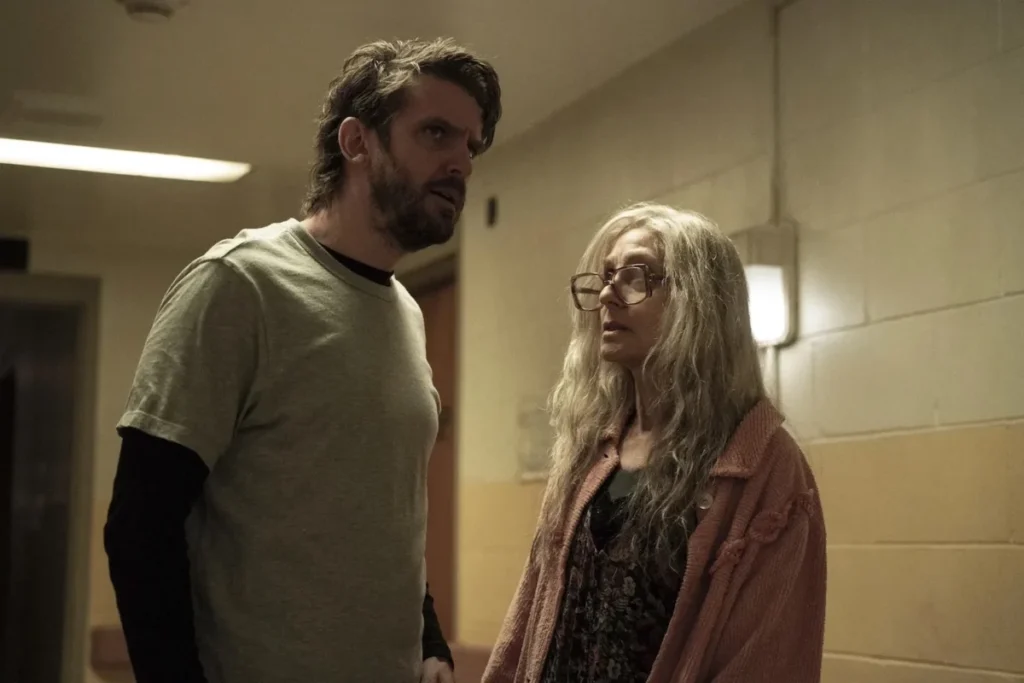
The cinematic landscape of near-future dystopia, often a grim mirror reflecting present anxieties, has finally presented a narrative that many in the United States can engage with in 2026 with a significant degree of comfort. Gabriel Mascaro’s The Blue Trail, a multiple award winner at the 2025 Berlin Film Festival, offers a vision of societal restructuring so far removed from current American realities that it elicits a sense of relief rather than dread. The film posits a Brazil where, by decree, all citizens aged 75 and older are compulsorily relocated from their homes, euphemistically termed "taken away by force in the ‘wrinkle wagon,’ if necessary," to a place known only as the "Colony." From this enigmatic destination, it is understood, no one returns. While the specifics of life within the Colony remain deliberately vague, the darkly comic and undeniably humiliating preparations for departure paint a stark picture of societal disregard for its elder population, a scenario that, for American viewers, seems safely confined to the realm of fiction.
A Dystopian Premise Rooted in Societal Fears
The central premise of The Blue Trail hinges on a radical reimagining of elder care and societal contribution. In Mascaro’s Brazil, the age of mandatory retirement has been drastically lowered to 75, a sharp contrast to the evolving demographics and economic realities of many developed nations. This policy, if implemented in the United States, would immediately impact a significant portion of the nation’s leadership across both major political parties, making its adoption here highly improbable in the near future. The film’s narrative suggests a potential "revenge of the youth" scenario gone awry, or perhaps a stark class divide where the affluent elderly might negotiate terms of their removal, a subtle implication explored through plot points involving elderly characters attempting to purchase their freedom. The film’s avoidance of immediate, palpable relatability to contemporary American concerns is, for many viewers, a key element of its appeal, offering a dystopian vision that does not trigger pervasive anxiety about its proximity to present-day life.
Tereza’s Final Journey: A Race Against Time
The film’s protagonist, Tereza, portrayed by Denise Weinberg, embodies the film’s central conflict. At 77, she remains employed at an alligator meat processing plant, a testament to her continued vitality and the economic necessity of her labor. The sudden drop in the retirement age from 80 to 75 disrupts her life irrevocably. Despite being presented with a medal recognizing her "national living heritage," she is given a stark deadline to depart for the Colony. Tereza’s final wish is to experience flight for the first time, a poignant aspiration that underscores the limitations imposed by her age and the state’s draconian policy. However, the prohibitive cost and bureaucratic hurdles of obtaining a commercial airline ticket, compounded by her daughter and conservator’s refusal to grant permission, force Tereza to seek an unconventional route. Her escape plan involves stowing away on a boat bound for the Amazon River, aiming for Itacoatiara, a location rumored to be a hub for private pilots conducting illicit flights.
The Shifting Tides of Narrative: From Social Sci-Fi to Magical Realism
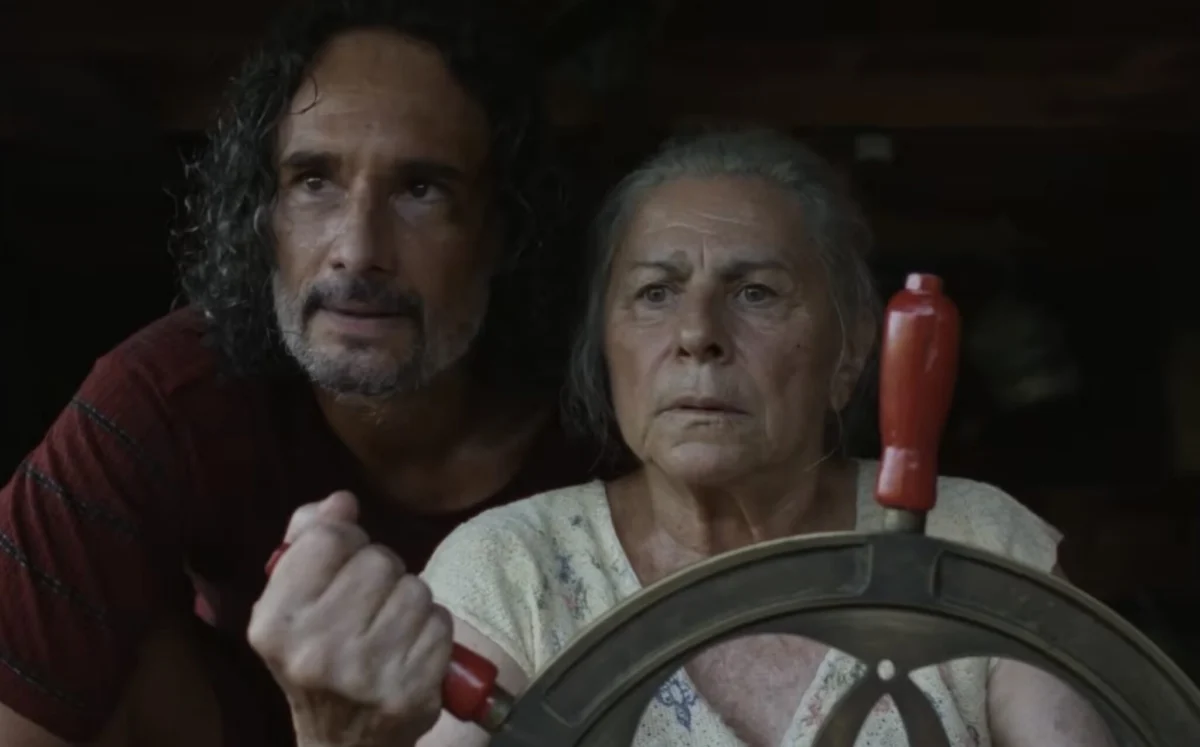
Initially, the film’s title, The Blue Trail, appears to refer to the vast expanse of the Amazon River itself. However, as Tereza’s journey progresses with the boat captain Cadu, played by Rodrigo Santoro, a more metaphorical "blue trail" is introduced: the viscous secretion of a snail. When applied as eye drops, this substance induces vivid hallucinations of one’s future. This narrative turn marks a significant shift in The Blue Trail, moving it from a grounded, realistic social science fiction into the realm of magical realism. Cadu’s hallucinatory experience incapacitates his ability to steer the vessel, forcing Tereza to assume command. This sequence serves as a narrative device, introducing elements that are likely to play a crucial role in the film’s unfolding plot.
A Visually Rich but Pacing-Challenged Experience
The film is visually arresting, with Guillermo Garza’s meticulously composed cinematography capturing the lush beauty of the Amazon rainforest, providing a stunning backdrop for Tereza’s clandestine journey. Memo Guerra’s gently quirky musical score further enhances the film’s unique atmosphere. This combination creates an experience that is, perhaps surprisingly, more tranquil than one might anticipate from a story about escaping a dystopian future. However, this relaxed pacing has also been a point of contention for some viewers. Reports from screenings suggest that the film’s deliberate slowness and meandering picaresque storytelling may have led to moments of somnolence for some audience members. While Weinberg’s energetic portrayal of Tereza is commendable, the episodic nature of her encounters with various co-stars occasionally detracts from the coherence of her personal journey.
Roberta: A Catalyst for Emotional Resonance
The film gains significant momentum and emotional depth with the introduction of Roberta, portrayed by Miriam Socarrás. Roberta emerges as the film’s most compelling supporting character. An atheist who sustains herself by posing as a nun and selling digital Bible tablets from her houseboat, Roberta has prioritized her freedom above all else, having successfully negotiated her own liberation from the impending decree. The burgeoning friendship between these two strong-willed septuagenarians evolves into a passionate and at times physically intimate connection, prompting interpretations of their bond as a significant depiction of "old woman yuri." Roberta’s pragmatic, yet defiant spirit provides a crucial counterpoint to Tereza’s more desperate quest.
A Climax of Psychedelic Intensity
The film culminates at a casino, where Tereza gambles her remaining resources in a desperate bid for freedom. This setting allows Mascaro to fully embrace the film’s magical realist and psychedelic elements, creating a climax that is both strange and captivating. The exact nature of the casino’s grand game remains a spoiler, but its bizarre spectacle and the innovative filmmaking techniques employed to portray it leave the audience questioning the boundaries of reality. The film’s abrupt conclusion, cutting off before the credits, has been noted as sudden, with some viewers struggling to fully grasp the purpose of such an abrupt ending on first viewing. However, upon reflection, the final images are described as leaving a potent emotional resonance.
Thematic Resonance: Ageism, Capitalism, and Self-Discovery
The Blue Trail masterfully employs evocative imagery to convey the horrors of its dystopian world. Ironic pronouncements on airplanes declaring "The future belongs to everyone" and graffiti pleading for the reunion of grandparents with their kin serve as poignant reminders of the societal breakdown. Yet, amidst these grim realities, the film maintains a chill rhythm, evolving into a warm narrative of self-discovery. While the world-building could benefit from greater detail and the central conceit’s believability may be debated, the film succeeds in articulating emotional truths about the struggles of age discrimination. It also raises thought-provoking questions about the potential ultimate consequences of capitalism’s relentless obsession with "productivity."
While personal preference might lean towards the more grounded and action-packed elder-adventure film Thelma from a few years prior, The Blue Trail offers a unique and memorable cinematic experience. For those receptive to its slow, deliberately strange pace, Gabriel Mascaro proves adept at guiding audiences on a profound and visually stunning journey. The film’s exploration of societal neglect and the enduring human spirit, set against the breathtaking backdrop of the Amazon, solidifies its place as a noteworthy contribution to the dystopian genre, offering a narrative that is both thought-provoking and, crucially for its target audience, comfortably distant.