After four seasons defined by subversive humor, sharp political commentary, and a visceral approach to the superhero genre, Prime Video’s flagship series, The Boys, has entered its fifth and final season. Developed by showrunner Eric Kripke and based on the comic book series by Garth Ennis and Darick Robertson, the show debuted in 2019 as a cynical counter-narrative to the prevailing "heroic" archetypes seen in mainstream cinematic universes. As the series prepares to conclude its narrative arc, this review examines the first seven episodes of the final season, assessing its thematic resolution, character development, and its standing within the broader cultural landscape.
The Evolution of a Cultural Phenomenon
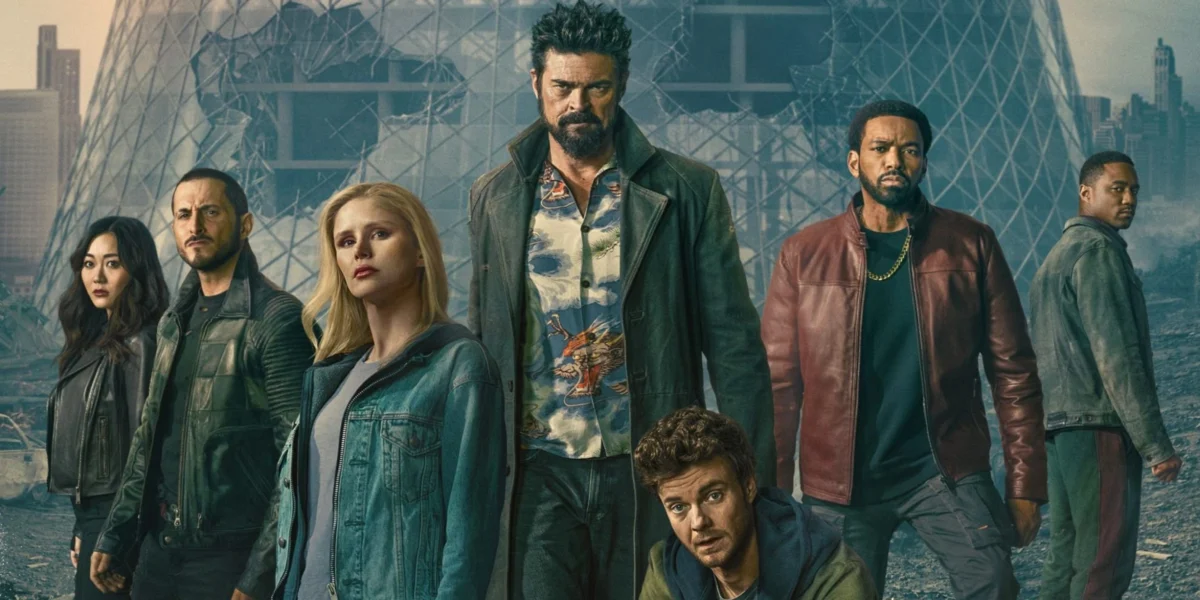
When The Boys first premiered, it was lauded for its "edge-lord" rebuttal to the sanitized versions of superheroes popularized by the Marvel Cinematic Universe and DC Extended Universe. The series presented a world where individuals with extraordinary abilities—managed by the monolithic Vought International—were frequently narcissistic, corrupt, and morally bankrupt. The central conflict pitted a group of human vigilantes, led by the volatile Billy Butcher (Karl Urban), against "The Seven," a corporate-sponsored team of "supes" led by the increasingly unstable Homelander (Antony Starr).
By its third season, the show reached what many critics considered its creative and shock-value zenith, exemplified by episodes such as "Herogasm." However, the fourth season faced criticism for a perceived stagnation in plot progression, with many viewers feeling the narrative was "spinning its wheels" to set the stage for the ultimate conclusion. The fifth season arrives with the heavy burden of providing a definitive resolution to a story that has spent years teasing an inevitable, apocalyptic showdown between Butcher and Homelander.
Narrative Overview of the Final Season
The final season picks up approximately one year after the tumultuous events of the season four finale. The status quo has shifted dramatically: Annie January, formerly known as Starlight (Erin Moriarty), has been branded a domestic terrorist by Vought Industries. She remains on the run, attempting to organize a resistance against a regime that has successfully weaponized misinformation and corporate power.
Simultaneously, Homelander has consolidated his influence over the American political and social fabric. No longer content with being a mere celebrity, he has transitioned into a messianic figure, demanding total adoration and positioning himself as a global savior. His psychological descent continues to be a focal point, as his desire for "pure" devotion pushes him toward a god-complex that threatens to dismantle democratic institutions.
The "Boys" themselves find their ranks fractured. Billy Butcher, grappling with his own mortality and past failures, operates off the grid as a "one-man wrecking crew." Conversely, Hughie Campbell (Jack Quaid), Mother’s Milk (Laz Alonso), and Frenchie (Tomer Capone) begin the season in a precarious position, held within a Homelander-branded detention center designed for political dissenters. While this separation provides initial tension, the narrative quickly moves to reunite the ensemble to face the escalating threat.
Character Dynamics and Performance Analysis
Antony Starr’s portrayal of Homelander remains the cornerstone of the series. Throughout the final season, Starr continues to utilize subtle physical cues—the twitch of an eye, a forced smile, or a rigid posture—to convey a character who is perpetually on the verge of a violent psychotic break. While the narrative demands on the character have become repetitive, Starr’s performance remains a primary draw for the audience.
Karl Urban provides a consistent, albeit familiar, intensity as Billy Butcher. As the character nears his end, the season explores the physical and emotional toll of his crusade. However, some critics note that the character’s development has hit a plateau, with his motivations remaining largely unchanged since the series’ inception.
The supporting cast, including Jack Quaid and Erin Moriarty, continues to deliver solid performances, though the writing for their respective arcs has faced scrutiny. The romantic subplot between Frenchie and Kimiko (Karen Fukuhara) has been described as "wishy-washy," lacking the narrative weight seen in earlier seasons.
A notable addition to the final season is Daveed Diggs, who portrays "Oh Father," a televangelist with superpowers who aligns himself with Homelander’s mission. Diggs’ performance is cited as a much-needed infusion of energy into the series, providing a fresh perspective on how Vought’s influence permeates religious and social institutions. Returning guest stars, such as Jensen Ackles as Soldier Boy, provide moments of "wise-cracking bravado" that remind viewers of the show’s peak creative periods.
Satire in an Era of Reality-Defying Politics
One of the most significant challenges facing the final season of The Boys is the shifting nature of the reality it seeks to satirize. Showrunner Eric Kripke has never been subtle with his targets, taking aim at right-wing extremism, "manosphere" culture, and corporate-driven misinformation. In the final season, these elements are heightened: Chace Crawford’s character, The Deep, transitions into a podcast host catering to a specific brand of toxic masculinity to maintain favor with Homelander.

However, industry analysts suggest that the "absurdity of the real world" has, in many ways, outpaced the show’s ability to shock. What once felt like a biting, transgressive critique now often feels blunt or redundant. The TPUSA-style conferences and digital misinformation campaigns depicted in the show mirror contemporary news cycles so closely that the satirical impact is diluted. For some viewers, the juvenile elements—the "dick jokes" and gratuitous gore—now feel more like a distraction than a meaningful component of the storytelling.
Production Data and Viewership Trends
Since its debut, The Boys has been a critical and commercial success for Amazon MGM Studios. According to Nielsen streaming data, the series has consistently ranked among the top original programs on Prime Video. Season 4 reportedly saw a 21% increase in total viewership within its first four days compared to Season 3, highlighting the show’s growing global footprint.
The expansion of the "Vought Cinematic Universe" also reflects the show’s impact. The success of the live-action spinoff Gen V and the animated anthology Diabolical indicates a sustained interest in the world Kripke has built. However, the decision to end the flagship series with Season 5 suggests a strategic move to conclude the main narrative before the formula becomes entirely exhausted.
Critical Consensus and Structural Issues
The consensus among critics for the first seven episodes of the final season is one of measured disappointment mixed with loyalty. With a score of 6/10, the season is viewed as a "far cry from the glory days" of earlier installments. The primary criticism involves the narrative’s pacing; the quest to eliminate Homelander has been the central goal for five years, and the final season continues to delay this confrontation.
The series is described as "spinning its wheels," with plot points that feel like a delay of the inevitable. While the premiere sets high stakes, the middle episodes are noted for a lack of forward momentum. Because the series finale was withheld from early reviews, there remains a sense of uncertainty regarding whether Kripke can successfully "land the plane" and provide a satisfying conclusion to the saga.
Implications for the Streaming Landscape
The conclusion of The Boys marks the end of an era for Prime Video. As one of the first major hits for the platform that wasn’t a licensed property, it proved that Amazon could compete with Netflix and HBO in the "prestige" genre space. The show’s legacy will likely be its fearless—if sometimes exhausting—commitment to gore and social commentary.
As the flagship series ends, the focus will shift to the aforementioned spinoffs. Industry experts suggest that these new avenues may be better suited for exploring the universe’s themes without being tethered to the Butcher-Homelander rivalry. The final season’s numerous character deaths and the wrapping up of long-standing plot lines signal a definitive closing of the book on this specific chapter of the Vought story.
Final Summary of the Season’s Trajectory
The final season of The Boys remains immensely watchable for those who have followed the journey since 2019. It offers the familiar spectacle of "blood spilling from ungodly places" and the vulgar gags that defined its identity. However, the weight of these moments has diminished over time.
Strengths:
- Antony Starr’s Performance: Continues to be the series’ strongest asset, providing a masterclass in portraying a modern villain.
- Production Quality: The visual effects and action sequences remain top-tier for the television medium.
- Legacy Value: Longtime fans will find enough resolution and character payoffs to justify their investment.
Weaknesses:
- Pacing: The narrative feels stretched, with significant portions of the season feeling like filler before the finale.
- Satirical Fatigue: The show’s brand of humor and political commentary has lost some of its edge in a changing cultural climate.
- Character Stagnation: Several members of the core cast have little room left for growth, leading to repetitive character beats.
Ultimately, the final season of The Boys serves as a reminder of the show’s impact while highlighting the difficulties of maintaining a "shock-value" premise over multiple years. While it may not reach the creative heights of its third season, it remains a significant cultural touchstone in the evolution of the superhero genre. As the series moves toward its final episode, the audience awaits to see if the "Boys" can finally achieve their goal, or if the cycle of corruption they fought against is truly inescapable.