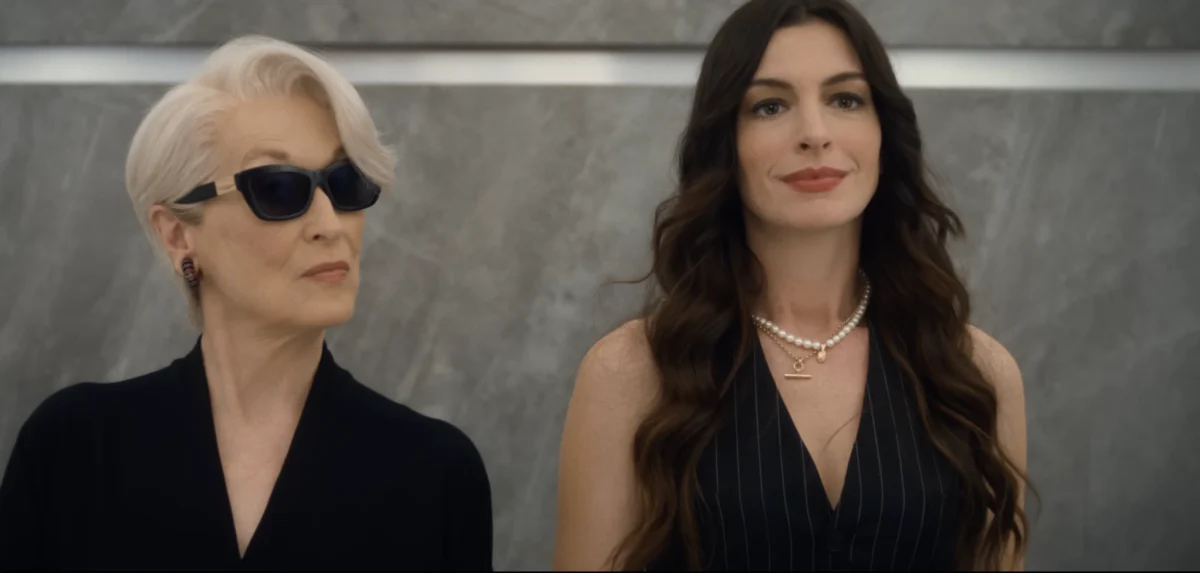
David Frankel’s highly anticipated follow-up to the iconic 2006 film The Devil Wears Prada is demonstrating remarkable pre-release momentum, with early tracking suggesting a potential opening weekend haul of up to $66 million domestically. This robust forecast positions The Devil Wears Prada 2 not merely as a commercial success but as a groundbreaking contender to launch Hollywood’s lucrative summer moviegoing season, a slot traditionally reserved for male-centric blockbusters, particularly Marvel superhero epics. The film is slated for a May 1-3 weekend debut, courtesy of 20th Century and Disney.
The Original Phenomenon: A Legacy Reimagined
The original The Devil Wears Prada, released in June 2006, quickly transcended its genre as a fashion-centric comedy-drama to become a cultural touchstone. Based on Lauren Weisberger’s best-selling novel, the film captivated audiences with its sharp wit, compelling characters, and a fascinating, albeit ruthless, glimpse into the high-stakes world of magazine publishing. Directed by David Frankel and starring a formidable ensemble cast, the film’s success was immediate and enduring.
Critical and Commercial Acclaim of the Original
The 2006 film, produced on a modest budget of approximately $41 million, became a runaway hit, grossing nearly $327 million globally. Domestically, it earned $124.7 million, securing the No. 14 spot on the list of the year’s top-grossing films, even surpassing the Best Picture Oscar winner The Departed. Critics lauded Meryl Streep’s transformative performance as Miranda Priestly, the formidable editor-in-chief of the fictional Runway magazine, which earned her an Academy Award nomination for Best Actress. Her portrayal of the icy, demanding, yet ultimately complex figure cemented Priestly’s status as one of cinema’s most memorable antagonists.
Cultural Resonance and Impact on Careers
Beyond its financial success, The Devil Wears Prada resonated deeply with audiences for its exploration of ambition, integrity, and the often-unforgiving realities of the corporate world. Anne Hathaway, then a rising star, solidified her leading lady status with her empathetic portrayal of Andrea "Andy" Sachs, an idealistic young journalist navigating the treacherous waters of Priestly’s assistant. The film also served as a significant introduction for Emily Blunt to U.S. audiences, whose comedic timing and sharp delivery as Emily Charlton, Priestly’s senior assistant, earned widespread acclaim. Stanley Tucci, as art director Nigel Kipling, provided much-needed warmth and cynical wisdom, rounding out a cast whose chemistry was undeniable. The film’s iconic lines, fashion moments, and relatable workplace struggles ensured its enduring presence in popular culture, fostering a devoted fanbase that has grown steadily over the past two decades. Its influence is palpable in everything from fashion trends to meme culture, consistently finding new life through streaming platforms and social media.
The Sequel’s Promise: Early Tracking and Demographic Appeal
Two decades after its predecessor’s triumphant run, The Devil Wears Prada 2 is generating significant buzz, with its projected $66 million opening weekend placing it firmly in blockbuster territory. This figure is particularly noteworthy for a non-family title primarily targeting female audiences across generations, from Gen Z to Millennials and beyond. While typically "fanboy" titles, especially those from the Marvel Cinematic Universe, traditionally inaugurate the summer movie season, Prada 2‘s early tracking suggests a potent appeal that defies conventional wisdom. The film’s robust performance in research screenings and tracking data underscores the power of an established, beloved intellectual property (IP) and the fervent desire among audiences for character-driven stories.
Projections and Target Audience
The projected $66 million debut, if realized, would mark a significant win for Disney’s 20th Century Studios and for films led by female narratives. It would demonstrate a strong capacity for these stories to not only attract but also energize a broad demographic, potentially indicating a shift in what constitutes a "tentpole" release. Disney and 20th Century are strategically betting on a powerful wave of nostalgia to draw in original fans, while simultaneously attracting newer, younger audiences—Gen Zers and Millennials—who have discovered the original film through streaming and its persistent cultural relevance. Both demographics are recognized as avid moviegoers, making their potential engagement a critical factor in the sequel’s projected success.
David Frankel’s Vision for the Next Chapter
Director David Frankel has offered intriguing insights into the sequel’s narrative direction, signaling a mature and reflective continuation of the story. He recently teased to Harper’s that "the characters are obviously 20 years along in their careers and at very different places, and the world of media is in a very different place." This commitment to character evolution and contemporary relevance is a key draw. Frankel elaborated on Andy Sachs’ journey, stating, "Andy has had a career in journalism that mirrors a lot of people’s experiences in journalism these days." This suggests a narrative that will tackle the evolving challenges and transformations within the media industry over the past two decades, offering a timely and relatable commentary. He further described the film as "a movie about a woman in her 40s… [that’s] about how you make peace with the world as you find it, not the world that you wish existed." This thematic depth promises a more introspective and mature exploration of life’s complexities, appealing to an audience that has grown up with the characters. The return of Meryl Streep, Anne Hathaway, Emily Blunt, and Stanley Tucci in their iconic roles is undoubtedly a major factor contributing to the high anticipation, promising a reunion of beloved characters and unparalleled acting talent.
A Shifting Cinematic Landscape: The May Release Slot
For decades, Hollywood has strategically extended the summer movie season by launching an all-audience tentpole film at the beginning of May. This practice transformed the first weekend of May into a coveted slot, signifying the official commencement of the industry’s most profitable period. Historically, this weekend has been synonymous with the debut of major franchise entries, often spearheaded by superhero films and large-scale action spectacles.
The Traditional Summer Kick-Off
The tradition of a May tentpole goes back to films like Spider-Man (2002) and continued with the Fast & Furious franchise, but it was truly solidified with the birth of the Marvel Cinematic Universe. Beginning with Iron Man in 2008, Marvel Studios consistently claimed the first weekend of May, transforming it into a dedicated launchpad for its interconnected superhero sagas. Films like The Avengers, Avengers: Age of Ultron, Captain America: Civil War, and Avengers: Infinity War all premiered in this slot, often shattering box office records and setting the tone for the entire summer. This created an expectation among moviegoers that May 1st would deliver the year’s first monumental cinematic event, typically a male-skewing, action-packed spectacle designed to appeal broadly.
Impact of Pandemic and Strikes on Release Schedules
However, the meticulously planned Hollywood release calendar has faced unprecedented disruptions in recent years. The global COVID-19 pandemic caused widespread production shutdowns and cinema closures, leading to a cascade of delays and rescheduling. More recently, the Writers Guild of America (WGA) and SAG-AAFTRA strikes further exacerbated these challenges, halting productions and pushing back release dates across major studios. This confluence of events has significantly impacted Marvel’s once-unshakable hold on the early May slot. For instance, Deadpool & Wolverine, originally slated for early summer 2025, has been relocated to July of that year, with *Thunderbolts** opening in its place. Even more critically, Marvel Studios’ highly anticipated Avengers: Doomsday*, once earmarked for a May 1st, 2025 release, will now not arrive until December, leaving a significant void in the traditional summer kick-off position. These unforeseen circumstances have created an unusual opportunity for other studios and different types of films to claim this prestigious opening.
The "Fall Guy" Precedent (2023)
The volatile landscape was evident in 2023 when Universal attempted to kick off the summer season with The Fall Guy, starring Emily Blunt and Ryan Gosling. Billed as a romantic comedy with significant action elements, the film aimed to appeal to a broad audience. However, it stumbled badly in its opening weekend, launching to just under $30 million, far below the expectations for a summer tentpole. This underperformance highlighted the risks associated with deviating from established patterns, particularly when the film doesn’t quite capture the zeitgeist or meet the heightened expectations for a summer season opener. This precedent makes The Devil Wears Prada 2‘s strong tracking even more striking, as it suggests a unique ability to tap into audience enthusiasm where other films have faltered.
Disney’s Strategic Gambit
In the wake of these scheduling shifts and the underperformance of other films attempting to fill the void, Disney, the parent company of both Marvel Studios and 20th Century, recognized a unique strategic opportunity. The studio decided that The Devil Wears Prada 2 was a perfect fit to address its summer scheduling dilemma, leveraging a beloved IP to fill a high-profile slot left vacant by its superhero counterparts.
Leveraging Brand Recognition and Nostalgia
Disney’s decision to position Prada 2 as a summer opener is a calculated move to capitalize on the enduring popularity and cultural cachet of the original film. The sequel is poised to ride a powerful wave of nostalgia, appealing directly to the millions who cherished the first movie. This strategy is particularly effective in an era where established franchises and familiar stories often outperform original content at the box office. Furthermore, the film’s appeal extends beyond the original fanbase. Thanks to its ubiquitous presence on streaming platforms and its constant recirculation through social media, The Devil Wears Prada has gained a massive following among Gen Z and millennial audiences, many of whom were too young to see it in theaters in 2006. These demographics, known for their strong engagement with pop culture and their willingness to spend on experiences, represent a significant and lucrative market for Disney. The film’s themes of ambition, self-discovery, and navigating challenging professional environments continue to resonate with younger generations facing similar pressures in today’s evolving job market.
Anne Hathaway’s Connection to Generations
Anne Hathaway, reprising her role as Andy Sachs, has openly acknowledged her profound connection with the generations who grew up watching her films, including The Devil Wears Prada and The Princess Diaries series (which Disney is also looking to revive, with Hathaway’s involvement). She previously shared her unique experience of feeling like "everybody’s babysitter" due to her early start in iconic roles. "I was a child when I made The Princess Diaries. I was still a 22-year-old mess of a human when I made The Devil Wears Prada," Hathaway recounted. She expressed warmth for her audience, stating, "And so, we’ve grown up together, and I’m so happy for them and how their lives are unfolding. Like, this crazy thing where people just graduate from high school and they just send me their graduation announcements. People send me their wedding invitations. It’s so very sweet." This personal connection underscores the deep emotional investment many viewers have in Hathaway and her characters, further enhancing the sequel’s appeal. Her remarks highlight a genuine rapport with her audience, translating into a powerful draw for The Devil Wears Prada 2.
Broader Industry Implications
The potential success of The Devil Wears Prada 2 in the coveted early May slot carries significant implications for the broader film industry. If the film meets or exceeds its robust projections, it could signal a pivotal shift in how studios perceive and schedule their tentpole releases, potentially diversifying the types of films deemed capable of launching the summer season.
Firstly, it would provide compelling evidence that female-led, character-driven narratives, even those not reliant on extensive special effects or superheroics, can command prime blockbuster real estate. This could encourage studios to invest more heavily in such projects, recognizing their broad appeal and commercial viability. It challenges the long-held notion that only male-skewing action films or animated features can generate the massive opening numbers required for a summer kick-off.
Secondly, it reinforces the enduring power of established intellectual property, especially when handled with care and featuring returning beloved cast members. In an increasingly fragmented media landscape, familiar brands offer a sense of comfort and a guaranteed audience, making sequels and reboots a safer bet for studios. However, Prada 2‘s success would emphasize that it’s not just about the brand, but about the quality of the continuation and its ability to evolve with its audience.
Lastly, the film’s performance could influence future scheduling strategies, prompting studios to be more flexible and innovative in their release calendars. The void left by Marvel’s shifted dates has inadvertently created an opportunity for genre diversification, potentially leading to a more varied and exciting summer movie slate in the years to come. This could mean a redefinition of what constitutes a "summer movie," moving beyond explosions and capes to embrace compelling storytelling across a wider array of genres.
Concurrent Box Office Buzz: The Michael Jackson Biopic
Adding to the dynamic pre-summer box office landscape, Lionsgate’s highly anticipated Michael Jackson biopic, Michael, is also demonstrating formidable tracking. Two weeks ahead of its domestic debut on April 24, those with access to the data believe the film could near or cross $60 million in its first weekend. Universal is handling the movie internationally. This strong performance for a musical biopic, released just a week before Prada 2, highlights a vibrant and diverse market for non-traditional summer fare. The concurrent success of both Michael and The Devil Wears Prada 2 in their respective tracking suggests that audiences are eager for a variety of cinematic experiences as the warmer months approach, indicating a healthy appetite for stories that extend beyond the conventional blockbuster mold.
Conclusion
As Hollywood gears up for its pivotal summer season, The Devil Wears Prada 2 stands out as a compelling and potentially game-changing release. Its robust box office projections, coupled with its unique position as a female-led, character-driven film launching the summer, challenge long-standing industry norms. With the return of its beloved cast, a narrative promising mature evolution, and a strategic release slot, the sequel is poised to capitalize on a potent blend of nostalgia and contemporary relevance. The film’s success would not only mark a significant triumph for Disney and 20th Century but could also usher in a new era for summer blockbusters, demonstrating the enduring power of compelling storytelling and diverse narratives to captivate and mobilize audiences across generations. All eyes will be on the May 1-3 weekend to see if The Devil Wears Prada 2 truly struts its way into box office history, redefining what it means to be a summer fashionista.