The rabbit, a creature often associated with gentleness and fecundity, has surprisingly hopped its way into some of cinema’s most memorable and impactful narratives. Far from being a one-dimensional symbol, the rabbit on screen has embodied everything from domestic anxieties and existential dread to comedic absurdity and profound heroism. This exploration delves into a curated selection of films where rabbits, in their myriad forms, play pivotal roles, showcasing their diverse cinematic potential across genres and decades.

Early Portrayals: Innocence and Ominous Undertones
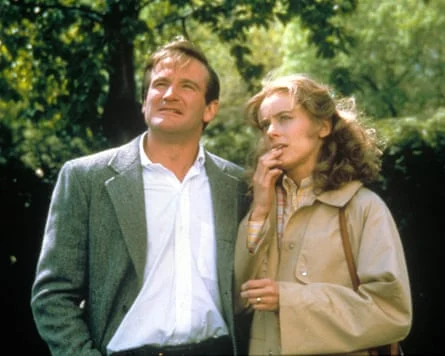
The journey of the rabbit in film often begins with an innocent facade, subtly hinting at deeper thematic currents. In the 1950 classic Harvey, the titular rabbit is an invisible, six-foot-tall pooka, a benevolent spirit companion to the affable Elwood P. Dowd, portrayed with characteristic warmth by James Stewart. The film masterfully balances whimsical fantasy with a subtle commentary on societal norms and the acceptance of eccentricity. Elwood’s unwavering belief in Harvey challenges the rigid definitions of sanity and acceptance within his social circle, making the invisible rabbit a symbol of unconventional joy and the importance of embracing the inexplicable. The film’s enduring popularity, evidenced by its consistent presence in discussions of classic cinema, underscores the public’s affection for this gentle, oversized companion.
By contrast, the 1972 horror film Night of the Lepus takes a decidedly terrifying turn. This cult classic posits a chilling premise: a herd of giant, man-eating rabbits. Despite its low-budget execution and the inherent absurdity of its central threat, the film tapped into a primal fear of the innocent turned monstrous. Lead actress Janet Leigh herself reportedly questioned the viability of making rabbits menacing, a sentiment that has been echoed by critics over the years. Nevertheless, Night of the Lepus remains a fascinating example of how filmmakers can subvert expectations and exploit existing cultural associations to create unease, even with seemingly innocuous creatures. The film’s notoriety, often discussed in lists of "so bad it’s good" cinema, highlights its unique, albeit unintentional, contribution to the horror genre.

The Rabbit as a Symbol of Psychological Turmoil and Existential Dread
As cinema evolved, the rabbit increasingly became a potent symbol for psychological states and deeper existential questions. Roman Polanski’s 1965 masterpiece Repulsion uses a decaying rabbit carcass as a visceral metaphor for the protagonist Carol’s descent into madness. The film, starring Catherine Deneuve as a young woman left alone in her apartment, masterfully employs unsettling imagery to externalize her internal disintegration. The slow rot of the rabbit, initially intended for a stew, mirrors the decay of Carol’s mental state, amplifying the psychological horror of her isolation and paranoia. Repulsion is widely regarded as a seminal work in psychological thrillers, and its disturbing use of domestic imagery, including the rabbit, has cemented its place in cinematic history.
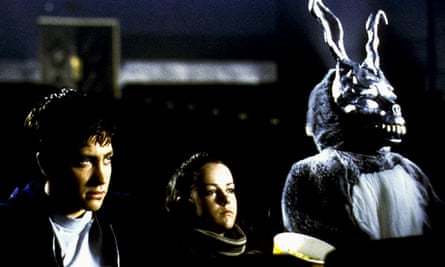
A more complex and overtly philosophical exploration of the rabbit’s symbolic power is found in Richard Kelly’s 2001 cult phenomenon, Donnie Darko. The film features Frank, a sinister figure in a metal-faced bunny suit, who delivers cryptic prophecies to the troubled protagonist, Donnie. Frank’s presence, and his pronouncements about the impending end of the world, imbue the film with an unsettling aura of destiny and cosmic dread. The rabbit costume itself has become an iconic image, sparking endless debate and analysis regarding its meaning within the film’s labyrinthine narrative. Donnie Darko‘s enduring cult status, fueled by its enigmatic plot and memorable imagery, has made Frank a touchstone for discussions of existentialism and the uncanny in contemporary cinema.

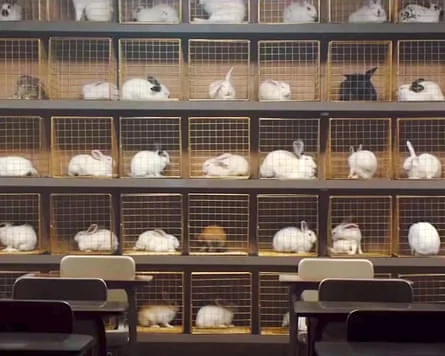
Jordan Peele’s 2019 thriller Us also employs rabbits, albeit in a more atmospheric and thematic capacity. Caged rabbits form a chilling backdrop to the film’s opening credits, hinting at the unsettling duality and hidden darkness that pervades the narrative. While not as directly confrontational as Frank in Donnie Darko, these rabbits serve as a subtle yet potent symbol of suppressed instincts and the primal nature lurking beneath the surface of civilization. The film’s critical acclaim and its exploration of societal anxieties solidified Peele’s reputation as a master of modern horror, and the use of these seemingly innocuous creatures added another layer to its intricate tapestry of terror.
Comedic Capers and Animated Companions
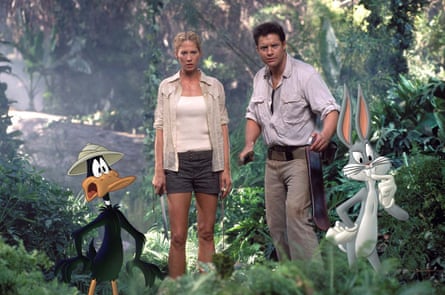
The rabbit’s appeal extends robustly into the realm of comedy, both animated and live-action. The iconic duo of Bugs Bunny and Daffy Duck, perennial stars of Looney Tunes, have provided decades of laughter. In the 2003 film Looney Tunes: Back in Action, these beloved characters team up with live-action stars like Brendan Fraser and Jenna Elfman. The film, a meta-commentary on filmmaking and cartoon tropes, features a particularly memorable sequence where Elmer Fudd pursues Bugs and Daffy through the hallowed halls of the Louvre. This blend of slapstick humor and witty dialogue solidified the Looney Tunes’ enduring legacy and their ability to translate their anarchic charm to the big screen.
Disney’s 2016 animated feature Zootopia presents a more socially conscious take on the rabbit. Judy Hopps, a determined bunny cop, strives to overcome prejudice and prove her capabilities in a city where predators and prey coexist. Paired with a cynical fox, Nick Wilde, Judy embarks on a mystery that challenges the city’s assumptions about animal nature. The film’s clever plot and its underlying message of tolerance and breaking down stereotypes resonated with audiences worldwide, earning critical praise and significant box office success. Its success stands in contrast to other, less critically lauded, animated rabbit features like Hop (2011) and Peter Rabbit (2018), suggesting that audiences favor more nuanced and character-driven narratives.
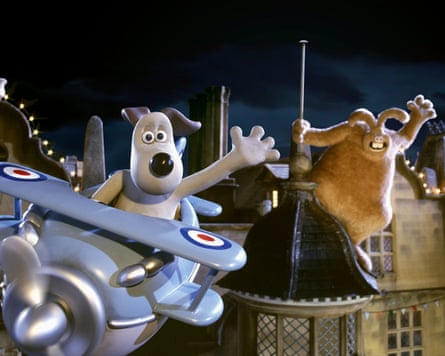
The enduring charm of Aardman Animations’ stop-motion work is exemplified in Wallace & Gromit: The Curse of the Were-Rabbit (2005). In this charming adventure, Wallace and Gromit’s humane rabbit-catching business takes a monstrous turn when Wallace is transformed into a giant were-rabbit. The film masterfully blends classic Wallace & Gromit humor – puns, sight gags, and an abundance of cheese – with a creature feature plot. The meticulous animation and witty storytelling earned the film critical accolades and a devoted following, further cementing the duo’s place in animation history.
The Rabbit’s Epic Journeys and Troubling Transformations
Beyond individual characters, rabbits as a collective species have also been central to epic cinematic narratives. Martin Rosen’s 1978 animated adaptation of Richard Adams’ novel, Watership Down, remains a landmark in animated storytelling. The film follows a group of rabbits fleeing their warren in search of a new home, facing numerous perils along the way, including predators, traps, and rival rabbit societies. Its unflinching portrayal of the natural world, often depicted as brutal and unforgiving, earned it both critical acclaim and a reputation for being surprisingly traumatic for young audiences. The film’s enduring power lies in its unsentimental depiction of animal survival and its exploration of themes like leadership, community, and the search for safety.
A Genre-Bending Masterpiece
Perhaps the most definitive cinematic integration of rabbits, and indeed cartoons into live-action, is Robert Zemeckis’s 1988 groundbreaking film, Who Framed Roger Rabbit. This ambitious blend of live-action and animation revolutionized visual effects and storytelling, creating a fully realized world where cartoon characters coexist with humans. The titular Roger Rabbit, voiced by Charles Fleischer, is a character who embodies a remarkable synthesis of iconic cartoon traits, drawing inspiration from figures like Br’er Rabbit, Bugs Bunny, and Daffy Duck. The film’s success lies not only in its technical wizardry but also in its surprisingly dark 1940s film noir plot, masterfully executed by Bob Hoskins as the hard-boiled detective Eddie Valiant. Who Framed Roger Rabbit not only redefined the possibilities of animation in film but also demonstrated the profound narrative potential that could be unlocked by giving anthropomorphic rabbits complex personalities and compelling stories. Its impact on subsequent cinematic productions, particularly those involving the integration of animation and live-action, is undeniable, solidifying its status as a true cinematic landmark.
A Legacy of Versatility
From the subtle psychological symbolism in Repulsion and Us to the outright terror of Night of the Lepus and the existential musings in Donnie Darko, the rabbit has proven to be an incredibly versatile cinematic creature. Whether as a beloved invisible friend in Harvey, a beloved animated hero in Zootopia and Wallace & Gromit, or a terrifying harbinger of doom, the rabbit continues to capture the imagination of filmmakers and audiences alike. Its capacity to embody innocence, fear, humor, and heroism ensures its continued presence on the silver screen, hopping from one memorable role to the next. The enduring appeal of these cinematic rabbits speaks to their ability to tap into universal themes and evoke a wide spectrum of human emotions, solidifying their place in the pantheon of film’s most iconic animal characters.