The juxtaposition of terror and laughter, a seemingly paradoxical pairing, has long captivated audiences. Horror comedy, a genre that elicits both shivers down the spine and giggles in the throat, is far from a modern invention. Its roots stretch back to the dawn of cinema, with some historians pointing to the 1922 silent film One Exciting Night as an early progenitor. Decades later, the iconic Abbott and Costello Meet Frankenstein (1948) offered a more overt, literal fusion of monsters and comedic timing, solidifying the genre’s potential for broad appeal. Today, this potent blend of fear and fun is experiencing a significant resurgence, permeating the cinematic landscape and garnering critical acclaim, yet its widespread recognition remains a curious phenomenon.
A Renaissance in Spite of Itself?
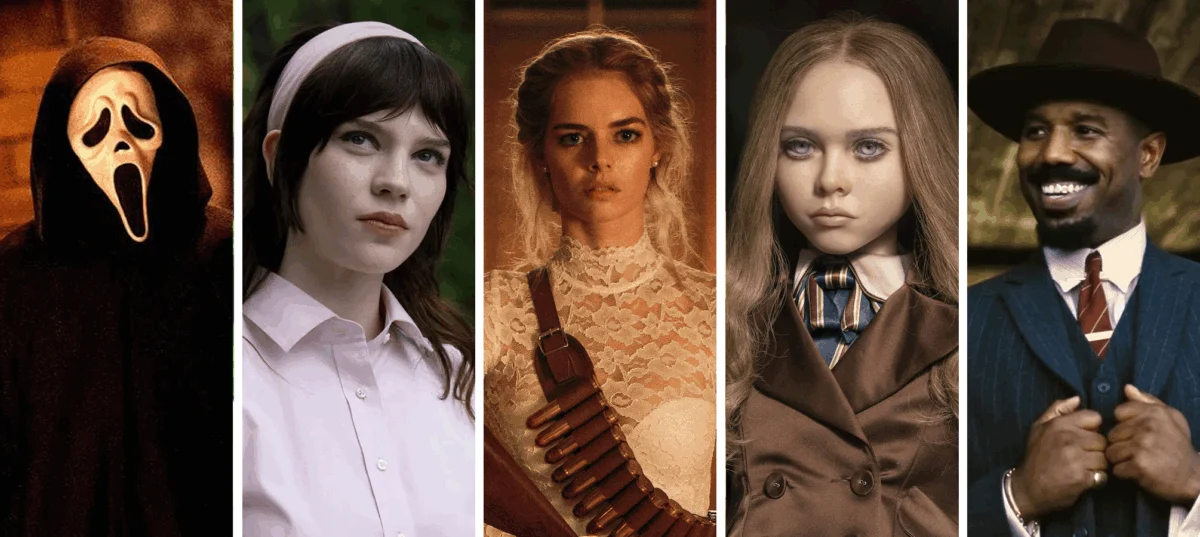
The recent success of films explicitly or implicitly belonging to the horror comedy genre underscores a robust and perhaps underappreciated appetite for its unique brand of entertainment. The 2026 Academy Awards, for instance, saw Sinners, a film that masterfully blends elements of horror, costume drama, and musical theater, walk away with four prestigious awards, including Best Screenplay and Best Actor. This multi-faceted narrative, characterized by its decadent atmosphere and genre fluidity, exemplifies the sophisticated direction horror comedy can take.
This trend is further evidenced by the proliferation of similar works in the preceding years. The 2025 slate included the chillingly playful killer-robot features Companion and M3gan 2.0. In 2026, the enduring Scream franchise returned for another installment, promising its signature meta-commentary and jump scares. Meanwhile, the delightfully campy Ready or Not, which playfully reimagines classic board game dynasties with a diabolical twist, has also seen a successful sequel greenlit, further cementing its cult following and the genre’s viability. This consistent output suggests a thriving market, yet the question lingers: has the industry, and the audience, truly acknowledged the pervasive influence and artistic merit of horror comedy?
The Cathartic Power of the Paradoxical
The enduring appeal of horror comedy can be attributed to several potent psychological and societal factors, chief among them the concept of catharsis. Originating from ancient Greek words meaning "pure" or "clean" and "to purge" or "purify," catharsis, as described by Aristotle in his Poetics, refers to the emotional release experienced through dramatic performance. Ancient Greek theaters, often situated near temples, were considered sacred spaces, partly because the emotional purging facilitated by tragedy and comedy was viewed as a form of spiritual purification.
Horror films, in their own right, provide this cathartic release by allowing audiences to confront and expel feelings of shock and fear in a safe, controlled environment. The resolution of a horror film, marked by the return of lights and a sense of safety, offers a palpable relief. Horror comedy, however, amplifies this effect by layering the cathartic experience. It taps into the dual capacity of theater, and now film, to evoke both "a good cry" of emotional release and the gut-aching laughter that signifies profound amusement. The unexpected fusion of fright and humor creates a unique emotional cocktail, doubling, or even squaring, the cathartic impact.
This inherent desire for emotional release is particularly pertinent in times of societal tension. The current era, marked by global uncertainties and rapid technological shifts, shares historical parallels with periods that also saw the rise of horror comedy. The heyday of Paris’s Grand-Guignol theater and its accompanying establishments, which thrived in the lead-up to World War I and during the interwar years, coincided with an era of immense global anxiety. The Grand-Guignol, known for its sensationalist horror plays alternating with comedies, offered a visceral "hot and cold water" experience, akin to emotional whiplash. Patrons could then retreat to establishments like the Cabaret de L’Enfer, a hell-themed restaurant that mocked patrons with devilish waiters serving "molten sin" coffee, further extending the darkly humorous experience. This period of unease, much like the height of the Cold War in the 1980s, a decade that witnessed an outpouring of horror comedies, demonstrates how audiences seek release through extreme emotional stimulation. Screaming, laughing, and being transported to fantastical worlds all serve as potent outlets for pent-up tension.
A Historical Tapestry of Terror and Merriment
The lineage of horror comedy predates its cinematic manifestations. Theatrical traditions, dating back centuries, have long explored the interplay of the horrifying and the humorous. The aforementioned Grand-Guignol (opened in 1897) is a prime example, intentionally curating programs that juxtaposed visceral horror with lighthearted comedy. This deliberate contrast created a disorienting yet exhilarating effect, designed to jolt the audience and then offer them a reprieve through laughter.
The post-World War II era in America saw a downturn in the genre’s sophistication, largely relegated to the comedic monster-meeting routines of Abbott and Costello. The immediate postwar years, an era of collective exhaustion, did not foster a need for the genre’s particular brand of catharsis. However, as Cold War anxieties escalated, so too did the demand for emotional release. The 1980s, in particular, are often considered a golden age for a more lurid and over-the-top horror comedy. Films like the original Little Shop of Horrors (1960), with its dark humor and surprisingly grim ending, laid groundwork for later explorations. This era saw the genre embrace its inherent absurdity, a quality that resonates strongly with audiences seeking an escape from overwhelming realities.
The Artistry of the Absurd
While horror comedy offers a vital emotional outlet, its successful execution is a testament to the skill of its creators. The genre demands a delicate balancing act; too much horror can alienate comedic fans, while too much comedy can dilute the thrill for horror enthusiasts. When this balance is achieved, as seen in the critically lauded Sinners, the result is a truly captivating experience. The film’s ability to fully immerse its audience for its nearly two-hour and seventeen-minute runtime, drawing them into the lives of its musical vampires in 1920s Mississippi, highlights the power of effective storytelling, regardless of genre. Similarly, watching Ready or Not during a long, arduous flight proved to be a surprisingly captivating escape, demonstrating the genre’s ability to transport and enthrall even under less-than-ideal viewing conditions.
The genre has been historically undervalued, often dismissed as mere “corny gags” and excessive gore. However, when horror comedy achieves its artistic potential, it transcends these superficial associations. The moments where screams and laughter intertwine, where gasps of fear give way to belly laughs, can be breathtaking, offering a unique and profound cinematic experience. The element of surprise inherent in horror comedy—the unexpected laugh at a monstrous figure, or a joke that lands with a terrifying punch—adds another layer to its impact, providing an extra jolt of emotional engagement.
Modern Catharsis in a Digital Age
In today’s increasingly interconnected and often overwhelming world, the need for catharsis is perhaps greater than ever. While social media platforms offer low-stakes avenues for emotional expression and engagement, often framed by calls for "likes, comments, and subscribes," and live events tout their "immersive" qualities, the act of watching a film remains a uniquely passive yet profoundly engaging experience. The audience is not required to contribute; their role is simply to watch, to react, and to absorb. This unburdened engagement allows for a pure release of emotions.
The persistent production and consumption of horror comedy films speak to a fundamental human need. The shared experience of sitting in a darkened theater, faces illuminated by the screen, as expressions shift from fear to glee, is a powerful act of communal solitude. In the face of ambient chaos, the opportunity to laugh, to scream, and to escape provides a much-needed respite. As the lights rise and audiences emerge, they often do so feeling lighter, as if having undergone a form of emotional purification, a testament to the enduring power and artistic significance of horror comedy. The genre’s continued presence and evolving sophistication suggest it will remain a vital and celebrated form of cinematic expression for years to come.