From its earliest days, the art of filmmaking recognized the potent cinematic appeal of boxing. The sport, inherently rich in high-stakes emotion, raw physical intensity, furious spectacle, and the deep currents of rivalry and personal turbulence, offered fertile ground for visual storytelling. This natural synergy was amplified by boxing’s unique ability to transcend social strata, bridging class divides and, in turn, fostering renewed interest in the sport itself. The very invention of moving pictures seemed to align with the dynamic drama unfolding within the squared circle, a relationship that has evolved and deepened over more than a century.
The genesis of this cinematic partnership can be traced back to 1894, with a brief, rudimentary recording of a six-round match between Mike Leonard and Jack Cushing. Though only a mere 23 seconds of this historical bout survive, its impact resonates even today, a testament to the enduring power of capturing athletic conflict on film. Since that nascent flicker, countless directors have been captivated by the pugilistic narrative. The spectrum of cinematic boxing spans the grand prize fights that captivate global audiences to the intimate amateur spars and the brutal bare-knuckle brawls of a bygone era. No other sport has been rendered with such consistent and profound artistic exploration, manifesting in dramas, biopics, and documentaries that delve into its multifaceted essence. The British Film Institute’s recent retrospective, "The Cinematic Life of Boxing," meticulously examines this enduring, symbiotic fascination, exploring how cinema has effectively tapped into the sport’s psychological depths, its sociological implications, and its often-overlooked political dimensions.
The Curator’s Vision: Realism and the Human Experience
At the heart of this exploration is Clive Chijioke Nwonka, a man whose lifelong passion for boxing, cultivated since his childhood in London as an amateur fighter, informs his curatorial vision. Nwonka posits that an uncompromising pursuit of realism is fundamental to the profound connection between boxing and cinema. The films he has selected for the BFI season, he explains, "all interacted with that sense of human experience, poverty, struggle, triumph, and with boxing as a sport but also as a way of life." Unlike team sports such as football or cricket, boxing presents a direct, unmediated confrontation between two individuals. The immense pressures and palpable intensity of these encounters are readily legible to filmmakers, translating seamlessly into compelling visual narratives.

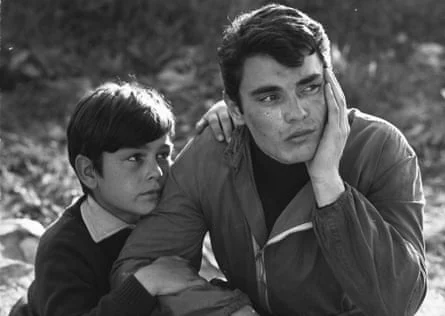
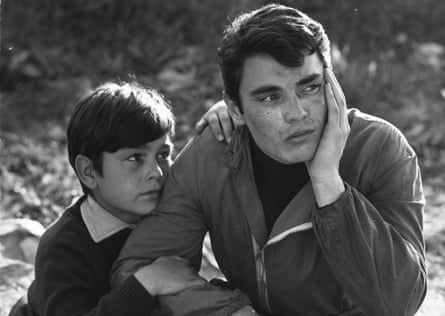
While boxing films often lean on familiar archetypes – the aspirational underdog chasing a golden ticket, the flamboyant showman champion, the morally ambiguous promoter, the grizzled, wise old trainer dusting off his worn mitts – the BFI season’s selections extend beyond these conventions. A significant criterion for inclusion was the films’ ability to portray boxing as a form of "mood music" for working-class lives. Nwonka highlights Ron Peck’s 1991 film "Fighters," an evocative ode to East End identity, and Luchino Visconti’s epic "Rocco and His Brothers" (1960) as prime examples. He argues that these films are "invested in questions about family, mobility, endurance, and survival that really transcend genre, approach, and time." These narratives underscore that boxing is not merely a sport but a crucible for exploring universal human themes.
Beyond the Ring: Boxing as a Political and Social Mirror
Boxing films have frequently served as powerful lenses through which to examine the political zeitgeist of their respective eras. A pivotal moment in this regard was the 1974 "Rumble in the Jungle" heavyweight championship match in Zaire (now the Democratic Republic of the Congo) between Muhammad Ali and George Foreman. This bout transcended the realm of sport, becoming a profound referendum on ideology during the Civil Rights era. Ali, a symbol of Black nationalism and a powerful voice for social change, faced Foreman, who, in many respects, represented a more establishment-aligned liberalism. Nwonka describes this fight as "the greatest and most significant fight of all time," and its cinematic portrayal in the 1996 documentary "When We Were Kings" is lauded as "probably the greatest sports documentary of all time." The film meticulously captures not only the athletic spectacle but also the profound political and cultural context surrounding the event, cementing its place in cinematic history.
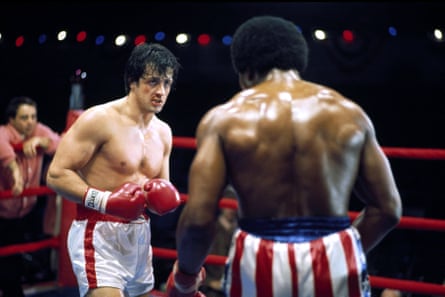
However, the political resonance of boxing films is not solely confined to high-stakes, globally significant contests. Films like Clint Eastwood’s multi-Oscar-winning "Million Dollar Baby" (2004) offer a more nuanced exploration of social issues within the sport. Starring Hilary Swank as Maggie Fitzgerald, a determined female boxer, the film directly challenges the deeply entrenched misogyny prevalent in the boxing world and society at large. Yet, arguably the most foundational film in the annals of cinematic boxing, Sylvester Stallone’s "Rocky" (1976), at its core, offers a granular reflection on class and the persistent difficulties of upward mobility.
The Rocky Phenomenon: A Cultural Touchstone
Since its groundbreaking debut in 1976, the "Rocky" franchise has expanded to encompass six films, alongside the critically acclaimed "Creed" spin-off series, helmed by director Ryan Coogler. Nwonka characterizes the "Rocky" franchise as "quintessential boxing chum," particularly when considering the personal stakes involved for Stallone himself. The actor’s unwavering determination to star in his own screenplay, despite studio executives’ initial preference for a more established actor, is a story of perseverance mirroring the film’s narrative. "I’ve been boxing for many years and you’ll seldom find any boxer who hasn’t been influenced to take up the sport either by seeing a Rocky film, or having a Rocky film referenced by someone else," Nwonka observes. This profound impact suggests that "Rocky" is not merely a Hollywood product but a cultural force that has actively shaped the world of boxing itself, inspiring generations of aspiring fighters and fans alike.
The original "Rocky" film remains a benchmark in sports cinema. While occasionally criticized for its perceived stoicism, the film’s inherent qualities and Stallone’s indelible portrayal of the titular character established an ambitious template for many subsequent boxing films. It masterfully captured the routine, often unglamorous, daily experience of a boxer. This grounded realism lent profound credibility to the story of a mid-thirties, down-on-his-luck fighter receiving an improbable shot at a world title. From this relatable premise, universal themes of self-actualization, self-respect, and love could powerfully emerge. The "Creed" series, by successfully reimagining the franchise for a new generation, has ensured a vital cross-pollination between past and present, bridging the legacy of "Rocky" with contemporary storytelling.
Navigating Clichés and the Pursuit of Authenticity
Despite its enduring appeal, the boxing genre, perhaps more than most sports movies, has grappled with the pervasive threat of cliché. This challenge stems partly from the sheer volume of boxing films produced and partly from the inherent, often repetitive, dramatic beats of the fights themselves. The recent box office disappointment and Oscar-bait attempt, "Christy," starring Sydney Sweeney as boxer Christy Martin, drew widespread criticism for its perceived formulaic storytelling. In a genre saturated with narratives, the question of how to maintain freshness and originality remains paramount.
Nwonka cautions against the "danger or trap door of making assumptions about an audience." He argues that "the easiest route for getting a project reneged is taking a noted figure and adding some dramatic licence." This approach, he suggests, often leads to failure, as seen with "Christy," where the "exigencies of Hollywood hurl a particular person into a role for reasons that are beyond accuracy, suitability or convincingness." A further pitfall, according to Nwonka, is a misguided emphasis on the purely physical aspects of boxing. This often results in protracted training montages – scenes of pumped muscles, arduous mountain runs, and relentless jump-roping – that detract from the broader, more compelling life cycle of a boxer.
The Art of the Fight Scene: Visceral Reality Over Spectacle
The authenticity of fight scenes is another critical element that often draws criticism from those intimately familiar with the sport. However, films like Martin Scorsese’s "Raging Bull" (1980) are frequently cited for their groundbreaking approach. The fight sequences in "Raging Bull" are described as "quite rough, punishing and brutal," effectively conveying the visceral reality of combat within the ring. The film’s deliberate and savage choreography, coupled with Thelma Schoonmaker’s masterful editing – characterized by close-up punches, flashing lights, and dripping blood – showcases the grisly, unvarnished aspects of boxing that make for compelling cinema, a stark contrast to mere displays of physical prowess.
The Enduring Appeal: A Reflection of the Human Condition
Across the diverse range of films featured in "The Cinematic Life of Boxing" season, it is the inherent elasticity of boxing narratives that accounts for their enduring appeal. Even when relying on familiar arcs and tropes, the most accomplished filmmakers manage to return to the core of these stories: the profound stakes involved in stepping into the ring, and the significant physical, psychological, and financial costs of enduring the sport. This resonates deeply because it mirrors fundamental aspects of the human condition – themes of struggle, resilience, and the pursuit of self-worth that are universal and transcend generational divides. Consequently, the dynamic dance between cinema and boxing continues, with filmmakers consistently reframing old contests and narratives for new audiences, ensuring the sport’s cinematic legacy remains as potent as ever.