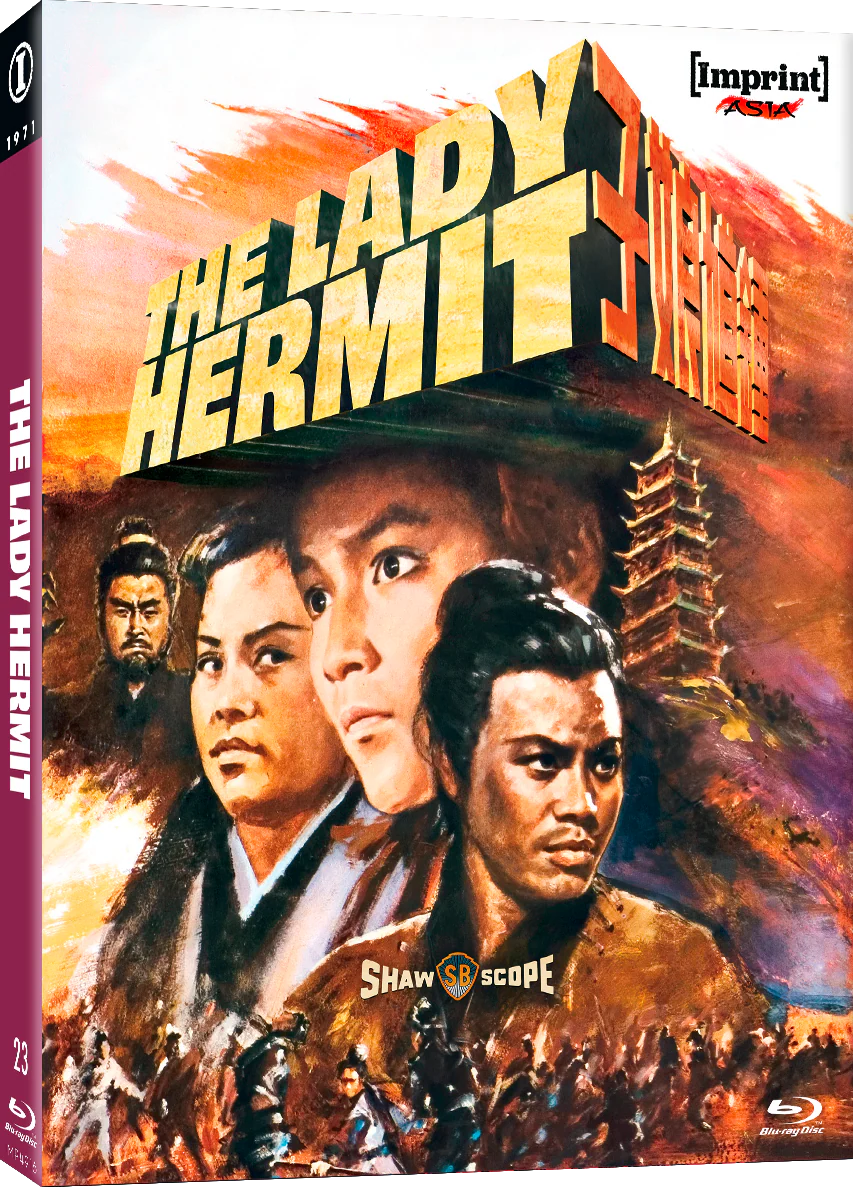
The 1971 Shaw Brothers production, The Lady Hermit, arrived at a pivotal juncture for both the venerable studio and its preeminent leading star, Cheng Pei-pei. This cinematic offering transcended mere entertainment, serving as a symbolic "passing of the torch" to a new generation of talent while solidifying its standing as a commercial success and a significant entry in the wuxia genre. The film, directed by Ho Meng-hua, not only delivered the expected thrills and martial arts prowess but also explored complex themes of mentorship and identity, particularly through its groundbreaking female-centric narrative.
The Shaw Brothers Era: A Studio Powerhouse
To understand the profound impact of The Lady Hermit, one must first contextualize it within the golden age of Hong Kong cinema, dominated by the formidable Shaw Brothers Studio. Founded by Run Run Shaw, the studio had, by the late 1960s and early 1970s, established itself as an industrial titan, boasting a vast backlot, a dedicated roster of directors, writers, and actors, and an unparalleled production output. Their films, ranging from martial arts epics to romantic dramas and comedies, shaped the tastes of audiences across Asia and beyond. The wuxia genre, in particular, experienced a massive resurgence under their patronage, evolving from its earlier, more theatrical forms into a dynamic, visually sophisticated cinematic spectacle.
The studio’s meticulous approach to filmmaking, often compared to Hollywood’s classical studio system, ensured a consistent output of high-quality genre films. They cultivated a distinct aesthetic characterized by lavish sets, vibrant colors, and often groundbreaking action choreography. This systematic approach allowed them to capitalize on popular trends, and by 1971, the demand for intricate martial arts narratives was at its zenith. The Lady Hermit emerged from this fertile creative environment, inheriting the studio’s commitment to visual grandeur and action-packed storytelling.
Cheng Pei-pei: The Reigning Queen of Swords
At the heart of The Lady Hermit‘s significance lies its connection to Cheng Pei-pei, an actress whose name had become synonymous with female martial arts excellence. Her ascent to stardom began in 1966 with King Hu’s seminal Come Drink with Me, a film that revolutionized the wuxia genre and cemented her status as the "Queen of Swords." Cheng brought a unique blend of elegant grace, athletic precision, and profound emotional depth to her roles, making her characters both formidable warriors and compelling dramatic figures. Her portrayal of Golden Swallow became an archetype for subsequent female action heroes.
By 1971, Cheng Pei-pei was at the peak of her Shaw Brothers career. She had starred in numerous successful wuxia films, each further solidifying her iconic status. However, the film industry, much like any other, thrives on constant renewal. Studios are perpetually seeking new faces and talents to captivate audiences and ensure longevity. The Lady Hermit therefore presented a unique opportunity for Shaw Brothers to honor their reigning star while simultaneously introducing her potential successor, a strategic move designed to secure the future of their female action lineage. This meta-narrative of transition, where the seasoned warrior guides the younger disciple both on-screen and within the broader industry context, added an intriguing layer of depth to the film’s production and reception.
The Rise of Shih Szu: A New Star Emerges
The newcomer being groomed as Cheng Pei-pei’s successor was Shih Szu. Young, energetic, and possessing a striking screen presence, Shih Szu was a prime candidate for Shaw Brothers’ intensive star-making machinery. The studio meticulously scouted and developed talent, often signing actors to long-term contracts and providing them with training in martial arts, acting, and dance. The Lady Hermit was strategically positioned to showcase Shih Szu’s burgeoning abilities alongside the established mastery of Cheng Pei-pei, effectively giving her a grand introduction to a wide audience.
This deliberate mentorship, mirroring the on-screen relationship, was a hallmark of the Shaw Brothers system. It allowed for a seamless transfer of cinematic legacy, ensuring that the studio’s signature style and genre dominance would continue for years to come. For Shih Szu, starring opposite Cheng Pei-pei was an invaluable opportunity to learn from the best and to gain immediate credibility within the highly competitive industry. The film itself became a testament to this strategic planning, highlighting the generational shift in Hong Kong’s martial arts cinema landscape.
Narrative Structure: A Familiar Trope with a Fresh Twist
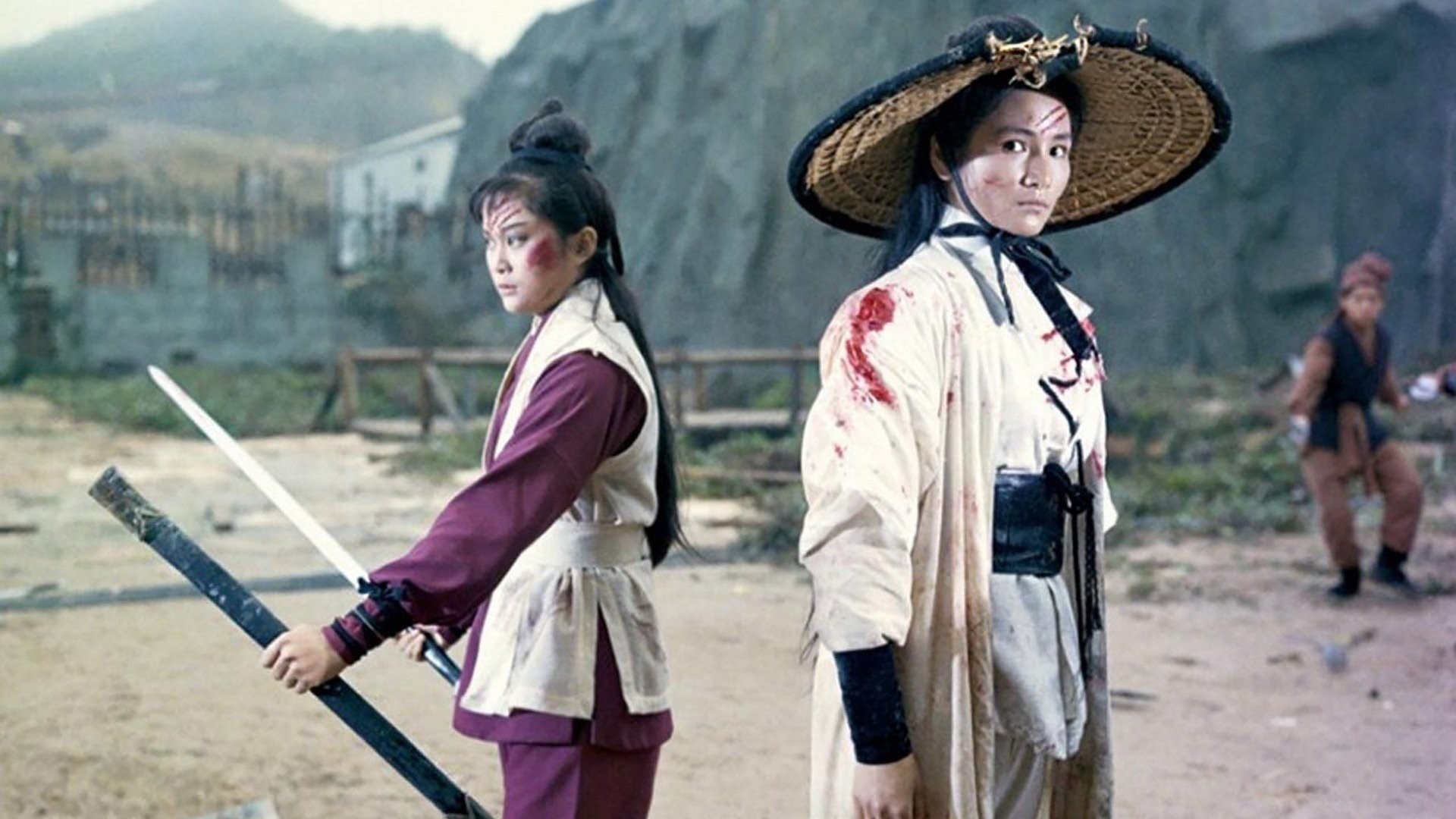
The Lady Hermit adheres closely to the established "recipe" of the wuxia genre, a formula that resonated deeply with audiences of the era. The story introduces Cui Ping, an ambitious young martial artist played by Shih Szu, who arrives in a town driven by a singular purpose: to locate the legendary Lady Hermit and acquire the skills necessary to vanquish the notorious Black Demon. This quest for a master to defeat a formidable foe is a cornerstone of wuxia narratives, providing a clear trajectory for the protagonist’s growth.
Unbeknownst to Cui Ping, the very master she seeks is living in plain sight, disguised as a humble servant woman. This revelation forms the core of the film’s dramatic tension and offers a compelling exploration of hidden identities and past traumas. The Lady Hermit, portrayed with commanding presence by Cheng Pei-pei, lives in reclusion, having sustained severe injuries in a previous, fateful confrontation with the Black Demon. Her reluctance to re-engage with her past and her initial hesitation to take on a disciple are classic wuxia tropes, adding to her mystique and emphasizing the gravity of her former struggles.
As circumstances inevitably force the master to reveal her true identity, she reluctantly agrees to take Cui Ping under her wing. The subsequent training sessions are not merely physical endeavors but also represent a transfer of wisdom, discipline, and emotional resilience. This mentorship dynamic, particularly between two women, adds an intriguing and relatively rare element to the genre. While male master-disciple relationships were commonplace, The Lady Hermit foregrounds the power and complexity of female tutelage, exploring themes of sisterhood, sacrifice, and shared purpose.
The Romantic Triangle: Adding Emotional Nuance
Complicating the master-disciple dynamic and introducing an unexpected layer of emotional depth is the presence of Chang-chung, a character whose relationships with both Cui Ping and the Lady Hermit introduce a romantic triangle. Portrayed by Lo Lieh, a charismatic and versatile actor often cast in Shaw Brothers productions, Chang-chung serves as a catalyst for emotional conflict, subtly altering the bond between the two women and driving a significant portion of the final act.
While romantic subplots were not uncommon in wuxia, The Lady Hermit‘s incorporation of one that directly impacts the core female relationship was a rather original aspect for its time. This romantic entanglement, even if some critics might argue it felt somewhat forced into the narrative, successfully adds emotional stakes that culminate in the final confrontation. It tests the limits of loyalty, friendship, and personal ambition, making the ultimate resolution of the film more resonant than a simple victory over a villain. Lo Lieh’s portrayal, though perhaps underutilized in comparison to the two leading women, provides a touch of charm and often serves as the main source of the film’s slight comedic relief, balancing the intensity of the martial arts and dramatic elements.
Technical Mastery: A Visual and Auditory Spectacle
From a technical standpoint, The Lady Hermit exemplifies the high production values for which Shaw Brothers was renowned. Director Ho Meng-hua, a prolific filmmaker known for his versatility across genres, meticulously crafts a visually striking and sonically rich experience. His direction ensures a brisk pace that keeps the audience engaged, skillfully navigating the narrative while also allowing the film’s aesthetic strengths to shine.
Danny Lee Yau-tong’s cinematography is particularly striking, showcasing a vivid use of color that elevates the film beyond a mere action spectacle. The sunset and sunrise sequences, in particular, are bathed in rich, evocative hues, contributing significantly to the film’s period atmosphere and emotional resonance. Shaw Brothers films were celebrated for their vibrant palettes, a deliberate artistic choice that made their productions stand out. Beyond color, the film benefits from strong location work, utilizing natural landscapes that provide a sense of expansive adventure, complemented by carefully constructed studio sets that enhance the historical authenticity and visual grandeur. The attention to detail in set design creates immersive environments, from the humble abode of the disguised hermit to the imposing pagoda where the final battle unfolds.
The training sessions, often a highlight in wuxia films, are rendered with particular visual prowess in The Lady Hermit. These sequences are not just demonstrations of skill but are crafted with an artistic eye, making them memorable for their aesthetic composition. The climactic battle in the pagoda, along with some of the initial skirmishes, offers the best in terms of action choreography. The martial arts sequences, while stylized, do get quite brutal on occasion, reflecting a growing trend in Hong Kong cinema towards more realistic and impactful fight scenes. The choreography emphasizes both power and precision, showcasing the physical capabilities of the lead actresses.
Chiang Hsing-Lung’s editing contributes significantly to the film’s brisk pace, which not only suits the dynamic aesthetics but also helps to seamlessly gloss over any minor illogicalities in the story, maintaining narrative momentum. The sound design, while featuring the typical yet iconic clash of swords, is otherwise impressive, creating an immersive auditory landscape that complements the visuals. The lush musical score further amplifies the intensity of the action sequences and underscores the emotional weight of key dramatic moments, guiding the audience through the film’s peaks and valleys.
Commanding Performances: A Legacy Defined
The performances in The Lady Hermit are central to its enduring appeal. Cheng Pei-pei delivers a truly commanding presence as the titular hermit, embodying both the authority of a legendary warrior and the vulnerability of a woman scarred by past trauma. Her portrayal is nuanced, conveying the internal struggle between her desire for peace and her inherent sense of duty. This role resonates as a fitting culmination of her illustrious Shaw Brothers period, showcasing the full range of her talents before she would embark on a career that later brought her international acclaim as the formidable Jade Fox in Ang Lee’s Crouching Tiger, Hidden Dragon (2000).
Shih Szu, in her role as the impulsive yet talented disciple Cui Ping, proves remarkably effective. She skillfully balances youthful enthusiasm and fiery temper with the necessary growth and maturity her character undergoes throughout the narrative. Her transformation from an eager but inexperienced novice to a formidable warrior is believable and engaging, demonstrating the successful execution of the studio’s plan to groom her as a future star. The chemistry between Cheng Pei-pei and Shih Szu is of the highest level, forming one of the movie’s most compelling traits. Their on-screen dynamic elevates the film beyond a simple action story, infusing it with genuine emotional depth and a strong sense of female camaraderie.
Commercial Success and Lasting Legacy
Upon its release, The Lady Hermit was a significant commercial success, placing among the top box office entries of its year. This financial triumph not only reaffirmed the drawing power of Cheng Pei-pei and the Shaw Brothers brand but also validated the studio’s strategy of introducing new talent like Shih Szu. Its strong performance further solidified its standing within the extensive Shaw Brothers canon, marking it as a memorable and important film from that era.
Beyond its initial commercial impact, The Lady Hermit has maintained its relevance, enduring as a highly entertaining and exceptionally well-crafted wuxia film. While it may follow a familiar genre formula, it elevates this structure through its rare and compelling female dynamics, strong acting performances, and overall audiovisual presentation. The film remains a significant entry in the genre for its pioneering emphasis on female warriors and its symbolic role in the transition between two generations of martial arts stars.
In retrospect, The Lady Hermit is more than just a period action film; it is a cinematic document reflecting the changing tides of Hong Kong cinema, the strategic brilliance of the Shaw Brothers Studio, and the enduring power of its female leads. It stands as a testament to the artistry of its creators and the lasting impact of its stars, particularly Cheng Pei-pei, whose legacy continues to inspire generations of filmmakers and martial artists worldwide. The film’s continued availability and critical reappraisal underscore its place as a classic of the wuxia genre, celebrated for its innovative spirit and timeless appeal.