The highly anticipated return to Middle-earth with The Lord of the Rings: The Hunt for Gollum has been met with a significant development: the iconic role of Aragorn, son of Arathorn, will be recast. Director Andy Serkis, reprising his role as Gollum and taking the helm for this new cinematic endeavor, confirmed the recasting in an interview with Screen Rant. "I don’t know what’s out there at the moment, but I know there’s a lot of speculation, but let’s just say we are recasting the role and we are on the way to finding someone," Serkis stated, signaling a pivotal shift for the upcoming film.
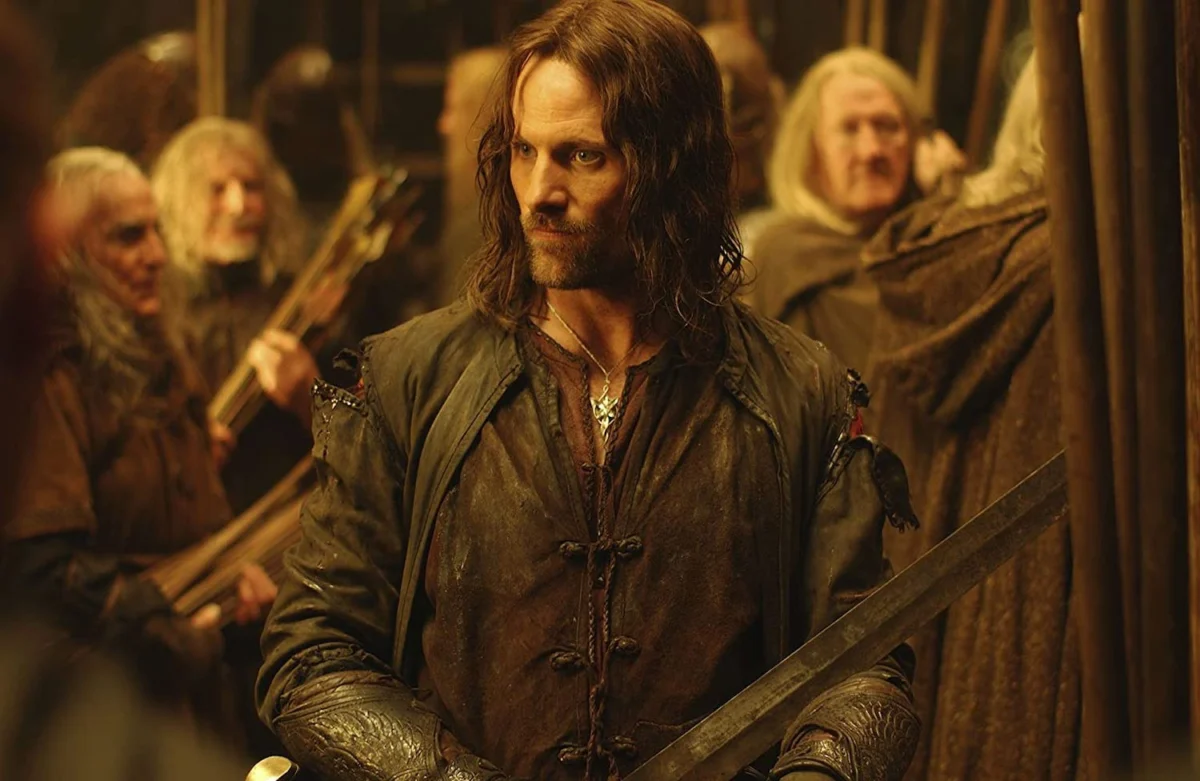
This announcement comes as a profound disappointment to many fans who have long associated the character of Aragorn with Viggo Mortensen’s indelible portrayal in Peter Jackson’s original The Lord of the Rings trilogy. Mortensen, who was a late but inspired addition to the cast of The Fellowship of the Ring, became synonymous with the rugged ranger and eventual King Elessar. His performance was so deeply ingrained in the fabric of the films that the prospect of a different actor stepping into his worn boots has sparked considerable debate and melancholic reflection within the fandom. The fact that other beloved actors from the original trilogy, including Elijah Wood, Ian McKellen, and Serkis himself, are returning for The Hunt for Gollum, only amplifies the perceived void left by Mortensen’s absence in the role of Aragorn. The inclusion of Kate Winslet in an undisclosed capacity further fuels anticipation, though her role remains a mystery.
The Enduring Legacy of Aragorn
Aragorn’s journey from the enigmatic ranger Strider to the rightful King of Gondor is a cornerstone of J.R.R. Tolkien’s legendarium. His lineage traces back to Isildur, the Númenórean king who famously cut the One Ring from Sauron’s hand, and through him, to Elendil the Tall. This heritage imbues Aragorn with a profound destiny, a responsibility he initially shoulders with reluctance, burdened by the failures of his ancestors and the perceived unworthiness of men. Mortensen’s performance masterfully captured this internal conflict, portraying Aragorn not just as a skilled warrior but as a man wrestling with his identity and the weight of his heritage. His ability to convey both the gruff exterior of Strider and the noble spirit of King Elessar made him an unforgettable figure in cinematic fantasy. The character’s arc represents a powerful narrative of hope, redemption, and the enduring strength of courage against overwhelming darkness, themes that resonate deeply with audiences and have cemented his status as one of fantasy literature’s most compelling heroes.
Rumors and Speculation Surrounding the Recast
The confirmation of a recasting has inevitably led to a flurry of speculation regarding potential candidates. Whispers have begun to circulate, fueled by subtle hints and fan theories. On a recent podcast appearance, Elijah Wood, who is reprising his role as Frodo Baggins, did not dismiss the notion when actor Leo Woodall, known for his performance in Netflix’s One Day, was mentioned as a potential successor. While Woodall’s on-screen persona might currently align more with a youthful romantic lead than a weathered ranger of the North, the history of casting surprises in Middle-earth productions suggests that appearances can be deceiving. The unexpected casting of Mortensen himself, a known for his blonde hair in real life, underscores the potential for actors to transform and embody roles beyond initial expectations. The selection process for Aragorn will undoubtedly be under intense scrutiny, with fans eager to see who will be entrusted with such a significant mantle.
Navigating Tolkien’s Timeline: A Point of Contention
Adding another layer of intrigue to The Hunt for Gollum is the reported placement of its narrative within Tolkien’s established timeline. Serkis recently indicated that the film "takes place between The Hobbit and The Lord of the Rings." This statement has generated some confusion, as many had assumed the story would unfold during the early stages of The Fellowship of the Ring, a period already marked by significant events leading up to Bilbo Baggins’s eleventy-first birthday party.
However, a closer examination of Tolkien’s appendices and the established chronology of Middle-earth suggests a more complex and potentially different timeline for the film.
- Year 3001 of the Third Age: This is the year of Bilbo’s farewell feast. Crucially, Gandalf begins to suspect Bilbo’s ring is the One Ring. During this time, he initiates his search for information about Gollum and enlists the aid of Aragorn. This period marks the nascent stages of the hunt, with Aragorn’s involvement being a key element.
- Years 3001-3009: Tolkien’s timeline indicates a period of relative quiet regarding the direct hunt for Gollum, though Gandalf and Aragorn continue to seek news.
- Year 3009: This year marks a more active renewal of the hunt. The entry in Appendix B reads: "Gandalf and Aragorn renew their hunt for Gollum at intervals during the next eight years, searching in the vales of Anduin, Mirkwood, and Rhovanion to the confines of Mordor." This eight-year span, from 3009 to 3017, is when the more concerted efforts to locate Gollum would have taken place.
- Year 3017: A pivotal moment occurs when Gollum is released from Mordor. Aragorn then captures him in the Dead Marshes and brings him to Thranduil in Mirkwood. This event directly precedes the Fellowship’s departure the following year.
- Year 3018: The Fellowship of the Ring sets out. The entirety of Gandalf and Aragorn’s dedicated hunt for Gollum, as detailed in the appendices, occurs off-screen within the narrative of the early chapters of The Fellowship of the Ring.
Given this detailed chronology, Serkis’s statement suggests that The Hunt for Gollum might focus on the period between the end of The Hobbit and the beginning of The Fellowship of the Ring, specifically the years leading up to and including Gandalf’s and Aragorn’s more focused efforts to track down Gollum. This interpretation implies that the film may be expanding upon the narrative threads that were only alluded to in the original books, offering a deeper exploration of Aragorn’s early exploits and his partnership with Gandalf in this critical endeavor. Alternatively, the filmmakers might be reinterpreting or compressing Tolkien’s timeline for narrative purposes, a common practice in adaptations. The exact temporal setting will become clearer as more details emerge, but the current ambiguity invites speculation about the film’s narrative scope.
The Significance of the "Hunt for Gollum"
The quest to find Gollum is more than just a plot device; it is a critical juncture in the overarching narrative of The Lord of the Rings. Gollum’s possession of the One Ring, and his subsequent capture and interrogation by Gandalf and Aragorn, are instrumental in the unfolding events that ultimately lead to the Ring’s destruction. His knowledge of the Ring’s whereabouts and his unique, albeit twisted, connection to it make him an indispensable, albeit treacherous, source of information.
The period between The Hobbit and The Lord of the Rings is a fascinating gap in the wider cinematic narrative of Middle-earth. While Peter Jackson’s films covered the War of the Ring extensively and The Hobbit trilogy explored Bilbo’s adventure, the intervening years, particularly concerning Aragorn’s rise and his early interactions with Gandalf in the context of the growing shadow of Sauron, remain largely underexplored. This new film has the potential to shed light on Aragorn’s development as a leader, his mastery of tracking and wilderness survival, and the crucial alliances he forged in preparation for the great war.
Broader Implications for the Middle-earth Franchise
The decision to develop The Hunt for Gollum and the subsequent recasting of Aragorn signal a clear intent by Warner Bros. Discovery and New Line Cinema to further expand their cinematic universe based on J.R.R. Tolkien’s works. This move follows the immense success of Peter Jackson’s original trilogy and The Hobbit films, which collectively grossed nearly six billion dollars worldwide. The increasing interest in expanding the Lord of the Rings lore on screen, as evidenced by Amazon’s The Rings of Power series, suggests a strategic effort to capitalize on the enduring popularity of Tolkien’s creation.
The recasting of such a central character, however, carries inherent risks. The shadow of Viggo Mortensen’s performance is long, and any new actor will face immense pressure to meet fan expectations. The success of The Hunt for Gollum will likely depend not only on the casting choice but also on the film’s ability to offer a compelling narrative that respects the source material while forging its own identity within the vast tapestry of Middle-earth. The strategic decision to focus on a character and a time period that were previously less visually represented in film could be a masterstroke, offering fresh perspectives and untold stories.
The film is slated for a December 17, 2027 release, providing ample time for production and for fans to process the significant casting news. As the search for a new Aragorn continues, the anticipation for The Lord of the Rings: The Hunt for Gollum remains palpable, with the hope that this new chapter will honor the legacy of Middle-earth while charting its own course.