Narrative Origins and Creative Vision
Dead Lover draws its primary inspiration from Mary Shelley’s seminal 1818 novel, Frankenstein; or, The Modern Prometheus. However, rather than a traditional adaptation, the film serves as a subversive reimagining of the resurrection myth. The plot follows a woman’s desperate and often darkly humorous attempts to bring her deceased partner back to life. By shifting the focus from a scientific "madman" to a grieving woman driven by the absurdity of loss, Glowicki and co-writer Ben Petrie explore the boundaries of love, obsession, and the refusal to accept mortality.
The script, developed through a collaborative process between Glowicki and Petrie, leans heavily into the "Modern Prometheus" theme while grounding it in a modern setting. This thematic choice allows the film to comment on the lengths to which individuals will go to preserve the past, often at the expense of their own sanity and the natural order. The narrative structure avoids the typical tropes of the horror genre, instead opting for a "comedy of errors" approach to the reanimation process, which critics have noted provides a refreshing take on a centuries-old story.
The Sundance Film Festival Midnight Debut
The 2025 Sundance Film Festival served as the launchpad for Dead Lover, specifically within the prestigious Midnight category. Since its inception, the Midnight section has been a curated space for films that defy easy categorization, often leaning into horror, sci-fi, or transgressive comedy. Historically, this slot has launched the careers of filmmakers who push the envelope of traditional storytelling.
The screening of Dead Lover in Park City was met with significant critical acclaim. Attendees and film critics highlighted the film’s unique tonal balance, which managed to stay emotionally resonant while maintaining a steady stream of dark humor. The reception solidified Glowicki’s reputation not just as a talented actress—having previously gained attention for her work in Her Friend Adam and Tito—but as a formidable director capable of managing complex tonal shifts. The festival atmosphere provided the necessary momentum for the film to secure its theatrical distribution deal, a crucial step for any independent production in the current market.
Technical Excellence and Production Design
One of the most frequently cited strengths of Dead Lover is its technical execution. In a genre where the suspension of disbelief is paramount, the film’s reliance on high-quality production design and makeup artistry has been lauded as a triumph of independent resourcefulness.
Makeup and Practical Effects
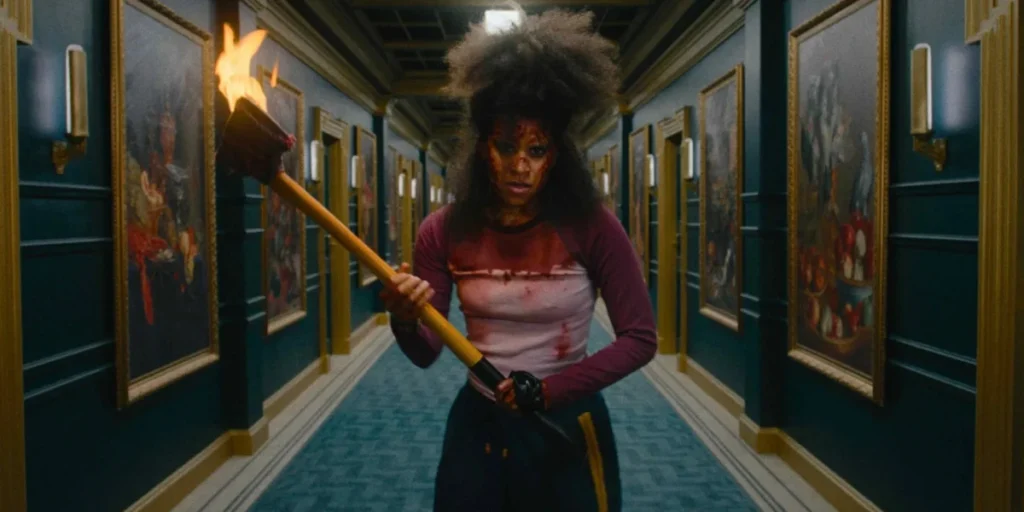
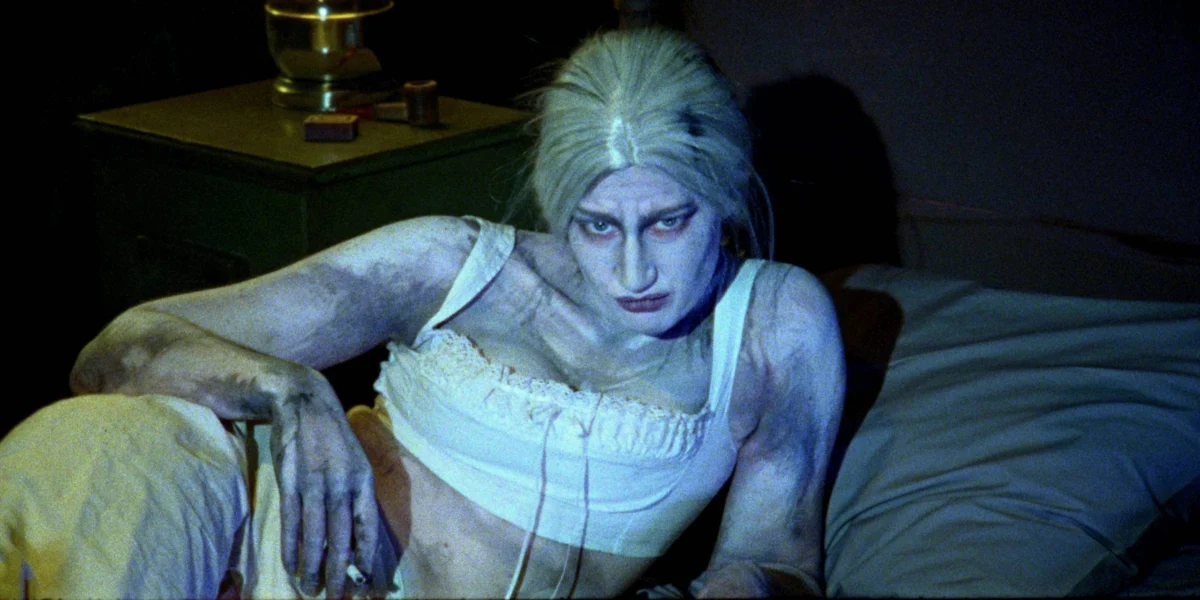
Given the film’s premise of resurrection, the makeup department faced the challenge of creating a "living corpse" that was both visually striking and capable of expressing comedic nuance. The makeup work has been described as a blend of grotesque realism and stylized artifice, avoiding the CGI-heavy pitfalls of larger studio productions. This tactile approach contributes to the film’s visceral feel, making the protagonist’s interactions with her "dead lover" both cringe-inducing and strangely touching.
Lighting and Cinematography
The visual language of the film utilizes high-contrast lighting to evoke the Gothic roots of its source material while maintaining a vibrant, saturated color palette that aligns with its comedic tone. This "neon-Gothic" aesthetic differentiates the film from the drab, desaturated looks common in modern horror. The lighting serves to emphasize the isolation of the protagonist’s environment, heightening the sense that her world has become a vacuum centered entirely on her deceased partner.
Sound and Score
Sound design plays a pivotal role in the film’s comedic timing. The juxtaposition of squelching, visceral sound effects with a whimsical or sometimes jarringly upbeat score creates a sense of cognitive dissonance for the audience. This auditory layering reinforces the film’s central theme: the absurdity of trying to force life back into a vessel that has already departed.
Cast and Collaborative Dynamics
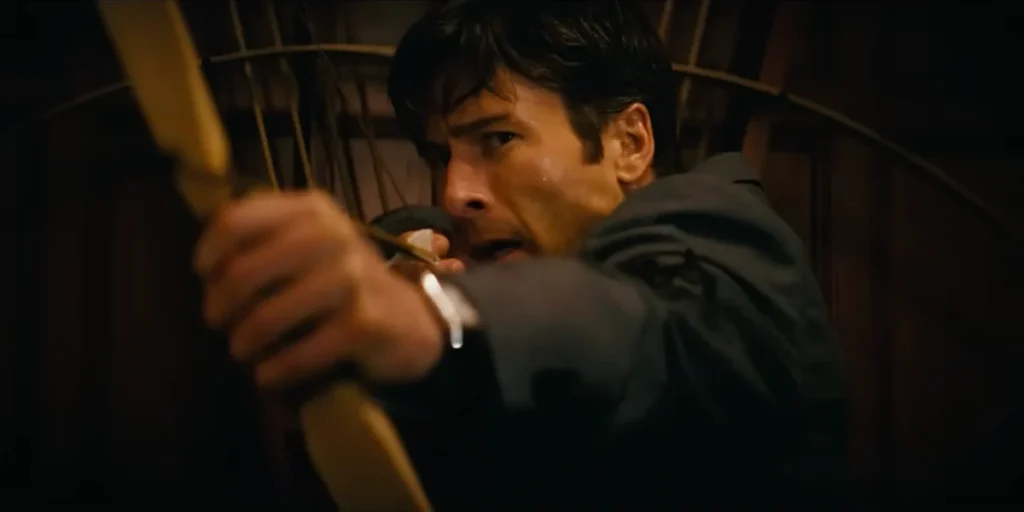
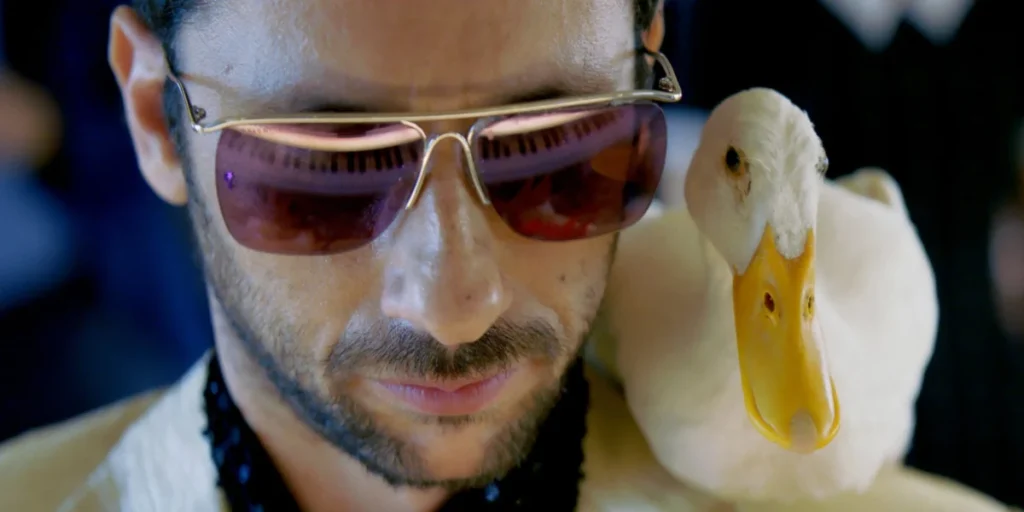
The chemistry between the lead performers is a cornerstone of the film’s success. Grace Glowicki’s performance is bolstered by a supporting cast that includes Ben Petrie, Leah Doz, and Lowen Morrow. Petrie, who co-wrote the film, shares a long-standing creative partnership with Glowicki, a factor that is evident in the shorthand and rhythmic dialogue present throughout the movie.

Leah Doz and Lowen Morrow provide essential grounding to the story, playing characters who serve as the "outside world" looking into the protagonist’s spiraling obsession. Their performances highlight the social consequences of the protagonist’s actions, moving the film beyond a simple character study into a broader commentary on how grief can alienate an individual from their community.
Distribution and Market Strategy
Following its successful festival run, Dead Lover was acquired for theatrical distribution by Cartuna and Dweck Productions. Cartuna, known for its focus on unique, artist-driven content, and Dweck Productions, which has a history of backing bold independent voices, represent a strategic partnership for a film of this nature.
The distribution strategy has focused on a targeted theatrical release, tapping into the "arthouse" and "midnight movie" demographics. By positioning the film as a must-see event for fans of unconventional comedy and elevated horror, the distributors aim to build a cult following that will sustain the film through its eventual transition to digital and streaming platforms. This model reflects a growing trend in the film industry where mid-budget independent films rely on critical word-of-mouth and niche marketing rather than massive advertising spends.
Broader Impact on Canadian Cinema
The success of Dead Lover is a significant milestone for the Canadian film industry. Historically, Canadian cinema has struggled to find a foothold in the global market, often overshadowed by its neighbor to the south. However, the 2020s have seen a resurgence of Canadian talent that embraces a specifically northern aesthetic—one that is often described as quirky, dark, and deeply introspective.
Glowicki’s ability to secure funding and international distribution for a film as idiosyncratic as Dead Lover speaks to the health of the Canadian indie scene. It also highlights the importance of organizations like Telefilm Canada and various provincial arts councils that provide the foundational support necessary for such projects to reach fruition. As Canadian filmmakers continue to gain recognition at major international festivals like Sundance, the global perception of "Canadian film" is shifting from a domestic curiosity to a source of world-class, innovative storytelling.
Implications for the "Modern Prometheus" Narrative
Dead Lover contributes to a long history of Frankenstein-inspired cinema, joining the ranks of films like Poor Things (2023) and Lisa Frankenstein (2024). This recent trend suggests a renewed cultural interest in the themes of bodily autonomy, the ethics of creation, and the defiance of death. Unlike the 1931 Universal Pictures classic, which focused on the horror of the "monster," modern iterations like Glowicki’s focus on the psychology of the "creator."
The film suggests that the real "monster" in the story is not the resurrected lover, but the grief and ego of the person who cannot let go. By framing this through a comedic lens, Glowicki allows the audience to laugh at the futility of the human condition, making the heavy themes of mortality more accessible. The film’s critical success indicates that there is a significant appetite for stories that dismantle classical myths and rebuild them using contemporary values and humor.
Conclusion and Future Outlook
As Dead Lover continues its theatrical run and prepares for international release, its impact on the careers of its creators is already becoming evident. Grace Glowicki has established herself as a visionary who can wear multiple hats without sacrificing the quality of the final product. The film stands as a testament to the power of independent filmmaking, proving that a compelling idea, executed with technical precision and a clear voice, can resonate far beyond its regional origins.
For audiences and critics alike, Dead Lover is more than just a comedy about resurrection; it is a sophisticated exploration of the human heart’s most irrational corners. With the backing of Cartuna and Dweck Productions, and the prestige of a Sundance debut, the film is poised to become a defining work of the mid-2020s indie landscape, ensuring that the conversation around Glowicki’s work—and the state of Canadian cinema—will continue for years to come.