The Next Best Series Podcast has officially resumed production, marking a significant return for one of the primary analytical voices in the television awards landscape. Hosted by Matt Neglia, the latest episode features a panel of seasoned critics and industry observers including Megan Lachinski, Giovanni Lago, Nadia Dalimonte, and Amy Kim. This return coincides with a critical juncture in the television calendar, as the industry transitions from the winter awards circuit—dominated by the Golden Globes, Critics Choice Awards, and Screen Actors Guild (SAG) Awards—into the primary campaigning window for the 77th Primetime Emmy Awards. The panel’s discussion centers on the "precursor boost" phenomenon, examining how early-year accolades influence the voting trajectory for the Television Academy, while also providing deep-dive assessments into high-profile new series such as Task, Black Rabbit, All Her Fault, and the returning political drama The Diplomat.
The Strategic Importance of Winter Award Precursors
In the modern era of "Peak TV," the sheer volume of content necessitates a narrowing of focus for Emmy voters. The Next Best Series panel emphasized that the early success of certain programs at the Golden Globes and Critics Choice Awards often serves as a "litmus test" for Emmy viability. Historically, shows that sweep the winter circuit maintain a statistically significant advantage heading into the Emmy nomination period in July.
For instance, data from the past five years indicates that over 70% of performers who win a Golden Globe or SAG Award in a television category go on to receive an Emmy nomination for the same role. The podcast panel analyzed whether this year’s early winners are positioned to maintain that momentum or if the late-spring "prestige drop" of new content will overshadow early favorites. The discussion highlights a recurring trend where series that debut in the fourth quarter of the previous year must fight to remain relevant in the minds of voters who are often swayed by the "recency bias" of shows released in April and May.
Deep Dive into the 2025 Emmy Contenders
A significant portion of the episode is dedicated to the critical evaluation of new and returning series that are expected to dominate the conversation in the coming months.
Task: The High Stakes of the Crime Procedural
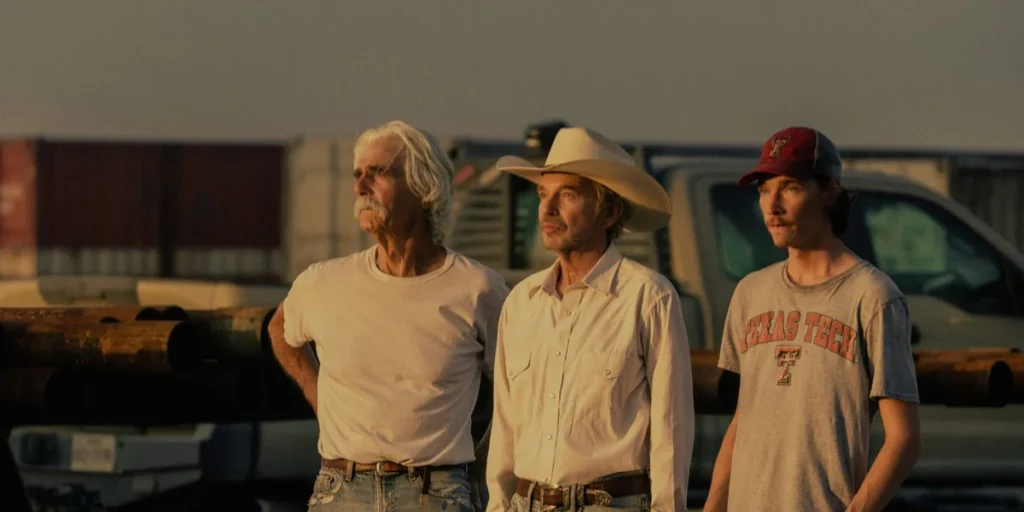
The panel highlighted Task, the highly anticipated HBO series from creator Brad Ingelsby, known for the critically acclaimed Mare of Easttown. Starring Mark Ruffalo as a veteran FBI agent, Task is positioned as a major contender in the Limited or Anthology Series categories. The discussion focused on whether the series can transcend the tropes of the crime genre to achieve the same "prestige" status as its predecessor. Early critical consensus suggests that the emotional depth of the writing and Ruffalo’s performance may provide the necessary gravitas to secure multiple nominations.
Black Rabbit and the Netflix Powerhouse
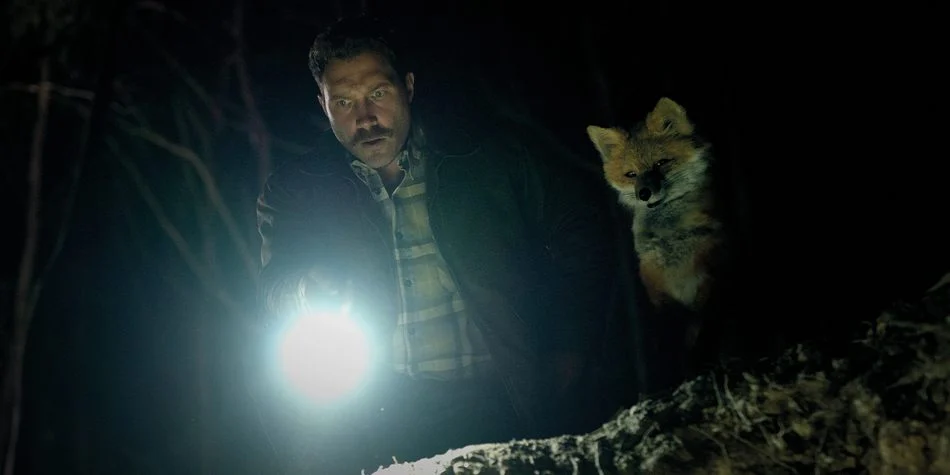
Netflix’s Black Rabbit, starring Jude Law and Jason Bateman, was identified as a primary focus for the streaming giant’s Emmy campaign. The panel analyzed the chemistry between the leads and the series’ sleek production values. As a limited series, Black Rabbit enters one of the most competitive fields in television, where it must compete against established juggernauts and auteur-driven projects. The podcast participants noted that Bateman’s history with the Television Academy, following his success with Ozark, gives the series an immediate edge in the directing and acting categories.
The Diplomat: Maintaining Sophomore Momentum
The return of The Diplomat for its second season on Netflix serves as a case study in how a series can build on an initial wave of success. Keri Russell’s performance has been a focal point of awards discussions since the show’s debut. The panel examined whether the second season’s narrative expansion will be enough to elevate it from a "perennial nominee" to a "category winner." The discussion touched upon the show’s ability to balance political intrigue with character-driven drama, a combination that has historically resonated with the Emmy voting bloc.
All Her Fault and Pluribus
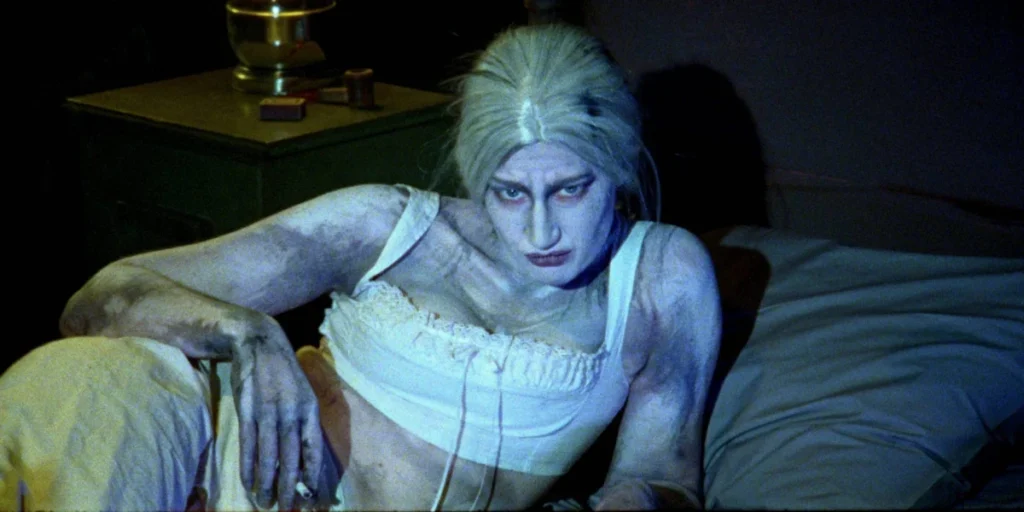
The panel also turned its attention to All Her Fault, the Peacock thriller starring Sarah Snook. Following her Emmy-winning turn in Succession, Snook remains a favorite among critics. The podcast explored whether the transition to a genre-heavy thriller will affect her standing with voters. Additionally, the project Pluribus was discussed in the context of its thematic relevance and potential to disrupt the traditional hierarchy of the drama categories.

Chronology of the 2024-2025 Television Awards Cycle
To understand the context of the podcast’s return, it is essential to outline the timeline of the current awards season. The 2024-2025 cycle is characterized by a condensed schedule and a high concentration of high-budget releases following the resolution of the industry-wide strikes in late 2023.
- January – February 2025: The "Precursor Phase." The Golden Globes, Critics Choice Awards, and SAG Awards provide the first definitive look at which shows have the backing of critics and guild members.
- March – April 2025: The "Mid-Season Peak." This period sees the release of heavy hitters intended to capture the attention of Emmy voters just before the eligibility deadline. This is the period currently being analyzed by the Next Best Series team.
- May 31, 2025: The Emmy Eligibility Deadline. All programs must be released by this date to be eligible for the 77th Primetime Emmy Awards.
- June 2025: Emmy Nominations Voting. Television Academy members cast their ballots to determine the finalists in each category.
- July 2025: Official announcement of the 77th Primetime Emmy Award nominations.
- August 2025: Final voting period for the winners.
- September 2025: The 77th Primetime Emmy Awards ceremony.
The podcast’s bi-weekly or tri-weekly schedule is designed to track the shifting narratives throughout these critical milestones.
Industry Implications and the Evolving Media Landscape
The return of The Next Best Series Podcast also highlights a broader shift in how television awards are covered and consumed. As a part of the Evergreen Podcasts Network, the program represents the growing influence of independent film and television criticism in shaping industry narratives. The panel noted that the "Emmy race" is no longer just about the quality of the shows but also about the strength of the marketing campaigns and the visibility provided by critical discourse.
The decision to offer a full version of the podcast via Patreon reflects the changing economics of digital media. By utilizing a subscription model, the Next Best Picture brand ensures the sustainability of its long-form, analytical content. This trend is mirrored across the industry, where specialized outlets are increasingly relying on direct-to-consumer support to maintain high-quality journalistic standards.
Furthermore, the discussion touched upon the impact of streaming dominance on the Emmy Awards. With platforms like Netflix, HBO/Max, and Apple TV+ consistently outperforming traditional broadcast networks, the panel analyzed how "brand loyalty" among voters affects the chances of smaller, independent productions. The rise of international content and the inclusion of non-English language programming in major categories were also cited as factors that have permanently altered the Emmy landscape.
Analysis of Critical Reception and Voter Sentiment
The podcast panel’s insights are backed by an understanding of the psychological factors that influence award voters. One key takeaway from the episode is the concept of the "narrative arc" of a series. Shows like The Bear or Succession succeeded not only due to their technical merit but because they cultivated a narrative of being "undeniable" cultural moments.
The critics discussed how Task and Black Rabbit are attempting to craft similar narratives. For Task, the narrative is one of a "master craftsman" (Ingelsby) returning to his peak form. For Black Rabbit, it is the "prestige collaboration" of two industry titans (Law and Bateman). The panel argued that for these shows to succeed at the Emmys, they must move beyond high viewership numbers and secure the "critical darling" status that the Critics Choice and Golden Globes often help facilitate.
Conclusion and Future Outlook
As the television industry moves toward the final months of the Emmy eligibility window, the analysis provided by The Next Best Series Podcast offers a vital roadmap for understanding the complex dynamics at play. The return of the hosting team marks the beginning of a rigorous period of coverage that will see the panel evaluate dozens of new contenders.
The upcoming episodes are slated to focus on the influx of new spring releases, providing listeners with updated frontrunner predictions and in-depth reviews. With the support of the Evergreen Podcasts Network and a dedicated listener base, the podcast continues to be a cornerstone of awards season commentary, bridging the gap between casual viewership and professional industry analysis. The team’s commitment to factual, objective, and deeply researched content ensures that their "Best Series" predictions remain a benchmark for accuracy in the volatile world of television awards.