New Feature Film Set to Continue Chucky’s Cinematic Legacy with a Fresh Direction
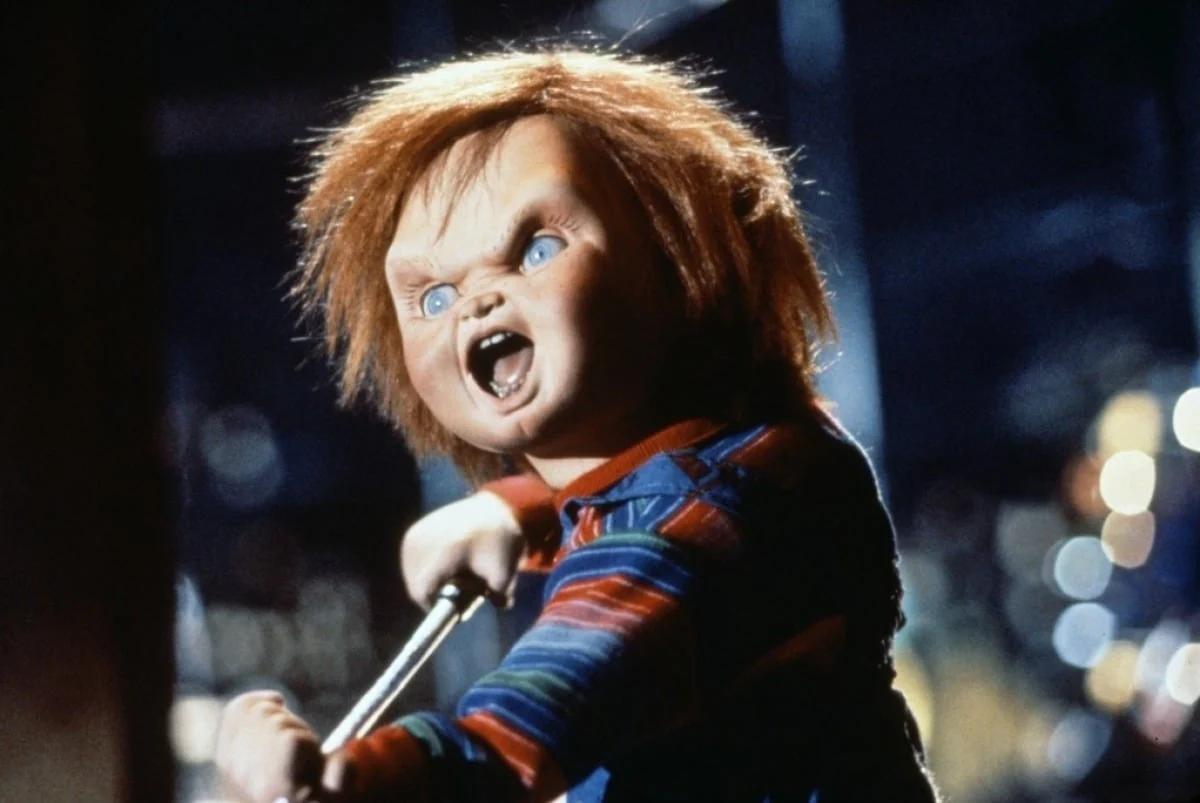
Don Mancini, the visionary creator behind the iconic Child’s Play franchise and the malevolent doll Chucky, has officially announced that he is actively penning the script for the next installment in the enduring horror series. The revelation, made this past weekend at Steel City Con, signals a significant development for fans who have been eagerly awaiting the return of the Lakeshore Strangler to the big screen. The announcement was first noted by the social media account CriticalOverlo3 and has since been corroborated. This upcoming film is not merely a continuation but is intended to serve as a reboot of sorts, echoing the strategic pivot undertaken with Curse of Chucky, while crucially maintaining a thread of continuity with the recently concluded television series, Chucky.
A Legacy of Terror and Continuity
The Child’s Play franchise, launched in 1988, has carved a unique niche in horror cinema through its remarkable ability to maintain narrative continuity for over three decades. This commitment to canon, a feat increasingly challenging for long-running franchises, has allowed for the intricate development of its central antagonist, Charles Lee Ray, a serial killer whose soul inhabits a Good Guy doll. The original film, Child’s Play, introduced this compelling premise, followed by direct sequels Child’s Play 2 (1990) and Child’s Play 3 (1991), which further explored Chucky’s relentless pursuit and attempts to transfer his soul.
A notable shift occurred with Bride of Chucky (1998) and Seed of Chucky (2004), which embraced a more self-aware and darkly comedic tone, a direction that, while polarizing for some, expanded the franchise’s creative scope. However, Mancini demonstrated his commitment to reigniting the franchise’s horror roots with Curse of Chucky (2013). This standalone installment, set in a single location, successfully re-established a more traditional horror atmosphere while subtly laying the groundwork for future narratives, notably its direct-to-video sequel, Cult of Chucky (2017).
The narrative momentum was further amplified by the critically acclaimed television series, Chucky, which premiered in 2021 and concluded its third season in 2023. Across its three seasons, the series masterfully wove together the extensive mythology accumulated over seven films, uniting major characters and storylines in a cohesive, albeit increasingly gonzo, narrative. This ambitious undertaking brought together the disparate threads of Chucky’s enduring saga, solidifying its place as a cornerstone of modern horror television.
The Road Ahead: A Reboot with Respect for Canon
The conclusion of the Chucky television series left fans speculating about the future of the franchise. While the show’s conclusion was met with widespread acclaim and demonstrated Mancini’s continued creative vitality, questions lingered about whether Chucky’s cinematic adventures would resume or if the television series would be the final chapter for the foreseeable future. Mancini’s announcement at Steel City Con definitively answers these queries, confirming a new theatrical feature film is in development.
Crucially, the forthcoming film is positioned as a deliberate reset, drawing parallels to the strategic course correction initiated by Curse of Chucky. This implies a potential reimagining of the franchise’s current trajectory, possibly streamlining the narrative or introducing new thematic elements. However, the most significant aspect of this announcement is Mancini’s stated intention to maintain a "loose connection" to the Chucky series finale. This suggests that while the film may offer a fresh start, it will not disregard the established continuity, particularly the events and character arcs from the recent television run. This approach aims to balance the need for narrative revitalization with the loyalty of a dedicated fanbase that has followed Chucky’s journey for decades.
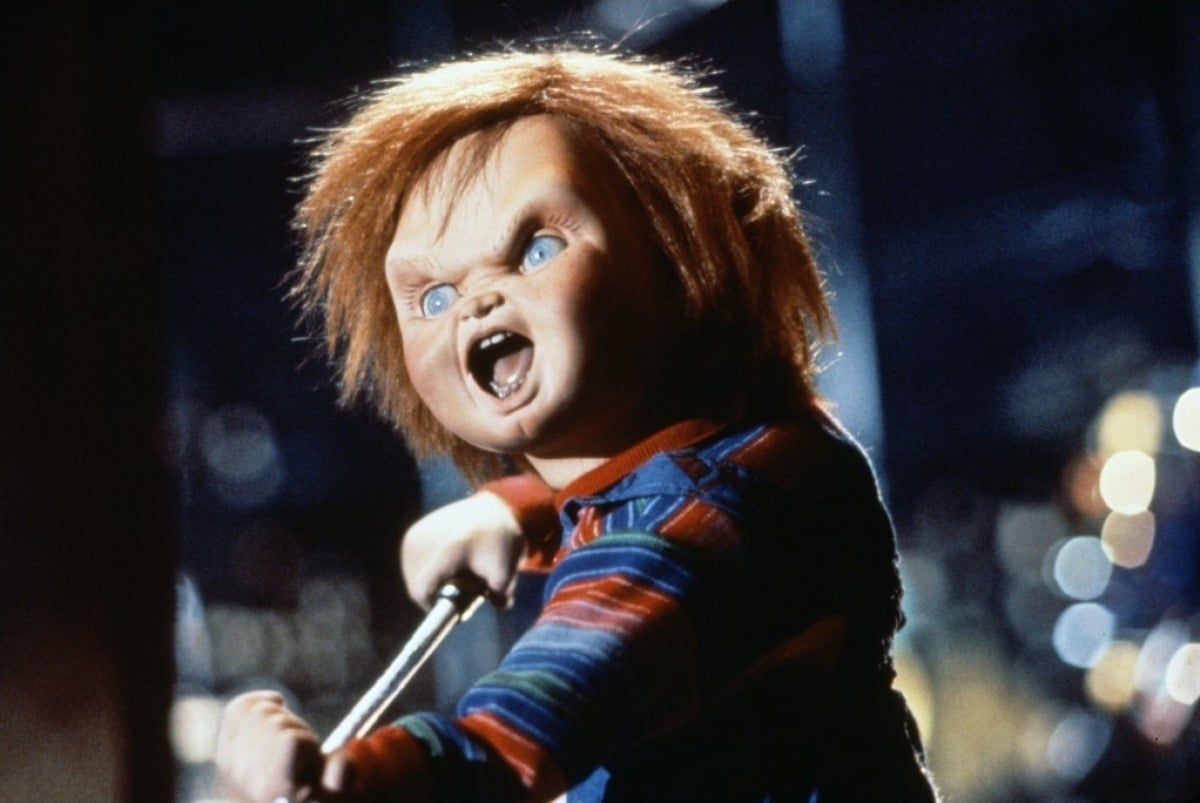
The implications of this "loose connection" are significant. It raises questions about which characters might feature prominently in the new film. Will the focus remain squarely on Chucky himself, potentially sidelining characters like Tiffany Valentine, Glen, and Glenda? Such a move could allow for a more concentrated exploration of Chucky’s core persona and motivations, while simultaneously setting the stage for the eventual reintroduction of beloved supporting characters, thereby generating anticipation among fans. Alternatively, the "loose connection" might allow for the integration of certain characters or plot threads from the series finale in a less overt manner, ensuring a sense of progression without overwhelming new viewers.
The Enduring Appeal of Chucky
The Child’s Play franchise’s longevity is a testament to its innovative premise and the compelling nature of its antagonist. Charles Lee Ray’s transformation into Chucky, a killer doll animated by dark magic, provided a unique blend of horror and dark humor that has captivated audiences since 1988. The character’s ability to adapt and evolve across different eras and storytelling approaches—from the straightforward slasher elements of the early films to the meta-commentary of Seed of Chucky and the serialized drama of the Chucky series—has ensured his continued relevance.
The franchise has consistently explored themes of identity, family, and the cyclical nature of violence, often through the lens of Chucky’s own fractured existence and his attempts to find a permanent vessel. The introduction of characters like Tiffany, his equally lethal bride, and their children, Glen and Glenda, further complicated these dynamics, adding layers of familial dysfunction to the horror. The Chucky television series, in particular, excelled at bringing these complex relationships and long-standing grudges to the forefront, creating a rich tapestry of interconnected narratives.
The decision to pursue a new theatrical film after the success of the television series indicates a strategic recognition of the franchise’s enduring appeal on both small and large screens. While the exact narrative direction remains under wraps, the commitment to maintaining canon while initiating a fresh approach suggests a thoughtful evolution of the Child’s Play universe. This strategy is crucial for engaging both long-time fans and attracting new audiences to a franchise that has consistently defied expectations.
Broader Context and Franchise Trends
Mancini’s announcement arrives at a time when many established horror franchises are grappling with the challenge of maintaining narrative integrity while also seeking to innovate. The Scream and Halloween franchises, for instance, have recently navigated the complexities of continuing their sagas, often with varying degrees of success in balancing legacy with fresh material. The Child’s Play franchise’s consistent approach to continuity, spearheaded by its original creator, offers a compelling case study in how to manage a long-running series without alienating its core audience or becoming creatively stagnant.
The success of the Chucky television series, which demonstrated a strong audience appetite for serialized horror narratives featuring established characters, likely played a significant role in greenlighting a new film. This trend suggests a growing demand for character-driven horror that allows for deeper exploration of motivations and relationships over extended periods. Mancini’s ability to weave together decades of lore into a coherent and entertaining television experience demonstrates his mastery of the Child’s Play universe.
The implications of this new film extend beyond just continuing Chucky’s story. It signals a potential resurgence of the character in mainstream cinema, a platform that has historically been instrumental in defining and popularizing horror icons. The "loose connection" to the series finale also suggests an awareness of the evolving media landscape, where the lines between film and television are increasingly blurred, allowing for more fluid storytelling across different platforms.
As Don Mancini embarks on this new chapter, the Child’s Play franchise stands poised to continue its reign as one of horror’s most resilient and adaptable sagas. The anticipation for what Chucky will do next, and how his familiar, terrifying persona will be re-contextualized within a new cinematic framework, is palpable among horror enthusiasts worldwide. The promise of a canon-maintained reboot suggests a future where the little killer doll will continue to haunt our nightmares for years to come.