Fairytales, often dismissed as mere children’s fables, serve as profound conduits for societal values, moral education, and even philosophical inquiry. They present intricate worlds that not only offer escapism but also serve as crucibles for questioning established norms and exploring the human psyche. These narratives grapple with fundamental paradoxes: why do virtuous individuals endure hardship or parental neglect? How does one navigate a world where magic dictates power, reward, and punishment? And, in a particularly poignant inversion, why might a divine being face retribution for a conflict ignited by human interpretations of her very identity?
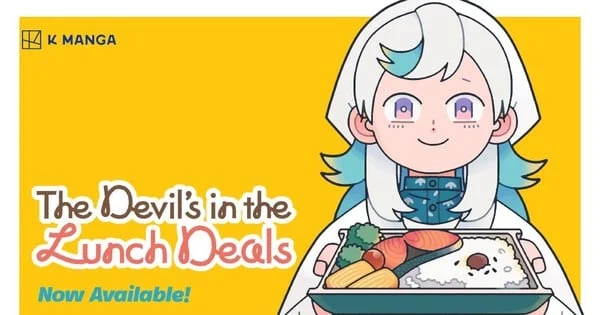
This is the central premise of the compelling narrative that unfolds around the goddess Solange, now living among mortals as Lainey. Stripped of her divine status and forced to confront the consequences of a war waged in her name, Solange’s punishment is not one of eternal torment, but a demotion to human existence. Her new reality is shared with Daria, a gifted yet profoundly anxious singer performing in a local inn. Lainey, far from seeking to reclaim her celestial powers, approaches her penance with a sincere desire to contribute positively to the lives of those around her. Her rediscovered, albeit limited, divine ability to heal a minor injury brings her a quiet sense of satisfaction, a tangible affirmation of her commitment to this new path.
The catalyst for significant plot development arrives unexpectedly when Lainey, in her capacity as a benevolent caregiver, prepares a meal for the King’s brother. This seemingly simple act inadvertently disrupts the established order, drawing the attention of the reclusive King of the North. Discovering that sustenance of exceptional quality exists beyond the confines of his castle, the King becomes consumed by a fervent desire to experience it. In a move that sets the stage for further intrigue, he embarks on a discreet journey, accompanied by a trusted retainer, to sample this rumored culinary marvel. Their clandestine excursion leads them to an encounter with a goddess, though their ignorance of her true nature renders the meeting a subtle dance of mistaken identities.
This narrative turn highlights a fascinating cultural phenomenon observed in the world of food-centric manga and comics. Japanese creators exhibit an almost unparalleled passion for their cuisine, meticulously detailing the preparation and enjoyment of dishes. The artistry dedicated to depicting a simple bento box, for instance, can be both painstaking and exquisite, often receiving more narrative emphasis than the sparsely rendered settings and architectural elements. This dedication suggests a deeper cultural significance attached to food, not merely as sustenance, but as an art form and a vessel of tradition.
The artistic style employed in this particular narrative, while described as simplistic and unadorned, possesses a unique efficacy. It diverges from the intricate linework of artists like Takako Shimura, favoring a broader application of screentones and a less realistic aesthetic. While initially appearing unpracticed, the art occasionally achieves moments of profound meaning, hinting at a deliberate artistic intent that may still be in development. This understated visual approach complements the story’s thematic focus on the essential rather than the ornate.
At its core, the comic is deeply interwoven with the concept of storytelling itself. Fairytales, cautionary tales, and expository narratives coalesce to illuminate not only the characters’ pasts but also to shape their present circumstances. Every individual – be they a monarch, a fallen deity, or a socially awkward singer-songwriter – is ensnared within their own unique narrative arc. These individual stories, initially distinct, begin to converge, their paths intertwining in an increasingly complex tapestry. The ultimate destination of these interwoven narratives remains shrouded in mystery, as does the precise impetus for their convergence. Yet, even in these early chapters, it is evident that these characters were destined to meet. This intersection is particularly vital for a goddess, even one who has seemingly abdicated her divine duties to focus on preparing humble lunches. A crucial piece of lore is introduced: a deity risks fading from existence if they are forgotten, their stories no longer told. Solange’s inquiry about a deity of the South reveals a stark reality: the South no longer venerates its gods, and her friend has consequently ceased to exist. This revelation underscores the precarious nature of divine existence and the profound impact of collective memory and belief.
The narrative deliberately eschews conventional foreshadowing and prophecies. There are no glimpses into clandestine royal councils or diplomatic negotiations that might offer clues to future events. This deliberate lack of predictive elements positions the unknown as a significant character in itself. Lainey frequently references the concept of "gaps" – voids in human experience that can give rise to monstrous entities. Her bento boxes, meticulously arranged, are presented as a form of tangible meditation, an effort to fill these existential voids. The people surrounding Lainey are revealed to have their own internal gaps, and as her own story unfolds, the reader discovers that Lainey, too, harbors her own. When confronted by another divine being, Lainey finds solace not in asserting her former power, but in embracing the human-shaped gaps within her own existence. These voids, she discovers, are filled with the presence and support of her newfound friends. This represents a profound choice made by a goddess facing an uncertain future, a deliberate act of self-definition as a small, unassuming human.
The narrative intentionally leaves numerous gaps, inviting the reader to participate in their potential resolution as the story progresses. This approach to worldbuilding, characterized by deliberate omissions, encourages active engagement and reflection on the fundamental ways in which stories about ourselves and our societies function.
The future for Lainey and the other characters remains largely unwritten, characterized by an abundance of narrative gaps. However, these voids are also fertile ground for possibilities. Lainey, for her part, appears un daunted by whatever lies ahead. Her commitment to her penance and her embrace of a fully human existence, lived amongst other humans, are unwavering. What is certain is Lainey’s intrinsic enjoyment of creating bento boxes. The act of arranging elements to fill voids provides a unique sense of order, a tangible manifestation of her desire to create harmony.
This distinctive tale, featuring an exiled goddess of death who finds purpose and perhaps redemption in crafting exquisite food and performing acts of kindness as penance for her divine nature, is both peculiar and captivating. It challenges conventional notions of divine retribution and the very essence of existence, offering a unique and thought-provoking exploration of identity, consequence, and the enduring power of human connection. The narrative’s willingness to explore the uncomfortable truths often relegated to the shadows of fairy tales—the inherent unfairness, the complexities of identity, and the profound impact of being forgotten—lends it a maturity and depth that resonates long after the final page.