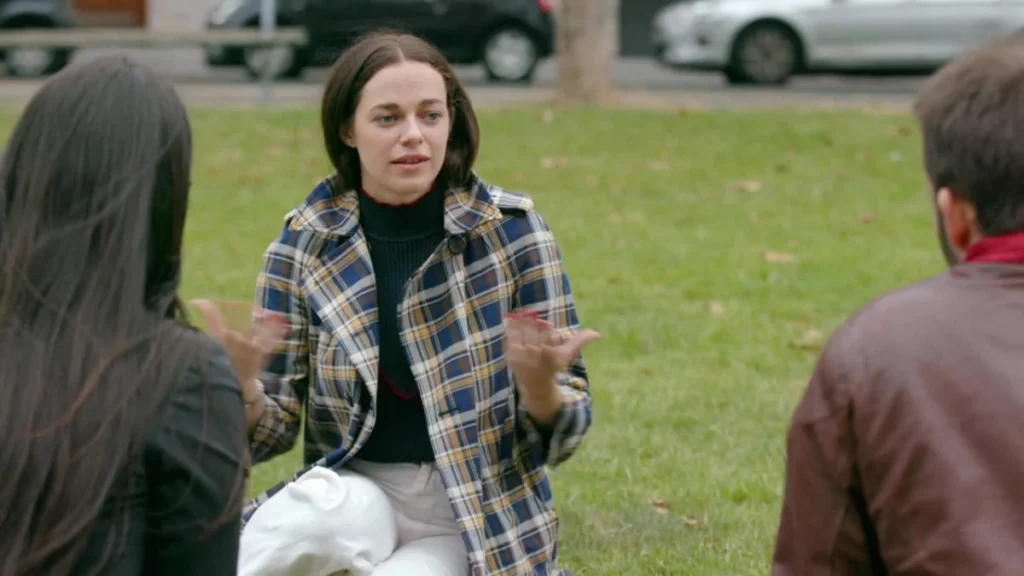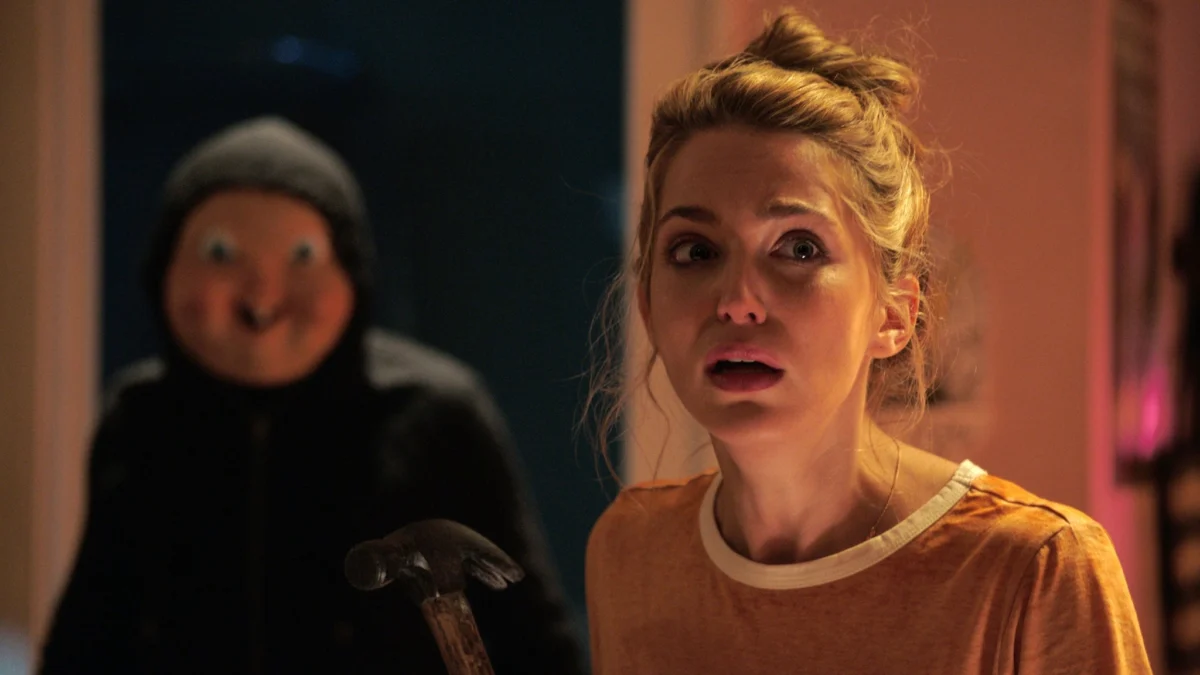
The enduring appeal of the time-looping slasher franchise Happy Death Day continues to resonate with a fervent fanbase, fueling persistent calls for the long-anticipated third installment. The series, which centers on the journey of college student Tree Gelbman as she repeatedly relives the day of her murder, has cultivated a devoted following since its 2017 debut, with many eager to see the narrative arc reach its intended conclusion. Both lead actress Jessica Rothe and director Christopher Landon have consistently expressed their desire to complete the trilogy, yet the project remains in developmental limbo, prompting renewed discussions about its potential future.
A Premise That Stuck: The Birth of a Slasher Phenomenon
The original Happy Death Day, released in October 2017 by Blumhouse Productions and Universal Pictures, introduced audiences to Tree Gelbman, a self-centered sorority sister who finds herself trapped in a Groundhog Day-esque nightmare. Each death she experiences resets the clock, forcing her to confront her own mortality and unravel the mystery of her killer’s identity. The film’s clever blend of horror, comedy, and a compelling whodunit structure proved to be a significant commercial success. Directed by Christopher Landon, known for his work on the Paranormal Activity franchise and Scouts Guide to the Zombie Apocalypse, the film defied expectations, grossing over $125 million worldwide against a modest production budget of $4.8 million. This critical and commercial triumph immediately set the stage for a potential franchise.
The sequel, Happy Death Day 2U, arrived in February 2019, shifting the narrative’s focus to explore the scientific implications of the time loop. While still retaining elements of its predecessor’s charm and horror, the sequel delved deeper into science fiction concepts, introducing alternate realities and a more complex plot. Directed again by Landon and starring Jessica Rothe, the film achieved a global box office of approximately $64 million. While this figure represented a decrease from the first film, it was still considered a respectable performance, particularly given the increased scope and ambition of the sequel.
The Trilogy Vision: A Director’s and Star’s Enduring Commitment
From the outset, Christopher Landon harbored ambitions for a three-film arc. He envisioned Happy Death Day as a trilogy that would not only explore Tree’s personal growth and her confrontation with her killer but also delve into the broader consequences and mechanics of the time-loop phenomenon. This narrative ambition was a key factor in the franchise’s initial appeal and remains a driving force behind the continued desire for a conclusion.
Jessica Rothe, whose portrayal of Tree Gelbman has been central to the franchise’s success, has consistently voiced her enthusiasm for returning to the role. Her performance, which evolved from an initially unlikable protagonist to a resourceful and determined survivor, resonated deeply with audiences. Rothe’s commitment to finishing Tree’s story has been a recurring theme in discussions about the potential third film.
In a 2020 interview with Syfy Wire, Landon explicitly stated his desire to make a third film, remarking, "I want it, Jessica Rothe wants it." This sentiment was echoed by Rothe in more recent statements, demonstrating an unwavering dedication from both key creative forces behind the project.
Renewed Hope and Logistical Hurdles
The conversation surrounding Happy Death Day 3 has experienced a resurgence in early 2024, primarily driven by Jessica Rothe’s latest comments. In an interview with Screen Rant, Rothe provided an update on the status of the sequel, shedding light on the current challenges and her steadfast resolve.
"The truth is, Chris Landon – our brilliant, fearless writer-director – he has the whole third one figured out," Rothe stated, reaffirming Landon’s creative vision. She elaborated on the primary obstacle, explaining, "I think, at this point, it’s just logistics." This suggests that the creative blueprint is largely in place, but the practicalities of production, including scheduling, financing, and studio backing, are the current stumbling blocks.
Rothe’s commitment extended beyond mere professional obligation. She expressed a deep personal connection to the character and the story, drawing parallels to other long-standing horror icons. "All I’ll say to you and to all the fans is, whether it’s next year or when I’m 65, pulling a Jamie Lee Curtis coming back for Halloween, I will be there to finish Tree’s story," she declared. This analogy to Jamie Lee Curtis’s iconic return as Laurie Strode in the Halloween franchise underscores Rothe’s dedication and the potential for a significant time jump if necessary, highlighting the enduring legacy of her character.
Rothe concluded her remarks with a hopeful but pragmatic outlook: "It’s just a matter of when they get all their ducks in a row." This sentiment reflects the often-complex nature of film production, where even well-developed projects can face delays due to a myriad of external factors.
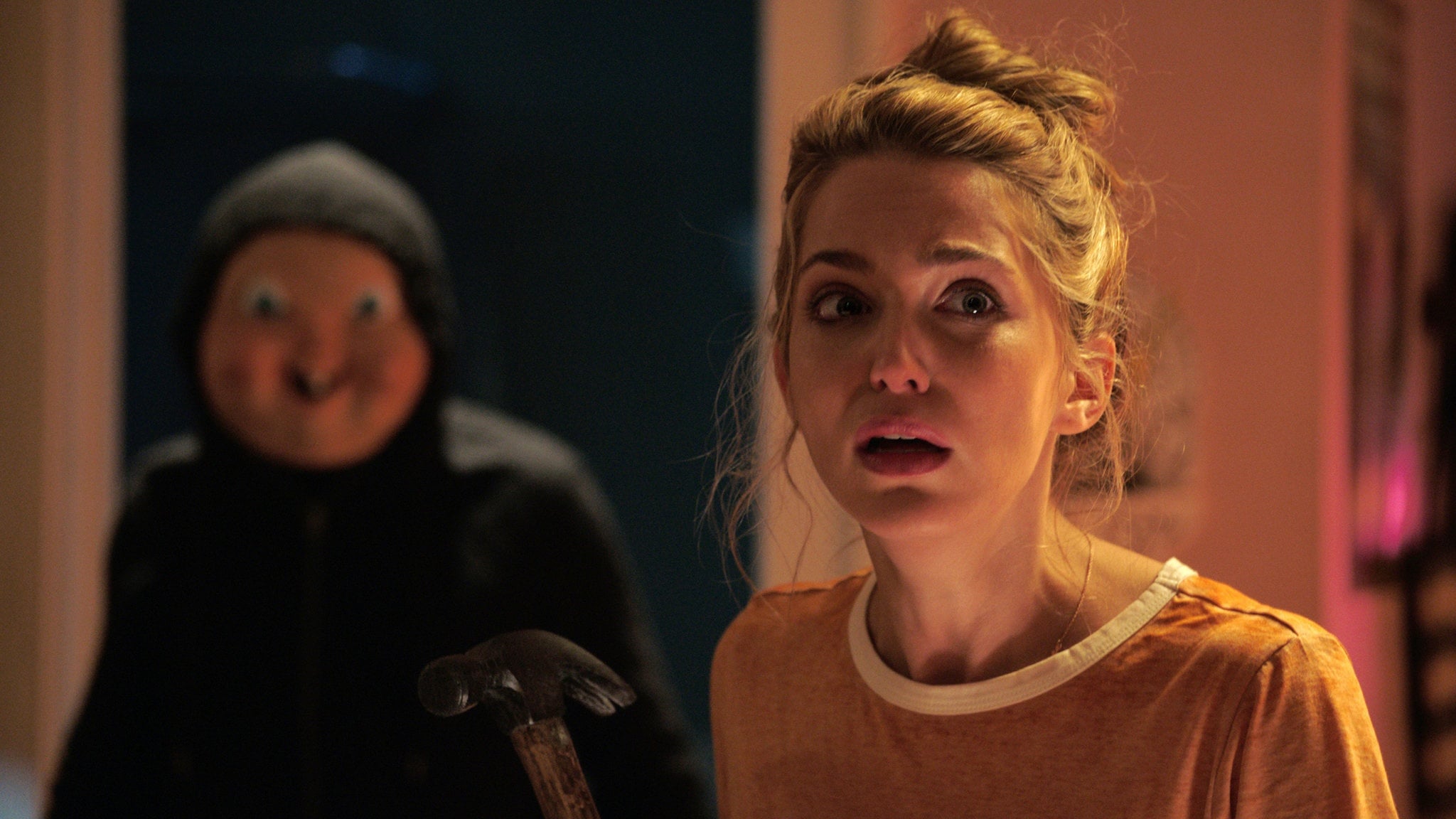
The Fanbase’s Unwavering Advocacy
The passionate fanbase for Happy Death Day has been a significant factor in keeping the conversation alive. Social media platforms are frequently abuzz with discussions, fan theories, and pleas directed at Blumhouse and Universal Pictures to greenlight the third film. The consistent engagement from fans serves as a clear indicator of market interest and provides a compelling argument for studios to invest in the project.
The success of the first film, particularly its ability to capture a broad audience through its genre-bending approach, established a strong foundation for franchise loyalty. The unique premise, coupled with Rothe’s relatable and evolving performance, created a memorable cinematic experience that fans are eager to revisit. The desire for closure on Tree’s narrative journey, especially after the cliffhanger-esque nature of some plot threads in the second film, further fuels this advocacy.
Analyzing the Implications: Beyond the Box Office
The potential realization of Happy Death Day 3 carries several implications, both for the franchise itself and for the broader landscape of modern horror cinema.
Creative Completion and Narrative Arc: For fans and the creative team, the primary implication is the opportunity to bring Tree Gelbman’s story to a satisfying conclusion. The vision for a trilogy suggests a deliberate narrative arc that was intended to unfold over three films. Completing this arc would allow for a more comprehensive exploration of the themes introduced, the character development of Tree, and the resolution of the narrative mysteries.
Blumhouse’s Track Record: Blumhouse Productions has built a reputation for successfully reviving and revitalizing horror franchises. Their model of producing commercially viable films with relatively contained budgets has allowed them to take risks on unique concepts and cult favorites. The Happy Death Day franchise aligns perfectly with this strategy. A third installment could further solidify Blumhouse’s standing as a powerhouse in modern horror.
The Longevity of the Time-Loop Subgenre: The Happy Death Day films have played a significant role in popularizing the time-loop subgenre within horror. While not the first to utilize this trope (films like Groundhog Day and Edge of Tomorrow are notable examples), its application in a slasher context was innovative. The success of Happy Death Day has paved the way for other films and series to explore similar narrative structures, demonstrating its viability and audience appeal. A conclusive third film would serve as a definitive statement on the genre’s potential.
Franchise Potential and Future Iterations: If Happy Death Day 3 proves to be a success, it could open doors for further exploration of the Happy Death Day universe. While the focus has been on Tree’s story, the established mechanics of time loops and alternate realities could lend themselves to spin-off stories or even a soft reboot with new characters. However, the immediate priority remains the completion of the existing narrative.
Economic Considerations: The financial performance of Happy Death Day 2U was a factor in the delay of the sequel. While the first film was a massive hit, the second film’s performance, though not a failure, indicated a potential decline in broad audience appeal or a shift in expectations. For Happy Death Day 3 to move forward, a compelling business case would need to be presented, likely involving a reevaluation of marketing strategies, budget considerations, and release timing to ensure commercial viability.
The Path Forward: A Glimmer of Hope
Despite the ongoing delays, the consistent enthusiasm from both Jessica Rothe and Christopher Landon, coupled with the unwavering support of the fanbase, suggests that the dream of Happy Death Day 3 is far from extinguished. The current challenge appears to be navigating the complex logistical and financial realities of Hollywood.
As Rothe’s recent statement indicates, the creative foundation is solid. The question now lies in whether the studios involved can align the necessary resources and schedules to bring this highly anticipated conclusion to fruition. For fans who have been eagerly awaiting Tree Gelbman’s final chapter, the persistent echo of "Happy Death Day" serves as a constant reminder that hope, much like a time loop, can endure. The ultimate success of the trilogy hinges on these logistical pieces falling into place, allowing a beloved horror character to finally find her resolution.