Alice Maio Mackay, the prodigious Australian filmmaker, has solidified her position as a compelling voice in contemporary cinema with her latest feature, The Serpent’s Skin. The film has enjoyed a triumphant run on the international festival circuit, earning accolades from London to Montreal, marking a significant milestone in Mackay’s already prolific career. At just 21 years old, Mackay has completed seven features, an extraordinary feat that underscores her relentless creative drive and distinctive artistic vision. The Serpent’s Skin exemplifies this vision, presenting a supernatural romance that deftly blends genre thrills with a deeply personal queer narrative, resonating with audiences and critics alike.
A Prolific Visionary’s Ascendant Journey
Alice Maio Mackay’s rapid ascent in the independent film world is a testament to her unique storytelling capabilities and her unwavering commitment to bringing underrepresented narratives to the screen. Before reaching the age of 22, Mackay’s filmography boasts a remarkable seven features, a pace that few filmmakers, regardless of age, can match. This prolific output highlights a rare combination of artistic maturity and youthful energy, allowing her to continually experiment with themes and styles. Her work, often characterized by its distinctive DIY aesthetic and a fearless exploration of queer identities within genre frameworks, has carved out a vital niche in the indie landscape. Films such as Carnage for Christmas and her earlier, critically noted genre pieces have established her as a filmmaker keenly attuned to the anxieties and aspirations of her generation, particularly within the LGBTQ+ community. The Serpent’s Skin represents a culmination of these experiences, propelling her unique vision to a broader audience than ever before. Its success on the festival circuit, including its much-anticipated American premiere at the esteemed Alamo Drafthouse in downtown Brooklyn, underscores a growing appetite for stories that challenge conventional genre boundaries while prioritizing authentic representation.
Deconstructing The Serpent’s Skin: A Blend of Magic and Modernity
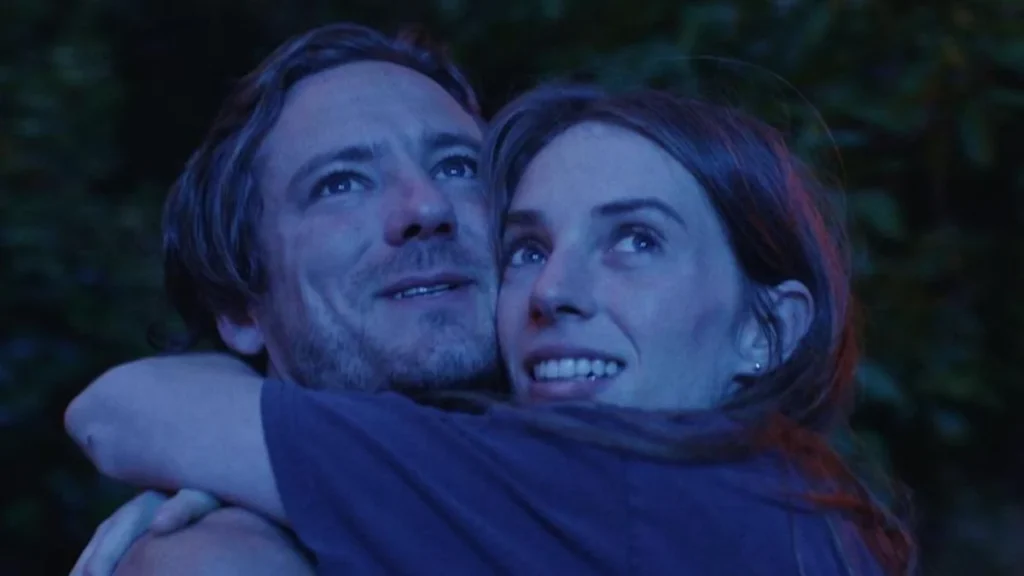
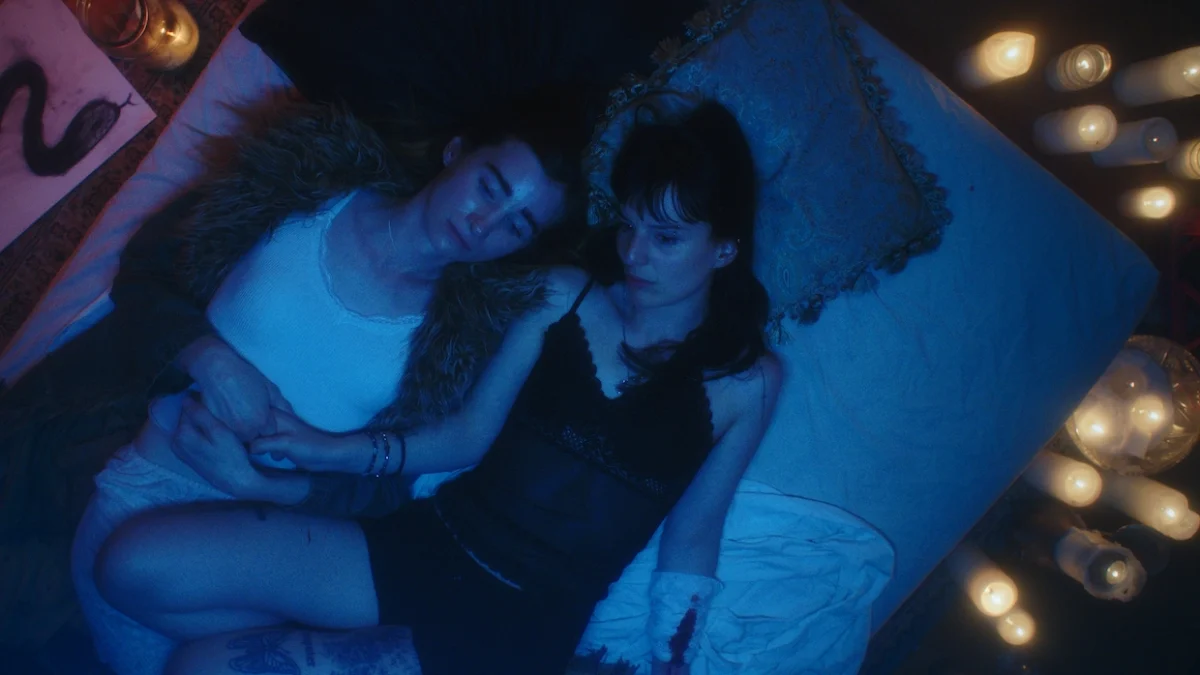
At its heart, The Serpent’s Skin is an enchanting supernatural romance centered on two queer women, Anna (portrayed by Alexandra McVicker) and Jen (played by filmmaker Avalon Fast). Anna, new to town and somewhat naive, finds herself drawn to Jen, a mysterious goth tattoo artist. Their burgeoning connection deepens as they discover a shared magical power, thrusting them into a battle against a malevolent demon. This entity has possessed Danny (Jordan Dulieu), the charming yet complicated alt-boy-next-door whom Anna has recently friend-zoned. The film’s narrative expertly weaves elements of classic teen supernatural dramas with a fresh, explicitly queer perspective, offering a compelling update to a beloved genre.
Mackay’s intentionality in centering queer characters and relationships is a cornerstone of The Serpent’s Skin. Unlike earlier genre staples that often relegated queer narratives to subtext or peripheral subplots—a common criticism leveled at foundational shows like Buffy the Vampire Slayer regarding characters like Willow—Mackay places queerness firmly at the narrative’s forefront. This shift from subtext to text is not merely a cosmetic change but a fundamental re-imagining of the genre, allowing for richer character development and more resonant themes for LGBTQ+ audiences. The love triangle, a common trope in teen dramas, is here subverted and explored through a uniquely queer lens, offering a fresh dynamic that challenges traditional romantic archetypes.
Furthermore, Mackay’s choice of antagonist in The Serpent’s Skin offers a pointed commentary on contemporary social dynamics. Eschewing the overtly bigoted male villains found in some of her previous works, Mackay introduces Danny as a "2000s white boy who’s super progressive but also kind of embodies toxic masculinity." This characterization is a nuanced critique of performative allyship and the subtle ways in which patriarchal attitudes can persist even within seemingly progressive individuals. By making the demon possess such a figure, Mackay cleverly externalizes and amplifies these insidious forms of toxicity, presenting a villain that feels both supernatural and deeply rooted in real-world observations. This approach elevates The Serpent’s Skin beyond a simple genre romp, imbuing it with relevant social commentary without sacrificing its entertainment value.
A Collaborative Spirit: The Indie Film Ecosystem
Alice Maio Mackay’s success is not solitary but deeply embedded within a vibrant and collaborative network of queer indie filmmakers. Her frequent partnerships are a hallmark of her creative process, fostering a supportive ecosystem that pushes boundaries and amplifies diverse voices. Key collaborators on The Serpent’s Skin include Avalon Fast, a Canadian lo-fi maverick who not only stars in the film but also brings her own unique artistic sensibilities to the project. Vera Drew, celebrated for her work on The People’s Joker, took on the role of editor, lending her distinctive touch to the film’s pacing and narrative flow. Mackay also maintains connections with figures like Louise Weard, director of Castration Movie, in whose durational films Mackay has acted, demonstrating a reciprocal creative exchange. Additionally, Annapurna Sriram, known for Fucktoys, is set to act in Mackay’s next project, illustrating the continuous cross-pollination of talent within this tight-knit community. This collaborative model is crucial for independent filmmakers, allowing for resource sharing, artistic growth, and a collective challenge to mainstream film structures. It underscores the power of community in fostering innovation and resilience within the often-demanding landscape of indie cinema.
Artistic Tapestry: Weaving Influences from Stage to Song

Mackay’s diverse artistic background profoundly informs her filmmaking. She reveals a deep-seated passion for theater, admitting a preference for it over film and detailing her past as a "theater kid" who attended music school specializing in the bassoon. Though she no longer plays the bassoon, her musical aptitude extends to piano and guitar, and she was a competitive dancer from ages eight to fourteen, studying ballet, tap, and contemporary dance. These formative experiences in structured artistic disciplines lend a distinct sensibility to her cinematic work. She notes that the conversational scenes in The Serpent’s Skin, particularly the poignant rooftop finale, felt "very theatrical," often rehearsed like a play before shooting. This emphasis on dialogue, character interaction, and dramatic staging harks back to her stage roots, imbuing her films with a compelling intimacy and emotional directness.
Music, in particular, plays an integral role in Mackay’s creative process. She is an avid listener, crafting character playlists and using specific "temp music" during editing. Her influences range from pop icons like Madonna (whose image adorns a large tattoo on her arm) and Kylie Minogue—artists she affectionately refers to as providing "classic gay music"—to the unexpected operatic rock of Meatloaf. For The Serpent’s Skin, Meatloaf’s "Bat Out of Hell" trilogy served as a primary inspiration. Mackay highlights the "operatic nature" of Meatloaf’s work, a quality she also connects to the theatricality of Charmed. This fusion of bombastic rock anthems with the heightened drama of a supernatural narrative creates a unique sonic and emotional landscape for her film, underpinning the grand romantic and fantastical elements. The deliberate integration of music from conception through post-production is a testament to her holistic approach to filmmaking, where sound and image are inextricably linked in storytelling.
Before her foray into filmmaking, Mackay harbored ambitions of becoming a novelist. This literary foundation is evident in her unique writing process, where she first develops her stories in a narrative format—akin to a novel—before translating them into screenplays with her co-writer, Benjamin Pahl Robinson. This method suggests a deep investment in character backstories, intricate plot development, and thematic richness that might be less pronounced in films conceived purely for the screen. It allows for a layered storytelling approach, promising a depth that resonates beyond the visual spectacle.
Nostalgia, Reinvention, and the Y2K Revival
The Serpent’s Skin is deeply inspired by 1990s teen witch media, particularly television shows like Buffy the Vampire Slayer and Charmed. These programs, alongside others like 90210 and Dynasty, served as crucial forms of escapism for Mackay during her childhood. The early 2000s also saw a "boom" in supernatural young adult literature, with franchises like Twilight, Beautiful Creatures, and The Mortal Instruments captivating a generation. Mackay’s film is a conscious callback to this era, but with a critical and evolutionary twist. She openly acknowledges the problematic aspects of some of these older productions, particularly those associated with figures like Joss Whedon. While appreciating the "cool characters," she aimed to address what "doesn’t feel right," particularly the lack of explicit queer representation.
Her approach is not one of simple nostalgic replication but rather a reinterpretation that brings the "queerness of it" from subtext into the text. This is a crucial distinction in the current landscape of media, where many reboots and revivals simply repackage old intellectual property. Mackay, instead, extracts the "feelings" she experienced watching those shows and filters them through a contemporary, explicitly queer lens. This makes The Serpent’s Skin part of a broader cultural moment, as evidenced by films like Jane Schoenbrun’s I Saw the TV Glow, which also taps into the Y2K/early aughts aesthetic and its profound impact on queer individuals. While Mackay notes that her film isn’t necessarily "in conversation" with Schoenbrun’s in terms of direct influence, she appreciates the shared inspiration and the distinct tonal differences between their works.
The resurgence of interest in the Y2K and early aughts era, particularly its television landscape, holds significant appeal for queer filmmakers and audiences. This period, often characterized by its unique blend of nascent digital culture, evolving social norms, and a distinct visual style, offered a space for many who didn’t fit into traditional molds to find echoes of their experiences, even if implicitly. Mackay’s nuanced view on nostalgia—acknowledging its potential pitfalls while harnessing its power for emotional resonance—allows her to create work that feels both familiar and groundbreaking.
Production Insights and Broader Implications
During the filming of The Serpent’s Skin, Mackay found particular enjoyment in shooting the intimate conversations between the two main characters, especially the culminating rooftop scene. These scenes, feeling "very theatrical" and rehearsed like a play, highlight her directorial preference for character-driven moments and strong dialogue, directly connecting to her extensive background in performance arts. This focus on authentic emotional exchange contributes significantly to the film’s warmth and sharp wit, making the supernatural elements feel grounded in relatable human experience.
The successful festival run and increasing theatrical presence of The Serpent’s Skin signify more than just personal triumph for Alice Maio Mackay; they indicate a shifting tide in the film industry. There is a clear and growing audience for genre films that are explicitly queer, emotionally intelligent, and produced with a distinctive independent spirit. Mackay’s consistent output and her ability to weave complex themes with accessible narratives position her as a vital voice pushing the boundaries of what queer cinema can be. Her work challenges existing tropes, offers fresh perspectives on representation, and demonstrates the power of authentic storytelling. As she continues her prolific career, Alice Maio Mackay stands as a beacon for a new generation of filmmakers, promising a future where genre entertainment is as diverse and inclusive as the audiences it seeks to captivate.