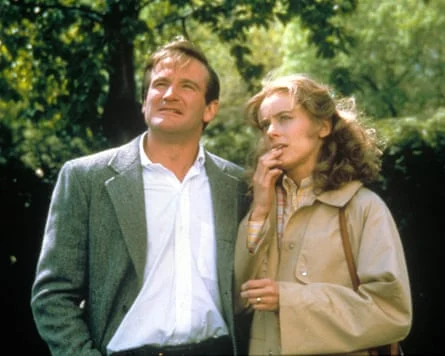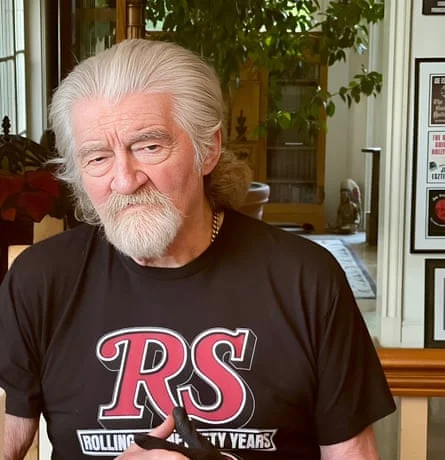
Joe Eszterhas, a name synonymous with the high-octane, provocative cinema of the late 20th century, is making a determined return to the Hollywood spotlight. Once lauded as a "living legend" and even playfully compared to Shakespeare by Time magazine, Eszterhas, now 81, is aiming to recapture the zeitgeist with a reboot of his most infamous creation, "Basic Instinct." The screenwriter, known for penning blockbusters like "Jagged Edge" and co-scripting the iconic "Flashdance," famously commanded a then-record $3 million for the "Basic Instinct" screenplay, a testament to his commanding presence and the immense commercial appeal of his work. However, his ascent was as rapid as his subsequent struggles, marked by a period of excess that nearly derailed his career. Now, from his home in Cleveland, Ohio, Eszterhas is once again ready to stir the pot, armed with a new script and an unwavering belief in the enduring power of his provocative storytelling.
The Meteoric Rise and Dramatic Fall of a Hollywood Maverick
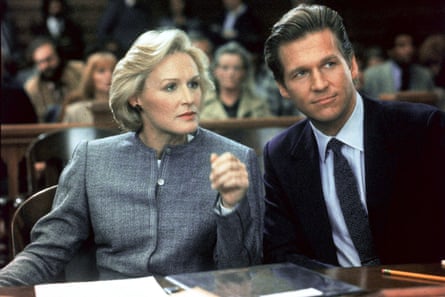
Eszterhas’s early career was defined by a sharp, commercial sensibility that translated into undeniable box office success. "Jagged Edge" (1985) redefined the legal thriller, while "Flashdance" (1983), which he co-scripted, became a cultural phenomenon, blending aspirational themes with a groundbreaking visual style. The pinnacle of his early commercial triumph was undoubtedly "Basic Instinct" (1992). The erotic thriller, starring Sharon Stone as the enigmatic and dangerous Catherine Tramell, was a cultural lightning rod, lauded for its daring exploration of sexuality and suspense, while simultaneously drawing fierce criticism for its perceived misogyny and graphic content. The film’s success was amplified by the controversy it generated, cementing Eszterhas’s reputation as a writer who wasn’t afraid to push boundaries.
His ability to craft high-concept, audience-grabbing narratives made him one of Hollywood’s most sought-after screenwriters. He didn’t just write scripts; he crafted brands. However, the immense success and the accompanying lavish lifestyle took their toll. Eszterhas himself has openly spoken about the destructive influence of cocaine and alcohol during his peak years, acknowledging that these substances "weren’t helping my creativity, they were holding it back." This period of self-destruction, intertwined with his professional zenith, serves as a stark reminder of the precarious balance between creative genius and personal well-being in the high-pressure environment of Hollywood. The industry, which had once celebrated him, saw him teeter on the brink of professional oblivion.

A Second Act: The "Basic Instinct" Reboot and its Controversial Label
After a hiatus and a personal battle with throat cancer, which left him with a gravelly voice, Eszterhas is embarking on a new chapter. He has reportedly secured a significant deal with Amazon MGM Studios for a reboot of "Basic Instinct," receiving $2 million upfront with the potential for another $2 million upon completion of the film. Eszterhas is confident about the project’s prospects, asserting, "There’s a great demand for it. It’s trending all the time."
The original "Basic Instinct" was a box office behemoth, grossing over $352 million worldwide against a reported budget of $30 million, and its legacy is one of both immense popularity and intense debate. It was famously picketed by activist groups like Labia, a lesbian and bisexual activist organization, and condemned by the National Organization for Women as "the most blatantly misogynistic film in recent memory." Eszterhas, who has always seemed to relish a public debate, appears ready to reignite such discussions.
His description of the reboot as "anti-woke" has immediately placed the project within the current Hollywood culture wars. This label suggests a deliberate departure from what some perceive as the industry’s increasingly progressive and politically correct landscape. This positioning aligns with a broader trend in entertainment, where certain productions are actively seeking to cater to audiences who feel alienated by perceived liberal biases in mainstream media. The timing of this announcement is notable, coming amidst a period where political figures have publicly championed certain film productions, and significant financial investments are being made in documentaries with politically charged themes. This raises the question of whether Eszterhas’s new "Basic Instinct" could become a political football, co-opted by various factions in the ongoing cultural discourse.
Eszterhas acknowledges the potential for his work to be drawn into political arenas. "Yeah, there’s a danger," he admits. However, he attempts to distance himself from direct involvement, stating, "If you move to Cleveland, live beside a little lake and just go into your room to make stuff up, that danger diminishes. I mean, your work may become a political football, but you don’t have to be involved in it." This strategy suggests a desire to focus on the creative process while acknowledging the inevitable external interpretations of his art.

A Script of Intrigue: Plot and Potential Direction
Eszterhas’s new script for "Basic Instinct" is said to move beyond the original’s focus on a seductive killer, incorporating elements of the supernatural and exploring a new narrative arc involving copycat serial killers. While the original film was a neo-noir psychological thriller, the inclusion of supernatural elements hints at a potential shift in genre, possibly aiming for a more contemporary and fantastical interpretation of suspense.
Crucially, Eszterhas has expressed his desire to bring director Emerald Fennell, known for her critically acclaimed and controversial films "Promising Young Woman" and "Saltburn," onto the project. He stated, "The producers are negotiating with a really interesting director – a Brit, Emerald Fennell – who did ‘Promising Young Woman’ and ‘Saltburn.’ Her sensibility is exactly right. She’s someone who is not afraid of controversy and sexuality. So I’m thrilled by that. I hope it works out." Fennell’s directorial style, characterized by its sharp wit, exploration of female rage, and willingness to court controversy, would indeed align with Eszterhas’s stated intentions for a provocative and boundary-pushing film. However, representatives for Fennell have reportedly denied any involvement in the project at this time, leaving the director’s potential participation uncertain.
The Unforeseen Hurdles: Sharon Stone’s Firm Rejection
Despite Eszterhas’s optimism and his clear vision for the reboot, a significant obstacle has emerged: Sharon Stone, the iconic star of the original "Basic Instinct," has publicly and unequivocally rejected any involvement in a new iteration of the film. In a statement last August, Stone declared, "There’s not going to be a Basic Instinct reboot. I hate to break it to you, but Joe Eszterhas couldn’t write himself out of a Walgreens drug store." This scathing rebuke not only dismisses the reboot but also directly attacks Eszterhas’s writing capabilities, stemming from what appears to be a deep-seated disagreement or disillusionment with the direction of the project. Stone’s direct involvement was a key element of the original film’s success, and her absence, coupled with her public disapproval, presents a formidable challenge to the reboot’s prospects.
A Life Story of Resilience and Echoes of the Past
Eszterhas’s personal journey is as compelling and dramatic as any of his screenplays. Born in war-torn Hungary in 1944, he experienced life as a refugee, eventually arriving in the United States as a young immigrant. This early life profoundly shaped his perspective, instilling in him a deep empathy for the marginalized and a keen awareness of injustice. As a young reporter in the late 1960s and early 1970s, he covered the Kent State massacre, an event that underscored the deep societal divisions and political unrest of the era. His later work for Rolling Stone saw him delve into labor disputes and even conduct an infamous interview with Charles Manson in prison.
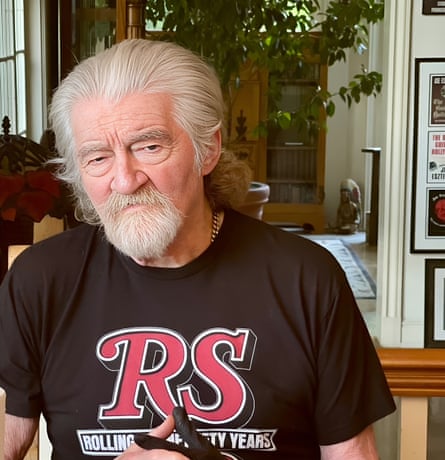
Reflecting on the Manson interview, Eszterhas recalled, "I felt the chills go down my back… But I never felt anything like I felt with Manson. I walked into the room and there was an immediate chill. He had the most amazing eyes. They bored into my soul." This immersion in the darker aspects of society, combined with his journalistic background, honed his ability to craft narratives that were both sensational and deeply unsettling. He also forged a close friendship with fellow journalist Hunter S. Thompson, a relationship that further cemented his connection to the "gonzo" journalism ethos – a style characterized by subjective reporting and a willingness to embrace the absurd and the dangerous.
A Legacy of Provocation and Cult Classics
Eszterhas’s transition from journalism to screenwriting proved remarkably successful. He brought the journalistic principles of strong hooks, tight pacing, and impactful conclusions to his film work. While "Flashdance" and "Jagged Edge" were undeniable commercial triumphs, even films that initially flopped have found a second life. "Showgirls" (1995), Verhoeven’s audacious and over-the-top exploration of the Las Vegas stripper scene, was a critical and commercial disaster upon its release. However, it has since been re-evaluated and embraced as a cult classic, celebrated for its sheer audacity and camp appeal. This trajectory suggests that Eszterhas’s willingness to court controversy and push the envelope can, over time, lead to a reinterpretation and even appreciation of his more polarizing works.
His personal life, marked by struggles with addiction and a tumultuous relationship with fame, also offers a complex backdrop to his creative output. He has candidly discussed his issues with drinking and drugs, particularly cocaine, and his infidelity during his first marriage. He attributes some of this to the era, stating, "the countercultural revolution was still going on. Rolling Stone and Hollywood was at the vortex of all that."
The decision to return to Cleveland with his second wife, Naomi, and their four sons, was a conscious move away from the perceived excesses and superficiality of Hollywood. Eszterhas expressed a desire to shield his children from that environment, recalling instances where Hollywood parties involved "fake snow" and children were presented with their fathers’ Oscars. He and Naomi, both from Ohio, prioritized a more grounded upbringing.
The Enduring Appeal of the Outsider
Despite his past successes and his immersion in the Hollywood machine, Eszterhas often felt like an outsider. This feeling may have contributed to his enduring ability to tap into themes of alienation and rebellion. Now, decades later, he has been clean and sober for many years, his sons are grown, and he continues to write from his base in Cleveland. His memoir, "Hollywood Animal," and his participation in the podcast "Ugly, Irresponsible, & Childish" have provided further avenues for him to recount his extraordinary life and career.
The recent anecdote about his son’s aspiration to become a rock star, met with his father’s cautious advice, perfectly encapsulates the complex legacy Eszterhas has forged. When his son quoted a line from "Flashdance" – "If you give up on your dreams, you die" – Eszterhas was met with a profound moment of self-recognition, a testament to the enduring power of the very words he put on screen. His response, "Wow… What a fucking checkmate," reveals a man who, despite his past demons and the controversies that have surrounded him, still possesses a sharp wit and an unyielding belief in the power of dreams, even if the path to achieving them is fraught with peril and invites external judgment. His return to "Basic Instinct" suggests he is ready to once again confront those perils and invite the ensuing debate, proving that the maverick spirit that defined his career is far from extinguished.