The cinematic landscape of the first quarter of 2026 has demonstrated a robust recovery and evolution within the global film industry, marked by a diverse array of high-concept science fiction, psychological thrillers, and ambitious auteur-driven projects. Next Best Picture, a leading authority on film criticism and awards season tracking, has released its mid-year consensus ranking, identifying the top 25 films that have defined the year’s cultural conversation thus far. This collective evaluation, compiled from individual lists of staff critics, suggests that 2026 is positioning itself as a landmark year for both independent cinema and big-budget studio productions, with several titles already being hailed as potential masterpieces.

The State of Cinema in Early 2026: An Overview
The first three months of 2026 have seen a significant shift in distribution strategies and audience engagement. Following the production delays and labor disputes of previous years, the current slate reflects a fully restored pipeline of content. Major studios have leaned heavily into prestige adaptations, while streaming platforms continue to compete for critical legitimacy through partnerships with established directors like Sam Raimi and Joe Carnahan.

A recurring theme in the 2026 selection is the exploration of modern anxieties, specifically regarding artificial intelligence, social isolation, and the complexities of human connection in a post-digital age. The critical success of films such as Project Hail Mary and The AI Doc: Or How I Became an Apocaloptimist indicates a strong appetite for narratives that grapple with existential threats through a lens of scientific curiosity or personal resilience.

Top Tier Critical Successes: The Top Five
At the apex of the consensus list sits Project Hail Mary, directed by the duo Phil Lord and Chris Miller. Adapted from Andy Weir’s best-selling novel by screenwriter Drew Goddard, the film has been lauded as a "near-perfect crowd-pleaser." Starring Ryan Gosling and Sandra Hüller, the production is noted for its technical sophistication and its ability to balance large-scale interstellar stakes with an intimate, character-driven heart. Industry analysts suggest that the film’s success reinforces the viability of "hard sci-fi" when paired with high-caliber star power and confident direction.

Following closely at number two is 28 Years Later: The Bone Temple, directed by Nia DaCosta and written by Alex Garland. This installment in the venerable horror franchise has been praised for its thematic weight, moving beyond traditional genre tropes to comment on religious fervor and the inherent nature of humanity. The performances of Ralph Fiennes and Jack O’Connell have been singled out for their intensity, marking a successful revitalization of the series for a new generation.

Rounding out the top five are three distinct projects: Nirvanna: The Band The Show The Movie, a mockumentary from Matt Johnson that has achieved instant cult status; Pillion, a daring exploration of BDSM relationships starring Alexander Skarsgård and Harry Melling; and Send Help, which marks Sam Raimi’s return to the psychological thriller genre. Each of these films represents a different facet of the 2026 market, from indie experimentation to high-stakes star vehicles.

Chronology of Major Releases: January to March 2026
The release schedule of the year’s first quarter provided a steady stream of critical darlings.

In January, the industry saw the release of Good Luck, Have Fun, Don’t Die, a maximalist sci-fi hostage drama from Gore Verbinski, and Undertone, a minimalist horror film that relied heavily on innovative sound design. These early releases set a high bar for genre filmmaking, proving that creative constraints could yield significant artistic dividends.

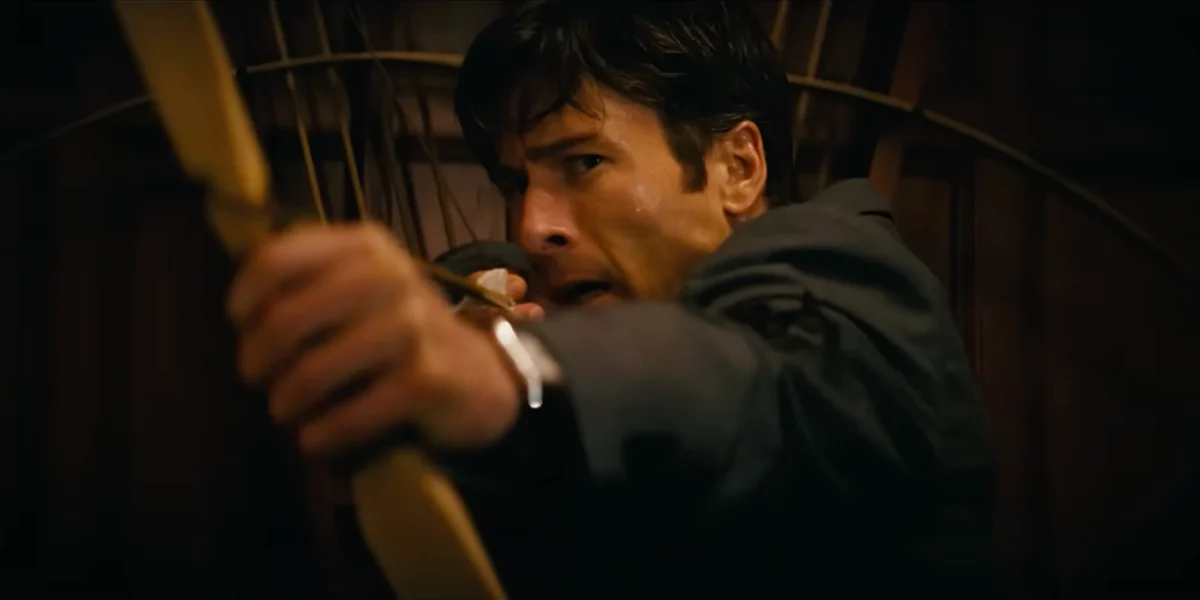
February was dominated by true-crime narratives and character studies. Dead Man’s Wire, directed by Gus Van Sant, revisited a 1977 hostage crisis with Bill Skarsgård in a transformative lead role. Meanwhile, How to Make a Killing, featuring Glen Powell, utilized a "breezy storytelling" style to explore moral complexity, further solidifying Powell’s status as a leading man capable of carrying mid-budget adult dramas.

March saw the arrival of several heavy hitters, including Emerald Fennell’s Wuthering Heights. Fennell’s reimagining of the Brontë classic, starring Margot Robbie and Jacob Elordi, was praised for its "sizzling chemistry" and Linus Sandgren’s lush cinematography. The month also featured the release of Pixar’s Hoppers, which utilized a high-concept premise about animal consciousness to deliver a funny, environmentally conscious narrative.

Industry Trends and Supporting Data
The mid-year ranking highlights several key trends currently shaping the industry:

- The Rise of the "Mid-Budget" Prestige Film: Titles like Tow, starring Rose Byrne and Octavia Spencer, and Crime 101, featuring Chris Hemsworth and Mark Ruffalo, demonstrate a renewed interest in star-driven, character-focused dramas that don’t rely on superhero intellectual property.
- Documentary and Meta-Narratives: The AI Doc and EPiC: Elvis Presley in Concert show a continued fascination with archival footage and the intersection of technology and legacy. Baz Luhrmann’s EPiC notably utilized newly discovered 1969 footage to create an immersive IMAX experience, bypassing traditional documentary formats.
- International and Socially Relevant Cinema: Petra Volpe’s Late Shift and Nadav Lapid’s Yes! represent the strength of international voices in the 2026 market. Late Shift has been particularly noted for its social commentary on the healthcare system, anchored by a "fiercely emotive" performance by Leonie Benesch.
According to box office data from the first quarter, audience turnout for non-franchise titles has seen a 12% increase compared to the same period in 2025. This suggests a shifting demographic that values original storytelling and directorial vision alongside traditional blockbusters.

Notable Performances and Auteur Returns
The 2026 slate is characterized by the return of several "auteur" directors who have exerted significant influence on the year’s rankings. Christian Petzold’s Miroirs No. 3 and Gore Verbinski’s return with Good Luck, Have Fun, Don’t Die signal a period where established directors are finding space to experiment within both the studio system and independent financing.

Performances have also been a primary driver of critical acclaim. Alexander Skarsgård appears twice in the top 25 (for Pillion and The Moment), showcasing a range that spans from intense drama to "goofy and over-the-top" supporting work. The inclusion of The Moment, starring Charli XCX, highlights the crossover of music culture into cinema, specifically capturing the energy of the "Brat era" which has resonated with younger audiences.

Broader Impact and Future Implications
The critical consensus surrounding these 25 films provides an early roadmap for the 2027 awards season. Project Hail Mary is already being positioned by industry insiders as a frontrunner for technical and acting categories. Similarly, the "unhinged" performance of Bill Skarsgård in Dead Man’s Wire and the "fierce" lead of Leonie Benesch in Late Shift are expected to remain in the conversation as the year progresses.

The diversity of the list—ranging from campy horror like Forbidden Fruits to the "friends-to-lovers" romance of People We Meet on Vacation—suggests a healthy, multifaceted industry. The presence of two high-profile animated films (Goat and Hoppers) in the top 25 also indicates that the animation sector is maintaining its reputation for narrative innovation.

As the industry moves into the summer blockbuster season and the fall festival circuit, the benchmarks set by these early 2026 releases will serve as the standard for quality. The success of these films suggests that despite the rapid integration of AI in production and the evolving nature of streaming, the fundamental appeal of well-crafted, human-centric storytelling remains the primary driver of critical and commercial success.

Conclusion of the Mid-Year Review
The Next Best Picture consensus ranking underscores a year of "standout films" and "true masterpieces." While the remainder of 2026 holds the promise of further high-profile releases, the current top 25 provides a comprehensive look at a year defined by creative risks and a return to character-driven cinema. For audiences seeking high-quality entertainment, whether in traditional theatrical settings or via home streaming platforms, the first quarter of 2026 has offered an exceptionally rich selection of films that challenge, entertain, and inspire.