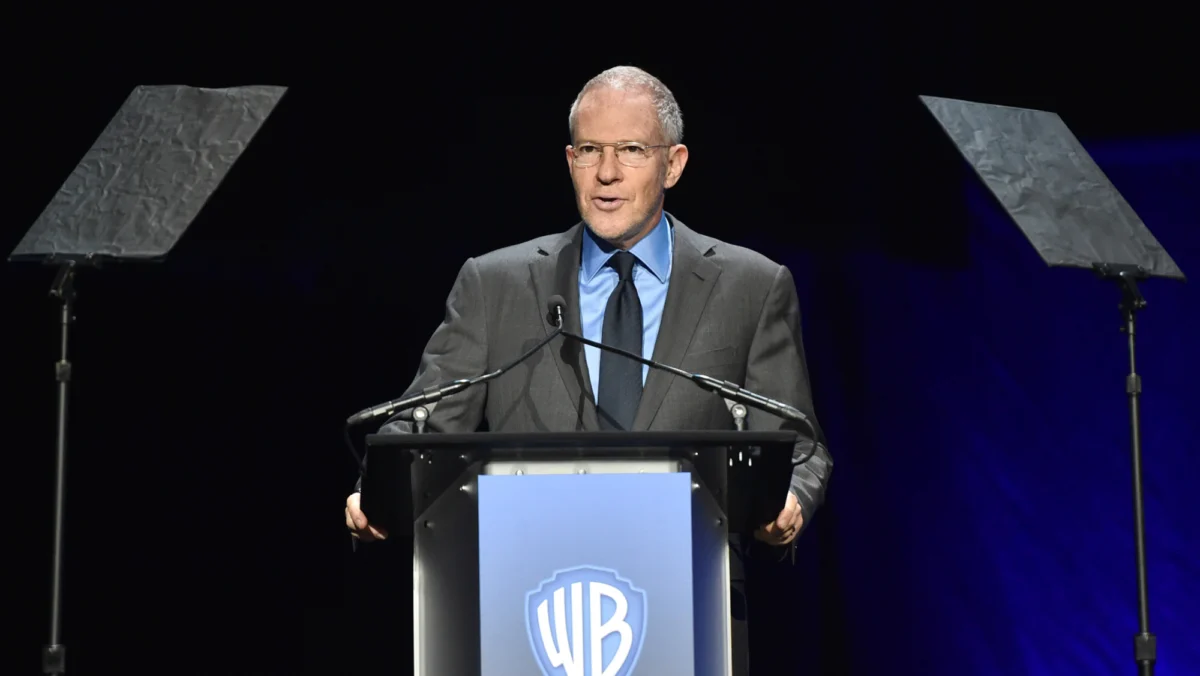
The landscape of Hollywood leadership often sees high-profile executives transition from the helm of major studios into the competitive arena of independent production. For Toby Emmerich, the veteran executive who presided over Warner Bros. Pictures Group and New Line Cinema during some of their most profitable years, this transition has moved into a new phase of expansion. After stepping down from his role as Warner Bros. studio chief in 2022 following the WarnerMedia-Discovery merger, Emmerich is now broadening the scope of his production shingle, Fireside. Initially focused on a multi-year film deal with Warner Bros. Discovery, the company is officially moving into television development, bolstered by significant financial backing from billionaire Len Blavatnik’s Access Entertainment and a partnership with veteran producer Amanda Krentzman.
This strategic expansion comes at a pivotal moment for the entertainment industry. As major streaming platforms and legacy studios pull back on the massive "overall deals" that defined the "Peak TV" era, Emmerich sees a market inefficiency to be exploited. By providing independent development capital, Fireside aims to capture high-level creative talent who no longer have the safety net of studio-funded development silos. The move signals a shift toward a more lean, project-focused model of content creation, where independent shingles take on the early-stage risk before bringing polished packages to the major buyers.
The Strategic Partnership with Access Entertainment
The expansion of Fireside is rooted in a long-standing relationship between Emmerich and Len Blavatnik, the founder of Access Industries and owner of Warner Music Group. Blavatnik’s investment vehicle, Access Entertainment, is led by Danny Cohen, the former Director of BBC Television. The collaboration between Emmerich and Blavatnik represents a synergy of deep financial resources and veteran creative oversight. Emmerich has noted that his professional relationship with Blavatnik spans a quarter-century, though this expansion marks their most formal and integrated partnership to date.
Access Entertainment has historically invested in high-quality storytelling across film, television, and theater. By backing Emmerich’s television ambitions, the firm is positioning itself to capitalize on the ongoing demand for premium scripted content, even as the broader market undergoes a correction. For Emmerich, the partnership provides the "dry powder" necessary to option intellectual property and hire top-tier writers during a time when the traditional studio system is becoming more risk-averse.
A Career Defined by Commercial and Critical Success
To understand the weight of Emmerich’s move into television, one must look at his trajectory within the studio system. Emmerich spent over two decades at New Line Cinema, eventually serving as its president and chief operating officer. During his tenure, he was instrumental in the production of massive franchises, including The Lord of the Rings and The Hobbit trilogies, which collectively grossed billions at the global box office. His ability to balance genre-defining blockbusters with profitable mid-budget hits made him one of the most respected executives in the industry.
In 2017, Emmerich was elevated to Chairman of Warner Bros. Pictures Group. His leadership coincided with a period of intense corporate flux, as the studio transitioned from Time Warner to AT&T ownership and eventually to the David Zaslav-led Warner Bros. Discovery. Despite the corporate turbulence, Emmerich greenlit and shepherded cultural touchstones and financial successes such as Barbie, which would go on to become a billion-dollar phenomenon after his departure, as well as the It franchise, Joker, and The Batman.
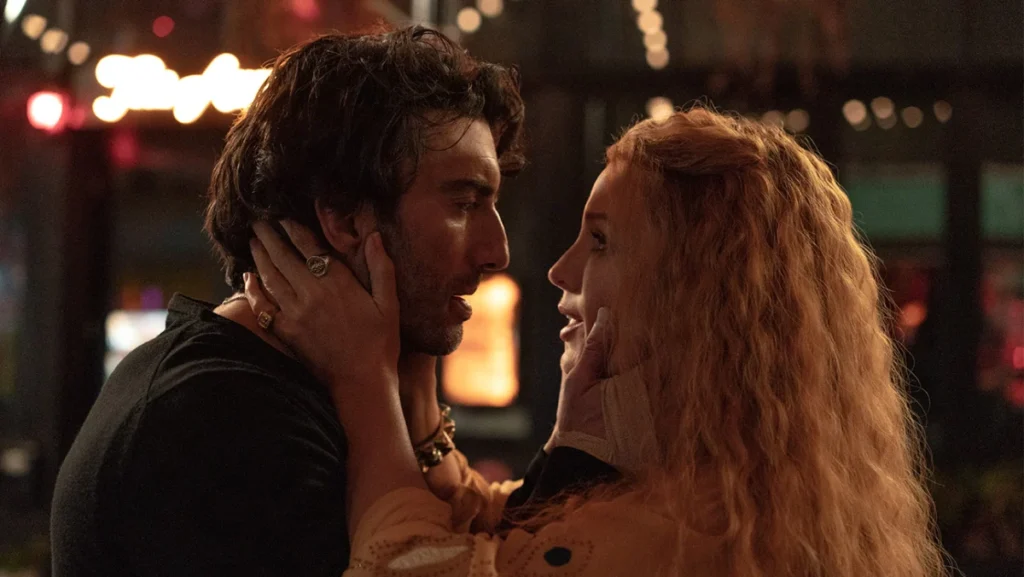
Upon his exit in 2022, Emmerich was granted a five-year production deal at Warner Bros., a move often referred to in the industry as a "soft landing." This deal provided the foundation for Fireside, which has already begun making its mark in film with projects like I Play Rocky, a biopic about the young Sylvester Stallone’s struggle to make the first Rocky film, currently in production for Amazon MGM.
The Transition from Peak TV to a Buyer’s Market
The decision to move into television now is a direct response to the current economic climate of Hollywood. Between 2015 and 2022, the industry experienced what analysts called "Peak TV," a period where streamers like Netflix, Amazon, and Apple spent unprecedented sums to secure talent through exclusive overall deals. At its height, the number of scripted series in the United States peaked at nearly 600 annually.
However, the 2023 WGA and SAG-AFTRA strikes, combined with a refocus on profitability over subscriber growth, have led to a significant contraction. Major studios have allowed many of these rich deals to expire, leaving even established showrunners without a permanent home for their development projects. Emmerich identifies this as a "buyer’s market" for producers. By acting as a bridge between independent writers and the major studios, Fireside can develop material to a point where it becomes "undeniable" to a network or streamer, thereby reducing the studio’s initial development risk.
The Philosophy of Fireside: Primordial Storytelling
The name "Fireside" is not merely a branding choice but a reflection of Emmerich’s philosophy on the endurance of the medium. He posits that storytelling is a primordial human need, dating back to the invention of fire. The flickering light in caves, the gathering of the tribe, and the oral traditions that followed are the ancestors of modern cinema and television. This focus on the "elemental" nature of stories suggests that Fireside will prioritize narrative-driven, character-centric projects over purely data-driven content.
Emmerich’s expansion into television also acknowledges the blurring lines between film and TV talent. Modern directors and writers no longer view the two mediums as a hierarchy; instead, they choose the format that best suits the story. By operating in both spaces, Fireside allows itself to remain a permanent home for creators, regardless of whether their next project is a two-hour feature or an eight-episode limited series.
Production Logistics and the California Crisis
Beyond the creative and financial aspects of the expansion, Emmerich has addressed the practical challenges facing the industry today, specifically the "flight" of production from Los Angeles. Despite being based on the Warner Bros. lot in Burbank, Emmerich acknowledges that tax incentives are the primary driver of where content is actually filmed.
For instance, I Play Rocky—a story quintessentially set in New York and Pennsylvania—was filmed in New Jersey to take advantage of superior tax credits. This highlights a growing concern within the California film industry: while the creative "brain trust" remains in L.A., the labor and economic benefits of production are increasingly being exported to states like Georgia, New Jersey, and international hubs like the United Kingdom and Australia. Emmerich notes the constant struggle between wanting to keep production local for the sake of talent and the necessity of maximizing the "on-screen spend" by chasing global tax deals.
The Role of Artificial Intelligence in Development
As Fireside moves into television, the integration of Artificial Intelligence (AI) into the workflow remains a topic of scrutiny. Emmerich has expressed a pragmatic view of the technology, suggesting that while AI cannot currently replace the nuanced work of a human screenwriter, it has become a useful tool for creative executives.
Industry data suggests that AI is being increasingly used for "coverage"—the process of summarizing scripts and providing initial feedback. While Emmerich remains skeptical of the quality of AI-generated coverage, he notes that human coverage is also frequently flawed. He cites a famous anecdote involving Clint Eastwood, who keeps a "Hard Pass" coverage report of the Academy Award-winning Unforgiven as a reminder that executive summaries often miss the mark. For Fireside, the emphasis remains on the "human touch," with AI serving as an analytical supplement rather than a creative replacement.
Future Implications and Industry Outlook
The expansion of Fireside occurs against a backdrop of continued industry consolidation. With the recent news of Skydance Media’s impending merger with Paramount Global, and the potential for further shifts at Warner Bros. Discovery, the role of the independent producer has never been more vital. David Ellison’s stated goal of producing 30 films a year under the combined Skydance-Paramount banner suggests a renewed appetite for volume, provided the quality remains high.
For Toby Emmerich and Amanda Krentzman, the goal is to position Fireside as a premier supplier for these evolving giants. By leveraging Len Blavatnik’s capital and Emmerich’s decades of studio-level experience, Fireside is attempting to create a "mini-major" development model that can thrive in an era of austerity.
As the television industry moves away from the "quantity over quality" approach of the last decade, the success of shingles like Fireside will depend on their ability to find the next Barbie or The Hobbit in the television space. With a focus on primordial storytelling and a strategic eye on market gaps, Emmerich is betting that the next great era of television will be defined not by the size of the studio’s overhead, but by the strength of the stories told around the modern fireside.