The 28th edition of the Far East Film Festival (FEFF), scheduled to commence on April 24, 2026, in Udine, Italy, marks another significant milestone in its nearly three-decade history. Since its inception in 1999, FEFF has distinguished itself by championing the diverse cinematic landscape of East Asia, transforming a regional Italian city into a focal point for global film discourse. The festival’s commitment extends beyond mere screening; it actively cultivates a dynamic exchange between filmmakers, industry professionals, and enthusiastic audiences from both hemispheres. This year’s programme reflects the same breadth and ambition, featuring a robust lineup of 76 titles hailing from 12 different countries, with 52 films vying for the coveted Golden Mulberry awards in competition and 24 presented out of competition. This meticulously curated selection promises a multifaceted look at contemporary Asian storytelling, encompassing everything from mainstream blockbusters and independent auteur highlights to historical tributes and cutting-edge genre explorations.
A Legacy of Cultural Bridge-Building
The journey of the Far East Film Festival began with a vision to introduce the burgeoning cinemas of Asia to European audiences, challenging preconceived notions and opening new avenues for cultural appreciation. Founded by Sabrina Baracetti and Thomas Bertacche, among others, FEFF emerged at a time when Asian cinema, though rich and varied, often struggled for mainstream recognition in the West. The festival’s early years were characterized by pioneering efforts, navigating complex logistics to bring films, directors, and stars from distant lands to the Friulian capital. This "leap of faith" has paid off handsomely, establishing Udine as an indispensable hub for Asian film enthusiasts and industry professionals. Over the years, FEFF has become a critical platform for launching Asian films into the European market, facilitating distribution deals, and fostering international co-productions. Its enduring dialogue between Udine and Asia is not just a metaphor but a tangible reality, built on strong relationships and mutual respect cultivated over nearly three decades. The festival’s success can be attributed to its unwavering dedication to showcasing the full spectrum of Asian filmmaking, from commercial successes to arthouse gems, providing a comprehensive and authentic representation of the region’s cinematic output.
The 28th Edition: Unveiling a Diverse Programme
The 2026 edition promises an exceptionally rich and varied programme, meticulously crafted to cater to diverse cinematic tastes. With 76 titles from 12 countries, including the powerhouses of China, Hong Kong, Japan, South Korea, and Taiwan, alongside rising voices from Indonesia, Malaysia, the Philippines, Singapore, Thailand, and Vietnam, the festival truly lives up to its name. The selection criteria prioritize films that demonstrate artistic merit, cultural significance, and innovative storytelling, ensuring that both critical darlings and audience favourites find a place on the big screen.
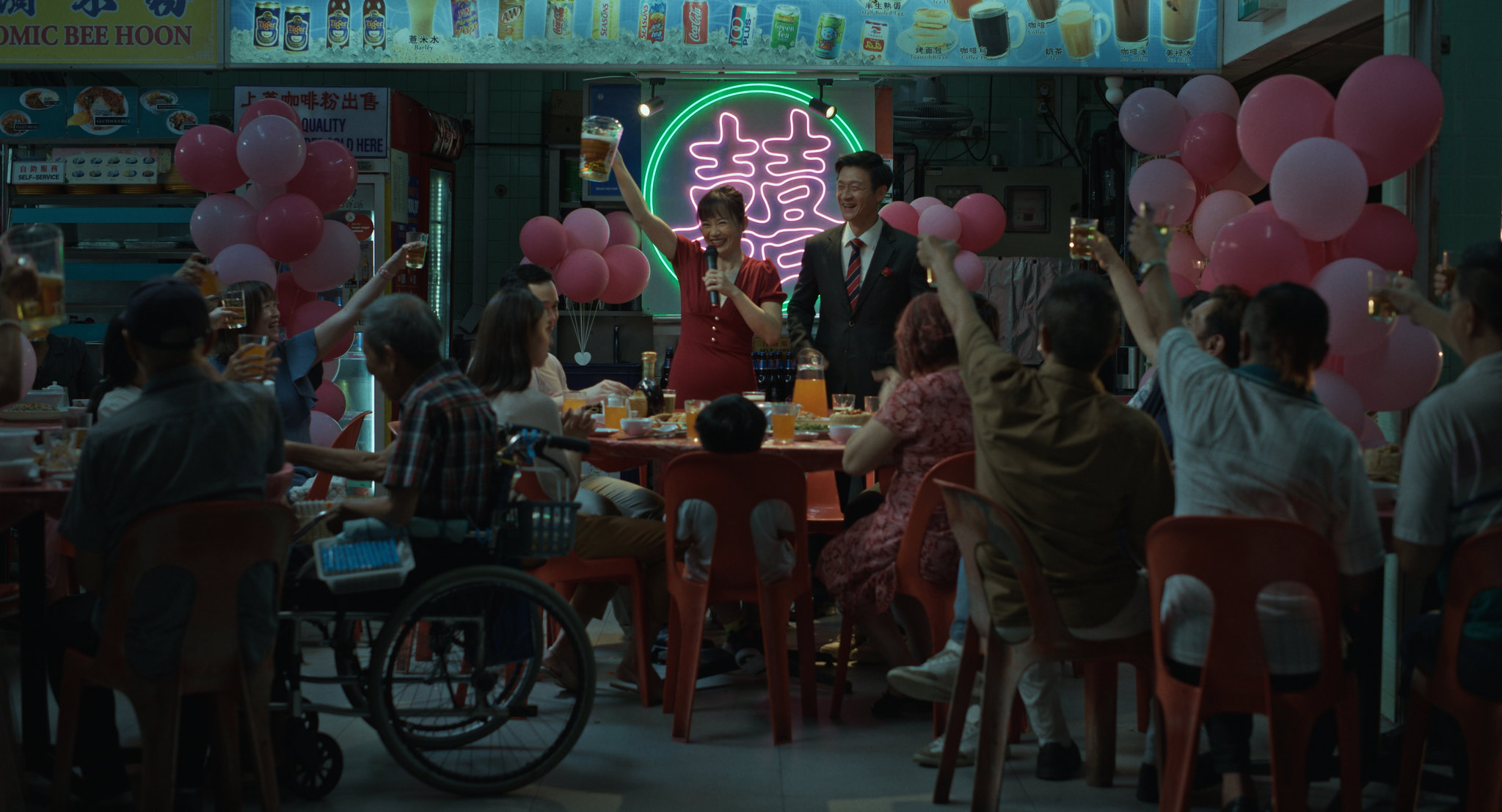
The festival will officially open on April 24 with the highly anticipated We Are All Strangers by acclaimed Singaporean director Anthony Chen. Known for his poignant dramas that explore the complexities of human relationships, Chen’s latest work is expected to set a thoughtful and compelling tone for the entire festival. The choice of an opening film from Singapore highlights FEFF’s commitment to showcasing diverse voices within Asia, moving beyond the more commonly recognized cinematic traditions. The closing film, a highly anticipated announcement, is scheduled for April 8th, adding an element of suspense and excitement to the pre-festival buzz.
Honoring Cinematic Icons: The Golden Mulberries
A cornerstone of FEFF’s tradition is the presentation of the Lifetime Achievement Golden Mulberry awards, recognizing individuals whose contributions have profoundly impacted Asian cinema and its global perception. This year, the festival will bestow this prestigious honour upon two titans of the screen: Chinese superstar Fan Bingbing and Japanese acting legend Koji Yakusho.
Fan Bingbing, a global icon, has graced both Chinese and international screens with her versatile performances and undeniable charisma. Her career spans numerous genres, from historical epics to contemporary dramas, earning her critical acclaim and a massive fan following. Her presence at FEFF underscores the festival’s ability to attract and celebrate figures of immense influence in Asian cinema.

Koji Yakusho, recently lauded for his critically acclaimed role in Wim Wenders’ Perfect Days, represents the pinnacle of Japanese acting. His career is a testament to extraordinary range and depth, having collaborated with some of Japan’s most revered directors and delivered unforgettable performances across a multitude of films. The Golden Mulberry for Yakusho not only acknowledges his individual brilliance but also celebrates the enduring legacy of Japanese cinema, a tradition that FEFF has consistently championed. His presence provides an opportunity for audiences to engage with a living legend and to reflect on the significant impact of his work on global cinematic artistry.
Andy Rementer’s Visual Identity: A Tapestry of Unity
The festival’s new visual identity, crafted by the renowned illustrator Andy Rementer, is more than just a promotional image; it is a powerful statement. Rementer’s signature style, characterized by vibrant colours and diverse characters, perfectly encapsulates FEFF’s ethos of "unity through diversity." In an era marked by increasing global fragmentation and division, the visual tapestry of interconnected faces serves as a potent reminder of cinema’s power to bridge divides and foster shared human experiences. The artwork reflects the festival’s foundational belief that storytelling, regardless of origin, speaks to universal truths and connects people across cultural and geographical boundaries. This artistic choice reaffirms FEFF’s role not just as a film festival but as a cultural ambassador, promoting harmony and understanding through the universal language of film.
The Heart of the Festival: Competition Section Highlights
The Competition Section, featuring 52 films, represents the vibrant pulse of contemporary Asian cinema. Each country contributes a unique flavour to the overall programme, showcasing regional trends, emerging talents, and established masters.
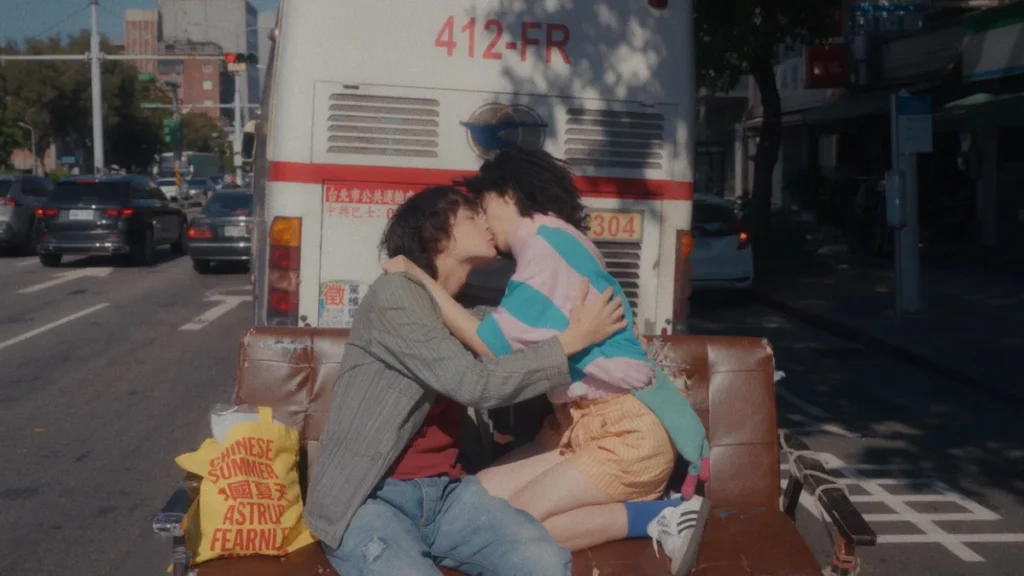
China [6 titles]: The Chinese contingent offers a diverse palette, from the expat coming-of-age story Jet Lag in Summer by YAN Kunao to the unique Tibetan homecoming narrative of Kangdrun’s Linka Linka. Larry YANG’s The Shadow’s Edge promises an action thriller with a philosophical twist, while Take Off, Pengfei delves into a Chinese-Icaro dream narrative. LI Taiyan’s Unexpected Family provides a dose of comedy, reminiscent of classic Jackie Chan films, and LU Yang’s A Writer’s Odyssey 2 returns with its quirky and magnificent fantasy elements, building on the success of its predecessor.
Hong Kong [9 titles]: Hong Kong’s selection is robust, featuring animated surreal fantasy in Tommy NG’s Another World and silent animation exploring nature’s wonders in Toe YUEN’s A Mighty Adventure (a co-production with Taiwan). KUNG Siu-Ping’s Measure in Love offers a poignant drama, while Jack NG’s Night King immerses audiences in a vintage nightlife wonderland. Action enthusiasts will be drawn to NJO Kui-ying’s Road to Vendetta, and Philip YUNG’s The Snowball on a Sunny Day delivers a family screwball comedy. Thought-provoking themes of sexuality and disability are explored in TAM Wai-ching’s Someone Like Me. The intriguing Unidentified Murder by KWOK Ka-hei and Jack LEE presents a UFO mystery, and Herman YAU’s We’re Nothing at All promises a gripping bomb tragedy at a boiling point.
Indonesia [2 titles]: Indonesian cinema brings two compelling entries: Teddy SOERIA ATMADJA’s Dopamine, a crime romance thriller, and Joko ANWAR’s Ghost in the Cell, which blends art and supernatural elements within a prison setting.
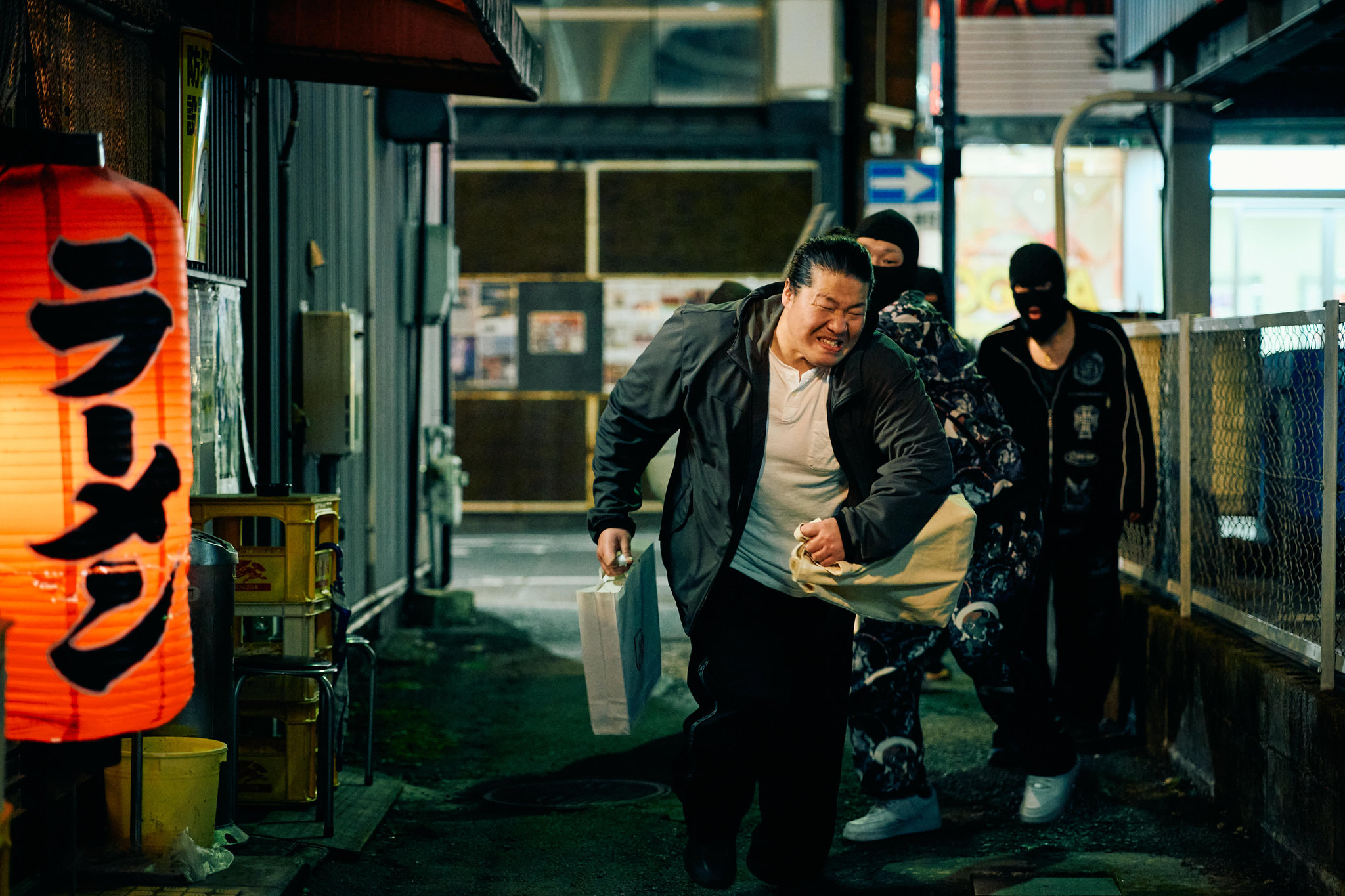
Japan [9 titles]: Japan’s strong presence includes OKUYAMA Yoshiyuki’s 5 Centimeters Per Second, a poignant tale of rendez-vous in time, and NAKAGAWA Shun’s 90 Meters, a story about caring with love. KOYAMA Takashi’s All Greens explores contemporary youth themes, while Taichi KIMURA’s Fujiko presents a dreamlike woman’s empowerment drama. Animation is represented by KINOSHITA Baku’s The Last Blossom, featuring a talking flower. HIROKI Ryuichi’s The Sickness Unto Love delves into the boundaries of affection, and NAGAI Akira’s Suzuki=Bakudan offers an investigative film. Anshul CHAUHAN’s Tiger stands out as a stark LGBTQ drama, and YOSHIDA Keisuke’s Unchained provides a parable on evil.
Malaysia [2 titles]: Malaysian entries include WOO Ming Jin’s The Fox King, a mystical tale involving twins, a mysterious lady, and the sea, and CHONG Keat Aun’s Mother Bhumi, which explores life and magic at the border.

Philippines [2 titles]: The Philippines presents Rafael MANUEL’s Filipiñana, an abstract ballet, and Irene VILLAMOR’s Midnight Girls, a narrative about living and surviving in Nagoya.
Singapore [3 titles]: Singapore offers ANG Geck Geck Priscilla’s Ah Girl, a film about children observing adults, and Michael KAM’s The Old Man and His Car, a journey through memory. Anthony CHEN’s We Are All Strangers is not only the opening film but also represents Singapore’s compelling storytelling.
South Korea [6 titles]: South Korea’s cinema is well-represented with JANG Hang-jun’s The King’s Warden, featuring a king as a guest, and CHUNG Ji-young’s My Name, a powerful film about an impossible farewell linked to the Jeju Island massacre. KIM Tae-yong’s Number One presents an unexpected countdown, while KIM Do-Young’s Once We Were Us explores the end of a love. The collaborative The Seoul Guardians by KIM Jong-woo, KIM Shin-wan, and CHO Chul-young offers a live coverage of a coup, and YOON Ga-eun’s The World of Love delves into secret scars.
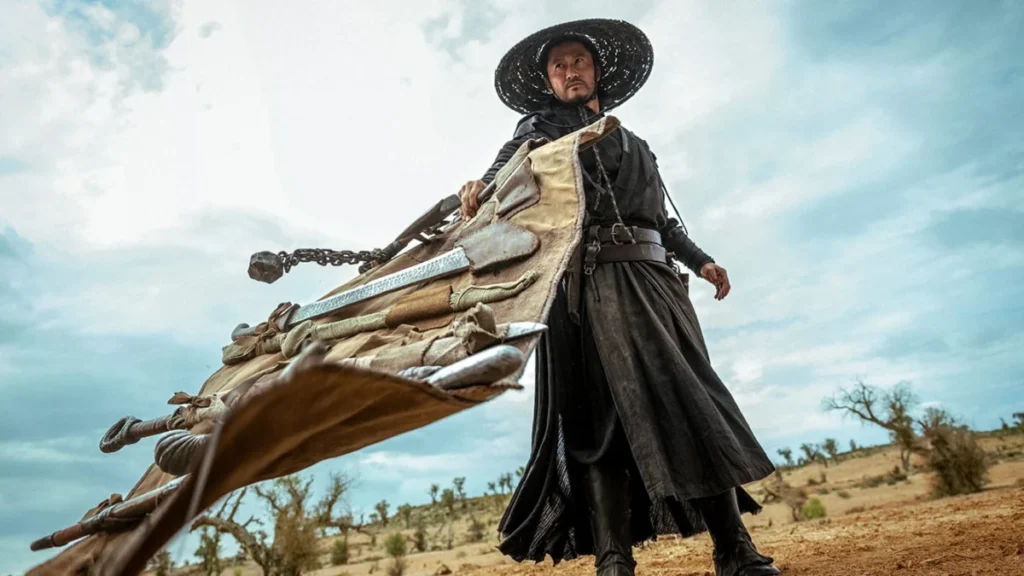
Taiwan [5 titles]: Taiwan’s selection includes SHEN Ko-shang’s Deep Quiet Room, exploring trauma and hidden truths, and CHEN Yu-hsun’s A Foggy Tale, a story of friendship in an era of terror. CHAO Koi-wang and HU Chin-yen’s I Blew Out the Candles Before Making a Wish depicts a thrilling chase in Macau. Giddens KO’s Kung Fu is described as a crazy love letter to wuxia, and Gavin LIN’s Sunshine Women’s Choir offers a weepie musical set in jail.
Thailand [3 titles]: Thai cinema brings Gohan, a three-episode film about a dog’s life by Chayanop BOONPRAKOB, Baz POONPIRIYA, and Atta HEMWADEE. Puttipong NAKTHONG’s The Last Shot is a gripping neo-noir thriller, and Taweewat WANTHA’s Tha Rae: The Exorcist presents an alliance of exorcists.
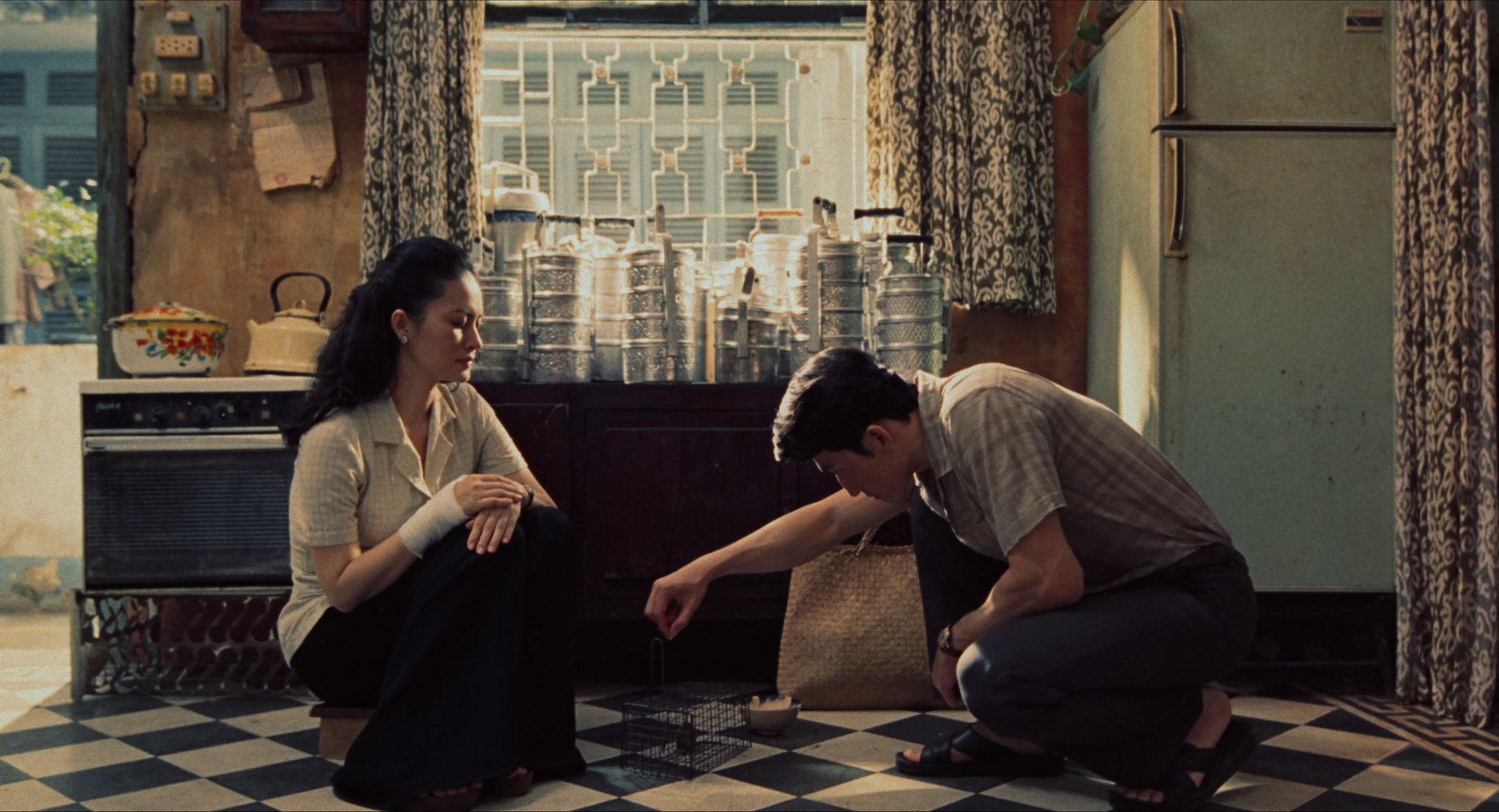
Vietnam [4 titles]: Vietnam contributes PHAN Gia Nhat Linh’s Blood Moon Rite 8, a film reminiscent of One Cut of the Dead. Ham TRAN’s Hijacked promises hectic action at high altitude. Leon LE’s Ky Nam Inn offers an old Saigon-style melodrama, and BUI THAC Chuyen’s Tunnels: Sun in the Dark explores another side of the war in Vietnam.
Beyond Competition: Special Screenings and Restored Classics
The Out of Competition section, featuring 24 films, is equally rich, offering special tributes, retrospectives, documentaries, and meticulously restored classics. This section underscores FEFF’s commitment to cinematic preservation and education, providing context to contemporary works and celebrating the enduring power of film history.
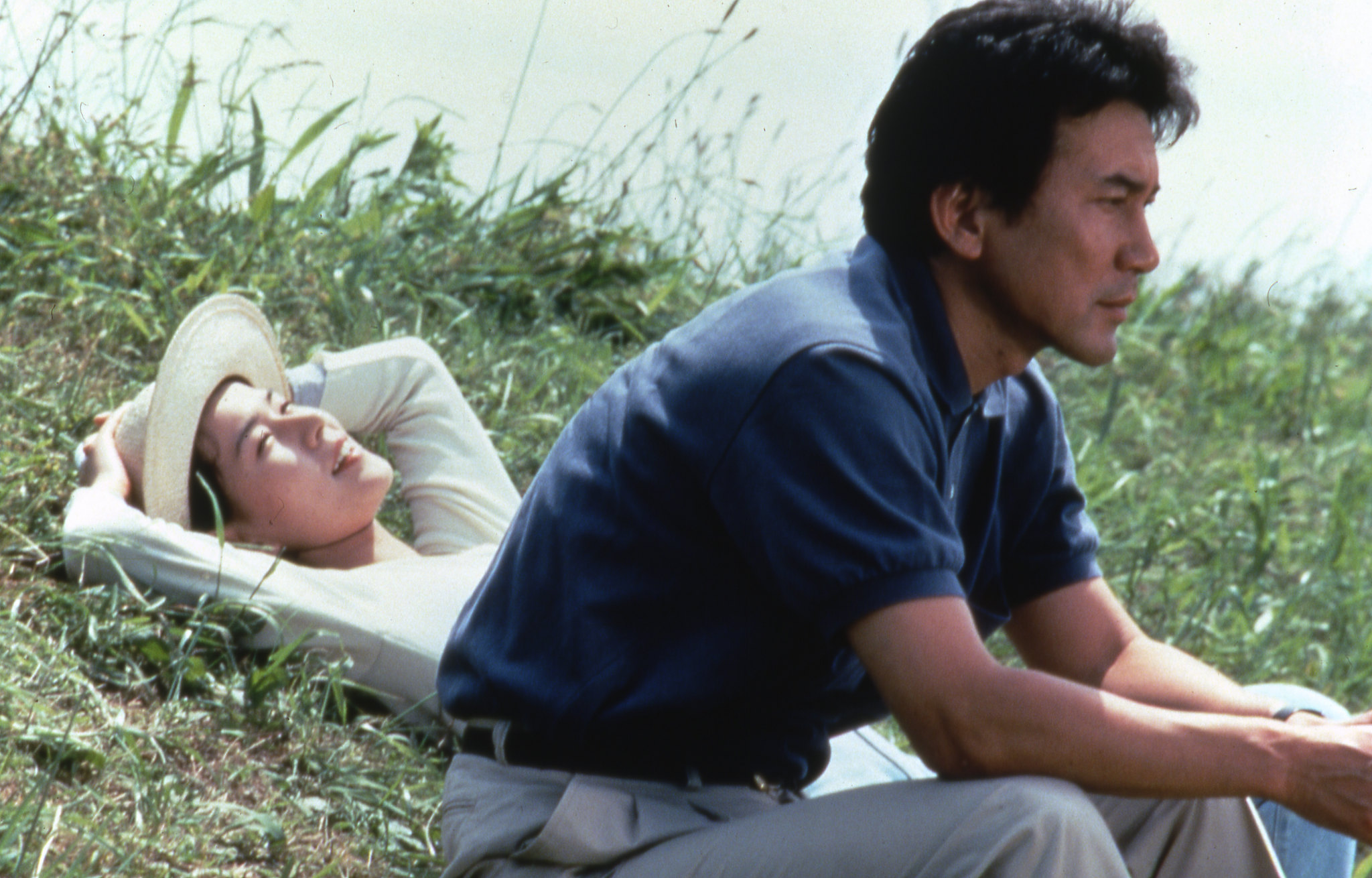
A Tribute to Yakusho Koji: Perfect Roles [7 films]: In honour of Lifetime Achievement recipient Koji Yakusho, a dedicated retrospective will showcase seven of his most iconic performances. This includes Takashi MIIKE’s period action drama 13 Assassins, Kazuya SHIRAISHI’s crime film The Blood of Wolves, and Shohei IMAMURA’s symbolic drama The Eel. Wim WENDERS’s recent masterpiece Perfect Days will also be screened, alongside Juzo ITAMI’s comedy Tampopo (in a 4K restoration), Miwa NISHIKAWA’s drama Under The Open Sky, and Shuichi OKITA’s comedy-drama The Woodsman and the Rain. This curated selection offers a profound exploration of Yakusho’s remarkable career, allowing audiences to appreciate his versatility and profound impact on Japanese cinema.
Special Screenings [4 films]: This section features unique cinematic experiences, including Patrick LEUNG’s poetic nostalgia piece Ciao UFO (Hong Kong 2019/2026), and Mabel CHEUNG’s intimate To My Nineteen-Year-Old Self (Hong Kong 2022), which offers slices of life. From Japan, LEE Sang-il’s Kokuho (Japan 2025) depicts two lives on stage, and Yoji YAMADA’s Tokyo Taxi (Japan 2025) promises a nostalgic road movie.
Documentaries [2 films]: FEFF includes two compelling documentaries that delve into the world of cinema itself. KIM Dong-ho’s Mr. Kim Goes to the Cinema (South Korea 2025) offers an insightful look into the industry, while Daniel RAIM’s The Ozu Diaries (USA 2025) provides a rare glimpse into the life and work of the legendary Japanese filmmaker Yasujirō Ozu, enriching the understanding of his profound influence.
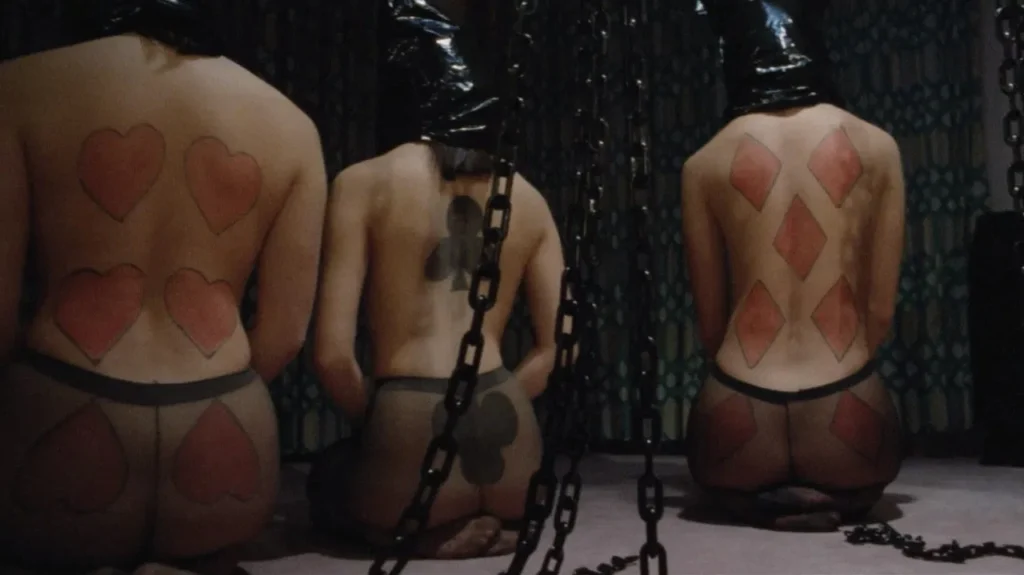
Restored Classics [11 films]: The festival’s dedication to film heritage is evident in its robust Restored Classics section. These films, brought back to their original glory through painstaking restoration processes, offer audiences a chance to experience cinematic masterpieces anew. Highlights include Jacob CHEUNG’s Cageman (Hong Kong 1992/4K 2026), a powerful drama about Hong Kong’s cage-home communities, and Patrick TAM’s Love Massacre (Hong Kong 1981/4K 2025), a compelling tale of passion and brutality. Japanese kaiju fans will rejoice with Noriaki YUASA’s Gamera (Japan 1965/4K 202), while LEE Sang-il’s comedy Hula Girls (Japan 2006/4K 2025) offers a heartwarming story. South Korean contributions include PARK Kwang-su’s drama Chilsu and Mansu (1988/2K 2014) and PARK Chul-soo’s black comedy Push! Push! (1997/4K 2026). From the Philippines, Mike DE LEON’s terrifying true crime In the Wink of an Eye (1981/4K 2023) and Lino BROCKA’s seminal LGBTQ drama Macho Dancer (1988/4K 2023) are featured. Taiwan’s rich cinematic history is represented by WAN Jen’s ghost odyssey Connection by Fate (1998/2K 2025), LEE Hsing’s culture clash drama Good Neighbors (1962/2K 2026), and SHAO Lo-hui’s enduring romance Love Never Ceases (1962/2K 2026). These restorations are crucial for preserving film history and making these influential works accessible to new generations of cinephiles.
Broader Impact and Implications
The Far East Film Festival’s 28th edition is more than just an annual event; it is a critical institution for cultural diplomacy and the global promotion of Asian cinema. By bringing together a vast array of films, filmmakers, and audiences, FEFF fosters invaluable cross-cultural dialogue and strengthens ties between East and West. The festival serves as a vital platform for independent Asian filmmakers to gain international exposure, often leading to distribution deals and further career opportunities. For the industry, it’s a key networking event, attracting buyers, programmers, and critics who are eager to discover the next big wave in Asian storytelling.
The careful curation of films, from commercial successes to experimental art-house features, ensures that FEFF remains relevant to a wide audience while also pushing artistic boundaries. The inclusion of documentaries and restored classics further solidifies its role as an educational and archival institution, providing a comprehensive understanding of Asian cinematic heritage. As global political and social landscapes continue to shift, FEFF’s mission of promoting unity through diverse storytelling becomes ever more pertinent, reinforcing the idea that cinema is a powerful tool for empathy and understanding across borders. The festival’s sustained growth and influence over nearly three decades underscore its enduring relevance and its profound impact on the global film community.
For more information on the schedule and tickets, interested parties are encouraged to visit the official FEFF website.