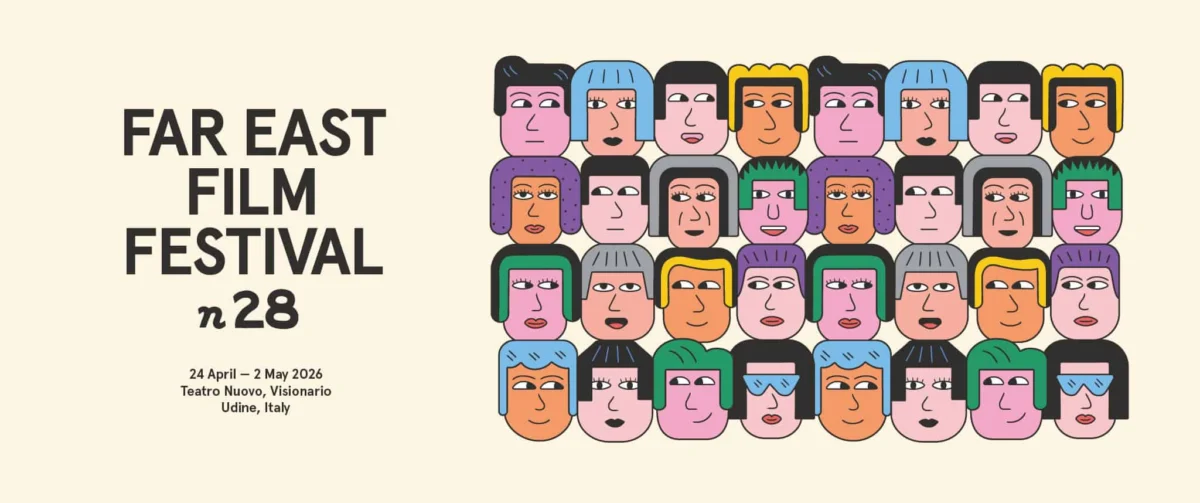
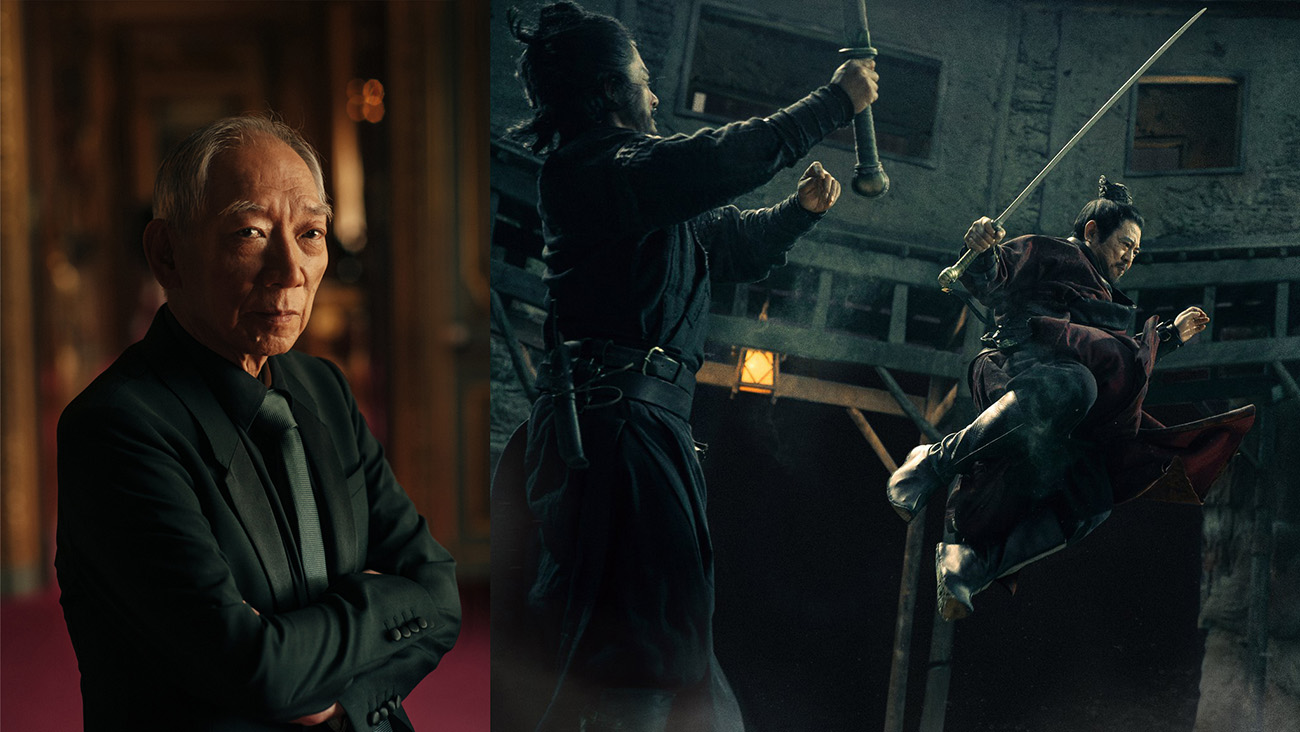
The Udine Far East Film Festival (FEFF) has announced its decision to honor the unparalleled contributions of legendary filmmaker and action choreographer Yuen Woo-ping with the prestigious Gelso d’Oro alla Carriera, or Golden Mulberry Lifetime Achievement Award. This significant recognition celebrates a career spanning over five decades that has profoundly reshaped the visual and physical grammar of martial arts cinema, elevating it to an art form embraced globally. Yuen Woo-ping, a pivotal figure in Hong Kong cinema, ascended from a formidable martial arts practitioner and stuntman to an internationally revered director and the creative architect behind some of the most iconic fight sequences in modern cinematic history. His influence transcends genre and geography, solidifying his status as a true visionary whose work continues to inspire and redefine action filmmaking.
The Udine Far East Film Festival: A Gateway to Asian Cinema
Established in 1999, the Udine Far East Film Festival has grown into one of Europe’s most significant platforms for showcasing Asian cinema. Held annually in Udine, Italy, the festival’s mission is to bridge cultural divides by presenting a diverse selection of films from East and Southeast Asia to a discerning European audience. It serves as a vital meeting point for filmmakers, industry professionals, and cinephiles, fostering greater understanding and appreciation for the rich tapestry of Asian storytelling. The Gelso d’Oro alla Carriera, the festival’s highest honor, is reserved for individuals whose artistic achievements have left an indelible mark on Asian cinema and, by extension, global film culture. Previous recipients include a pantheon of celebrated Asian directors, actors, and industry titans, underscoring the award’s prestige and the profound respect it commands within the international film community. Bestowing this award upon Yuen Woo-ping not only acknowledges his extraordinary past achievements but also underscores the festival’s commitment to celebrating the pioneers who have defined and advanced cinematic artistry.
A Career Defined by Innovation: The Early Years and Hong Kong Renaissance
Yuen Woo-ping’s journey into filmmaking began in the shadow of his father, Yuen Siu-tien, a renowned Peking opera master and martial arts instructor. This formative environment steeped him in the traditions of Chinese martial arts, laying the groundwork for a career that would revolutionize cinematic combat. He first gained widespread recognition in the late 1970s, a period often considered the golden age of Hong Kong martial arts cinema. His directorial debut, Snake in the Eagle’s Shadow (1978), was a groundbreaking success that introduced a then-unknown Jackie Chan to stardom. This film, alongside its immediate successor, Drunken Master (1978), pioneered the comedic kung fu genre, blending intricate, fast-paced fight choreography with slapstick humor and character-driven narratives. These films were not merely showcases of martial prowess; they were meticulously crafted pieces of storytelling where action served as an extension of character and plot, a philosophy that would become a hallmark of Yuen Woo-ping’s work.
Drunken Master, in particular, became a cultural phenomenon, establishing Jackie Chan’s distinctive persona as a mischievous but skilled fighter and cementing Yuen Woo-ping’s reputation as a master choreographer and director. His early work was instrumental in shaping the visual vocabulary of martial arts films, moving away from the more rigid, theatrical styles of earlier eras towards a dynamic, fluid, and often acrobatic approach that emphasized speed, agility, and intricate sequencing. He continued to direct a string of successful martial arts films throughout the 1980s and early 1990s, including Iron Monkey (1993), which showcased his ability to blend traditional wuxia elements with contemporary action sensibilities, earning critical acclaim and a devoted cult following.
The International Breakthrough: Redefining Global Action Cinema
Yuen Woo-ping’s profound influence transcended the boundaries of Hong Kong cinema in the late 1990s and early 2000s, as Hollywood began to take notice of his unique talent. His international breakthrough arrived with the Wachowski sisters’ seminal science fiction film, The Matrix (1999). Tasked with choreographing the film’s groundbreaking action sequences, Yuen Woo-ping introduced Western audiences to the sophisticated aesthetics of Hong Kong martial arts, utilizing wirework and highly stylized combat to create a hyper-real yet believable fighting style. The film’s "bullet time" effect, combined with his innovative choreography, set a new benchmark for action cinema, influencing countless films and video games that followed. The success of The Matrix not only brought Yuen Woo-ping global recognition but also opened the floodgates for a greater appreciation of Asian action aesthetics in Western filmmaking.
The following year, he collaborated with Ang Lee on the critically acclaimed wuxia epic Crouching Tiger, Hidden Dragon (2000). This film, which famously swept the Academy Awards, including Best Foreign Language Film, showcased Yuen Woo-ping’s mastery of poetic, gravity-defying combat. His choreography for Crouching Tiger, Hidden Dragon was characterized by its elegant balletic quality, transforming martial arts into a form of dance that conveyed deep emotional resonance. The film’s iconic sequences, such as the bamboo forest fight, remain some of the most beautiful and influential martial arts scenes ever committed to celluloid.
His collaboration with Quentin Tarantino on Kill Bill: Vol. 1 (2003) and Kill Bill: Vol. 2 (2004) further cemented his status as a global action maestro. Tarantino, a fervent admirer of Hong Kong cinema, specifically sought out Yuen Woo-ping to choreograph the film’s homage to martial arts genres. The resulting sequences were a thrilling blend of brutal efficiency and stylized theatricality, showcasing Yuen Woo-ping’s versatility and his ability to adapt his unique vision to diverse directorial styles. He also contributed to Wong Kar-wai’s critically lauded martial arts drama The Grandmaster (2013), demonstrating his enduring relevance and ability to work with auteurs of varied cinematic approaches.
The Enduring Legacy and Continuing Contributions
Yuen Woo-ping’s impact on global cinema extends far beyond these specific collaborations. He has fundamentally altered how action is conceived, choreographed, and executed on screen. His techniques, particularly his pioneering use of wirework and his emphasis on dynamic, character-driven fight sequences, have become standard practice in action filmmaking worldwide. He didn’t just stage fights; he crafted narratives through movement, imbuing each strike, block, and leap with emotional depth and dramatic purpose. His influence can be seen in countless contemporary action films, from superhero blockbusters to indie thrillers, demonstrating the pervasive reach of his innovative spirit.
Even after decades in the industry, Yuen Woo-ping remains an active and vital creative force. The Udine Far East Film Festival will further underline this enduring vitality by presenting his latest project, Blades of the Guardians, as the closing title of its 28th edition. This strategic programming decision highlights that Yuen Woo-ping is not merely a historical figure but a contemporary artist whose creative output continues to evolve and captivate audiences. Blades of the Guardians serves as a testament to his sustained passion for filmmaking and his unwavering commitment to pushing the boundaries of the martial arts genre. The anticipation surrounding its premiere at a festival dedicated to Asian cinema underscores the continued relevance of his work and its ability to resonate across generations of filmgoers.
Statements and Industry Perspectives
Festival organizers, in their official announcement, lauded Yuen Woo-ping’s unparalleled vision and his transformative impact on the art of cinematic combat. "Yuen Woo-ping is more than just a choreographer or a director; he is a cinematic architect who built the very foundations upon which modern action cinema stands," stated a representative for FEFF. "His work has not only entertained millions but has also inspired countless filmmakers to rethink the possibilities of physical storytelling. The Gelso d’Oro alla Carriera is a fitting tribute to a legend whose influence is both profound and perpetual."
Film critics and industry pundits have consistently pointed to Yuen Woo-ping’s revolutionary techniques and his ability to blend traditional martial arts philosophy with innovative cinematic expression. "From launching the career of Jackie Chan with his groundbreaking comedic kung fu films to crafting the iconic sequences that defined The Matrix and Crouching Tiger, Hidden Dragon, Yuen Woo-ping has consistently been at the forefront of action filmmaking innovation," observed a prominent film historian. "His ability to choreograph diverse styles, from gritty street brawls to ethereal wuxia duels, showcases a versatility few can match. This award from Udine is a well-deserved recognition of a true master."
Broader Impact and Implications
The recognition of Yuen Woo-ping at a prestigious European festival like FEFF carries significant implications for the ongoing dialogue between Eastern and Western cinema. It underscores the universal appeal of martial arts as a storytelling medium and highlights the crucial role that Asian filmmakers and choreographers have played in shaping global popular culture. The award serves as a powerful reminder that cinematic innovation often transcends geographical boundaries, with creative exchange leading to richer, more dynamic artistic expressions.
Moreover, honoring Yuen Woo-ping reinforces the academic and cultural importance of action choreography as a distinct and vital cinematic art form. For too long, the intricate craft of designing and executing fight sequences was sometimes relegated to a secondary status compared to direction or acting. Awards like the Gelso d’Oro elevate the stature of these contributions, acknowledging the immense skill, creativity, and physical artistry required to bring such complex visions to life on screen. It encourages a deeper appreciation for the technical and artistic brilliance that defines Yuen Woo-ping’s legendary career. His work not only entertained but also served as a cultural ambassador, introducing millions worldwide to the beauty, discipline, and philosophical underpinnings of Chinese martial arts. As the Udine Far East Film Festival prepares to celebrate his illustrious career, it does so not just by looking back at past glories, but by recognizing the enduring power of an artist whose creative spirit continues to define the cutting edge of action cinema.