Undercover cop stories have long been a cornerstone of Asian cinema, with Hong Kong setting the pace and Korea following, through a narrative device that allows filmmakers to explore crime, identity, and morality through a particularly tense and often psychologically taxing prism. From the chaotic comedy and the intricate thrillers of Hong Kong classics to the brooding existentialism of South Korean thrillers, the trope has evolved significantly across decades and regions, reflecting not only changes in genre conventions but also shifting social anxieties. At the heart of these stories lies a fundamental question: how long can one inhabit a false identity before it begins to consume them? Whether through humor, stylized violence, or bleak realism, these films approach this dilemma from vastly different angles. Some lean toward entertainment, emphasizing action and spectacle, while others delve into the psychological toll of living between two worlds, where loyalty becomes fluid and morality increasingly ambiguous. This exploration provides a rich tapestry of cinematic narratives, each contributing to a genre that continues to captivate audiences worldwide.
The Enduring Allure of the Undercover Narrative
The undercover police narrative, a subgenre of crime thrillers, holds a particular fascination for audiences due to its inherent tension, moral ambiguities, and the psychological tightrope walked by its protagonists. In Asian cinema, this trope has been particularly fertile ground, evolving from straightforward action-comedies to complex character studies. Hong Kong, with its rich history of triad films and heroic bloodshed, pioneered many of the genre’s conventions, while South Korea later embraced and refined these elements, often infusing them with a darker, more introspective tone. The appeal stems from the vicarious experience of navigating extreme danger, the constant threat of exposure, and the profound personal cost of living a double life. These films often serve as a mirror, reflecting societal concerns about corruption, justice, and the very nature of identity in a rapidly changing world.
A Legacy Forged in Hong Kong: From Comedic Chaos to Existential Dread
Hong Kong cinema, particularly during its golden age in the 1980s and 1990s, established many of the foundational elements of the undercover cop genre. Early iterations often blended action with slapstick comedy, leveraging the absurdity of law enforcement officers infiltrating unlikely environments.

Fight Back to School (Gordon Chan, 1991) stands as a prime example of this comedic approach. Starring Stephen Chow, a master of mo lei tau (nonsense comedy), the film sees problem officer Chow Sing-sing dispatched undercover to a high school to recover a missing gun. Paired with the aging officer Tat (Ng Man-tat), the duo’s struggles to blend in with teenagers provide a constant stream of laughs and hilarious action sequences. The film, clearly a riff on the popular "21 Jump Street" TV series, showcases Chow’s comedic genius and his undeniable chemistry with Ng Man-tat, solidifying their status as one of Hong Kong cinema’s most beloved comedic duos. Its immense popularity led to two sequels, demonstrating the genre’s broad appeal when infused with humor.
As Hong Kong transitioned into the new millennium, a more serious, psychologically driven approach to the undercover narrative began to emerge, reflecting anxieties about identity and loyalty in the post-Handover era.
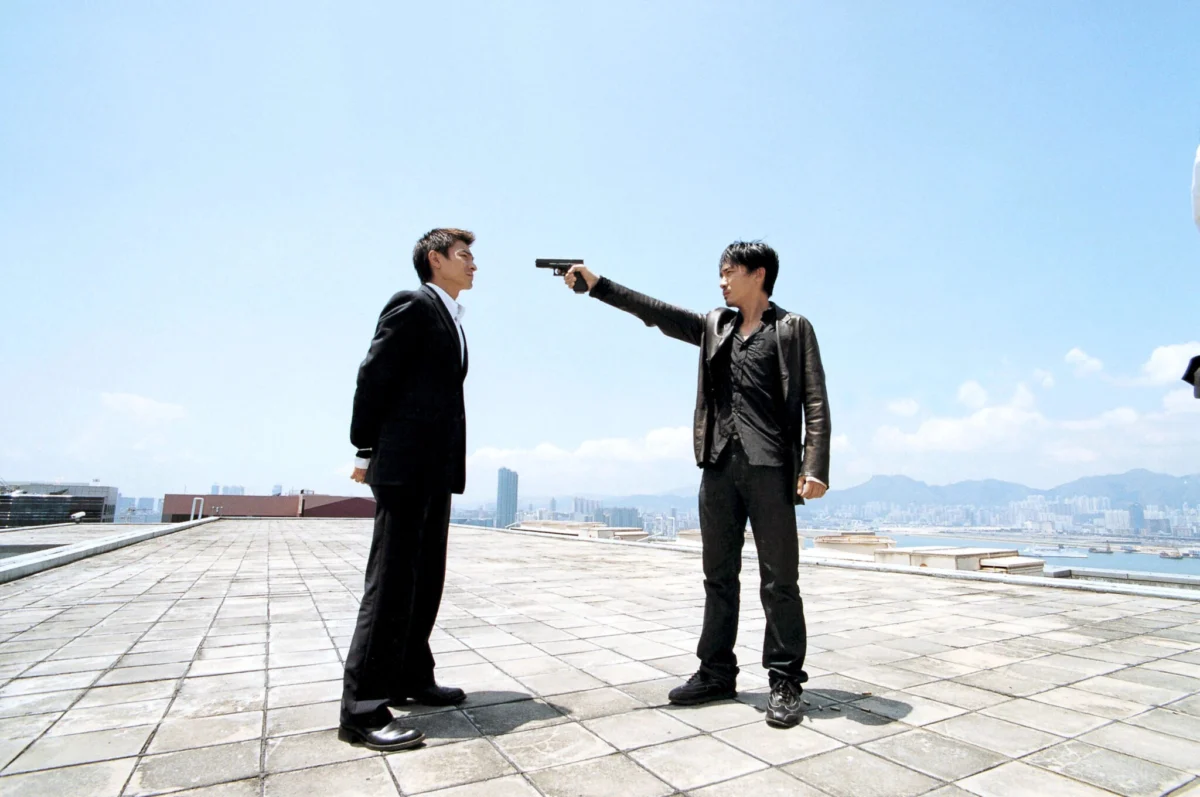
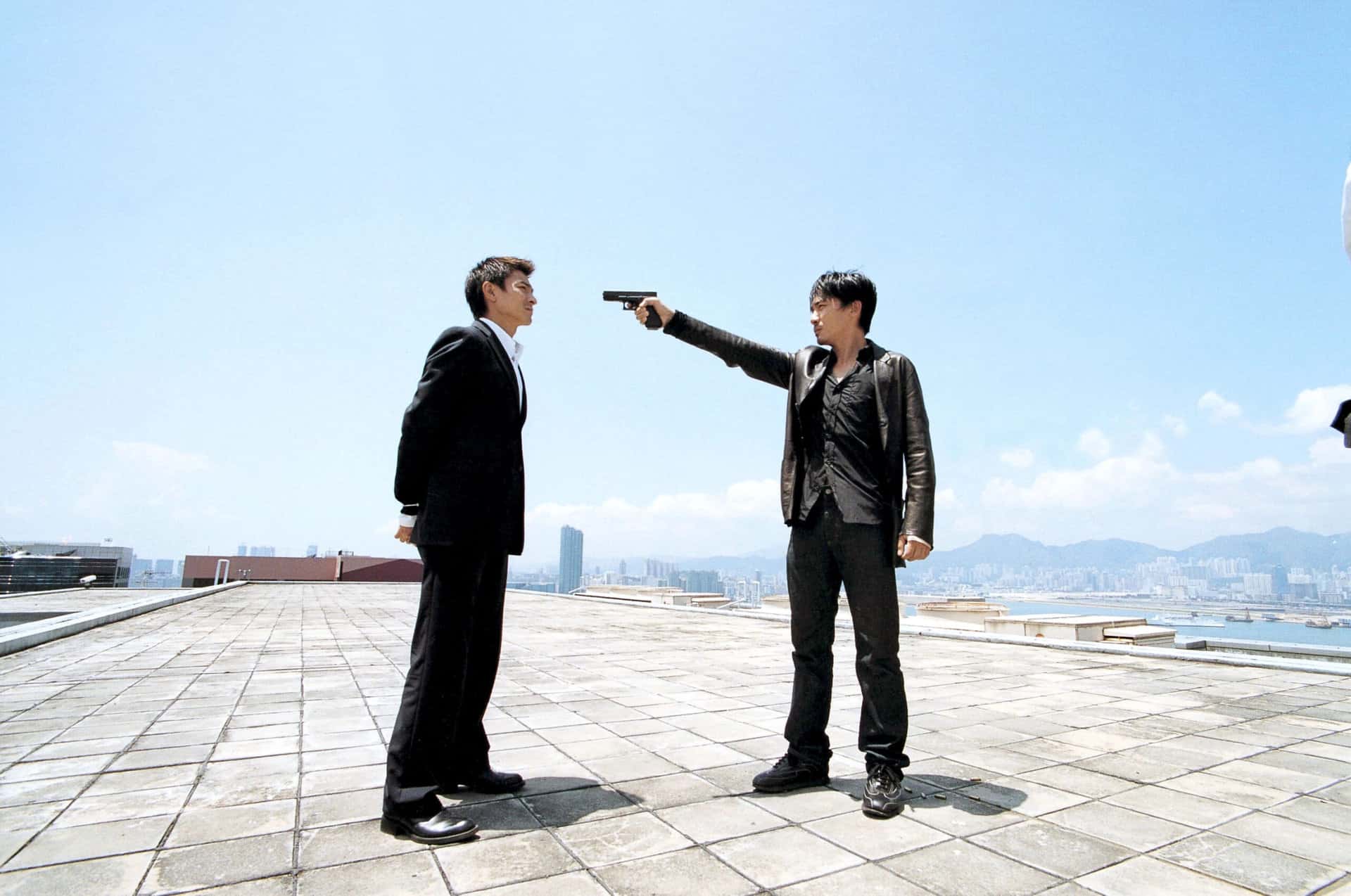
Infernal Affairs (Andrew Lau, Alan Mak, 2002) is arguably the most influential film in this evolution. It redefined the genre, moving beyond mere action to a profound exploration of identity crisis. The film introduces a parallel narrative: Lau Kin-ming, a triad mole within the police force, and Chan Wing-yan, an undercover cop infiltrating the triad. Both men live double lives, their true identities shrouded in secrecy, leading to a tense cat-and-mouse game where each is desperate to unmask the other. The psychological toll on both protagonists is immense, as they struggle with their allegiances and the erosion of their true selves. Chan despises his gangster persona and yearns to reclaim his identity as a police officer, while Lau, born into criminality, finds himself drawn to the legitimacy of law enforcement. Infernal Affairs was a critical and commercial triumph, garnering widespread acclaim and inspiring Martin Scorsese’s Oscar-winning remake, The Departed. Its intricate plot, compelling performances by Tony Leung and Andy Lau, and deep thematic resonance solidified its place as a masterpiece of Hong Kong cinema and a global touchstone for the genre.
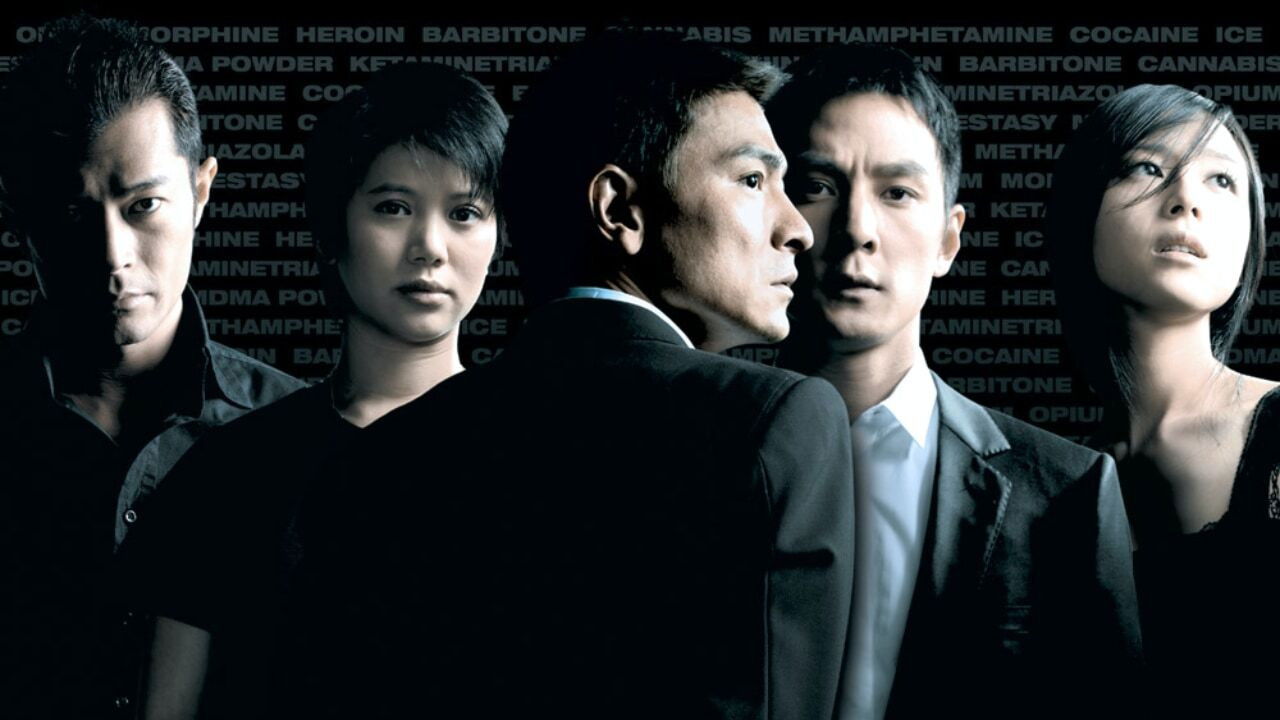
The nuanced exploration of identity continued with films like Protégé (Derek Yee, 2007). This film approached the undercover premise through an intimate and morally corrosive prism, largely eschewing action spectacle for a focus on the psychological and moral erosion that accompanies prolonged immersion in the drug world. Nick, an undercover officer, becomes the trusted right-hand man to a major drug lord, Kwan. As the operation nears its climax, Nick finds himself deeply entangled not just in the mechanics of drug trafficking but in the human devastation it leaves behind, particularly through his connection with a drug-addicted woman and her daughter. Protégé stands out for its bleak realism, portraying the underworld with unflinching honesty. Derek Yee frames every transaction, relapse, and revelation as quietly devastating, emphasizing Nick’s discomfort, growing moral ambiguity, and the impossibility of emerging from such an assignment unscathed. It remains one of the sharpest and most unsettling undercover cop movies in Hong Kong cinema.
The Stool Pigeon (Dante Lam, 2010), while featuring an undercover element, shifts focus slightly to the relationship between a guilt-ridden inspector, Don Li, and his informant, Ghost Jr. After a previous informant suffers brutal consequences, Li recruits Ghost Jr., a soon-to-be-released prisoner, to infiltrate a jewelry heist gang. The film delves into the moral compromises made by law enforcement and the perilous lives of informants. While Dante Lam is known for his intense crime thrillers, The Stool Pigeon leans into melodrama and a sense of pervasive melancholy, examining the human cost of these dangerous operations. Ghost Jr.’s growing connections within the gang complicate his mission, forcing him to confront difficult choices that blur the lines of loyalty.
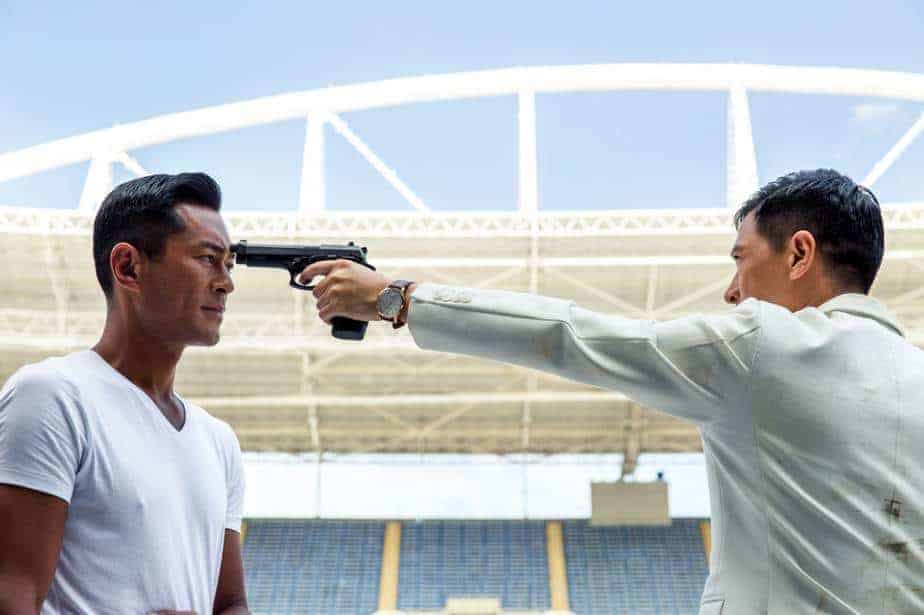
Drug War (Johnnie To, 2012) marked a significant departure, being the first Johnnie To action movie shot entirely in Mainland China. It won multiple Chinese Film Media Awards for Best Picture and Best Director. The story centers on Captain Zhang Lei, a police officer, and Timmy Choi, a mid-level criminal caught after a car accident. To avoid the death penalty, Choi agrees to cooperate with Zhang, leading him through a complex drug trafficking network. The film excels in its agonizing tension, as Zhang and his partners pose as criminals to infiltrate the syndicate, while Choi remains an unpredictable presence, constantly hinting at hidden intentions. Louis Koo’s performance as Choi is particularly compelling, emanating a persistent sense of unease. Johnnie To does not shy away from portraying the police’s methods as often mirroring the brutality of their opponents, with subtle background comments on the death penalty adding a layer of grim realism. The film’s critical success underscored the ability of the genre to adapt to different regional filmmaking contexts while maintaining its core intensity.

The White Storm (Benny Chan, 2013) offers a grander, more operatic take on the undercover narrative, emphasizing brotherhood and betrayal among three lifelong friends who are narcotics officers. Tin, the superior officer, places immense pressure on Chow, who is deep undercover, while Wai attempts to hold their fractured team together. Their pursuit of the fearsome Eight-Faced Buddha in Thailand leads to a devastating operation that shatters their bond. The film is characterized by spectacular action sequences, reminiscent of John Woo’s heroic bloodshed films and Johnnie To’s contemporary work. The emotional core lies in the tragic choices that force one of the "three Musketeers" to decide the fate of his comrades, leading to a collapse of their brotherhood. Stellar performances from Louis Koo, Sean Lau, and Nick Cheung elevate the film, ensuring it resonates with fans of the genre who appreciate both high-octane action and profound emotional drama.
The Korean Wave: Darker Tones and Psychological Depth
As Hong Kong cinema navigated its post-golden age landscape, South Korean cinema began its ascent on the global stage, often characterized by its gritty realism, intense thrillers, and a willingness to explore moral ambiguities. The undercover cop trope found a new home here, often infused with a bleaker, more existential tone.
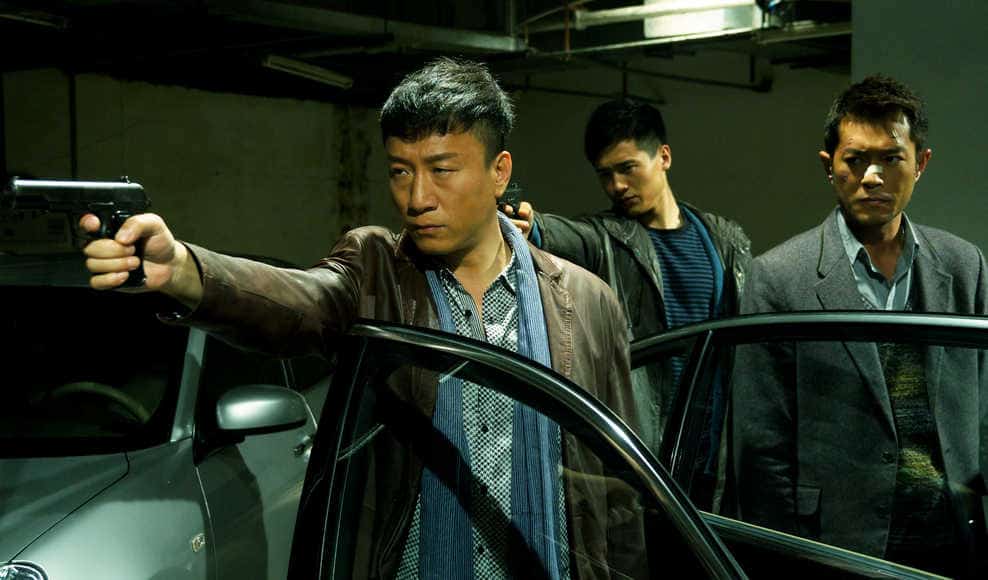
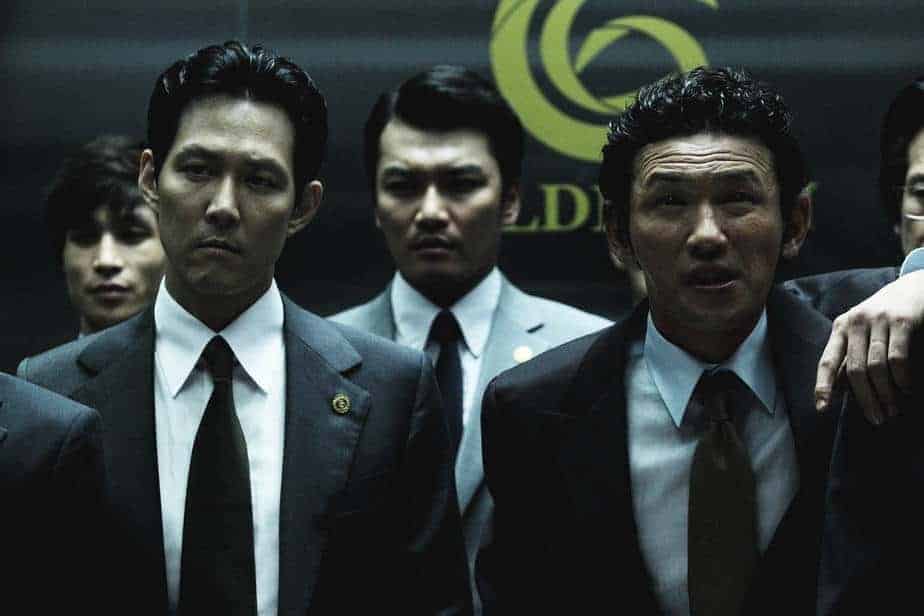
New World (Park Hoon-jung, 2013) is a quintessential example of the Korean contribution to the genre. Ja-sung, an undercover police officer, has risen to become the right-hand man of Jung Chung, the number two in a powerful crime syndicate. When the syndicate’s boss is killed, a brutal power struggle erupts between Jung Chung and Joong-gu. Ja-sung, who was on the verge of retirement, is forced to continue his perilous role by his handler, Kang Hyung-chul, who seeks to install a puppet leader. The film is an agonizing crime thriller replete with violence, anti-heroes, and impressive action sequences, but its true excellence lies in its character development. The delicate balance of power and loyalty constantly shifts, culminating in a shocking finale where nothing seems improbable. Lee Jung-jae’s portrayal of the perpetually anxious Ja-sung, Hwang Jung-min’s charismatic Jung Chung, and Choi Min-sik’s nuanced performance as a cop not so different from his targets, collectively create a masterpiece of the genre, highlighting the psychological toll and the blurring lines of identity.
The Merciless (Byun Sung-hyun, 2017) further pushed the boundaries of the South Korean gangster genre, centering on the complex relationship between veteran criminal Han Jae-ho (Sol Kyung-gu) and his confidant, Jo Hyun-soo (Im Si-wan), who is an undercover cop. Their bond is forged in prison through violence, and Jo’s frighteningly brutal exterior masks a deeper vulnerability. The film is a visually exquisite piece, with cinematography that uses tonality shifts to mirror the theme of hidden depths and surfaces. The color palette oscillates between saturation and desaturation, helping to differentiate overlapping timelines. The action is always motivated, and Im Si-wan’s outstanding performance seamlessly blends the vulnerable and violent aspects of his character. The Merciless stands as a testament to South Korean cinema’s peak performance, offering an immoral anti-hero whose loyalty is constantly tested, even by the homosocial bonds of the gang.
The Prison (Na Hyun, 2019), though perhaps a spoiler to categorize, is a very strong film that effectively uses the undercover narrative. Former cop Song Yoo-gun is sent to prison on a hit-and-run charge, only to discover that the incarcerated Jung Ik-ho runs a nationwide crime syndicate from within, sending prisoners out at night to commit crimes. Yoo-gun eventually joins the syndicate and rises through its ranks, his true mission gradually revealed. The film excels in its well-executed set pieces, strong performances by Han Suk-kyu and Kim Rae-won, and high production values. While the twist of Yoo-gun being a mole is not entirely unpredictable, it is deftly handled, allowing the film to explore the dark underbelly of the prison system and the deep corruption that can permeate even the most confined spaces. The film demonstrates the continued strength of South Korean crime thrillers in crafting compelling narratives around the theme of infiltration and betrayal.
Diversifying the Trope: Japan, Philippines, and Beyond
The undercover cop narrative isn’t exclusive to Hong Kong and South Korea. Other Asian cinematic traditions have adopted and adapted the trope, injecting their unique cultural flavors and directorial styles.
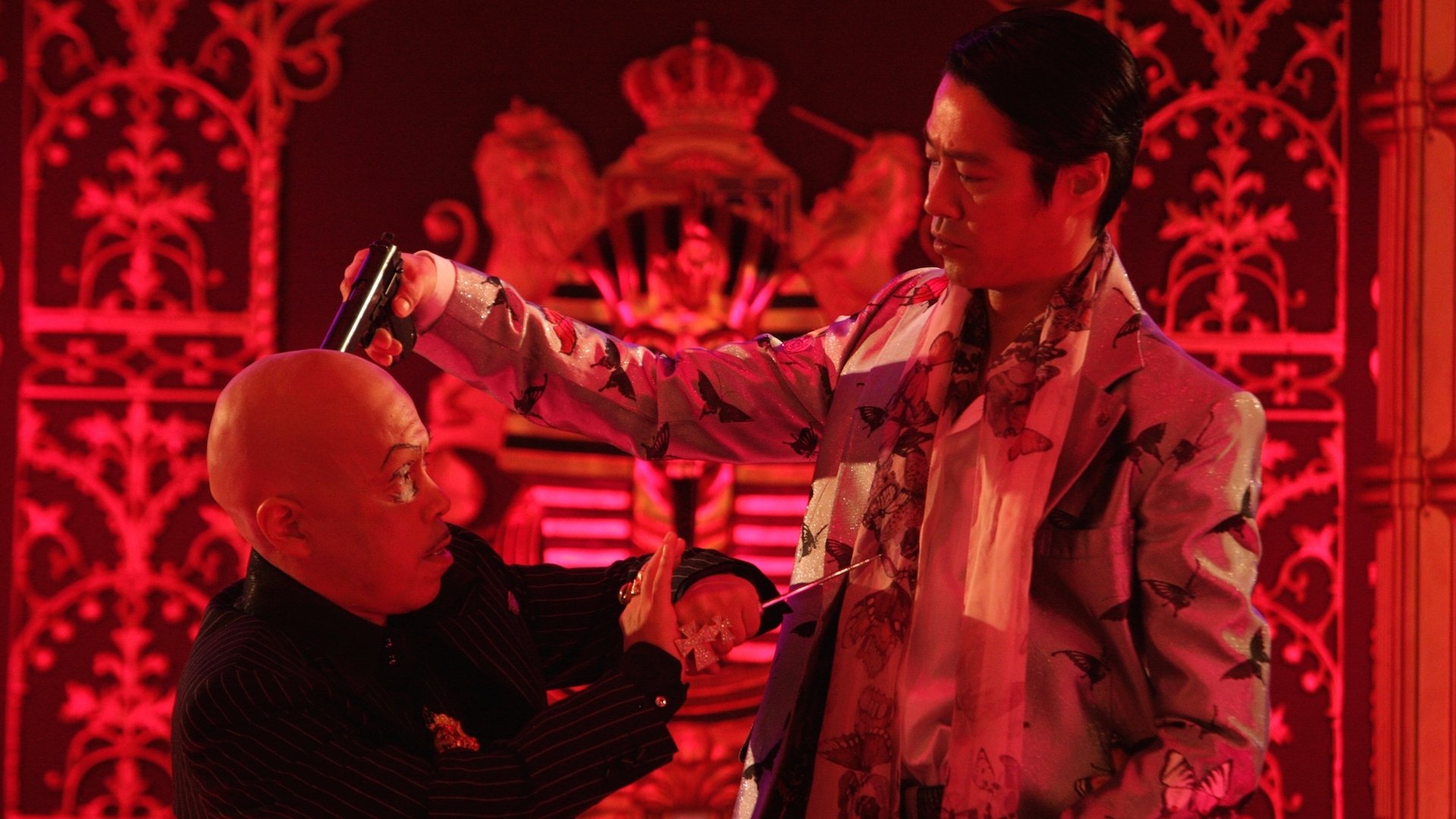
The Mole Song: Undercover Agent Reiji (Takashi Miike, 2014) from Japan offers a radically different, highly comedic interpretation. Reiji, an incredibly inept police officer, is tasked with infiltrating the heinous Sukiya-kai yakuza clan, suspected of smuggling MDMA. Miike’s film embraces typical manga aesthetics, resulting in a garish, flamboyant, and over-the-top camp experience. It’s a relentless, adrenaline-fueled action-comedy, with slapstick gags and genuinely hilarious jokes. The film doesn’t aspire to be clever but succeeds as unashamedly entertaining, with Ikuta Toma’s histrionic performance carrying the narrative. Despite its silliness, it’s a well-directed action-comedy and a proud addition to Takashi Miike’s diverse filmography, showcasing how the undercover trope can be adapted for pure, unadulterated fun.
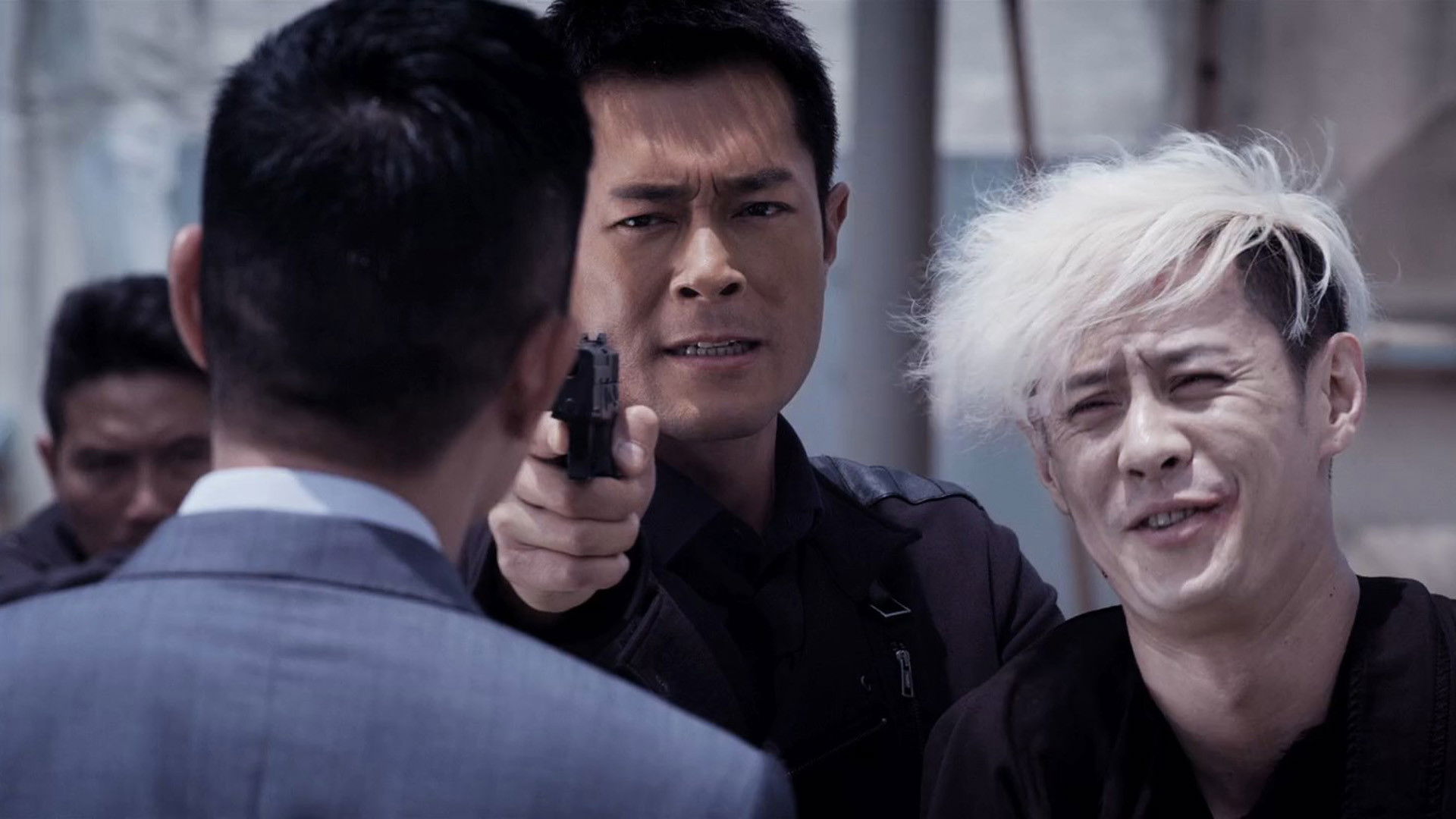
Line Walker (Jazz Boon, 2016), a Hong Kong production, draws inspiration from Johnnie To’s style and Infernal Affairs‘ narrative, blending it with elements of John Woo’s heroic bloodshed. The plot revolves around a police chief who, before his murder, deletes files containing the identities of undercover agents, leaving them stranded without official recognition. Agent Ding Siu-ka and Inspector Q work to uncover these lost agents, leading them to Blackjack, an undercover operative within a notorious drug syndicate. The film’s central twist—the identity of Blackjack—drives much of the tension, complemented by humorous interactions and well-choreographed action sequences. Crisp editing, Chin Kar-lok’s stunt coordination, and excellent casting featuring Francis Ng, Charmaine Sheh, Nick Cheung, and Louis Koo make Line Walker an engaging and entertaining entry, even if it doesn’t reach the "masterpiece" status of some of its predecessors. It successfully leverages familiar genre elements for a compelling cinematic experience.
BuyBust (Erik Matti, 2018), from the Philippines, injects a potent dose of social commentary into the undercover narrative, setting it against the backdrop of the country’s brutal War on Drugs. Nina Manigan, an elite anti-narcotics officer, leads a specialized team into the slums of Manila for a buy-bust operation against a powerful drug syndicate. The mission quickly spirals into chaos as the team finds itself surrounded and betrayed. The film transforms into a relentless barrage of violence, featuring intense hand-to-hand combat, firearms, and improvised weapons. Beyond the visceral action, Erik Matti incorporates commentary on police corruption and the devastating human cost of the War on Drugs, though this message is often subsumed by the sheer intensity of the action. Neil Derrick Bion’s cinematography creates a claustrophobic atmosphere, and Jay Halili’s editing maintains a rapid pace, notably in sequences like an extended single-take fight in the rain. BuyBust showcases a different national context for the genre, highlighting its versatility in addressing urgent social issues.
Extreme Job (Lee Byeong-heon, 2019), another South Korean entry, returns to the comedic side of the undercover genre, but with a unique twist. A team of incompetent narcotics detectives, led by the jaded Captain Ko, decides to buy a failing fried chicken joint across the street from their target’s hideout to use as a stakeout base. However, Detective Ma’s unexpected culinary skills transform the restaurant into a massive success, threatening to derail their actual mission. The film is a superb action-comedy, blending proper tension with laugh-out-loud moments, while also adding satire and social insight. It progresses from physical comedy to a smart contextual narrative, culminating in an orgy of unbelievable and hilariously choreographed violence. Extreme Job works on multiple levels, with its incredible pacing and smart script making it one of the best and most hilarious comedies in recent years, demonstrating the ongoing innovation within the genre in South Korea.
Thematic Undercurrents: Identity, Morality, and Social Critique
Across these diverse films, several recurring themes provide the genre with its enduring power and relevance.
Identity Crisis is perhaps the most central theme. Undercover agents are forced to shed their true selves and fully embody their false personas, often for extended periods. This prolonged immersion blurs the lines between their official duty and their adopted identity. Films like Infernal Affairs and New World poignantly depict the psychological fragmentation experienced by protagonists who struggle to remember who they truly are or to reconcile their two lives. This internal conflict often leads to profound existential dilemmas, where the desire to return to one’s former life clashes with the ingrained habits and relationships formed in the underworld.
Morality and Ethics are constantly tested. Undercover work inherently involves navigating grey areas, making difficult choices, and often committing acts that would be considered illegal or immoral under normal circumstances. The films explore the compromises agents make, the ethical dilemmas they face, and the question of whether the ends justify the means. Protégé particularly excels in showcasing the morally corrosive effect of being deeply embedded in the drug world, where the protagonist’s discomfort and growing ambiguity become central to the narrative. The line between right and wrong becomes increasingly blurred, challenging both the characters and the audience.
Social Commentary is another powerful dimension. Many of these films use the crime underworld as a lens through which to critique broader societal issues. Corruption within law enforcement, the pervasive nature of organized crime, the devastating impact of drug trafficking, and the flaws in the justice system are all common targets. Drug War subtly critiques the harsh realities of Mainland Chinese law enforcement and the death penalty, while BuyBust directly confronts the brutality and ethical complexities of the War on Drugs in the Philippines. Extreme Job, though a comedy, offers satirical insights into bureaucratic incompetence and the challenges faced by public servants. These films often serve as stark reflections of contemporary social anxieties and political realities in their respective regions.
Loyalty and Betrayal are interwoven into nearly every undercover narrative. The agent must gain the trust of criminals while maintaining loyalty to their police handlers, often leading to agonizing decisions when these allegiances conflict. The threat of betrayal, both from within the criminal organization and from their own superiors, creates constant tension. Films like Infernal Affairs and New World are masterclasses in exploring the shifting dynamics of loyalty, where bonds forged in the underworld can become dangerously real, complicating the agent’s mission and personal safety.

Impact and Global Resonance
The influence of Asian undercover cop films extends far beyond their immediate regions. Infernal Affairs, in particular, had a profound global impact, demonstrating the genre’s potential for complex storytelling and character depth. Its remake, The Departed, introduced these narrative structures to a wider Western audience, highlighting the universal appeal of its themes.
Commercially, many of these films have been highly successful. Fight Back to School was a major box office hit in Hong Kong, cementing Stephen Chow’s star status. Infernal Affairs revitalized Hong Kong cinema and was a critical and commercial success across Asia. More recently, Extreme Job became one of the highest-grossing films in South Korean history, demonstrating the genre’s continued commercial viability, especially when skillfully blended with comedy. Critically, these films have garnered numerous awards and accolades, both domestically and internationally, affirming their artistic merit and contribution to global cinema.

The rise of streaming platforms has further amplified the reach of these films, allowing international audiences to discover the rich narratives and stylistic innovations of Asian undercover cinema. This exposure has cemented the genre’s status as a dynamic and evolving cinematic force, inspiring filmmakers worldwide.
Conclusion: A Mirror to Society’s Shadows
The undercover cop narrative in Asian cinema remains a powerful and versatile genre. From the early comedic romps of Hong Kong to the gritty, psychological thrillers of South Korea and beyond, these films consistently deliver intense drama, thrilling action, and profound thematic explorations. They delve into the fragile nature of identity, the murky waters of morality, and the complex interplay between justice and corruption. By placing protagonists in the perilous liminal space between law and lawlessness, these films offer a compelling mirror to society’s shadows, reflecting its anxieties and its enduring fascination with those who walk a tightrope between two worlds. As Asian cinema continues to innovate and expand its global footprint, the undercover narrative is poised to remain a vital and captivating cornerstone, continually evolving to reflect new social realities and cinematic possibilities.