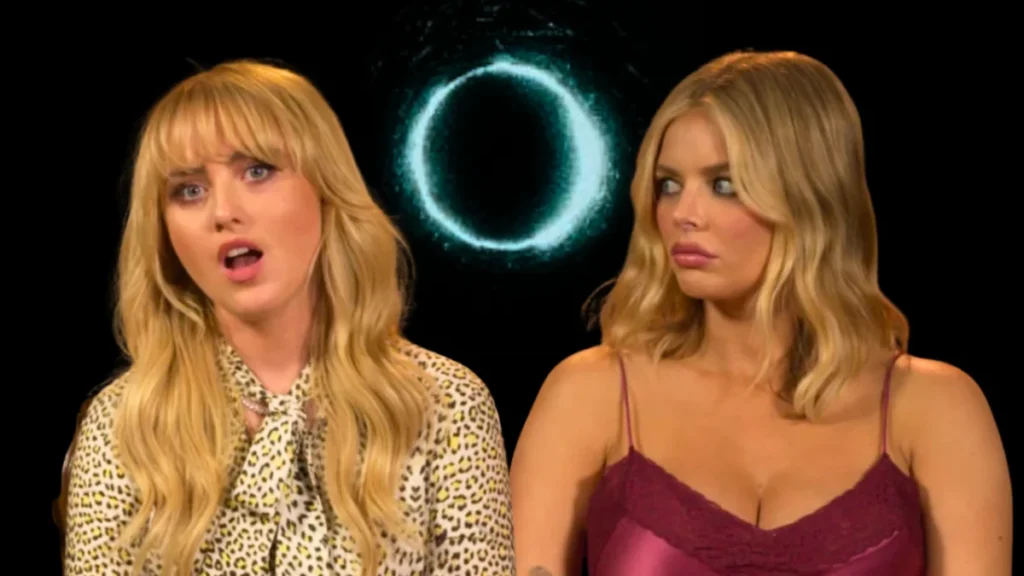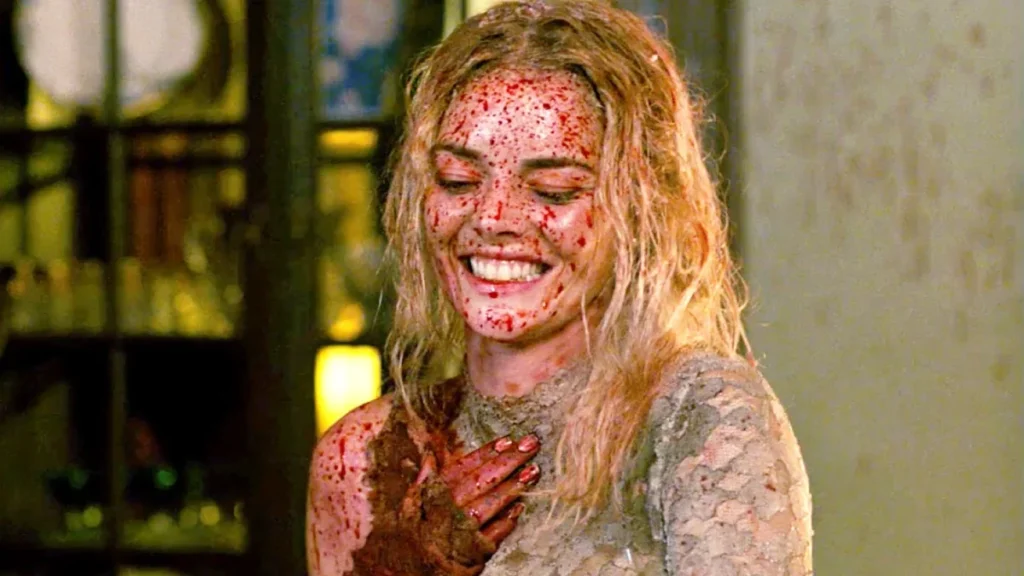
The independent horror film Undertone, initially a passion project crafted with a shoestring budget, has achieved a significant theatrical debut under the distribution umbrella of A24, securing an estimated $9.3 million in its opening weekend. This performance places it third at the domestic box office, a notable accomplishment for a film that rose from the ranks of DIY filmmaking, echoing the success trajectory of earlier low-budget, high-concept horror hits like Paranormal Activity. The film’s unique marketing strategy, emphasizing its groundbreaking sound design, proved instrumental in drawing audiences, particularly into Dolby-equipped theaters.
A Calculated Auditory Experience Drives Box Office Success
A24’s marketing campaign for Undertone masterfully leveraged the film’s most compelling attribute: its immersive sound design. The tagline, "the scariest film you’ve ever heard," was not merely a catchy phrase but a strategic directive, guiding potential viewers towards a specific theatrical experience. By positioning sound as the primary driver of terror, A24 effectively communicated that the film’s impact was intrinsically linked to the quality of its audio presentation. This approach encouraged patrons to seek out screenings in venues equipped with advanced sound systems, such as Dolby, thereby enhancing the film’s atmospheric dread and psychological impact.
The success of this sonic-centric marketing can be seen in the film’s strong opening weekend performance. While not reaching the unprecedented heights of Paranormal Activity, which became a cultural phenomenon, Undertone‘s $9.3 million debut is a testament to the power of targeted promotion and a unique selling proposition in a crowded marketplace. This figure represents a significant return on investment, given the film’s reported production budget of just $500,000.
Production Genesis and Distribution Path
Undertone‘s journey from independent production to major studio release offers a compelling case study in the evolving landscape of film financing and distribution. The film was conceived and produced by director Ian Tuason and his team, who meticulously crafted a narrative that would thrive on auditory tension. The low production cost of $500,000 allowed for creative freedom and experimentation, particularly in the realm of sound.
The subsequent acquisition and distribution by A24, a studio known for its discerning taste and ability to cultivate cult followings for its genre films, provided Undertone with the platform it needed to reach a broader audience. A24’s expertise in marketing unconventional films proved crucial in translating the film’s intrinsic sonic qualities into a tangible draw for moviegoers. The studio’s investment in promoting the film’s auditory aspects through trailers, social media campaigns, and press materials undoubtedly played a pivotal role in its box office debut.
Critical Reception and Audience Division
Despite its commercial success, Undertone has garnered a mixed reception from critics and audiences, reflected in its CinemaScore of a weak "C." This indicates a significant divergence in opinion regarding the film’s overall effectiveness. While many have lauded its innovative approach to horror and its powerful sound design, others have found the narrative or pacing to be less compelling.
This division is not uncommon for films that prioritize unique artistic choices over conventional storytelling. The emphasis on auditory scares, while a strength for some, may have left other viewers seeking more traditional visual horror elements or a more straightforward plot. The "C" CinemaScore suggests that while the film may have resonated deeply with a segment of the audience, it failed to achieve widespread appeal in terms of overall satisfaction.
The Financial Viability of Low-Budget Horror
The financial implications of Undertone‘s performance are particularly significant for the broader film industry. For an $80 million blockbuster to open to only $10 million would be considered a considerable disappointment, often leading to substantial financial losses. In contrast, a film like Undertone, produced for a mere $500,000, is positioned for profitability even after accounting for acquisition costs and the substantial marketing expenditure by A24.
This disparity highlights the inherent advantage of low-budget filmmaking, particularly within the horror genre, where innovative concepts and effective execution can often outweigh massive production values. Studios are increasingly recognizing the potential for high returns on investment from smaller, more focused projects. The success of Undertone serves as a potent reminder that creative vision and strategic marketing can be more impactful than exorbitant budgets. The film’s ability to generate significant revenue on a fraction of the cost of mainstream productions underscores the viability of this model.
The recent box office performance of films like The Bride!, which reportedly opened to a disappointing figure despite a substantial $80 million budget, further emphasizes the risks associated with large-scale productions and the potential rewards of more modest, concept-driven films. Undertone‘s success offers a compelling counterpoint, demonstrating that a well-executed, conceptually strong film can achieve remarkable commercial results without requiring a massive financial outlay.
Future Prospects and Director’s Vision
While the film’s divisive reception may cast some doubt on the immediate future of a Undertone franchise, director Ian Tuason has reportedly teased the possibility of a trilogy. Whether these ambitions materialize remains to be seen, but the success of this initial installment has certainly provided him with a stronger platform for future endeavors. The experience gained from navigating the challenges of an independent production and then collaborating with a major distributor like A24 has equipped Tuason with valuable insights.
The potential for Tuason to helm future installments of established franchises, such as Paranormal Activity, has also been suggested, given his demonstrated aptitude for creating unsettling atmospheric horror rooted in auditory experiences. His ability to innovate within the genre and engage audiences through unconventional means positions him as a director of interest for studios looking to revitalize or expand their horror intellectual properties.
Narrative Premise and Theatrical Trailer
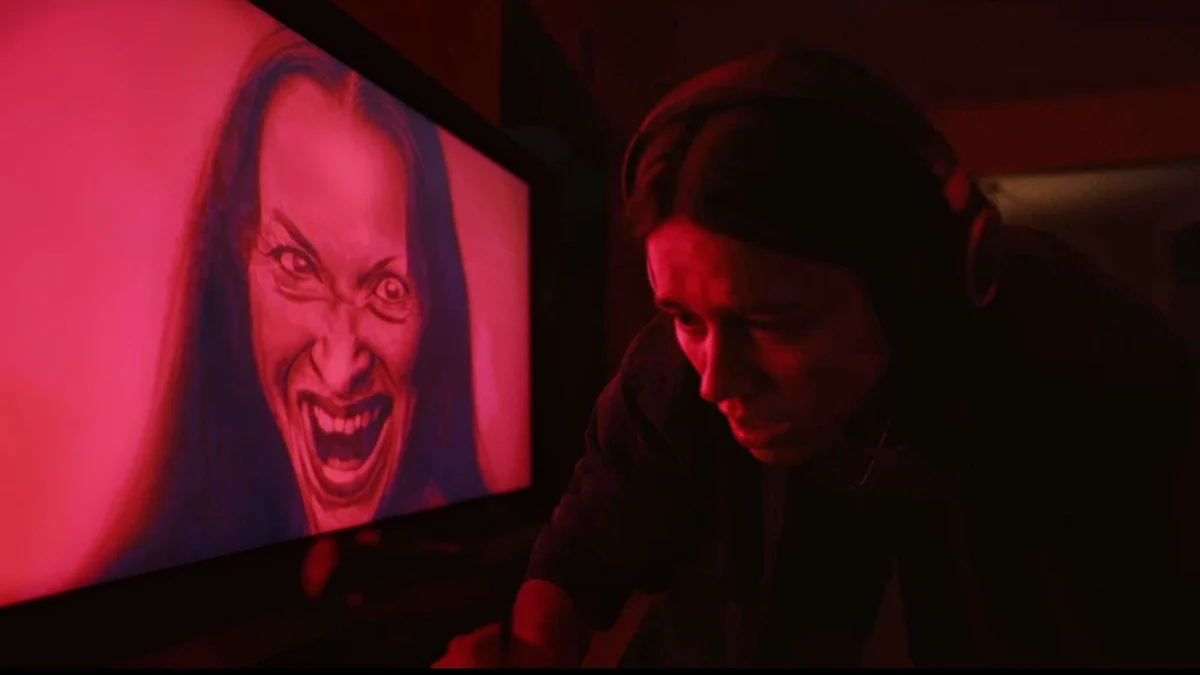
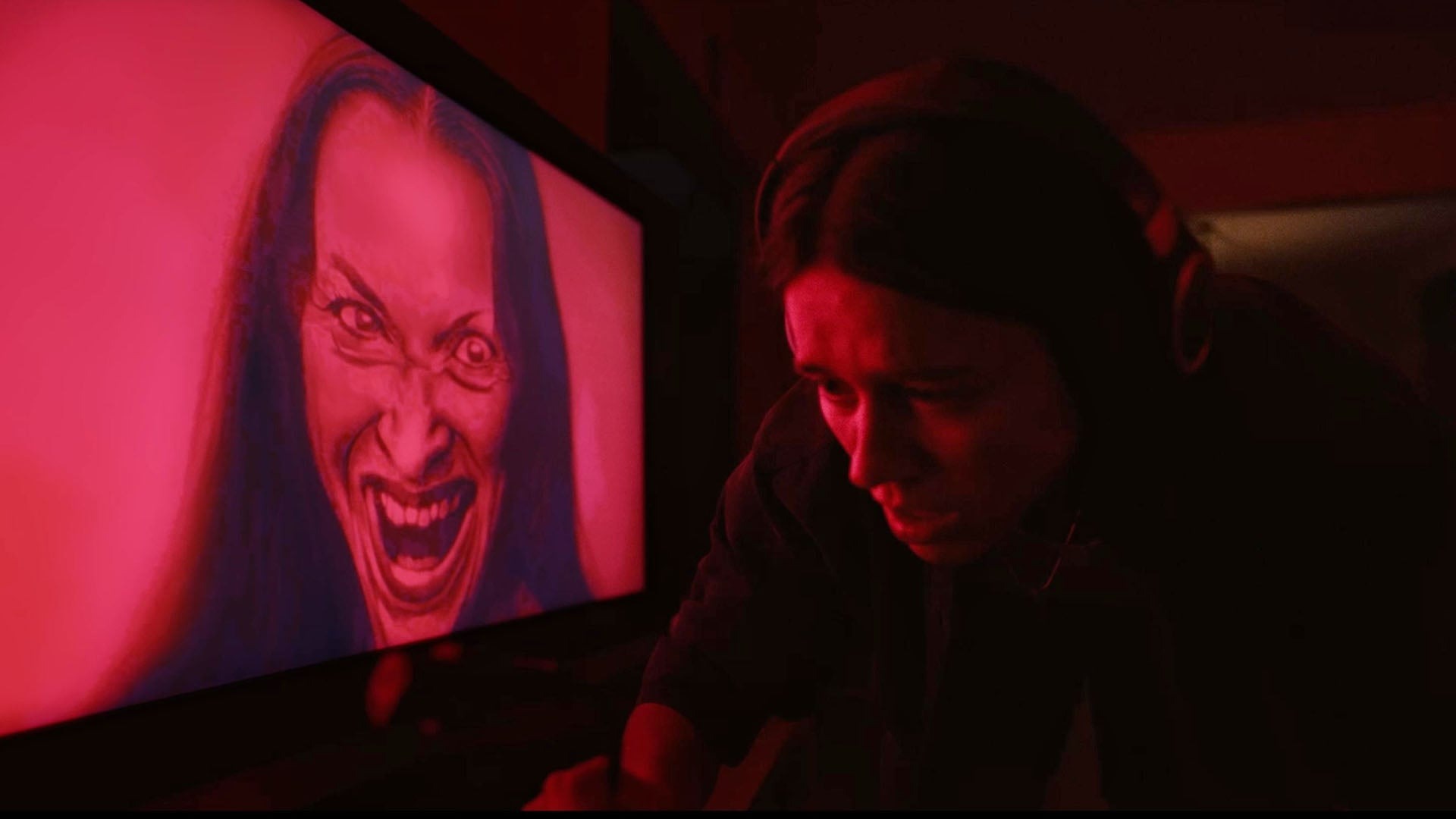
Undertone centers on the host of an "all-things-creepy" podcast who assumes the role of primary caregiver for her ailing mother. The narrative takes a turn when her podcast receives ten peculiar audio recordings detailing the experiences of a young pregnant couple encountering paranormal phenomena. As the host delves deeper into these recordings, she discovers unsettling parallels between the woman’s story and her own life, leading her into a psychological descent as each new audio file erodes her sanity and draws her towards an inescapable fate.
The film’s narrative, which intricately weaves together the personal drama of caregiving with a supernatural mystery driven by audio clues, offers a unique blend of psychological horror and suspense. The use of sound as a primary storytelling device is central to the film’s premise, immersing the audience in the protagonist’s growing unease and the encroaching terror. The official trailer for Undertone provides a glimpse into this auditory-driven horror, showcasing the film’s atmospheric tension and the unsettling nature of its central mystery. The trailer, available on platforms like YouTube, highlights the film’s commitment to its sonic-centric horror approach, setting the stage for the theatrical experience that has captivated a segment of the horror-loving public.
The film’s strategic release in Dolby-equipped theaters capitalized on the growing trend of immersive audio experiences in cinema, further enhancing the impact of its sound design. This deliberate choice by A24 and Tuason aimed to create a memorable and visceral encounter for audiences, emphasizing that the film was not just to be watched, but profoundly heard. The financial success of Undertone suggests that this innovative approach to both filmmaking and marketing can indeed resonate with a significant audience, paving the way for more artistically driven and conceptually bold projects in the horror genre.