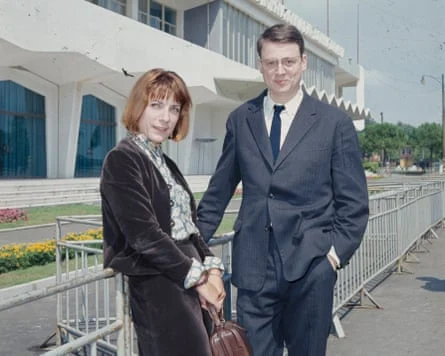
Hollywood has lost a luminous talent with the passing of Valerie Perrine, the celebrated actress whose captivating performances graced both the intimate drama of Bob Fosse’s "Lenny" and the blockbuster spectacle of Richard Donner’s "Superman" films. She was 82 years old. Her death was announced on Facebook by filmmaker Stacey Souther, who shared the heartbreaking news with profound sadness.
"It is with deep sadness that I share the heartbreaking news that Valerie has passed away," Souther wrote on the social media platform, marking the end of an era for fans who cherished Perrine’s distinctive presence on screen.
Perrine’s final years were marked by a courageous battle with Parkinson’s disease, a neurodegenerative disorder that progressively impacts motor skills. Diagnosed in 2015, she faced the illness with remarkable resilience, a testament to her indomitable spirit. Filmmaker Souther, who developed a close bond with Perrine, documented her struggle in a 45-minute film titled "Valerie," which premiered in 2019. This documentary offered an intimate look at her journey, highlighting her unwavering strength and grace in the face of adversity.
"In the face of the illness, she showed incredible courage and compassion, never once complaining," Souther reflected. "She was a true inspiration who lived life to the fullest – and what a magnificent life it was. The world feels less beautiful without her in it."
A Life of Audacity and Artistic Triumph
Valerie Perrine’s career was as multifaceted as it was impactful, marked by early struggles and eventual recognition for her raw talent and captivating screen presence. Before gracing Hollywood, she began her professional life as a showgirl in the glittering showrooms of Las Vegas. This period, while vibrant, was also shadowed by personal tragedy. Her fiancé, a gun importer, died accidentally from a self-inflicted gunshot wound, a stark reminder of life’s fragility and a turning point that propelled her towards a new path.
Relocating to Los Angeles, Perrine found herself intertwined with the glamorous and, tragically, the dangerous circles of Hollywood. She engaged in a relationship with Jay Sebring, a renowned celebrity hairdresser. Sebring’s life was brutally cut short as one of the high-profile victims of the infamous Manson Family murders at the home of Sharon Tate. These early experiences, marked by both the allure of stardom and the specter of violence, undoubtedly shaped the intensity and depth she would later bring to her roles.
Her entry into acting was serendipitous. Discovered by a talent agent at a Los Angeles dinner party, Perrine was quickly cast in a series of roles that showcased her burgeoning talent. Her early film work included a role as a soft-porn performer in the 1972 film adaptation of Kurt Vonnegut’s "Slaughterhouse-Five" and a supporting role as the girlfriend of a racing car driver in the 1973 film "The Last American Hero," starring Jeff Bridges.
A pivotal moment in television history arrived in 1973 when Perrine became the first female actor to appear intentionally nude on U.S. television. Her appearance in the PBS play "Steambath," where her character emerged from a shower, generated significant attention and became a notable moment for its time, contributing to the non-profit broadcaster’s fundraising efforts. This bold move signaled Perrine’s willingness to push boundaries and challenge conventions.
The "Lenny" Triumph and Oscar Recognition
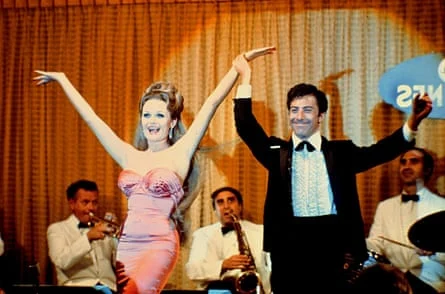
Perrine’s career reached a significant crescendo in 1974 with her portrayal of Honey Bruce, the wife of controversial comedian Lenny Bruce, in Bob Fosse’s critically acclaimed biopic, "Lenny." Starring opposite Dustin Hoffman, who played the titular role, Perrine delivered a performance of searing vulnerability and raw emotion. Her portrayal of the complex and often troubled Honey Bruce earned her widespread critical acclaim, culminating in a Best Actress award at the Cannes Film Festival. This prestigious honor was further bolstered by nominations for both a Golden Globe and an Academy Award for Best Supporting Actress, solidifying her status as a formidable dramatic actress. The film itself, a bold exploration of counter-culture and artistic struggle, is now considered a landmark of 1970s cinema.

From Comedic Villainy to Cult Classics
Following her Oscar-nominated performance, Perrine transitioned into more mainstream, albeit still iconic, roles. In the latter half of the 1970s, she became widely recognized for her role as Miss Teschmacher, the moll of Gene Hackman’s villainous Lex Luthor, in the blockbuster "Superman" (1978) and its 1980 sequel, "Superman II." Her portrayal brought a unique blend of allure and comedic timing to the burgeoning superhero genre, endearing her to a global audience.
Her filmography during this period also included memorable appearances in other notable productions. She played the mistress of legendary comedian W.C. Fields in a biopic opposite Rod Steiger, a role for which she later expressed reservations about her co-star’s temperament, describing him as "full of hate for everything." In 1979, she starred as the ex-wife of Robert Redford’s rodeo champion character in "The Electric Horseman," further showcasing her versatility.
The early 1980s saw Perrine take on roles in films that, while perhaps not critically lauded at the time, have since achieved cult status. She played Jack Nicholson’s wife in the 1982 neo-noir crime drama "The Border." Perhaps most famously, she starred as a newly retired supermodel in "Can’t Stop the Music" (1980), a quasi-biopic of the disco group Village People. The film, which also featured Caitlyn Jenner and Steve Guttenberg, was a critical and commercial failure upon its release. Perrine herself later expressed deep regret over her involvement, stating, "It ruined my career. I moved to Europe after, I was so embarrassed." This experience underscores the inherent risks and unpredictable nature of the film industry, where even celebrated actors can find themselves associated with projects that tarnish their professional standing.
Later Career and Enduring Legacy
While her output lessened in the final four decades of her life, Perrine continued to grace the screen with her presence. She appeared in the 1985 film "Water," where she spoke highly of her co-star Michael Caine, calling him "the nicest human being I’ve ever worked with." In 2000, she played a supporting role as a vapid office assistant in the romantic comedy "What Women Want," starring Mel Gibson and Helen Hunt.
Perrine’s life story, marked by both the dazzling heights of Hollywood success and the profound challenges of personal hardship and illness, is a compelling narrative of resilience and artistic dedication. Her early struggles, including the tragic loss of her fiancé and the harrowing association with the Manson Family, provided a stark backdrop to her rise in a notoriously unforgiving industry. Her willingness to embrace challenging roles, from the raw portrayal of Honey Bruce to the memorable character of Miss Teschmacher, cemented her place in film history.
A Final Wish and Community Support
In her final years, Perrine’s battle with Parkinson’s disease presented significant financial challenges. Filmmaker Stacey Souther, who has become a close confidant and caregiver, has initiated a GoFundMe campaign to help cover funeral costs and fulfill Perrine’s last wish: to be laid to rest at Forest Lawn Cemetery.
"Her final wish is to be laid to rest at Forest Lawn Cemetery," Souther wrote, appealing to the public for support. "But after more than 15 years of fighting Parkinson’s, her finances are exhausted. Let’s come together to make her last wish a reality – she truly deserves it."
The campaign highlights the financial toll that long-term chronic illness can take, even on individuals who have achieved significant public recognition. It serves as a poignant reminder of the vulnerability that all individuals face, regardless of their past achievements. The outpouring of support for this fundraiser reflects the enduring affection and respect the public holds for Valerie Perrine and her contributions to cinema.
The Hollywood Reporter, in a profile published in 2023, further elaborated on Perrine’s situation, detailing Souther’s role not only as a filmmaker but also as a caregiver for both Perrine and her brother, Ken, who also suffers from Parkinson’s disease. This extended caregiving role underscores the deep personal connections forged through shared adversity and the profound impact of compassionate support.
Valerie Perrine’s legacy is that of a gifted actress who brought depth, charisma, and a fearless spirit to her roles. From her Oscar-nominated turn in "Lenny" to her iconic appearances in "Superman," she left an indelible mark on cinema. Her courageous fight against Parkinson’s disease and the public’s response to her final wishes serve as a powerful testament to her enduring impact and the importance of community support in times of need. Her passing leaves a void in the cinematic landscape, but her performances will continue to be celebrated and remembered for generations to come.