Warner Bros. Discovery has officially scheduled a special meeting of its shareholders to vote on the proposed $110 billion mega-deal with Paramount and Skydance, marking a pivotal moment in the ongoing consolidation of the global media and entertainment industry. The company announced early Thursday that the meeting will take place on April 23 at 10 a.m. ET, providing a definitive timeline for a transaction that has captured the attention of Wall Street and Hollywood alike. In a formal filing, the Warner Bros. Discovery (WBD) board of directors stated that it has unanimously recommended that shareholders vote in favor of the deal, signaling a unified front as the company seeks to integrate one of its oldest and most storied rivals.
This upcoming vote represents the culmination of a high-stakes bidding war and a complex strategic pivot for WBD. It is the second special meeting scheduled by the company this year, following a period of intense internal deliberation and external negotiation. Initially, Warner Bros. Discovery had moved toward a deal with Netflix, even scheduling a vote to approve a partnership with the streaming giant. However, those plans were paused when the company opened a window to engage in renewed discussions with Paramount Global and Skydance Media. The objective was to secure a "best and final" offer that would provide greater long-term value than the proposed Netflix arrangement. Ultimately, Paramount’s sweetened bid, bolstered by the involvement of Skydance, emerged as the superior option, leading to the cancellation of the previous proceedings and the scheduling of the April 23 vote.
Strategic Rationale and the $110 Billion Valuation
The $110 billion valuation of the deal reflects not only the tangible assets of the involved parties but also the perceived strategic necessity of scale in the modern streaming era. By combining the vast libraries of Warner Bros. and Paramount, the resulting entity would possess one of the most formidable intellectual property portfolios in existence. From the DC Universe and HBO’s prestige dramas to Paramount’s "Mission: Impossible," "Star Trek," and "Yellowstone" franchises, the merger aims to create a content powerhouse capable of challenging the dominance of Disney and Netflix.
Samuel A. Di Piazza, Jr., chair of the Warner Bros. Discovery board of directors, emphasized that the decision was driven by a commitment to shareholder interests. "The WBD Board has been guided by the singular principle of securing a transaction that maximizes the value of our iconic assets and delivers as much certainty as possible to our shareholders," Di Piazza stated. He further noted that the transaction is expected to expand consumer choice and foster new opportunities for creative talent by providing a more stable and well-resourced platform for content production.
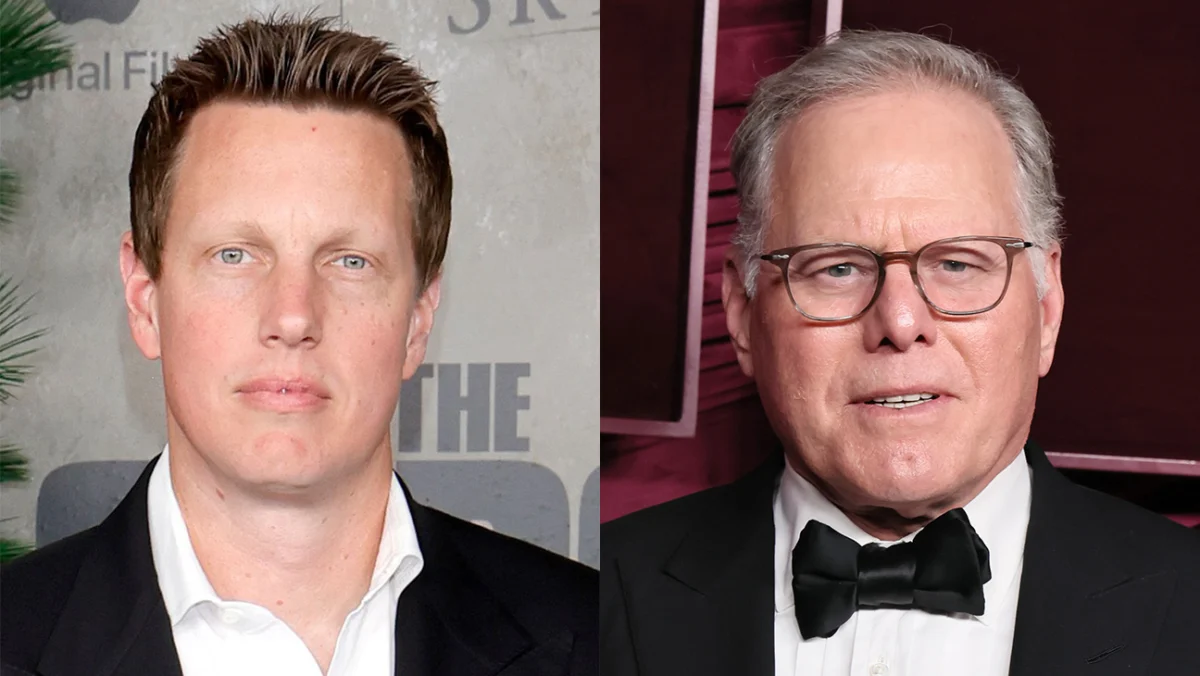
For WBD CEO David Zaslav, the deal is the centerpiece of a multi-year effort to streamline the company’s operations and reduce the significant debt load incurred during the initial Discovery-WarnerMedia merger. "This transaction is the culmination of the Board’s robust process to unlock the full value of our world-class portfolio," Zaslav said. He expressed gratitude to the WBD team for their work in transforming the business over the last several years, noting that the company is now working closely with Paramount and Skydance to ensure a smooth transition and the delivery of benefits to all stakeholders.
A Chronology of the Mega-Merger
The path to the April 23 vote has been marked by several significant shifts in corporate strategy and market conditions. Understanding the timeline of this deal is essential to grasping its complexity:
- Initial Consolidation (2022): Warner Bros. Discovery is formed through the merger of AT&T’s WarnerMedia and Discovery, Inc. CEO David Zaslav begins a period of aggressive cost-cutting and restructuring to manage $43 billion in debt.
- The Netflix Overture (Late 2023): Facing pressure to scale its streaming service, Max, WBD explores a massive licensing and integration deal with Netflix. A special shareholder meeting is initially planned to approve this partnership.
- The Paramount-Skydance Pivot (Early 2024): As Paramount Global struggles with a declining linear television business and the costs of its Paramount+ service, rumors of a merger with WBD intensify. Skydance Media, led by David Ellison, emerges as a key partner in a potential bid for Paramount.
- The Sweetened Bid (March 2024): Paramount and Skydance present a revised offer valued at $110 billion, including debt assumption and equity components. WBD leadership determines this offer is superior to the Netflix deal, citing greater synergies and control over legacy assets.
- The Formal Announcement (April 2024): WBD officially cancels the Netflix-related meeting and schedules the April 23 vote for the Paramount-Skydance transaction.
Financial Implications and Market Data
The financial magnitude of this deal is staggering, even by the standards of the entertainment industry. The $110 billion figure encompasses the combined market capitalization of the entities, the assumption of Paramount’s existing debt, and a significant cash infusion from Skydance and its backers, which include RedBird Capital Partners and KKR.
Market analysts have noted that the merger is a defensive necessity as much as an offensive play. Paramount Global has faced significant headwinds, with its stock price experiencing volatility over the past 24 months due to concerns over its long-term viability as a standalone entity. Warner Bros. Discovery, while more stable, has also seen its share price pressured by the high costs of the "streaming wars."
Data from the fourth quarter of the previous fiscal year showed that while both companies’ streaming divisions (Max and Paramount+) were narrowing their losses, they still faced high churn rates compared to Netflix. By merging the two services, the new entity hopes to reduce overhead costs by an estimated $3 billion to $5 billion annually through "back-office synergies" and reduced marketing spend. Furthermore, the combined company would have a significantly stronger negotiating position with cable providers and advertising agencies, who are increasingly consolidating their own spending.
Regulatory Scrutiny and Potential Obstacles
While the WBD board is unanimous in its recommendation, the deal still faces significant hurdles beyond the shareholder vote. Regulatory oversight is expected to be intense. The U.S. Department of Justice (DOJ) and the Federal Trade Commission (FTC) have signaled a more aggressive stance toward large-scale media mergers under the current administration.
The primary concern for regulators will be the concentration of media ownership. A combined WBD-Paramount would control a massive share of the theatrical box office, cable television networks (including CNN, HBO, MTV, and Nickelodeon), and the production capacity of two of the "Big Five" Hollywood studios. Consumer advocacy groups have already raised concerns that such a merger could lead to higher subscription prices for streaming services and less diversity in content production.
To mitigate these concerns, analysts suggest that WBD may have to agree to divest certain assets. Potential candidates for divestiture include smaller cable networks or specific library rights that overlap significantly. However, WBD executives have remained optimistic, arguing that the merger is necessary to ensure the survival of legacy media companies in a landscape increasingly dominated by tech giants like Apple, Amazon, and Google.
Impact on Creative Talent and Industry Ecosystem
The implications for creative talent—writers, directors, and actors—are equally profound. The merger would likely lead to a consolidation of production hubs and a streamlining of "greenlight" processes. While Samuel Di Piazza, Jr. mentioned "new opportunities for creative talent," many in the industry fear that fewer parent companies will mean fewer bidders for original content, potentially driving down the value of backend deals and creative control.
Conversely, the involvement of Skydance Media is seen by some as a positive sign for the "creative-first" approach. Skydance has built a reputation for high-quality tentpole productions and has maintained strong relationships with top-tier talent like Tom Cruise. David Ellison’s role in the new entity is expected to be significant, potentially overseeing the combined studio operations, which could bring a fresh perspective to the legacy Warner Bros. and Paramount lots.
Looking Ahead to the April 23 Vote
As the April 23 deadline approaches, the focus turns to the institutional investors who hold the majority of WBD shares. Large asset managers will be scrutinizing the fine print of the $110 billion deal, weighing the long-term growth potential against the immediate risks of integration and regulatory pushback.
If approved, the merger would set off a chain reaction across the industry. Competitors like NBCUniversal (owned by Comcast) may feel renewed pressure to seek their own transformative acquisitions to maintain pace. The deal also raises questions about the future of sports broadcasting rights, as WBD’s TNT Sports and Paramount’s CBS Sports would suddenly find themselves under the same umbrella, creating a behemoth in the world of live athletic programming, including the NCAA March Madness and significant portions of the NFL and NBA schedules.
The special meeting on April 23 is more than just a procedural vote; it is a referendum on the future of the traditional Hollywood studio model. In an era where digital disruption has rewritten the rules of engagement, Warner Bros. Discovery and Paramount are betting $110 billion that they are stronger together than they are apart. Whether this gamble pays off will depend on the company’s ability to navigate a complex regulatory environment and successfully merge two distinct corporate cultures into a single, cohesive global leader.