The Filmfort Festival: A Hub for Emerging Talent
Since its inception, the Filmfort Film Festival has carved out a distinctive niche within the crowded landscape of film festivals, primarily due to its unique integration with the multi-genre Treefort Music Fest. Held annually in Boise, Idaho, Treefort is renowned for its eclectic celebration of music, art, culture, and technology, attracting tens of thousands of attendees. Filmfort emerged as a natural extension, designed to spotlight independent film as a crucial artistic discipline within this vibrant cultural tapestry. Its mission is clear: to discover, champion, and present a diverse array of films—features, documentaries, and shorts—from both established and emerging filmmakers. The festival emphasizes bold storytelling, artistic innovation, and films that push the boundaries of conventional narrative and form.
Over the years, Filmfort has grown significantly in stature, becoming a recognized launchpad for indie creators. Its programming is consistently praised for its adventurous spirit and its ability to identify talent early in their careers. The festival provides a critical forum for filmmakers to connect with industry professionals, engage with enthusiastic audiences, and garner the attention necessary to propel their projects forward. Beyond the screenings, Filmfort often incorporates workshops, Q&A sessions, and networking events, fostering a collaborative environment that nurtures the next generation of cinematic artists. The 2026 edition continues this tradition, promising a robust lineup that reflects the contemporary pulse of independent filmmaking, making it an indispensable event for film enthusiasts and industry insiders alike.
Filmmaker Magazine’s Commitment to Independent Cinema
Filmmaker Magazine, a venerable institution in the world of independent film, has long served as a leading voice and advocate for artists working outside the mainstream studio system. Its annual partnership with Filmfort is a testament to its foundational commitment to fostering new talent and broadening the reach of independent storytelling. For decades, Filmmaker has been instrumental in identifying and promoting the next wave of cinematic innovators, notably through its "25 New Faces of Film" series, which highlights groundbreaking directors, writers, and producers poised to make a significant impact.
This collaboration with Filmfort allows Filmmaker to extend its curatorial influence and journalistic reach, offering its readership an exclusive window into a meticulously curated selection of shorts. By hosting these films directly on its platform, Filmmaker not only amplifies the visibility of these works but also democratizes access for a global audience that might not be able to attend the festival in person. This online component is particularly vital in an evolving media landscape, bridging the gap between physical festival experiences and digital accessibility. The partnership reinforces Filmmaker‘s role not just as a chronicler of independent film, but as an active participant in its ecosystem, providing tangible support and critical exposure to artists at crucial stages of their careers.
Highlighting Feature Films at Filmfort 2026
While the Filmmaker showcase focuses on short films, the broader Filmfort 2026 program boasts a compelling selection of feature-length narratives and documentaries that underscore the festival’s commitment to diverse and impactful storytelling. Among the highly anticipated feature films is The Scout, directed by Paula González-Nasser. González-Nasser is a filmmaker whose talent has been recognized by Filmmaker Magazine itself, having been featured on the prestigious "25 New Faces of Film" list last year. Her inclusion in this year’s Filmfort program highlights the festival’s keen eye for directors on the cusp of significant breakthroughs, further validating Filmmaker‘s early recognition of her distinctive vision and promising trajectory.
Another standout feature is Joybubbles, a documentary from Rachel J. Morrison. This film arrives at Filmfort with considerable buzz, having already premiered at the esteemed Sundance Film Festival, a testament to its compelling narrative and artistic merit. Morrison’s work exemplifies the powerful role of documentary filmmaking in exploring complex human stories and shedding light on overlooked aspects of our shared experience. The inclusion of films like The Scout and Joybubbles not only elevates Filmfort’s profile but also provides a rich context for the short film program, demonstrating the festival’s holistic approach to showcasing the breadth and depth of contemporary independent cinema. These features anchor the festival’s offerings, drawing attention to the full spectrum of narrative forms and artistic ambition present in the 2026 lineup.
Exclusive Online Short Film Showcase: A Deep Dive
The six short films exclusively presented by Filmmaker Magazine represent a microcosm of the innovative spirit and diverse thematic explorations found throughout Filmfort 2026. Available for streaming on the Filmmaker site through midnight on March 29, coinciding with the festival’s conclusion, these shorts offer a concentrated dose of cinematic brilliance, each a testament to the power of concise storytelling. They span genres and moods, from dark comedy and surreal introspection to poignant dramas and intense character studies, collectively painting a vivid picture of the talent emerging in independent film today.
My Dead Dad’s Funeral
Directed by Jamie Manelis, My Dead Dad’s Funeral is a 2025 production from the USA, running for 13 minutes. The synopsis introduces Riley, who is tasked with scattering her estranged father’s ashes at his childhood home. What begins as a somber and emotionally fraught day is quickly propelled into unexpected territory as events take a bizarre turn. Manelis’s film appears to navigate the complexities of grief and family estrangement through a unique lens, likely blending elements of dark comedy with poignant drama. Short films often excel at capturing specific emotional states or pivotal moments, and My Dead Dad’s Funeral seems poised to explore how individuals process loss when compounded by complicated familial histories, all while injecting an element of the absurd. This approach can be particularly effective in short-form storytelling, allowing for a concentrated exploration of character and situation without the need for extensive exposition. The film promises a memorable and perhaps cathartic journey into the unexpected facets of mourning.
Public Freakout
Julia Bales’s Public Freakout, a 2025 American production clocking in at 10 minutes, offers a stark, perhaps unsettling, snapshot of contemporary social dynamics. The film’s concise synopsis reveals a scenario where "a group of strangers argue at a gas station." This seemingly mundane setting, a liminal space of transit and brief encounters, becomes the stage for an explosive confrontation. Bales likely uses this confined environment and escalating tension to explore themes of societal friction, the fragility of public decorum, and the underlying anxieties that can boil over in everyday interactions. Short films are adept at creating intense, character-driven moments, and Public Freakout appears to leverage this to full effect. The film could serve as a commentary on the collective stress points within modern society, or perhaps a darkly comedic observation of human behavior under pressure. Its brevity suggests a sharp focus, possibly building to a sudden climax or an unresolved, thought-provoking conclusion that leaves audiences reflecting on the nature of conflict and connection in anonymous public spaces.

Someone to Steal Horses With
Dylan Pailes-Friedman’s Someone to Steal Horses With, a 2025 American film running 10 minutes, delves into a more abstract and poetic cinematic landscape. The synopsis describes a rainy morning interrupted by a radio broadcast featuring a horse’s voice, which transports the daily commute in Los Santos, San Andreas, to a remote broadcasting station. The horse, a narrator reflecting on the past and an ancestral memory, leads viewers through abandoned histories, valleys, and train tracks, blurring the lines of movement and time. The film’s evocative description—a longing for connection, a lost sense of value, a desire to be stolen—suggests a deeply metaphorical and introspective work. Pailes-Friedman appears to be exploring themes of memory, identity, displacement, and the search for meaning in a fragmented world, possibly through a surreal or magical realist lens. This kind of experimental narrative is a hallmark of independent short filmmaking, where directors often test boundaries of storytelling and visual language. The film’s title itself carries a melancholic romanticism, hinting at a yearning for profound companionship or escape.
The Deliveryboy
Directed by Michael Bernieri, The Deliveryboy is a 2025 American short film with a runtime of 25 minutes, making it the longest in this exclusive showcase. The narrative centers on a grieving stoner who returns to his suburban Massachusetts hometown to dog-sit. His return, however, quickly devolves into a complex "cat-and-mouse game with an enigmatic middle school acquaintance." Bernieri’s film seems to weave together elements of drama, mystery, and perhaps dark comedy, exploring themes of grief, nostalgia, arrested development, and the unsettling nature of past relationships. The suburban setting often serves as a backdrop for understated psychological dramas, where familiar environments can harbor hidden tensions and unresolved histories. The protagonist’s state of grief, combined with his stoner persona, suggests a character grappling with escapism and confronting his past. The "cat-and-mouse game" element introduces suspense and intrigue, promising a narrative that peels back layers of character and circumstance, revealing the unexpected undercurrents of a seemingly quiet homecoming.
There’s a Devil Inside Me
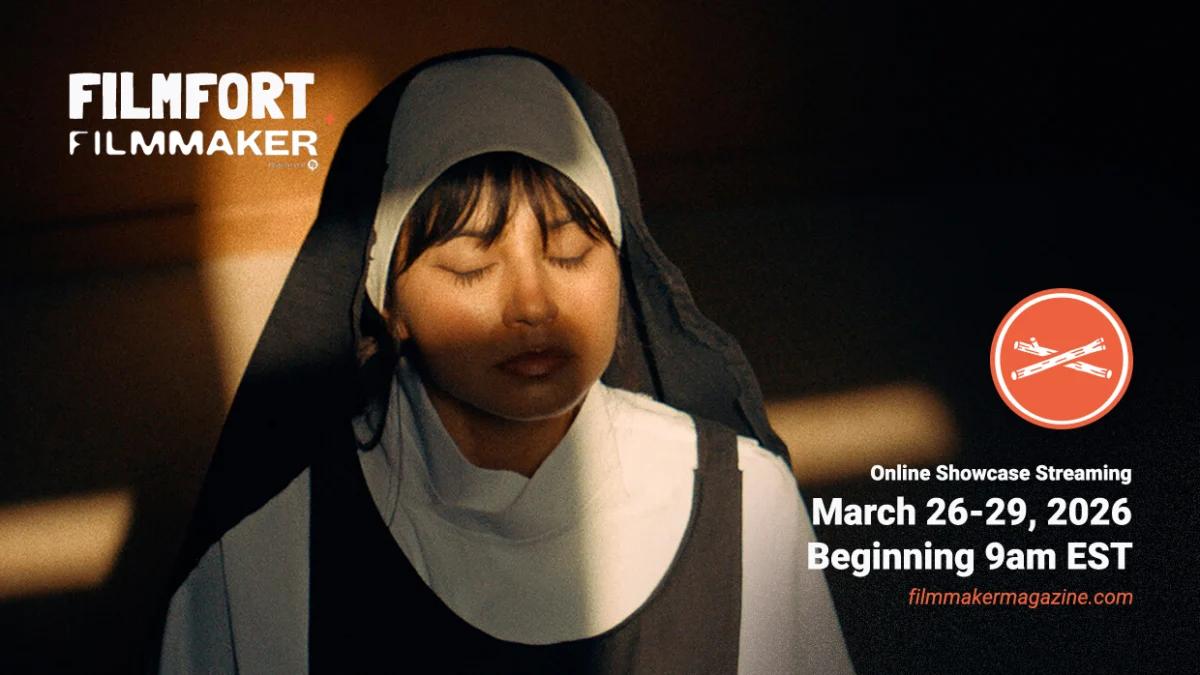
Karina Lomelin-Ripper’s There’s a Devil Inside Me, a 2026 American production spanning 15 minutes, is captured vividly in the article’s accompanying image of a nun. The synopsis reveals Teresa, a "devilish teen," who, after a Catholic confirmation class, pretends to be a nun. The situation spirals out of control when she is mistaken for a real one. Lomelin-Ripper’s film appears to be a sharp, comedic, and potentially provocative exploration of identity, rebellion, faith, and societal expectations. The juxtaposition of a "devilish teen" with the solemnity of a nun’s habit creates immediate dramatic and comedic tension. This short likely delves into the adolescent desire for self-discovery and challenging norms, using the unexpected masquerade as a catalyst for a series of humorous or even profound events. The film could comment on the performative aspects of identity, the pressures of religious upbringing, and the transformative power of assuming a role, even by accident. Its inclusion highlights Filmfort’s embrace of narratives that playfully or critically engage with cultural and personal conventions.
Winter After Winter
Brandon Kaufman’s Winter After Winter, a 2026 Canadian film running 11 minutes, brings a poignant, character-driven drama to the forefront. The synopsis details Nell’s return to Toronto after years away, leading to an unexpected reunion with Jackie, an old friend. A day spent together forces them to confront the buried history that still binds them. Kaufman’s film promises an intimate exploration of friendship, memory, reconciliation, and the enduring impact of shared pasts. The "winter after winter" motif in the title suggests a passage of time, cycles of change, and perhaps a lingering chill from past events. Such narratives often excel in their ability to evoke deep emotional resonance through subtle interactions and unspoken understandings. The film will likely explore how relationships evolve, the weight of unspoken words, and the courage it takes to confront long-dormant emotions. This kind of introspective drama is a staple of independent cinema, offering audiences a reflective and emotionally rich experience within a concise timeframe.
The Broader Significance of Short Form Storytelling
The robust presence of short films at festivals like Filmfort, and their subsequent online distribution through platforms like Filmmaker Magazine, underscores their critical role within the broader cinematic ecosystem. Short films are often the proving ground for emerging directors, writers, and cinematographers, allowing them to experiment with form, hone their craft, and develop a distinctive voice without the immense financial and logistical pressures of a feature-length production. They serve as calling cards, demonstrating a filmmaker’s artistic vision and technical capabilities to potential investors, producers, and festival programmers. Many acclaimed feature film directors began their careers with celebrated shorts, using them as springboards to larger projects.
Moreover, short films offer a unique artistic freedom, allowing for more experimental narratives, unconventional structures, and niche subject matter that might not easily fit into commercial feature formats. They cater to an audience increasingly accustomed to consuming content in shorter, impactful bursts, aligning with contemporary viewing habits. For audiences, shorts provide an accessible entry point into diverse stories and perspectives, often presenting powerful emotional experiences or thought-provoking ideas within a compact runtime. Their inclusion in festival programs and online showcases enriches the cultural landscape, ensuring a vibrant and dynamic future for independent cinema.
Statements and Perspectives
Reflecting on the enduring partnership and the significance of the 2026 showcase, a representative from the Filmfort Festival commented, "Our collaboration with Filmmaker Magazine is invaluable. It not only extends the reach of our curated films to a global audience but also reinforces our shared mission to champion independent artists. The six shorts chosen for this exclusive online presentation embody the diverse, innovative spirit that Filmfort stands for, and we are thrilled for them to receive this amplified exposure."
Similarly, the Editor-in-Chief of Filmmaker Magazine articulated the publication’s perspective: "For decades, Filmmaker has been dedicated to discovering and promoting the voices that shape the future of cinema. Our annual partnership with Filmfort is a cornerstone of this commitment. By bringing these exceptional short films directly to our readers, we provide a vital platform for these emerging talents and offer our audience a glimpse into the cutting edge of independent storytelling. It’s a testament to the power of collaboration in nurturing the arts."
An unnamed director, representing the sentiment of many emerging filmmakers, added, "Having our work selected for Filmfort is an incredible honor, but to then have it showcased by Filmmaker Magazine is truly transformative. This kind of exposure is crucial for independent artists trying to build a career. It means our stories can reach far beyond the festival walls, connecting with an audience that truly appreciates independent film."
Implications for Film Culture and Accessibility
The ongoing partnership between Filmfort and Filmmaker Magazine, particularly through its digital showcase, carries significant implications for the evolution of film culture and accessibility. In an era where digital consumption is paramount, this model provides a blueprint for how film festivals can adapt and thrive, reaching beyond their physical footprint. It addresses the growing demand for curated content that is both high-quality and easily discoverable, catering to a global audience of cinephiles who may not have the means or opportunity to attend festivals in person.
This hybrid approach—combining a physical festival experience with a robust online presence—democratizes film viewing, making independent cinema more accessible to a wider demographic. It also creates new avenues for discovery for filmmakers, offering them a dual platform for critical acclaim and audience engagement. As the film industry continues to navigate shifts in distribution and exhibition, such partnerships highlight the enduring value of curatorial expertise and the power of dedicated platforms to elevate artistic works. The success of this model suggests a future where film festivals and specialized publications will increasingly work hand-in-hand to foster a more inclusive and dynamic landscape for independent storytelling, ensuring that compelling narratives, regardless of their origin or budget, find their rightful audience. The 2026 Filmfort and Filmmaker Magazine collaboration stands as a compelling example of this progressive vision in action.