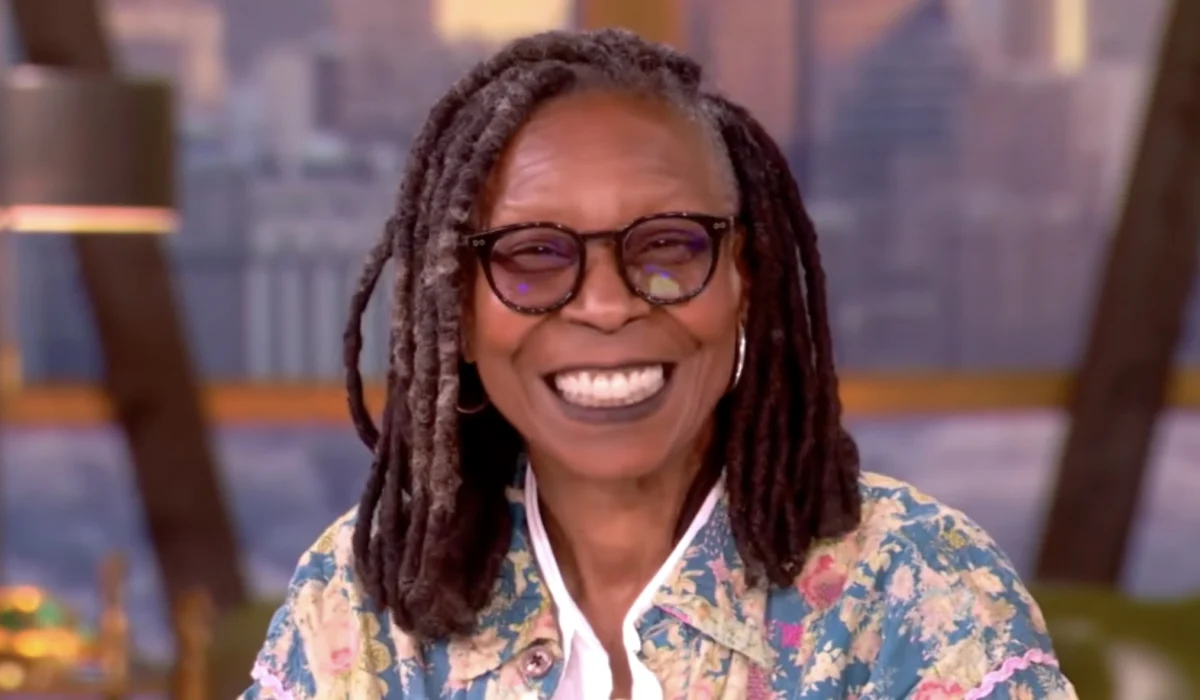
Whoopi Goldberg, the Academy Award-winning actress and long-standing moderator of ABC’s daytime talk show The View, sparked a significant cultural conversation during the Wednesday, March 18 broadcast by candidly discussing her preference for singlehood and casual dating. At 70 years of age, Goldberg emphasized that her history of three marriages has led her to a place of profound personal independence, where she prioritizes her own space over the traditional constraints of a domestic partnership. The discussion arose during a segment inspired by a recent article in Cosmopolitan magazine, which featured a woman in a committed, long-term relationship who admitted to occasionally missing the excitement of "casual flings and bar-hopping." When Joy Behar, Goldberg’s longtime colleague, asked if she could relate to the sentiment of missing the "thrill of the hunt," Goldberg’s response was both blunt and definitive, asserting that she currently lives the life the article’s subject only mused about.
During the exchange, Goldberg noted that she does not merely miss the days of independence but actively participates in a lifestyle that suits her current needs. "I am single. Yeah, I bar hop, I go hang. And I do hit and runs when I need it," Goldberg remarked, using a colloquialism for casual, short-term encounters. She further clarified her position by stating that she is not married to anyone and, consequently, does not carry the weight of domestic responsibility or the need to check in with a partner. This public declaration reinforces a stance Goldberg has maintained for over a decade, signaling a shift in how high-profile women in their seventh decade view romantic fulfillment and the necessity of the nuclear family structure.
A Chronological Overview of Goldberg’s Marital History and Relationships
To understand Goldberg’s current perspective, it is essential to examine her history with the institution of marriage, which she has frequently described as an effort to conform to social expectations rather than a personal desire for lifelong partnership. Goldberg has been married three times, with each union providing a different lens through which she viewed the traditional expectations of a wife.
Her first marriage was to Alvin Martin, a drug counselor, in 1973. This marriage lasted until 1979 and produced her only child, Alexandrea Martin. This period marked Goldberg’s transition from a young woman in California to an emerging talent in the world of improvisational theater and stand-up comedy. Following her rise to international stardom with The Color Purple (1985), she married Dutch cinematographer David Claessen in 1986. The marriage ended in divorce in 1988. Her third and final marriage was to union organizer Lyle Trachtenberg, which began in 1994 and ended just one year later in 1995.
Beyond her legal marriages, Goldberg has been involved in several high-profile long-term relationships. She was notably linked to actor Frank Langella and playwright David Schein. Perhaps her most publicized romantic involvement was with actor Ted Danson in the early 1990s, a relationship that drew intense tabloid scrutiny at the time. She also had a brief but noted relationship with Timothy Dalton. Despite these varied experiences with some of the most prominent figures in the arts and entertainment industries, Goldberg has consistently moved toward a life of solitary residence, a choice she defended in a landmark 2016 interview with the New York Times. In that interview, she famously stated, "I don’t want somebody in my house," explaining that the emotional labor required to maintain a shared living space was something she was no longer willing to perform.
Perspectives from The View Panel: The Burden of Domestic Responsibility
The conversation on The View expanded beyond Goldberg’s personal life to include the perspectives of her co-hosts, many of whom are currently in long-term marriages. The dialogue highlighted a recurring theme in modern sociological discussions: the difference between the desire for new romantic partners and the desire for the simple lack of responsibility that comes with being single.
Sara Haines, who has been married to attorney Max Shifrin since 2014 and shares three children with him, admitted to missing certain aspects of her single life. However, Haines clarified that her nostalgia was not rooted in a desire for casual dating or "bar-hopping," which she described as "exhausting." Instead, Haines focused on the luxury of autonomy. "I do, not the effort of a fling or a bar-hop, but a binge where I can sit and eat an ice cream and no one’s watching," Haines shared. She emphasized that the "center of my own world" feeling of singlehood is what she misses most—the ability to watch what she wants on television or move through her day without accounting for her whereabouts to another person.
Sunny Hostin, a former federal prosecutor and author who is married to orthopedic surgeon Emmanuel Hostin, echoed these sentiments. Hostin described a sense of peace that occurs when her husband is away on trips. She quipped about the "good life" of walking around her home in a caftan, listening to jazz, and enjoying a glass of wine in total solitude. These anecdotes from Haines and Hostin suggest that even within happy marriages, there is a recognized value in the "single state of mind," characterized by a temporary release from the roles of wife and mother.
Supporting Data: The Rise of Silver Divorce and Senior Autonomy
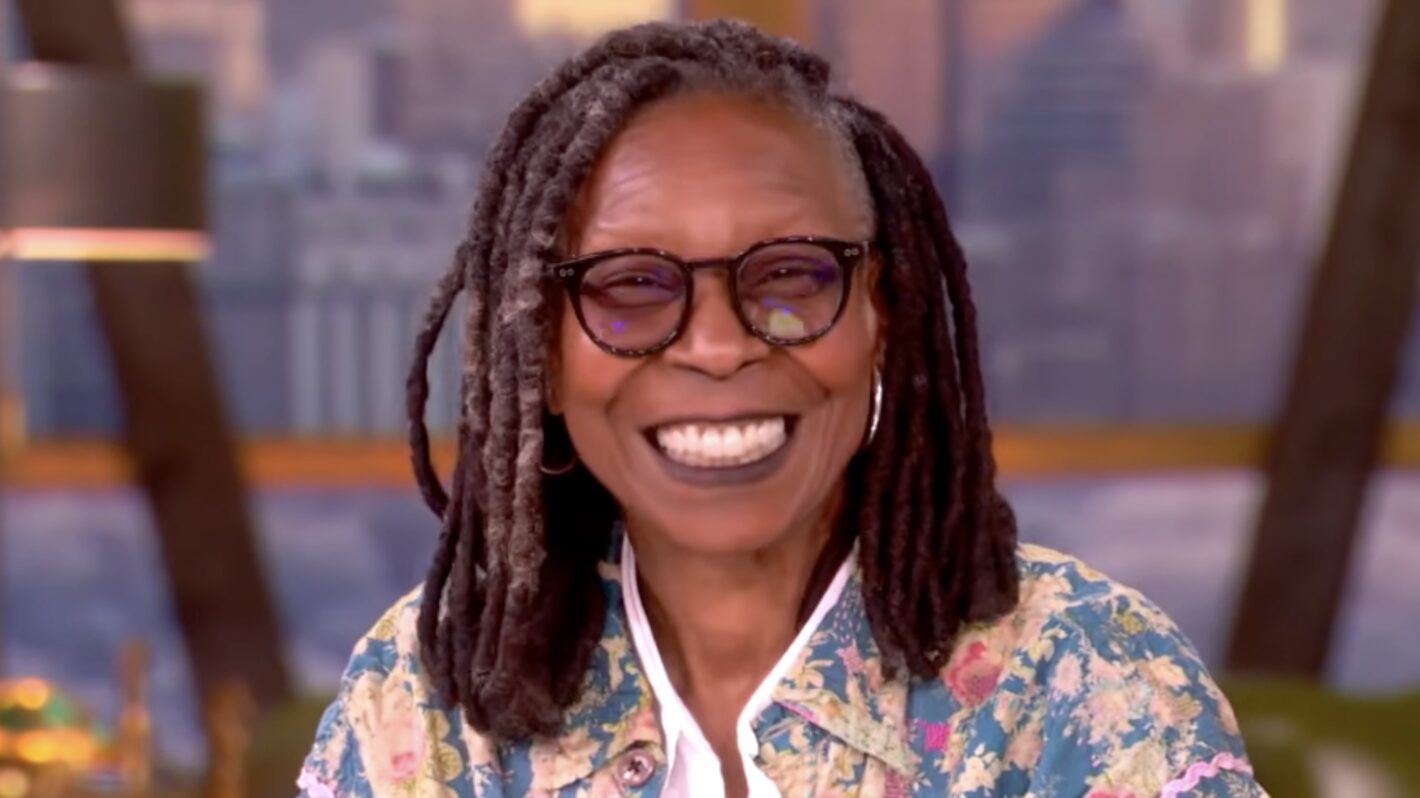
Goldberg’s comments are reflective of broader demographic trends in the United States and other Western nations. According to data from the Pew Research Center, the "gray divorce" rate—divorce among adults ages 50 and older—roughly doubled between 1990 and 2010. While the rate has stabilized somewhat in the last decade, it remains significantly higher than in previous generations. Furthermore, the number of older adults living alone has reached record highs.
Sociological research suggests that women, in particular, often report a higher level of satisfaction with being single later in life compared to men. A study published in the journal BMC Psychology indicates that older women frequently value the "autonomy and freedom from domestic chores" that singlehood provides. Goldberg’s assertion that she "doesn’t have responsibility" aligns with these findings. For many women of Goldberg’s generation, marriage often involved a significant amount of "invisible labor"—managing the household, social calendars, and emotional needs of a partner. In the absence of a spouse, many women find they have more time to devote to their careers, hobbies, and existing social networks.
The Living Apart Together (LAT) Phenomenon
Goldberg’s preference for not having "somebody in my house" also touches upon an emerging relationship trend known as "Living Apart Together" (LAT). This arrangement involves couples who are in a committed, long-term romantic relationship but maintain separate residences. While Goldberg’s current approach appears more casual than a committed LAT arrangement, her rejection of the traditional domestic "nesting" model is a cornerstone of this movement.
Experts suggest that LAT relationships are particularly popular among older adults who have already raised families and established their own domestic routines. By maintaining separate homes, individuals can enjoy companionship and intimacy without the conflicts that often arise from sharing a physical space, such as disagreements over finances, cleanliness, or lifestyle habits. Goldberg’s comments suggest she has taken this a step further by opting for "hit and runs"—prioritizing immediate needs and social interaction without the expectation of long-term commitment or shared property.
Analysis of Implications: Normalizing Non-Traditional Aging
The public reaction to Goldberg’s comments has been largely focused on her transparency. By discussing her dating life with humor and a lack of shame, Goldberg is contributing to the normalization of active social and sexual lives for women in their 70s. For decades, media portrayals of older women have tended to oscillate between the "grandmother" archetype and the "invisible" woman. Goldberg’s description of "bar-hopping" and "hanging" challenges these stereotypes, presenting an image of aging that is defined by agency rather than decline.
Furthermore, Goldberg’s refusal to apologize for her lack of interest in a fourth marriage serves as a critique of the "relationship escalator"—the societal expectation that all romantic involvements must lead toward cohabitation and marriage. Her career as an EGOT winner (Emmy, Grammy, Oscar, and Tony) has provided her with the financial independence to make these choices without the economic pressures that historically forced many women to remain in marriages.
Conclusion and Broader Impact
Whoopi Goldberg’s dialogue on The View serves as more than just celebrity gossip; it is a reflection of a shifting social contract regarding marriage and aging. Her preference for "hit and runs" and the freedom of the single life underscores a growing movement of individuals who prioritize personal autonomy over traditional partnership. As the "gray divorce" trend continues and the population of single older adults grows, voices like Goldberg’s provide a template for a lifestyle that embraces independence as a primary virtue.
The discussion also highlights the nuanced reality of modern marriage, as seen through the reactions of Sara Haines and Sunny Hostin. It suggests that the desire for solitude is a universal human need, regardless of marital status. As The View continues to serve as a forum for these cultural debates, Goldberg’s unapologetic stance remains a cornerstone of the show’s appeal, offering a perspective that is frequently absent from mainstream discussions of senior life. By choosing herself over the "responsibility" of a partner, Goldberg continues to redefine what it means to age with power and self-determination in the public eye.