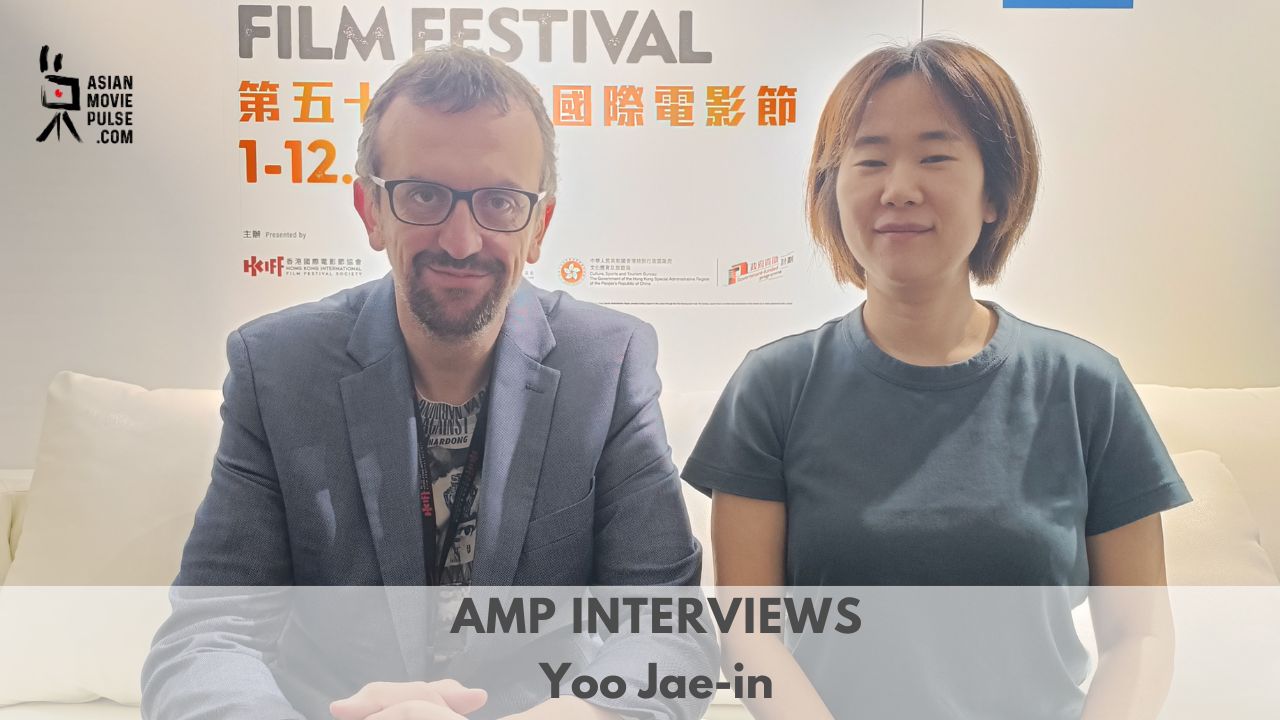
At this year’s Hong Kong International Film Festival (HKIFF), acclaimed Korean director Yoo Jae-in presented her debut feature, "En Route To," a profound and subtly powerful narrative delving into the complex friendship between two teenage girls. The film explores themes of pregnancy, abortion, and the pervasive shadow of an inappropriate teacher-student relationship, all rendered with an emotional intensity that belies its quiet delivery. Following the screening, Yoo Jae-in shared insights into the film’s transformative journey, from its origins as a graduation assignment to its emergence as a fully realized work garnering international recognition and critical attention on the global festival circuit.
A Festival Platform for Emerging Voices: HKIFF’s Enduring Legacy
The Hong Kong International Film Festival, one of Asia’s most venerable and influential cinematic events, provided a significant platform for "En Route To." Established in 1976, HKIFF has consistently championed independent filmmaking, nurtured emerging talents, and fostered cultural exchange, particularly within Asian cinema. Each year, the festival showcases a diverse slate of films, ranging from established masters to groundbreaking new voices, attracting industry professionals, critics, and cinephiles from around the globe. For a debut feature like "En Route To," its inclusion in such a prestigious lineup signals not only the film’s artistic merit but also its potential to resonate with international audiences and spark important conversations. The festival’s historical commitment to diverse storytelling, often highlighting social issues and nuanced character studies, aligns perfectly with the thematic depth of Yoo Jae-in’s work.
From Academic Project to International Premiere: The Genesis of "En Route To"
The journey of "En Route To" began within the hallowed halls of the Korean Academy of Film Arts (KFA Academy), a renowned institution celebrated for its rigorous training and its role in cultivating many of South Korea’s most innovative filmmakers. Yoo Jae-in developed the concept as her graduation project, a testament to the KFA’s emphasis on practical, hands-on experience and creative autonomy. The initial phase involved an intensive year-long period of story refinement, a collaborative process undertaken with classmates through a series of workshops. This iterative approach allowed Yoo to meticulously craft the narrative, ensuring its emotional authenticity and structural integrity before moving into production.
Once the script reached its final, polished form, the production phase commenced, with the film being shot over an intensive month. This was followed by a comprehensive six-month editing period, during which the raw footage was meticulously sculpted into the compelling feature now captivating audiences. The completed work marked its grand premiere at the Busan International Film Festival (BIFF), another cornerstone of Asian cinema. BIFF, founded in 1996, is widely recognized as Asia’s largest and most important film festival, particularly lauded for its support of new directors and its dedication to discovering fresh talent from across the continent. The film’s premiere at Busan was a pivotal moment, signifying both Yoo Jae-in’s official debut on the major festival circuit and the launch of "En Route To"’s promising international trajectory. This chronological progression underscores the dedication and meticulous effort invested in bringing the film to fruition, from its academic roots to its global unveiling.
The Unseen Presence: Exploring Trauma and Absence
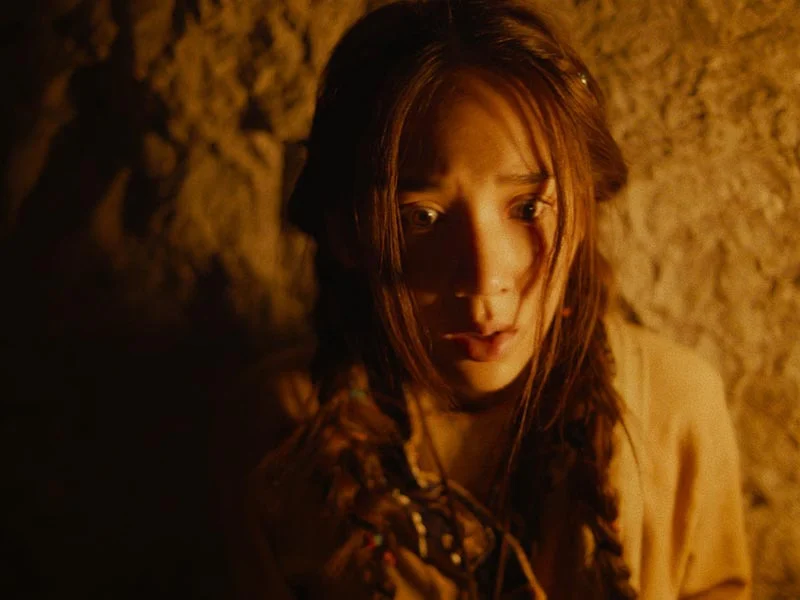
"En Route To" immediately establishes a sense of disquiet through a deliberate narrative choice: the story opens with the palpable absence of a teacher. This void, rather than direct confrontation, permeates the classroom atmosphere and ripples through the lives of the teenage protagonists, Yun-ji and Kyung-sun, creating an immediate undercurrent of unease. Yoo Jae-in clarified her artistic intention, explaining that her interest lay not in dissecting the teacher’s psychological profile or offering a detailed backstory, but rather in foregrounding the profound emotional vacuum his disappearance creates. The film, therefore, pivots on the repercussions of his actions, focusing intensely on how the protagonist, Yun-ji, grapples with the fallout of her first love’s collapse and the subsequent, far-reaching consequences. The teacher’s influence is thus felt most acutely in the emotional landscape he leaves behind, a lingering presence woven into the fabric of the girls’ lives, rather than through explicit on-screen depiction or a fully articulated character arc. This nuanced approach challenges viewers to engage with the thematic implications of absence and its psychological impact.
Navigating a Minefield of Social Issues: Abortion, MeToo, and Shared Responsibility
One of the most potent aspects of "En Route To" is its direct, yet carefully considered, engagement with the topic of abortion. Yoo Jae-in articulated her deliberate resistance to facile judgments, contextualizing the film’s development within a highly charged period in South Korean society. During the script’s formative stages, national debates surrounding the Korean abortion law were prominently featured in public discourse. Simultaneously, the burgeoning MeToo movement and a series of high-profile sexual abuse scandals involving celebrities dominated social media and mainstream news. These overlapping societal discussions profoundly influenced Yoo’s thinking, compelling her to reflect on the inherent vulnerability of teenagers and the crucial responsibility that adults and the wider community ought to bear.
For Yoo, abortion is fundamentally an issue of personal choice, a decision that demands unwavering respect, regardless of whether a woman opts to terminate a pregnancy or to carry it to term. She powerfully emphasizes that what some observers might hastily dismiss as "irresponsible choices" should instead be re-evaluated as the complex outcomes of a broader social environment. In this framework, responsibility is not solely an individual burden to be carried by a single young girl, but rather a collective obligation shared by the entire community. This perspective challenges conventional morality and encourages a deeper societal introspection into the systemic factors that contribute to such difficult circumstances. The film, therefore, acts as a cinematic conduit for these critical social conversations, offering a humanistic lens through which to examine sensitive issues that often remain shrouded in silence or judgment.
The Heart of the Story: A Friendship Forged in Adversity
At the very core of "En Route To" lies the intricate and profoundly moving friendship between Yun-ji and Kyung-sun. Yoo Jae-in highlights that both girls emerge from strikingly similar, often imperfectly nurturing, backgrounds. Yet, their responses to these challenging circumstances manifest in diametrically opposite coping mechanisms. Yun-ji, introverted and guarded, tends to protect herself by withdrawing emotionally, constructing an invisible wall even when her deepest desire is connection and understanding. She internalizes her struggles, making her inner world a fortress.
Kyung-sun, by contrast, has cultivated a different survival strategy. Outwardly confident and assertive, she has learned to skillfully navigate social dynamics, often manipulating situations to her advantage to achieve her desires. Her assertiveness can sometimes mask her own vulnerabilities, presenting a facade of strength. Despite these stark differences in personality and approach, the two girls share an extraordinary depth of mutual understanding. Yun-ji possesses an acute awareness of Kyung-sun’s adeptness at influencing others, recognizing her friend’s strategic mind. Conversely, Kyung-sun possesses the rare ability to penetrate Yun-ji’s silence, intuitively reading the unspoken emotions and hidden struggles that her friend never verbalizes. For Yoo, these two characters embody distinct yet equally valid strategies for surviving shared wounds and navigating the turbulent waters of adolescence. Their bond transcends superficial differences, illustrating the complex and resilient nature of female friendship in the face of adversity.
A Journey of Mutual Transformation: Adolescence as Metamorphosis
As the narrative of "En Route To" unfolds, the dynamic between Yun-ji and Kyung-sun evolves into a powerful journey of mutual transformation. This arc is central to the film’s exploration of adolescent development. Kyung-sun, initially perhaps more self-focused, gradually begins to perceive Yun-ji’s struggle with an increasing sense of empathy, almost as if it were her own. This deepening connection is particularly poignant as Kyung-sun confronts her own unresolved anger concerning her birth and her mother’s decision to have her, a revelation that adds another layer of complexity to her character. Through Yun-ji’s courageous choices and the resolute manner in which she faces their consequences, Kyung-sun slowly embarks on a profound process of opening herself to the world. Her previously hardened stance toward society and her own existence begins to soften, revealing a nascent capacity for vulnerability and understanding.
Yoo Jae-in views this progression as an indispensable element of adolescence – a painful yet ultimately necessary metamorphosis. It is a period during which young people are compelled to transcend pure resentment or instinctual self-defense, moving instead toward a more intricate and nuanced comprehension of themselves and others. This emotional and psychological growth, often fraught with difficulty, is presented as a fundamental step in the journey toward maturity, highlighting the profound impact individuals can have on each other’s development during these formative years. The film beautifully captures this delicate dance of influence and introspection, portraying adolescence not merely as a transitional phase, but as a crucible for profound personal evolution.
A Woman’s Story: Centering Female Perspectives
A particularly striking and intentional aspect of "En Route To" is the relative absence of men as central figures, despite their undeniable influence shaping the narrative’s origins. Yoo Jae-in candidly explains her artistic decision not to dedicate substantial screen time to the teacher or to male perspectives in general. While practical considerations such as running time played a minor role, her primary motivation was a steadfast commitment to maintaining an unwavering focus on a woman’s story. This included exploring the profound dilemma of whether to embrace motherhood and, crucially, delving into the intricate emotional interiority of the young girls who are forced to navigate such monumental decisions.
The teacher’s feelings or motives are deliberately left largely off-screen because, in Yoo’s artistic vision, the true core of the story resides in Yun-ji’s process of overcoming her first love and learning to live with its profound consequences. The film is not an inquiry into the teacher’s affections or intentions—whether he truly loved her or merely exploited her. Instead, it is an exploration of female agency, resilience, and the internal struggle to reclaim one’s narrative in the aftermath of trauma. By consciously decentering male figures, Yoo Jae-in ensures that the film remains an intimate and empowering portrayal of young women grappling with complex realities, placing their emotional journeys and choices at the absolute forefront. This narrative choice reflects a growing trend in contemporary cinema to amplify underrepresented voices and perspectives, offering a vital counter-narrative to traditionally male-dominated storytelling.
The Art of Casting: Visualizing Emotional Contrasts
Casting proved to be a pivotal element in vividly delineating the emotional and psychological contrast between Yun-ji and Kyung-sun. Yoo Jae-in first secured the talented Lee Ji-won for the role of Kyung-sun. Having closely followed Lee’s career since her beginnings as a child actress, Yoo greatly admired her impressive range and commanding screen presence. The director expressed immense enthusiasm when the collaboration became a reality, recognizing Lee Ji-won’s ability to embody Kyung-sun’s complex blend of assertiveness and underlying vulnerability.
With Kyung-sun cast, the critical next step was to find a Yun-ji who would offer a distinct visual and energetic counterpoint. The challenge was significant: since both girls wear the same school uniform, possess similar hair color, and share the same ethnicity, there was a genuine risk of audience confusion. Yoo specifically sought an actress whose appearance and aura would instinctively signal a vastly different personality from Kyung-sun’s outward confidence. Through the agency representing Jang San, the actress cast as the teacher’s wife, Yoo was introduced to Sim Su-bin. Sim was an inexperienced young performer, with "En Route To" marking her first leading role in a feature-length production. What ultimately convinced Yoo was Sim’s remarkable proximity to her conceived vision of Yun-ji and the instinctive understanding the actress demonstrated for the character’s intricate emotional world. This natural connection proved invaluable in bringing Yun-ji’s quiet strength and hidden depths to life. Jang San herself, a seasoned actress whom Yoo had long admired from previous projects, was an ideal fit to round out the adult side of the cast, bringing a nuanced gravitas to the role of the teacher’s wife. This meticulous casting process ensured that the characters’ contrasting personalities were conveyed not just through dialogue, but through their very presence and interaction, enhancing the film’s emotional resonance.
Navigating the Korean Film Landscape: Challenges and Opportunities for Independent Cinema
Currently, "En Route To" has primarily graced the international festival circuit, making significant appearances at prestigious events like the Busan and Hong Kong International Film Festivals. However, it has not yet secured a theatrical release in Korean cinemas. Yoo Jae-in expresses her earnest hope for a domestic theatrical run later this year or next, while openly acknowledging the formidable difficulties presently confronting the national film industry. The landscape of Korean cinema, particularly in the post-pandemic era, presents a complex picture. Large-scale productions continue to grapple with significant hurdles in securing adequate investment and achieving full financial recovery, even as theaters strive to revert to pre-pandemic attendance patterns. The economic uncertainties and shifts in audience behavior have created a challenging environment for big-budget films.
Paradoxically, Yoo suggests that this very environment may inadvertently create unforeseen opportunities for smaller, independent projects like "En Route To." Independent films, by their nature, often possess greater flexibility in terms of production, distribution, and marketing. Their ability to adapt and innovate allows them to potentially carve out a niche in a market that might otherwise be dominated by blockbusters. Despite the prevailing pessimistic mood within the industry, these agile, artist-driven productions can sometimes find unexpected space and resonate deeply with audiences seeking more intimate, thought-provoking narratives. This perspective offers a glimmer of hope for the future of independent cinema in South Korea, highlighting its potential to thrive amidst adversity by offering diverse and compelling stories.
Looking Ahead: A Director’s Vision for Future Narratives
As she reflects on the success of her debut feature, Yoo Jae-in does not yet have a fully formed new project in development but possesses a remarkably clear sense of the artistic direction she intends to pursue. Her aspirations extend beyond the familiar urban landscapes of Seoul. She expresses a strong inclination toward crafting smaller-scale works set in other regions of Korea, and even in international locales. Her focus remains steadfastly on emotional resonance rather than purely spectacle-driven entertainment, prioritizing the inner lives of her characters and the profound human experiences they navigate.
Yoo speaks passionately about her desire to explore "travel-based stories" – narratives that ingeniously utilize changing landscapes and cityscapes as external mirrors reflecting inner transformation. This approach also explains her deep affection for Hong Kong cinema, a genre renowned for its atmospheric storytelling and its ability to weave character journeys into the fabric of dynamic urban environments. Among the titles she mentions as a profound inspiration is "Comrades, Almost a Love Story" (1996), a classic Hong Kong film directed by Peter Chan. This cinematic masterpiece, celebrated for its poignant blend of romance, migration themes, and evocative urban atmosphere, embodies the precise mixture of elements Yoo finds creatively inspiring.
In the wake of her impactful debut, Yoo Jae-in appears poised to continue crafting stories that consistently place teenagers and women at the narrative’s heart. Her ongoing cinematic exploration will undoubtedly trace their intricate journeys of coming of age and self-discovery within societies that are themselves still learning how to fully support and respect their multifaceted choices. Her emerging filmography promises to be a vital contribution to contemporary Korean and international cinema, offering nuanced perspectives on universal human experiences through a distinctly empathetic lens.