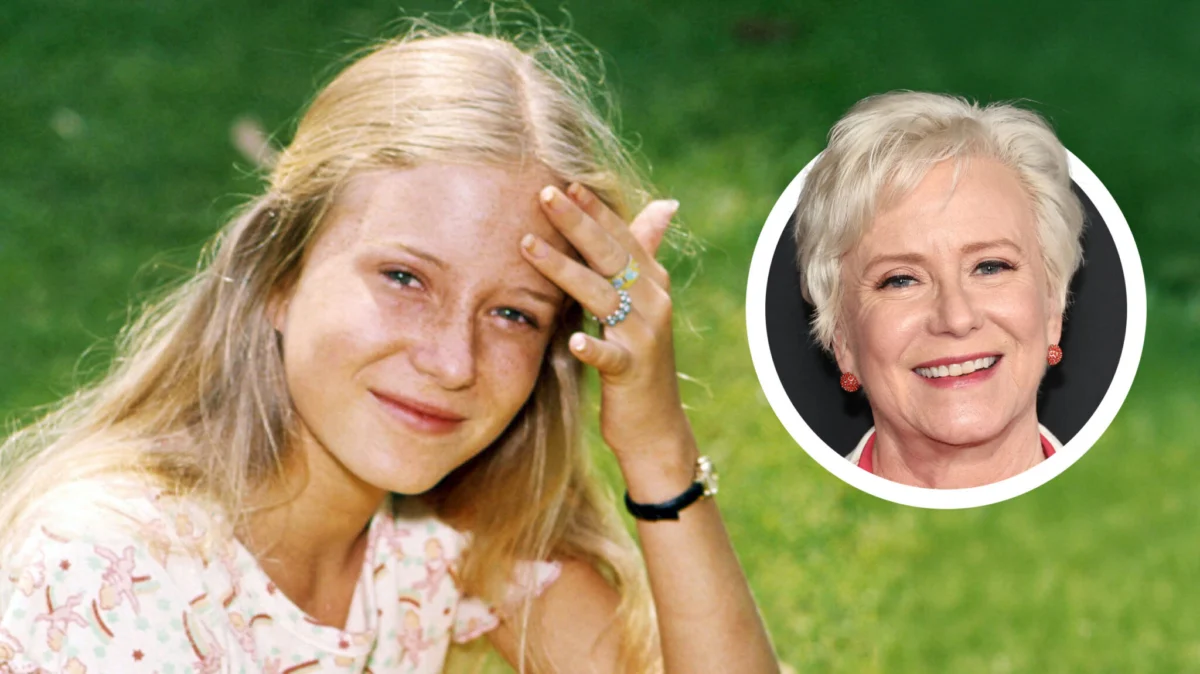
Eve Plumb, the actress who became a household name as the middle daughter in the quintessential American sitcom The Brady Bunch, has officially released her new memoir, Happiness Included: Jan Brady and Beyond. The book offers an extensive look into her multi-decade career, which began in the mid-1960s and transitioned from child stardom into a multifaceted life as a dramatic actress, stage performer, and accomplished visual artist. By documenting her experiences both on and off the set of one of television’s most enduring programs, Plumb provides a historical perspective on the evolution of the entertainment industry and the personal resilience required to navigate the transition from child performer to adult professional.
The Early Professional Career and the Landscape of 1960s Television
Born in Burbank, California, in 1958, Eve Plumb entered the entertainment industry during a period of significant transition for American broadcasting. Before she was cast as Jan Brady, Plumb was already a seasoned professional. Her career began at the age of six, a time when the television landscape was dominated by Westerns, variety shows, and early domestic comedies.
Plumb’s early portfolio included a wide array of guest-starring roles on some of the most prominent programs of the era. Her appearances on The Big Valley, Lassie, and Gunsmoke placed her in the company of veteran actors and exposed her to the rigorous demands of episodic television. This period of her career served as a foundational apprenticeship. In an industry that was rapidly shifting toward color broadcasting and more complex production schedules, Plumb established a reputation for reliability and professionalism. Her work in series such as Family Affair and It Takes a Thief further solidified her status as a go-to child actress for casting directors looking for naturalistic performances.
The memoir explores these formative years, detailing the logistics of being a child worker in Hollywood during the late 1960s. Plumb provides context regarding the labor laws and the social environment of the studios, offering a factual account of an era before the modern infrastructure of "kid-friendly" sets was fully standardized.
The Brady Bunch Era: 1969 to 1974
In 1969, at the age of 11, Eve Plumb was cast in a new ABC series titled The Brady Bunch. Created by Sherwood Schwartz, the show followed a "blended family" consisting of a widower with three sons and a widow with three daughters. While the show was not an immediate ratings juggernaut, it eventually became a cornerstone of American pop culture.
Plumb’s character, Jan Brady, was positioned as the middle child of the three girls. Over the course of the series’ five-season run, the character of Jan became a focal point for audiences who identified with her struggles regarding identity, jealousy, and the search for individuality. Two specific plot points from this era have achieved permanent status in the American lexicon: Jan’s exclamation of "Marcia, Marcia, Marcia!"—expressing her frustration with her older sister’s perceived perfection—and the invention of an imaginary boyfriend named "George Glass."
The memoir delves into the technical aspects of filming the series, including the grueling schedule of rehearsing musical numbers for the "Brady Kids" spin-off projects and the dynamics of working with a large ensemble cast. Plumb’s account remains objective, focusing on the professional camaraderie shared with her co-stars—Maureen McCormick, Susan Olsen, Barry Williams, Christopher Knight, and Mike Lookinland—as well as the mentorship provided by adult leads Robert Reed and Florence Henderson.
The Phenomenon of Syndication and Cultural Impact
The historical significance of The Brady Bunch is largely tied to its performance in syndication rather than its original primetime run. When the series ended in 1974, it began a second life in afternoon reruns, where it found a massive audience among the younger Generation X and early Millennial demographics. Data from the late 1970s and 1980s indicates that the show was consistently among the most-watched programs in local markets across the United States.
This perpetual visibility turned the cast into "frozen-in-time" icons. For Plumb, this presented a unique professional challenge: the "Jan Brady" persona became so ingrained in the public consciousness that it threatened to overshadow her future work. Happiness Included addresses the psychological and professional implications of this phenomenon. Plumb analyzes the "middle child" trope that she helped define, noting how the character of Jan became a shorthand for feelings of inadequacy and the drive for self-actualization.
Post-Brady Transitions and the Shift to Dramatic Roles
Following the conclusion of The Brady Bunch, Plumb made a concerted effort to diversify her portfolio and distance herself from the "wholesome" image of Jan Brady. In 1976, she took on the titular role in the television movie Dawn: Portrait of a Teenage Runaway. The film was a stark departure from her sitcom roots, dealing with themes of teen prostitution and urban survival.
The television movie was a ratings success and served as a critical turning point for Plumb. It demonstrated her range as a dramatic actress and was one of the highest-rated television movies of the year. This era of her career is a central theme in the memoir, as she discusses the deliberate choices made to avoid the "child star curse" that affected many of her contemporaries.
Plumb’s career chronology continued through the 1980s and 1990s with various Brady-themed reunions, including The Brady Girls Get Married (1981), The Brady Brides (1981), and the short-lived dramatic series The Bradys (1990). While she participated in these projects, she also expanded her reach into theater, appearing in numerous stage productions across the country.
Artistic Evolution: From the Screen to the Canvas
One of the most significant aspects of Happiness Included is the focus on Plumb’s life as a visual artist. For over two decades, Plumb has maintained a successful career as a painter, with her work being featured in galleries across the United States. Her transition into the world of fine art was not a hobby, but a second professional career that required the same level of discipline as her acting.
Her paintings, which often focus on still lifes and everyday scenes, reflect a sense of calm and observation that contrasts with the high-energy environment of a television set. The memoir provides insight into her creative process and how the visual arts provided her with a sense of autonomy that the collaborative nature of film and television often lacks.
Chronology of Major Career Milestones
The following timeline illustrates the key markers of Eve Plumb’s professional journey as detailed in her new memoir:
- 1964–1968: Professional debut in television commercials and guest roles on major network series (Lassie, Gunsmoke).
- 1969: Cast as Jan Brady in The Brady Bunch on ABC.
- 1974: The Brady Bunch concludes its original run; the series enters worldwide syndication.
- 1976: Stars in the dramatic film Dawn: Portrait of a Teenage Runaway, marking a transition to mature roles.
- 1981: Participates in the reunion film The Brady Girls Get Married and the spin-off series The Brady Brides.
- 1990: Appears in the dramedy series The Bradys.
- 1990s–2010s: Focuses on stage work, guest appearances on modern series (Law & Order: SVU, Blue Bloods), and the development of her painting career.
- 2019: Participates in the HGTV event series A Very Brady Renovation, which reunited the six "Brady siblings" to renovate the original house used for exterior shots.
- 2024: Release of Happiness Included: Jan Brady and Beyond.
Industry Implications and the Value of the Celebrity Memoir
The release of Happiness Included arrives at a time when there is a high market demand for memoirs from the "Golden Age of Television." Cultural historians suggest that these first-person accounts serve as vital primary sources for understanding the mid-century entertainment industry.
Plumb’s book is unique in that it avoids the sensationalism often found in celebrity biographies. Instead, it offers a pragmatic look at the business of acting. Industry analysts note that Plumb’s ability to maintain a steady career for six decades is an anomaly in Hollywood. By focusing on her work ethic and her diversification into the arts, the book provides a blueprint for career longevity in a volatile industry.
Furthermore, the book addresses the "nostalgia economy." Projects like A Very Brady Renovation demonstrated that there is still a massive, multi-generational audience for Brady-related content. However, Plumb’s memoir balances this nostalgia with a forward-looking perspective on her identity as an individual rather than just a member of a famous television family.
Broader Impact and Conclusion
Eve Plumb’s Happiness Included: Jan Brady and Beyond is more than a retrospective on a sitcom; it is a document of a woman who navigated the complexities of fame with a grounded perspective. The memoir highlights the shift from the structured studio system of the 1960s to the fragmented, multi-platform media environment of the 21st century.
As Plumb continues to balance her work in theater and the visual arts, her memoir serves as a definitive account of her contributions to American culture. The book provides fans with the "behind-the-scenes" details they crave while maintaining the professional dignity that has characterized Plumb’s public life. Through this publication, Plumb successfully bridges the gap between the child star the world remembers and the multifaceted professional she has become.