The normally bustling hallways of the Palais des Festivals at the Cannes Film Market this year tell a story of profound transition, a stark departure from the frenetic deal-making that once defined this pivotal event in the independent film calendar. While packages are abundant and industry professionals are diligently making their rounds, the anticipated flurry of high-value deals and bidding wars has largely failed to materialize, leaving a palpable sense of apprehension among buyers and sellers alike. The independent film industry, a vital component of global cinema, finds itself at an inflection point, struggling to define its future amidst the visible fraying of its long-standing economic foundations.
The Demise of a Pillar: The Pay-One Television Window
For decades, the bedrock of independent film financing was the "pay-one television window." This predictable and highly lucrative revenue stream offered distributors a critical financial cushion, enabling them to take calculated risks on projects during the presale stage. In this traditional model, films could secure significant backing even before a single frame was shot, based primarily on the attachment of bankable talent and a compelling pitch. This upfront capital was instrumental in funding production and mitigating the inherent risks of filmmaking.
The "pay-one window" referred to the first television broadcast rights sold, typically to major networks or premium cable channels, after a film’s theatrical and home video runs. These deals were often multi-year, multi-million-dollar agreements that provided a stable, guaranteed income stream. For an independent film, securing a strong pay-one deal could cover a substantial portion of its budget, allowing distributors to invest in marketing and theatrical releases with greater confidence, knowing a significant return was already locked in. This system fostered an ecosystem where diverse, artistically driven projects could find financing, as the perceived risk was offset by a reliable backend revenue.
However, the advent and rapid expansion of streaming platforms over the past decade have irrevocably altered this landscape. Services like Netflix, Amazon Prime Video, and Disney+ have fundamentally disrupted the traditional distribution chain, negotiating their own content deals directly with producers and studios, often on exclusive, global terms. This shift has largely bypassed and, in many cases, outright eliminated the pay-one window for independent distributors. The once-dependable revenue stream has dwindled to a trickle, leaving a void that the industry is still struggling to fill. Analysts estimate that the value of traditional pay-one licensing deals for independent films has plummeted by as much as 70-80% in some territories over the last five to seven years, forcing a radical re-evaluation of business models.
Navigating the New Financial Landscape at Cannes
The immediate consequence of this systemic change is acutely felt at the Cannes Film Market. Distributors are demonstrably less willing to pre-buy films, especially high-end projects commanding budgets of $50 million or more. The appetite for risk has diminished dramatically, with investment now largely reserved for "obvious, mainstream theatrical plays" featuring universally recognized, bankable stars. Such projects, however, are few and far between at a market traditionally known for fostering diverse, independent cinema.
Industry veteran David Garrett of Mister Smith Entertainment, who has navigated these markets for decades, observes that this shift means producers are increasingly reliant on "equity financing and soft money to get movies financed." Equity financing involves selling ownership stakes in the film to investors, while "soft money" typically refers to government subsidies, tax incentives, or grants, which often come with geographical or cultural production requirements. While these sources have always played a role, their heightened importance signals a move away from pre-sales as the primary funding mechanism, placing a greater burden on producers to assemble complex financing stacks before even approaching the market for distribution.
The current Cannes Marche thus presents a paradoxical scenario: a buyer’s market, yet one characterized by a distinct scarcity of buyers willing to commit significant upfront capital. Films that, in previous years, would have ignited competitive bidding wars are now being met with polite interest, followed by noncommittal meetings. The prevailing sentiment is one of cautious waiting – producers waiting for financing, sellers waiting for offers, and the entire ecosystem waiting for clarity on what the future holds. This stagnation is a clear indicator of the profound uncertainty gripping the independent sector, as stakeholders grapple with the fundamental question of how to fund and distribute films in an era stripped of its most reliable financial cushions.
The Vacuum and the Emergence of New Paradigms
Despite the current challenges, the film industry, like any dynamic ecosystem, abhors a vacuum. As the traditional infrastructure cracks, new models are beginning to emerge, offering alternative answers to the crucial question: How does one finance a film and find its audience when the old pathways are no longer viable? These nascent models, though varied, share a common thread: a focus on direct engagement and the power of community.
One increasingly compelling answer lies in cultivating and leveraging deeply engaged, underserved audiences. This approach shifts the emphasis from securing broad, traditional distribution deals to meticulously connecting with niche communities that have a strong, inherent interest in the film’s subject matter.
Watermelon Pictures: A Grassroots Success Story
A prime example of this community-centric strategy is Watermelon Pictures, a Chicago-based production and distribution company co-founded by brothers Badie and Hamza Ali. Named for the fruit that has become a powerful symbol of Palestinian resistance, Watermelon has built its entire operation around the idea that a passionate, underserved audience can provide a more reliable foundation for film success than conventional presale agreements.
Watermelon Pictures has achieved remarkable success with a slate of Palestinian-focused films, including Annemarie Jacir’s Palestine 36, Kaouther Ben Hania’s The Voice of Hind Rajab, and Cherien Dabis’s All That’s Left of You. All three of these acclaimed works made the Oscar shortlist for Best International Feature, a testament to their artistic merit and the effectiveness of Watermelon’s distribution model.
Instead of relying on expensive traditional advertising campaigns or mainstream media coverage – which are often inaccessible or insufficient for the specialized subjects they champion – Watermelon employs a highly targeted, grassroots approach. They leverage WhatsApp groups, collaborate with local community leaders, and engage social media influencers to directly mobilize audiences to cinemas. This isn’t merely a marketing tactic; it’s a fundamental philosophy. For Watermelon, it’s simply "how you talk to the people your film is made for," creating a direct, authentic connection that bypasses traditional gatekeepers and fosters a sense of shared ownership and purpose among viewers. This model demonstrates that a committed niche audience, effectively galvanized, can generate significant box office and cultural impact, proving that audience fragmentation can be an opportunity, not just a challenge.
The Power of Faith and Direct Engagement
A faith-based variant of this community-driven logic has produced even more dramatic results, demonstrating the immense power of direct audience connection. Angel Studios, the Utah-based company behind breakout hits like Sound of Freedom and King of Kings, has been scaling rapidly, forging international output deals across Europe, Latin America, and Asia. Their success underscores the vast, often underestimated, market for content that resonates deeply with specific cultural or spiritual communities.
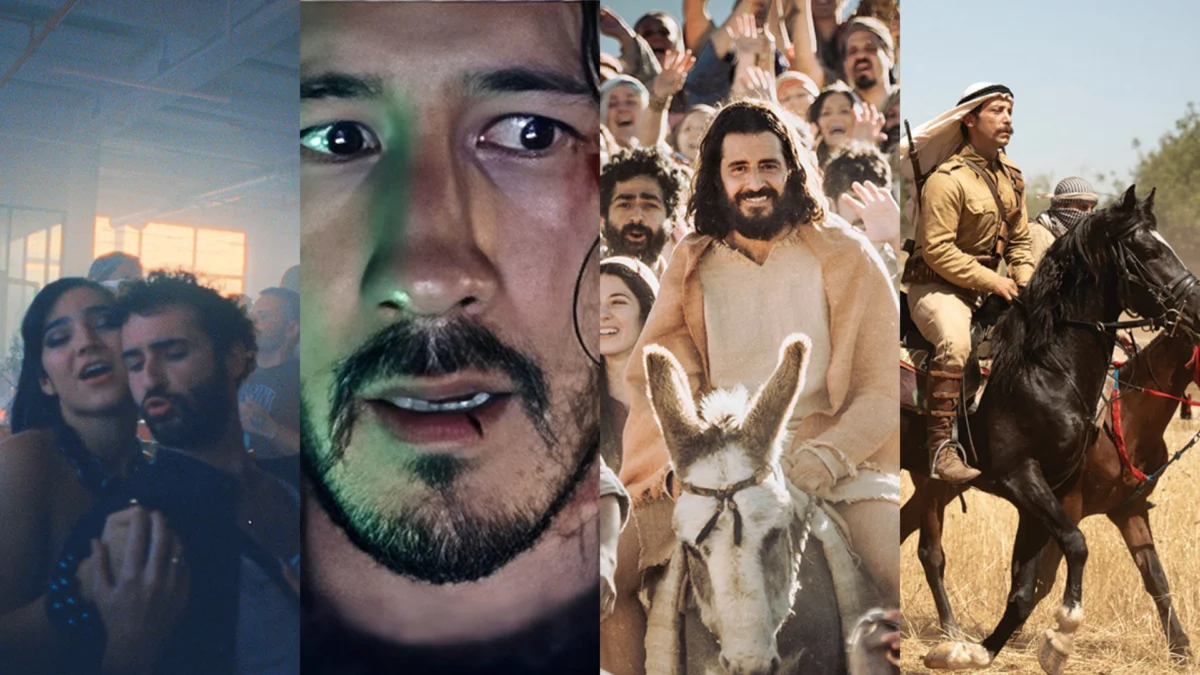
Perhaps the most striking example of this phenomenon is The Chosen, the multi-season drama about the life of Jesus of Nazareth. What began as a crowdfunded project has evolved into an underground phenomenon of staggering proportions, captivating millions globally. The show’s creator, Dallas Jenkins, maintains an almost unprecedented level of direct engagement with his audience, including a direct text chain connecting with 3.5 million followers.
Mark Sourian, president of production at 5&2, the company behind The Chosen, succinctly articulates the core lesson: "In the 21st century, if you are not in direct connection with your audience, if you are just letting your film ‘speak for itself,’ you are going to lose control of the conversation." This philosophy emphasizes the need for creators to actively cultivate and maintain a dialogue with their viewers, fostering loyalty and a sense of participation that transcends passive consumption. This model not only ensures a dedicated audience but also builds a powerful word-of-mouth engine that can propel a project to unforeseen heights, entirely outside traditional Hollywood structures.
Digital Natives and the Cross-Over Phenomenon
This lesson in direct audience engagement has been absorbed, often instinctively, by a new generation of online creators who are now transitioning into feature filmmaking with their built-in audiences already firmly in tow. These digital natives, having spent years cultivating followers on platforms like YouTube, Instagram, and TikTok, understand the mechanics of community building and direct communication perhaps better than anyone.
The most compelling proof of concept for this model is Iron Lung, the sci-fi horror film written, directed, and self-distributed by YouTube and gaming personality Markiplier (Mark Fischbach). Leveraging his immense online following, Markiplier successfully launched Iron Lung to a global gross exceeding $50 million worldwide – a remarkable achievement for an independently produced and distributed film, particularly one originating from a digital creator. This success demonstrates that a pre-existing, engaged online community can be a powerful engine for film distribution, effectively bypassing the need for traditional marketing and theatrical distribution apparatuses.
This year at Cannes, the model continues to advance and gain traction. Club Kid, arguably one of the festival’s hottest titles in terms of commercial potential, comes from Jordan Firstman. Firstman, a comedian, built a substantial following through viral Instagram skits during the pandemic before making the leap into feature films. The buzz around Club Kid at the Marche has been palpable, standing out amidst the general quietude. Rumors of A24, a studio known for its innovative distribution strategies, having already snatched up the domestic rights, further validate the commercial viability of films originating from creators with established digital communities. These examples suggest a paradigm where the audience is secured before the film even enters traditional market channels, profoundly altering the risk profile for investors and distributors.
Broader Implications and The Path Forward
None of these emerging models – community-driven distribution, faith-based engagement, or online creator crossovers – are a clean, singular replacement for the robust, if now broken, independent film financing system of the past. Each comes with its own set of challenges. Community-driven distribution, while potent, can be difficult to scale beyond specific niche audiences. Relying on equity and soft money requires producers to be even more adept at complex financial engineering. The success of online creators is often tied to their individual brand and existing follower base, which is not easily replicated.
However, taken together, these diverse approaches suggest something profoundly important for the future of independent cinema: the audience for independent film has not vanished. Instead, it has fragmented, reorganized, and is now waiting to be reached in new ways, on new terms. The challenge for filmmakers and distributors is to meet this audience where it lives – whether that’s within a dedicated church network, a tightly-knit WhatsApp group, the comment sections of a popular YouTube channel, or the highly curated feeds of social media.
This transition implies several significant shifts for the industry:
- Decentralization of Power: The traditional gatekeepers – major studios, networks, and large distributors – are losing some of their monopolistic control over content distribution.
- Emphasis on Authenticity and Niche: Films that resonate deeply with specific cultural, social, or interest-based communities will find pathways to success, fostering greater diversity in storytelling.
- Direct-to-Audience Strategies: Creators and distributors will need to become more adept at direct marketing, community building, and personalized engagement. Data analytics will become even more crucial in identifying and targeting these fragmented audiences.
- Redefined Role of Festivals: While still vital for prestige and networking, festivals like Cannes may increasingly become platforms for showcasing these new models and connecting innovative creators with forward-thinking financiers and distributors, rather than solely facilitating traditional presales.
- New Metrics of Success: Box office numbers, while still important, may be complemented by metrics of engagement, community growth, and cultural impact, reflecting a broader definition of a film’s value.
The independent film industry stands at a crossroads. The current Cannes Film Market serves as a stark reminder that the old ways are no longer sustainable. Yet, amidst the uncertainty, the outlines of a more resilient, audience-centric future are beginning to emerge. The coming years will undoubtedly see further experimentation, failures, and successes, as the industry collectively strives to redefine how independent stories are financed, produced, and ultimately shared with the audiences who are eagerly waiting to discover them, on their own terms. Adaptability, creativity, and a willingness to embrace new forms of engagement will be paramount for survival and flourishing in this evolving cinematic landscape.