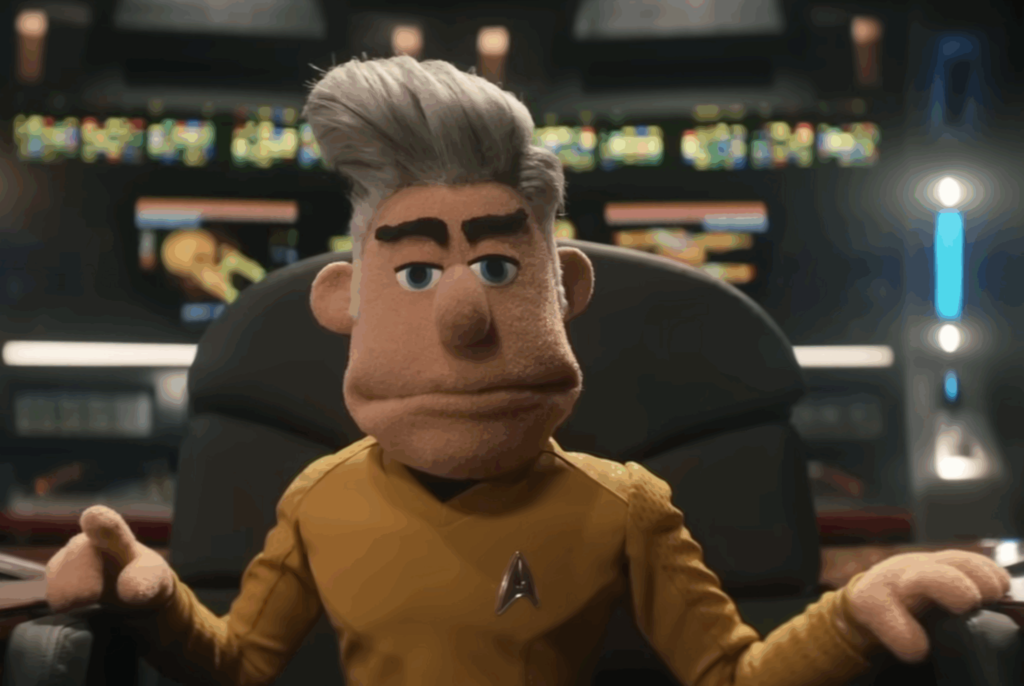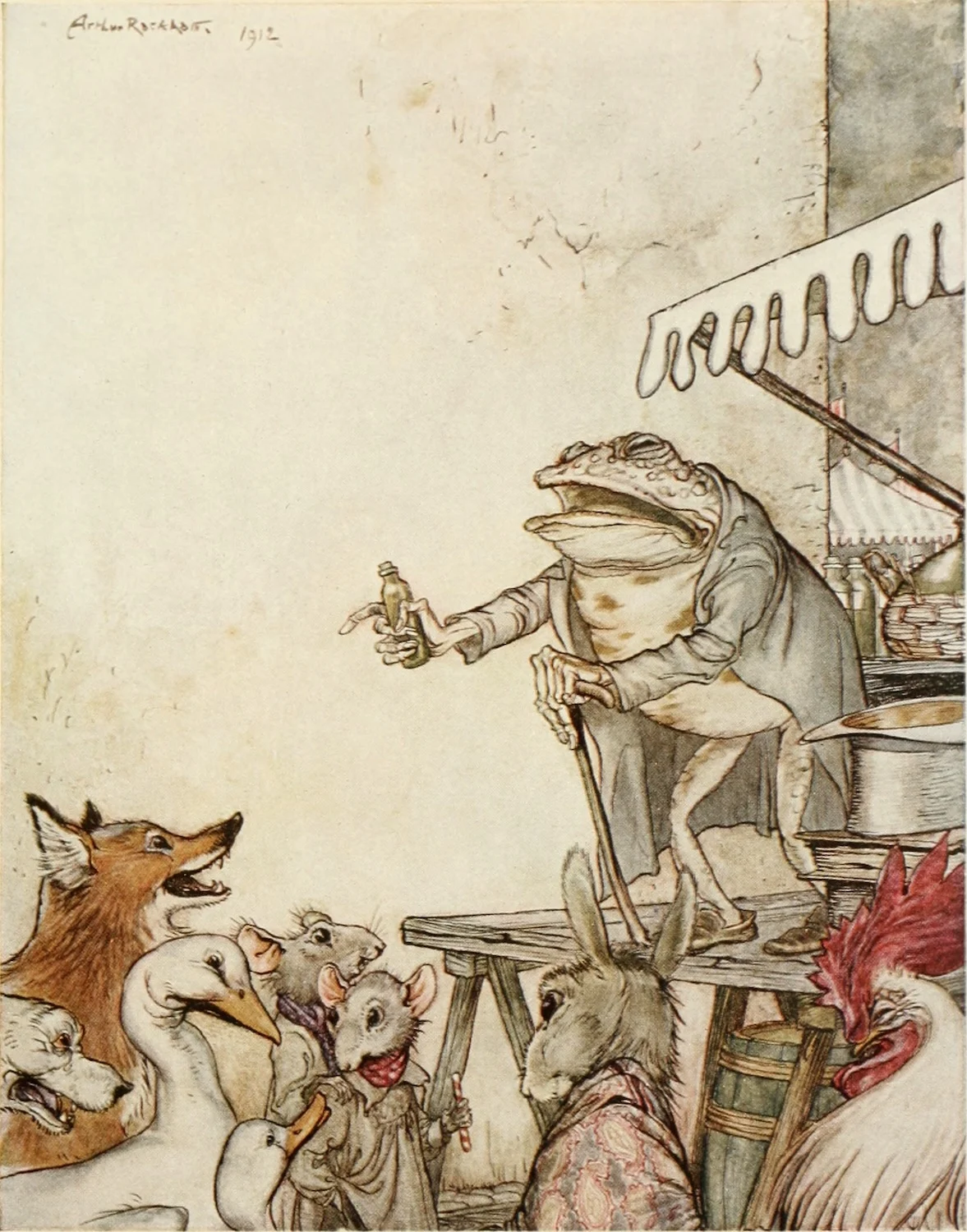
The persistent fascination with talking animals in literature and media is not merely a childish fancy but a profound reflection of humanity’s relationship with the natural world and its own inherent nature. This enduring theme, as explored in ongoing literary analyses, continues to captivate audiences across all age groups, demonstrating a deep-seated cultural resonance. From ancient fables to contemporary blockbusters, the concept of animals imbued with human characteristics, particularly the ability to communicate, serves as a powerful narrative device.
A Centuries-Old Tradition: From Folklore to Modern Literature
The practice of attributing human qualities to non-human entities, known as anthropomorphism, has roots stretching back to the earliest forms of storytelling. In folklore and oral traditions worldwide, animals have long been depicted as sentient beings capable of speech, complex thought, and intricate social structures. These narratives often served didactic purposes, using animal archetypes to impart moral lessons or explain natural phenomena. Aesop’s Fables, for instance, features a menagerie of animals – the cunning fox, the industrious ant, the boastful lion – whose interactions highlight human virtues and vices.
This tradition seamlessly transitioned into written literature. Early literary examples often mirrored folklore, with animals conversing amongst themselves and sometimes with humans. However, as literary forms evolved, so did the complexity of anthropomorphic characters. Tad Williams’s "Tailchaser’s Song," a foundational work in modern fantasy, delves into the internal lives and societies of cats, presenting them with sophisticated communication and motivations, albeit within their feline context. Similarly, the works of Rita Mae Brown, such as the "Mrs. Murphy" mysteries, showcase animals—cats, dogs, and foxes—possessing a rich inner life and attempting to bridge the communication gap with their often oblivious human companions. Brown’s narratives often highlight a subtle irony: while the animals engage in complex conversations and possess unique names (Reynard, Athena, Lafayette), their world and concerns, though distinct, are ultimately viewed through a human lens, reflecting our own preoccupations and biases.
The Mirror of Anthropomorphism: Reflecting Humanity
The pervasive presence of anthropomorphic animals in stories worldwide can be understood as a universal human tendency to see ourselves reflected in the world around us. Animals, as our closest companions and the most visible inhabitants of the natural world, become natural subjects for this projection. When we grant them human speech, it is, in essence, because we ourselves are defined by our capacity for language. This phenomenon extends beyond mere communication, encompassing human emotions, motivations, and societal structures.
In classic children’s literature and animation, this is particularly evident. Peter Rabbit, with his penchant for human attire and human-like activities, or the characters of "The Wind in the Willows," like Toad and his friends, who embody distinct human personalities, are prime examples. Even Winnie the Pooh, originating as a child’s toy and inhabiting a world populated by stuffed animals based on real creatures, engages in narratives driven by human-like friendships, anxieties, and adventures. Paddington Bear and Hobbes, Calvin’s imaginary tiger, further solidify this tradition, each offering unique explorations of personality and interaction through anthropomorphic forms.
Animated Icons and Enduring Appeal
The realm of animated comedy has been a particularly fertile ground for talking animals. From the iconic Mickey Mouse and Donald Duck to the anarchic wit of Bugs Bunny, the resourceful Felix the Cat, and the enduring rivalry between Sylvester the Cat and Tweety Bird, these characters have become cultural touchstones. The rapid-fire humor and slapstick antics of characters like Yogi Bear and the unlikely duo of Rocky the Flying Squirrel and Bullwinkle the Moose have entertained generations.
While these animated creations are often relegated to the "children’s section," their appeal transcends age. The sophistication of their humor, often layered with satire and wit, resonates deeply with adult audiences. The enduring brilliance of Bugs Bunny’s parodies, such as his operatic interpretations, highlights how these characters can offer complex artistic and comedic achievements that are appreciated on multiple levels. This demonstrates that the appeal of talking animals is not a sign of arrested development but a testament to the power of well-crafted storytelling that can speak to universal human experiences, regardless of the characters’ species.
The "Why" Behind the Phenomenon: Psychological and Cultural Underpinnings
The enduring popularity of anthropomorphic animals can be attributed to several psychological and cultural factors.
- Relatability and Empathy: By giving animals human traits, creators make them more relatable and easier for audiences to empathize with. We can project our own emotions and experiences onto these characters, fostering a deeper connection.
- Exploration of Human Nature: Animals, stripped of some of the complexities of human society, can serve as effective vehicles for exploring fundamental human traits like courage, loyalty, greed, or foolishness in a simplified, often allegorical, manner.
- Escapism and Wonder: Talking animals offer an escape from the mundane realities of the human world. They introduce an element of magic and wonder, allowing audiences to engage with fantastical scenarios and possibilities.
- Social Commentary: Anthropomorphism can be a powerful tool for social commentary. By portraying animals with human flaws or virtues, creators can subtly critique human behavior or societal norms without being overtly didactic.
- Bridging the Gap with Nature: In an increasingly urbanized and technologically advanced world, stories featuring talking animals can serve as a reminder of our connection to the natural world and our place within it. They can foster a sense of stewardship and appreciation for other species.
Notable Examples and Future Directions
The list of iconic talking animals in literature and film is extensive and continues to grow. Beyond the examples already mentioned, key works include:
- "Watership Down" by Richard Adams: A seminal work depicting the epic journey of a group of rabbits seeking a new home, showcasing their complex social structure, language, and mythology.
- "The Lion King" (Disney, 1994): A modern classic that reinterprets Shakespeare’s "Hamlet" through the lives of African animals, with Mufasa, Simba, and Scar engaging in profound discussions of duty, betrayal, and kingship.
- "Bambi" (Disney, 1942): This animated film, while focusing on the life of a young deer, features a rich cast of talking forest creatures who guide Bambi through his formative years.
- "Redwall" series by Brian Jacques: This beloved series features a community of woodland creatures living in an abbey, engaging in epic battles and adventures with distinct personalities and cultures.
The continued success of these narratives suggests a sustained audience interest. The evolution of animation and CGI technology has also allowed for more sophisticated and realistic portrayals of anthropomorphic animals, further blurring the lines between the fantastical and the familiar. As storytelling continues to innovate, the talking animal trope is likely to remain a potent and versatile tool for exploring the human condition and our relationship with the world around us.
The ongoing exploration of anthropomorphic animals in storytelling is a testament to their enduring power to connect with audiences on multiple levels. These characters, whether they are wise owls, mischievous foxes, or noble lions, serve as mirrors, reflecting our own hopes, fears, and fundamental nature, all while reminding us of the rich tapestry of life that surrounds us. The breadth of examples, from ancient fables to contemporary animated features, underscores the universality of this narrative device and its capacity to adapt and thrive across different cultures and eras. The question of which talking animals resonate most deeply is a personal one, but the collective embrace of these characters speaks volumes about what we seek in our stories: connection, understanding, and a touch of magic.