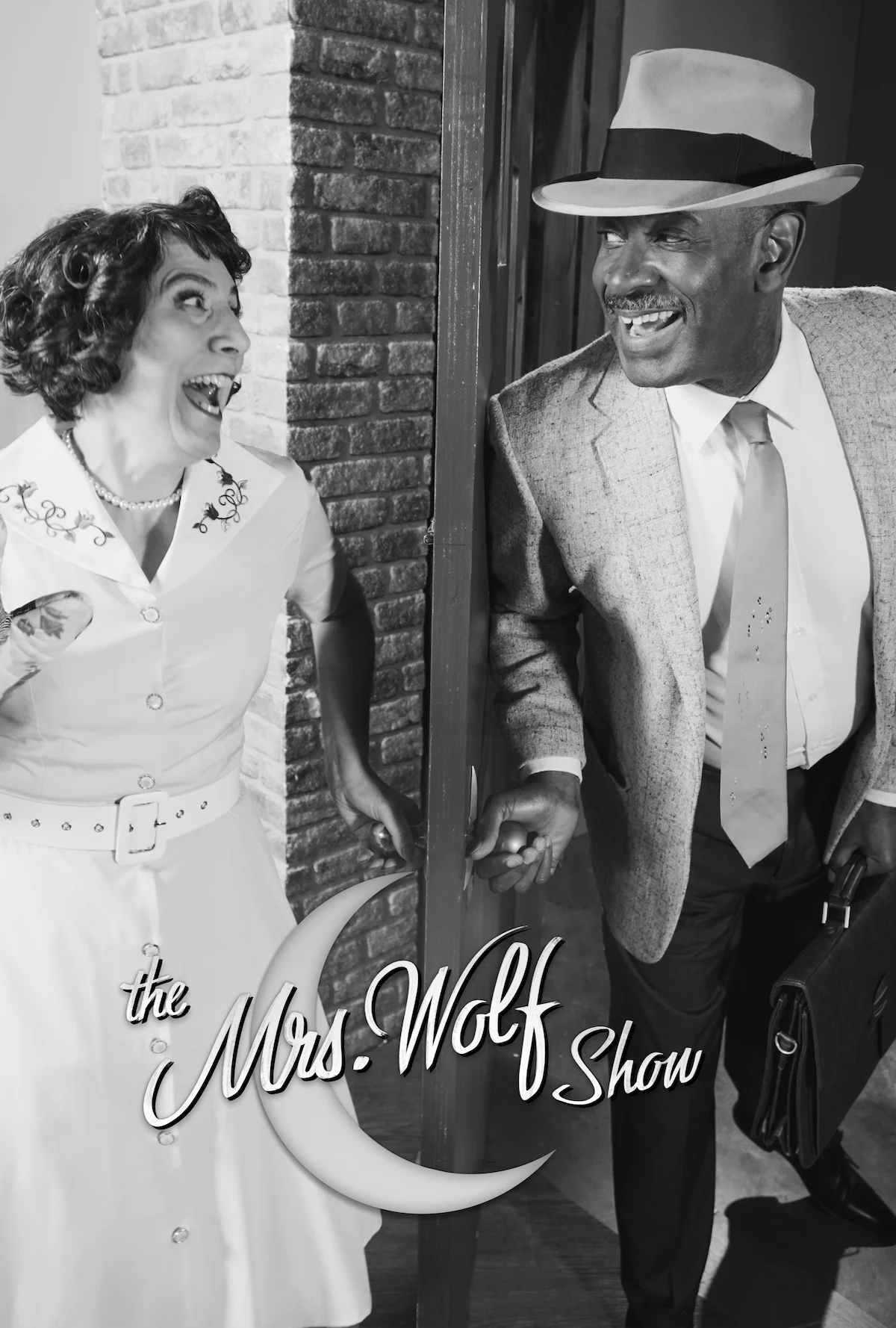
In a bold artistic statement, writer/director Drew Highlands is set to unveil his forthcoming short film, The Mrs. Wolf Show, a project that artfully juxtaposes the nostalgic charm of mid-20th century American television with a chilling exploration of contemporary societal apathy towards violence. The film is ambitiously described as a potent blend of the lighthearted domestic sitcom, reminiscent of classics like I Love Lucy, and the visceral terror found in the Hostel franchise, promising a viewing experience that is both disorienting and profoundly thought-provoking.
The core premise of The Mrs. Wolf Show is teased with a deceptively simple question: "A friendly housewife, an unsuspecting salesman, and a live studio audience. What could go wrong?" This initial setup evokes the familiar tropes of early television programming, where domestic bliss and comedic mishaps were the order of the day. However, as director Drew Highlands elaborates, this surface-level presentation is a carefully constructed facade designed to draw the audience into a much darker and more complex reality.
A Nostalgic Facade with a Sinister Undertow
Highlands, in his directorial statement, articulates the dual nature of his creation. "On the surface, The Mrs. Wolf Show is a nostalgic dive into 1950s television, evoking the world of I Love Lucy – complete with a catchy theme song, punchy jokes, and a magnetic star who keeps viewers coming back each week," he explains. This deliberate evocation of a bygone era is not merely an aesthetic choice; it serves as a critical anchor for the film’s thematic weight. The Golden Age of Television, often characterized by its perceived innocence and escapism, is employed here as a stark contrast to the grim realities the film intends to expose.
However, Highlands is quick to reveal the film’s true intentions. "But beneath the surface lurks a violent, desperate fight for survival, one that challenges audiences to reflect on society’s growing desensitization to violence," he states. This dramatic pivot from lighthearted entertainment to a brutal struggle for existence is the crux of The Mrs. Wolf Show‘s conceptual framework. The film aims to shock viewers out of complacency by presenting them with an experience that mirrors their passive consumption of violence in the digital age, but with a direct and unavoidable visceral impact.
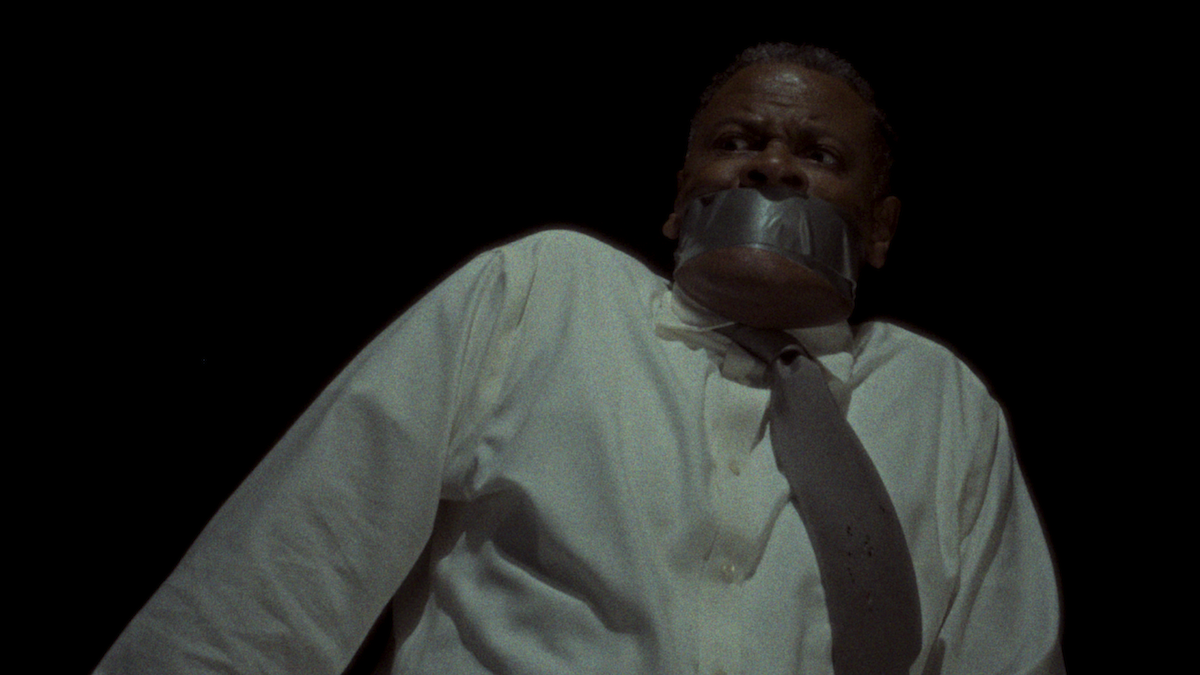
The Allegorical Power of Horror
Highlands further contextualizes his artistic motivations, drawing a clear line between his genre filmmaking and his lifelong appreciation for horror as a vehicle for social commentary. "This genre film stems from a lifelong fascination with how horror can serve as allegory to illuminate deeper truths," he reveals. This perspective aligns The Mrs. Wolf Show with a rich tradition of horror cinema that transcends mere jump scares and gore, instead utilizing the genre’s inherent capacity for unsettling the viewer to explore profound societal issues.
His formative influences are telling, pointing to a deliberate engagement with films and television that masterfully employed allegory and social critique. "Growing up on reruns of The Twilight Zone and films like The Devil’s Backbone, The People Under the Stairs, Get Out, The Babadook, and It Follows, I came to appreciate horror as a powerful way to explore trauma, race, class, and societal norms." This diverse list of influences highlights a commitment to examining the human condition through the lens of fear and the monstrous, recognizing that these elements can often serve as potent metaphors for real-world anxieties and injustices.
From Broadcast to Bandwidth: The Saturation of Violence
The director’s statement offers a critical indictment of modern society’s relationship with violence, tracing a historical arc from the early days of television to the ubiquitous presence of violent imagery in the digital age. "From the purity of golden age TV, to the first broadcast of mass violence during the Vietnam War, to the present daily inundation of violent imagery on our phones," Highlands observes, " The Mrs. Wolf Show asks: how did we become so saturated with the suffering of others that we are no longer spurred to take action?"
This historical perspective underscores the film’s central question: has our constant exposure to violence, whether through curated television narratives or the unfiltered deluge of social media, rendered us desensitized? Highlands posits that the sheer volume of violent content we encounter daily has created a paradoxical effect, where extreme events become normalized and individual suffering is reduced to a fleeting image on a screen.
The phrase "scrolling past real people in real pain, hiding behind the masks of voyeurism" encapsulates the film’s critique of our digital engagement with tragedy. The passive act of scrolling, a hallmark of modern media consumption, allows individuals to witness suffering without being compelled to confront its reality or consequences. The "masks of voyeurism" suggest a performative engagement with tragedy, where observation replaces empathy and action.

Broader Implications and Potential Impact
The implications of The Mrs. Wolf Show‘s thematic exploration are far-reaching. In an era where news cycles are dominated by conflict, disaster, and social unrest, and where social media platforms often amplify the most graphic and disturbing content, understanding our collective desensitization is paramount. The film’s unique approach – using the familiar comfort of retro television as a Trojan horse for a visceral critique – has the potential to resonate deeply with audiences who may not typically engage with overtly political or socially conscious cinema.
By forcing viewers to confront the uncomfortable juxtaposition of innocent entertainment and brutal reality, Highlands aims to provoke a critical self-examination. The film’s success could lie in its ability to initiate conversations about media consumption, the ethics of entertainment, and our responsibility as individuals within a hyper-connected, yet increasingly detached, society.
While specific production details and release dates for The Mrs. Wolf Show remain under wraps, the announcement itself has generated considerable interest within the independent film community and among genre film enthusiasts. The film’s conceptual ambition, coupled with the director’s clear vision and thoughtful articulation of its themes, positions The Mrs. Wolf Show as a significant emerging work that promises to challenge, disturb, and ultimately, provoke meaningful reflection on one of the most pressing issues of our time. Further information is anticipated, and industry observers will be keen to see how this daring cinematic experiment unfolds.