The world of Italian genre cinema mourns the loss of Luigi Montefiori, more widely known by his professional moniker, George Eastman, who passed away following a prolonged period of declining health. The news, first reported by La Repubblica, marks the end of an era for fans of visceral and boundary-pushing filmmaking. Eastman, a multifaceted talent whose career spanned acting, writing, and directing, carved a unique niche for himself in the annals of horror and exploitation cinema.
A Career Forged in the Shadows of Italian Genre Cinema
Born Luigi Montefiori on April 17, 1942, in Genoa, Italy, George Eastman emerged as a prominent figure in the Italian film industry during the 1970s and 1980s. His imposing physical presence, standing at nearly seven feet tall, naturally lent itself to memorable and often terrifying on-screen portrayals. While his career encompassed a range of roles, it was his contributions to the horror genre that solidified his cult status.
Eastman’s acting credits are a testament to his versatility and willingness to embrace the extreme. He appeared in a number of notable Italian genre films, including:
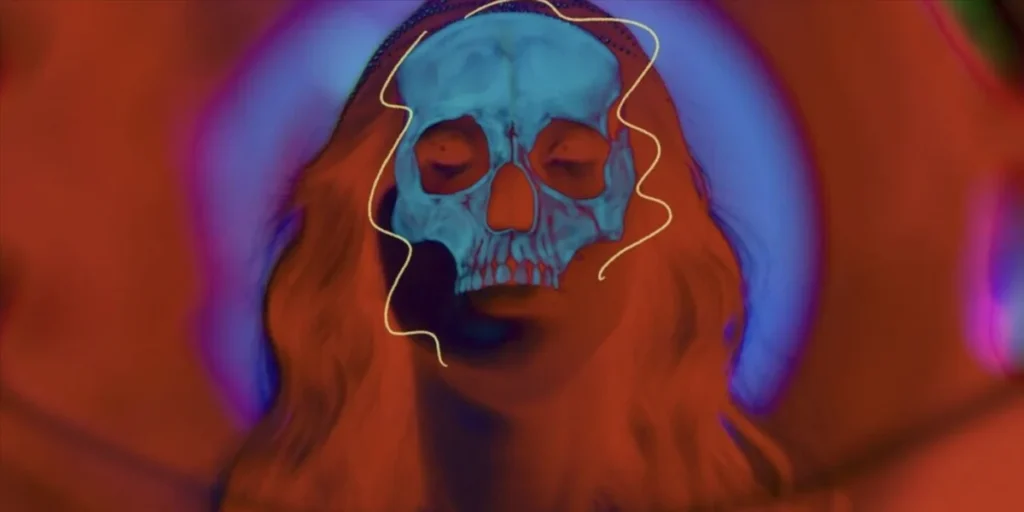
- Absurd (1981): Directed by Joe D’Amato, this film is a prime example of the brutal and unflinching nature of Italian horror, with Eastman delivering a chilling performance.
- 1990: The Bronx Warriors (1982): A dystopian action film that captured the spirit of the era’s urban decay narratives, showcasing Eastman in a different, yet still impactful, role.
- Delirium (1972): Also known as "Trauma," this early giallo film demonstrated Eastman’s presence in the burgeoning Italian thriller scene.
Beyond his on-screen performances, Eastman was also a prolific screenwriter and occasional director, demonstrating a keen understanding of the genre’s mechanics and its ability to shock and provoke. His scripting work includes:
- The Great Alligator (1979): A creature feature that played on primal fears, co-written by Eastman.
- StageFright (1987): A slasher film directed by Michele Soavi, for which Eastman penned the screenplay, further cementing his reputation for crafting suspenseful and gory narratives.
The Unforgettable Terror of Antropophagus
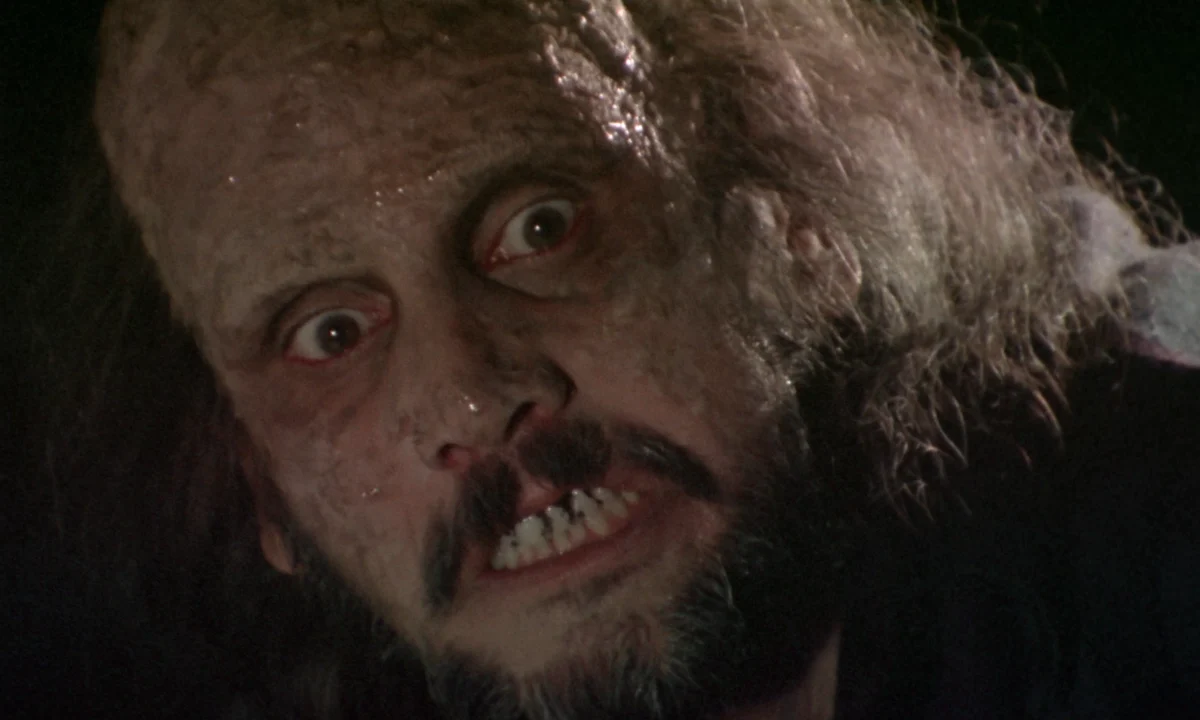
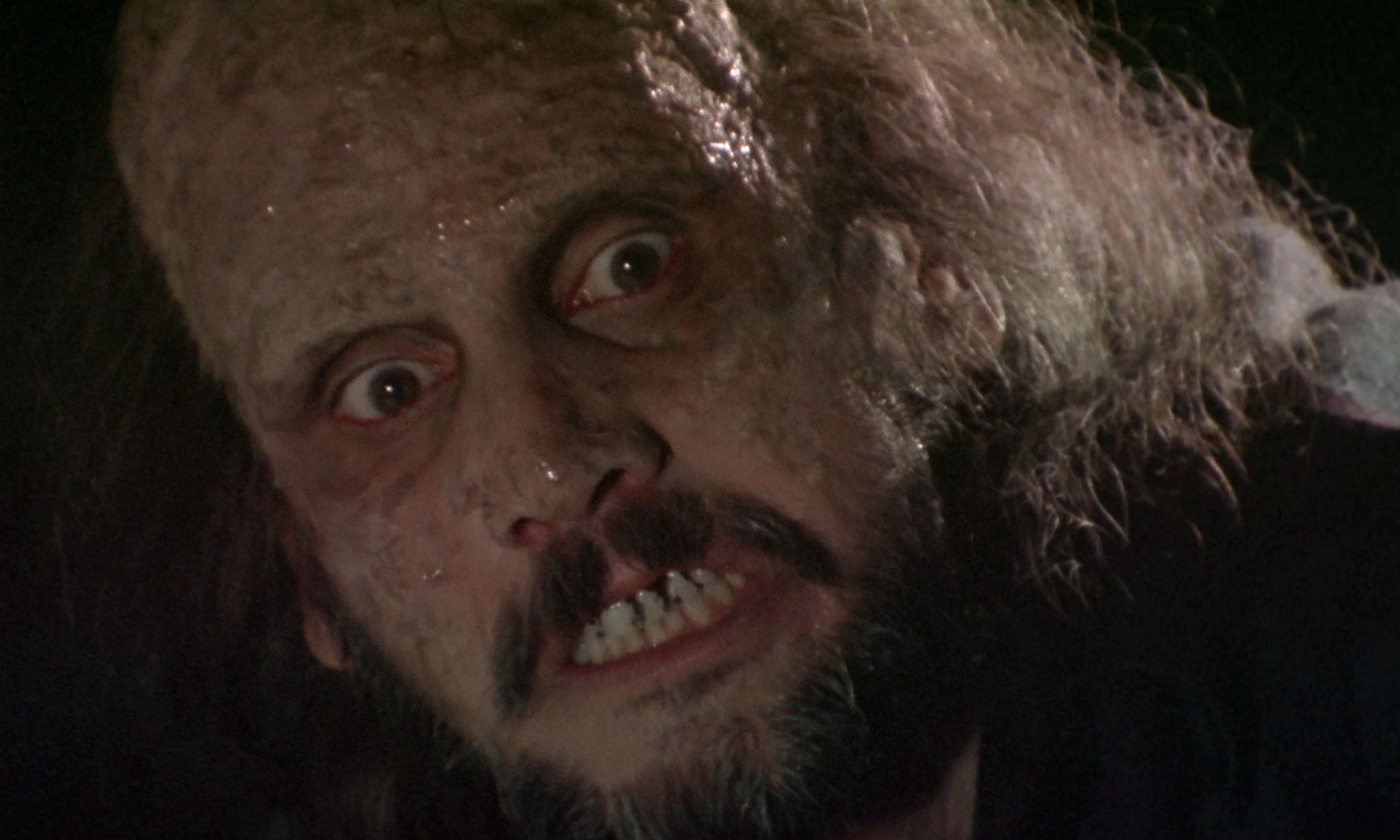
However, it is arguably Eastman’s role as the monstrous Klaus in Joe D’Amato’s Antropophagus (1980) that remains his most enduring and infamous contribution to cinema. The film, notorious for its extreme violence and taboo-breaking content, tells the story of a group of friends stranded on an island and hunted by a cannibalistic killer. Eastman’s portrayal of Klaus is a masterclass in primal menace.
The film’s most shocking and widely discussed scene involves Klaus emerging from the womb of a pregnant woman and consuming the infant. This graphic and deeply disturbing moment has become a hallmark of extreme horror cinema, solidifying Antropophagus as a cult classic and Eastman’s performance as one of the most terrifying in the genre. While controversial, the scene, and Eastman’s unflinching execution of it, earned him both notoriety and a devoted following among aficionados of extreme Italian cinema. The film’s raw intensity and Eastman’s imposing physicality created a visceral experience for audiences, pushing the boundaries of what was considered acceptable on screen.
A Legacy of Shock and Influence
George Eastman’s career coincided with a golden age of Italian genre filmmaking, a period characterized by its bold experimentation, stylistic flair, and often, its unflinching depiction of violence and the macabre. Directors like Dario Argento, Lucio Fulci, and Mario Bava were defining the landscape, and filmmakers like Joe D’Amato, with whom Eastman frequently collaborated, were pushing the envelope even further.
Eastman’s work, particularly Antropophagus, can be seen as a product of this era, reflecting societal anxieties and a growing audience appetite for more extreme and provocative content. His ability to embody monstrous characters with a chilling authenticity, combined with his contributions as a writer, made him an indispensable figure in this cinematic movement.
The impact of films like Antropophagus extended beyond their initial release, influencing a generation of filmmakers and horror enthusiasts. The "video nasty" era of the 1980s, during which many of these films were scrutinized and banned in some regions, further cemented their cult status. Eastman’s contributions are intrinsically linked to this legacy of transgressive cinema.

Reactions and Tributes
While specific official statements from industry figures immediately following Eastman’s passing have not yet been widely disseminated, the impact of his death is being felt within the genre film community. Tributes are expected to emerge from directors, actors, and critics who were influenced by his work or had the opportunity to collaborate with him.
Fans and critics alike have long acknowledged Eastman’s unique contribution to cinema. His imposing stature, coupled with a talent for portraying both menacing villains and compelling characters, set him apart. His willingness to engage with controversial themes and graphic imagery solidified his reputation as a true iconoclast.
Broader Implications and Farewell
The passing of George Eastman represents a significant loss for Italian cinema and for fans of extreme genre filmmaking worldwide. His career serves as a reminder of a distinct period in film history where creative boundaries were actively challenged and audiences were presented with narratives that were both terrifying and thought-provoking.
Eastman’s legacy is one of visceral impact and unforgettable performances. He was a craftsman of fear, a writer who understood the power of the grotesque, and an actor who embodied the monstrous with an intensity that few could match. His nearly seven-foot frame was not just a physical attribute but a symbol of the larger-than-life characters he brought to the screen, characters who continue to haunt the imaginations of horror aficionados.
As the film world reflects on his extensive body of work, from his early forays into giallo to his iconic role in Antropophagus, it is clear that George Eastman has left an indelible mark on the landscape of genre cinema. His films, though often controversial, are a testament to his dedication to his craft and his unique vision. He will be remembered as a true legend of Italian horror, a figure whose presence on screen, and behind the scenes, continues to resonate with a passionate audience. The chilling echoes of his performances will undoubtedly persist, ensuring his place in cinematic history.