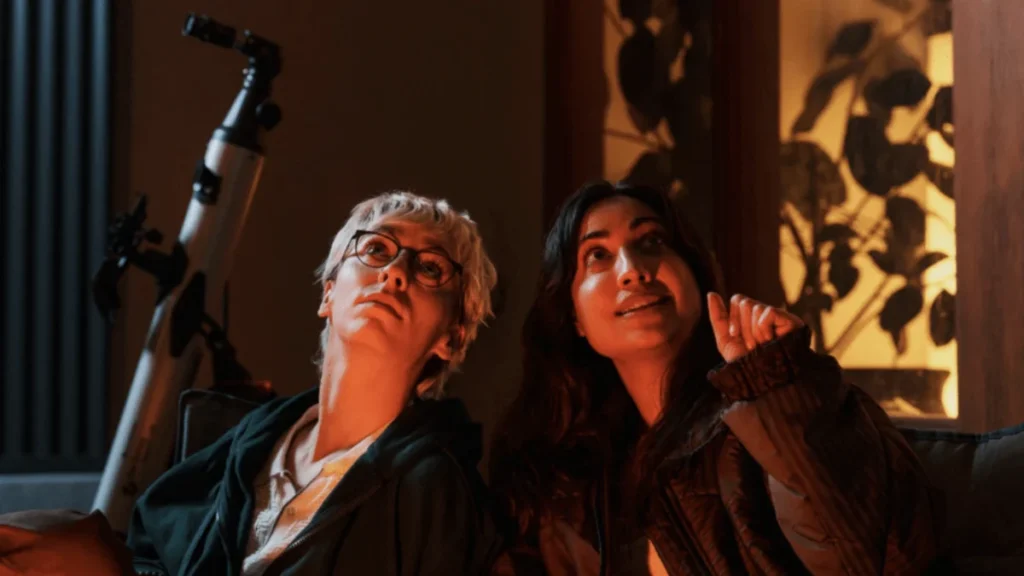
Aleshea Harris’s directorial debut, "Is God Is," has rapidly ascended from critical acclaim to a cultural phenomenon, sparking fervent discussions within cinematic and horror fan circles. The film, which premiered on Amazon MGM Studios, is not merely a revenge thriller; it’s a profound exploration of sibling bonds, divine retribution, and the primal nature of justice, all wrapped in a visually striking and thematically rich narrative. The film’s burgeoning popularity has led to comparisons with last year’s similarly intense "Sinners," suggesting a growing audience appetite for narratives that delve into the darker, more visceral aspects of human experience. "Is God Is" is proving to be a film that rewards repeat viewings, its intricate layers and potent symbolism resonating deeply with viewers. A significant element contributing to its epic feel is the ingenious and unexpected choice of weaponry employed by the protagonists, particularly Kara Young’s portrayal of Racine the Rough One, the fiery counterpart to Mallori Johnson’s stoic Anaia the Quiet One.
The Unconventional Arsenal of Revenge
In a genre often saturated with predictable instruments of violence, "Is God Is" distinguishes itself by eschewing the typical arsenal of firearms, bladed weapons, and blunt instruments. The narrative deliberately sidesteps the conventional tropes of horror, where characters might be expected to arm themselves with handguns, daggers, or even improvised weapons like baseball bats wrapped in barbed wire, pipes, crowbars, or common kitchen knives. Instead, the film’s protagonists, Racine and Anaia, embark on their perilous quest for vengeance armed with something far more elemental: a rock. This choice, plucked from the very earth, stands in stark contrast to the modern, often manufactured, tools of destruction that dominate contemporary horror cinema. The deliberate simplicity and ancient resonance of this weapon have become a focal point of discussion, challenging the genre’s prevailing aesthetics and thematic preoccupations.
A Subversion of Slasher Tropes
The slasher subgenre, a cornerstone of horror since the 1970s, has consistently relied on the visual and psychological impact of specific weapons. The glint of a kitchen knife evokes the chilling legacy of Halloween (1978), while the iconic Buck 120 hunting knife immediately conjures images of Ghostface’s brutal attacks in the Scream franchise. The visceral fear associated with Freddy Krueger’s metallic talons or the deafening roar of a chainsaw in The Texas Chainsaw Massacre are deeply ingrained in the genre’s lexicon. These weapons, often associated with industrialization and modernity, contribute to the pervasive sense of dread and the "modern" anxieties explored in these films. The Final Destination franchise, with its elaborate and often Rube Goldberg-esque death sequences, further amplifies this fascination with inventive, albeit often technologically driven, demise.
In contrast, the weapon employed in "Is God Is" feels intimate, ancient, and almost Biblical in its origins. The use of a rock, particularly one encased in a sock to create a makeshift flail, taps into a primal form of combat, echoing the earliest forms of human conflict. This deliberate choice resonates with the film’s thematic exploration of spirituality and its satirical take on organized religion. The rock, as a murder weapon, possesses a raw, untamed quality that aligns perfectly with the film’s exploration of a harsh, unforgiving universe where justice is sought through brutal, almost elemental means. This stark departure from the polished, manufactured weaponry of modern horror provides a refreshing and thought-provoking counterpoint, suggesting a potential shift in how cinematic violence can be depicted and interpreted. The film’s embrace of this ancient implement has even drawn parallels to the brutal yet compelling violence depicted in Curry Barker’s Obsession, further cementing its place within a lineage of films that explore the raw, unvarnished nature of revenge.
![I’m Still Thinking About the Gnarly Murder Weapon in ‘Is God Is’ [Video]](https://www.dreadcentral.com/wp-content/uploads/2026/05/Screenshot-2026-05-09-at-4.20.22-PM-2-scaled.jpeg)
Spiritual Undertones and Religious Satire
The choice of a rock as the primary weapon in "Is God Is" is intrinsically linked to the film’s complex engagement with spirituality and its critique of institutionalized religion. The narrative, while honoring a profound sense of the divine, concurrently satirizes the structures and dogma of organized religion. This duality is powerfully reflected in the protagonists’ methods. The act of bludgeoning an antagonist to death with a rock feels fittingly archaic and elemental, aligning with a worldview that prioritizes divine will and personal retribution over societal laws or religious edicts. The film taps into a deep-seated fascination within the horror genre for examining Christianity, frequently manifesting in narratives featuring exorcisms, cursed relics, vampiric clergymen, and the symbolic impotence of holy water. "Is God Is" offers a unique perspective on this intersection, presenting a vision of faith that is both brutal and deeply personal.
The Director’s Vision: A Mythic and Ancient Register
Aleshea Harris, in a statement regarding her directorial choices, articulated her deliberate intention to move away from conventional weaponry. "I knew from the beginning that I didn’t want my twins to use a gun or a knife," Harris revealed. "I wanted the register of this story to be mythic. I wanted it to have a kind of size. I wanted it to feel kind of ancient.” This artistic directive underscores the film’s ambition to transcend the confines of a typical genre film, aiming for a timeless quality that resonates with archetypal narratives. While acknowledging the "contemporary twist" provided by encasing the rock in a sock, Harris emphasized the rock’s fundamental nature: "But the rock to me is an age-old instrument that can do many things – including the things that it does in this film.” This statement highlights a conscious effort to imbue the narrative with a sense of profound historical and spiritual weight, utilizing a weapon that predates modern civilization and carries with it a potent symbolism of raw power and elemental justice.
The Duality of Twins: Old Testament and New Testament
The presence of twins, Racine and Anaia, serves as a potent allegorical device within "Is God Is," echoing narratives of duality found in other cinematic works, such as David Cronenberg’s Dead Ringers. In these portrayals, twins often represent warring aspects of the self, a conceptual angel and devil perched on the same shoulders. However, "Is God Is" subverts the simplistic good-versus-evil dichotomy. Unlike the incestuous medical drama of Cronenberg’s film, where the twins are arguably two sides of a deeply troubled psyche, Racine and Anaia are not presented as purely virtuous or unequivocally malevolent.
Instead, their duality can be interpreted through a theological lens, particularly in relation to their mother, Vivica A. Fox’s character, who embodies God. Racine, with her volatile and aggressive nature, can be seen as a representation of the Old Testament – a testament to divine law, wrath, and unwavering judgment. Anaia, in contrast, embodies the New Testament – characterized by a quieter, perhaps more forgiving, but ultimately resolute path towards a form of redemption. The film masterfully illustrates how the perceived brutality of the Old Testament, in its unyielding pursuit of justice, is paradoxically essential for the possibility of a more merciful and redemptive present. The narrative concludes with a profound sense of catharsis, suggesting that the harshness of the past is inextricably linked to the potential for a brighter future, a testament to the enduring power of familial bonds and the complex nature of divine justice.
Critical Reception and Broader Implications
Since its release, "Is God Is" has garnered significant critical attention, with publications like The New York Times praising its intensity and thematic depth. The film’s success suggests a burgeoning audience interest in genre films that push creative boundaries and engage with complex philosophical and spiritual themes. The comparison to the "Sinners" mania of the previous year indicates a trend towards narratives that explore darker, more primal aspects of human nature and societal structures. The film’s ability to provoke repeat viewings points to its intricate storytelling and resonant symbolism, solidifying its status as a noteworthy cinematic achievement. The widespread discussion surrounding its unique approach to violence, particularly the use of the rock as a weapon, underscores its impact on contemporary horror discourse. As "Is God Is" continues to capture the public’s imagination, it not only entertains but also challenges audiences to reconsider the conventions of cinematic violence and the multifaceted nature of justice and retribution in a world grappling with its own spiritual and existential questions. The film’s success serves as a powerful testament to the enduring appeal of stories that are both viscerally thrilling and intellectually stimulating, promising a vibrant future for directors and storytellers willing to explore unconventional narratives and thematic depths.