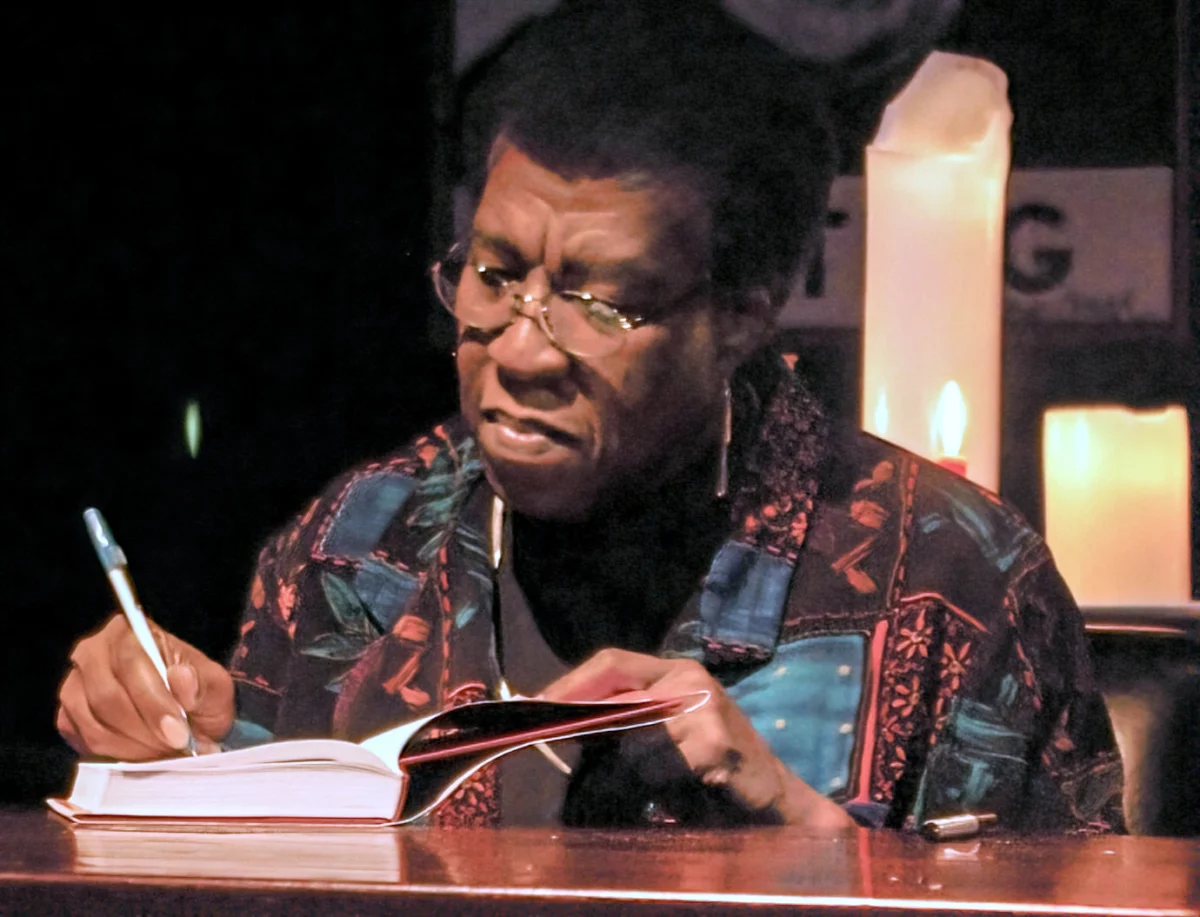
Grand Central Publishing’s decision to re-release Octavia E. Butler’s novel Survivor has ignited a complex debate within literary circles and among the author’s devoted readership. This move is particularly contentious given Butler’s explicit and vocal opposition to the book’s republication during her lifetime, a stance she maintained even when facing significant financial hardship. The estate’s representatives and the publisher have offered justifications for proceeding with the reissue, citing the contemporary resonance of Butler’s work and a perceived shift in circumstances that the author might have considered.
A Contentious Reissue of a Difficult Legacy
The novel Survivor, part of Butler’s Xenogenesis series, was first published in 1978. From its inception, Butler expressed deep reservations about its quality and suitability for her oeuvre. Her former agent, Merrilee Heifetz, who now represents the Octavia E. Butler Estate, stated in interviews that Butler "definitely needed income" at the time of its initial release but still resisted any efforts to bring Survivor back into print. This enduring reluctance, even under financial duress, underscores the author’s exacting standards and her commitment to presenting her work in a manner she deemed artistically sound.
The current re-release by Grand Central Publishing, an imprint of Hachette Book Group, arrives at a moment of unprecedented resurgence in interest in Octavia Butler’s visionary science fiction. Novels like the Parable of the Sower and Parable of the Talents, which form the Earthseed series, have gained a significant following in recent years. Critics and readers alike have pointed to the uncanny prescience of these works, particularly Parable of the Sower, which depicts a near-future ravaged by climate change, social collapse, and widespread inequality—themes that mirror contemporary global anxieties with chilling accuracy. This renewed appreciation for Butler’s foresight has undeniably fueled a market demand for her entire catalog.
Justifications from the Publisher and Estate
In an article published by the Los Angeles Times, those involved in the decision to reissue Survivor provided their perspectives on navigating Butler’s expressed wishes. Nana K. Twumasi, a vice president at Grand Central Publishing, acknowledged the potential for the decision to be perceived as profit-driven. However, she emphasized a different motivation, stating, "far more about wanting to have a piece of this person that we all respect and want to get her due." Twumasi further suggested that the publishing house proceeded with "the confidence from those people who knew her and worked with her that it’s something that she could have been made to feel confident about doing." This implies a belief that Butler, were she alive and witnessing the current demand for her work, might have reconsidered her original objections.
Jules Jackson, managing director of the Octavia E. Butler Estate and Octavia E. Butler Enterprises, articulated a similar sentiment in a press release. Jackson posited that Butler "couldn’t foresee the massive rise in the popularity of her work—or the demand for a novel that had been published, but which she later didn’t think was good enough to meet her own high standards." This perspective suggests that the landscape of Butler’s literary legacy has evolved significantly since her passing, creating a new context for evaluating her previously disavowed work.
Merrilee Heifetz echoed these points in her discussion with the LA Times, posing a hypothetical: "I don’t know that she ever really said to herself, ‘Well, what if? What if my books really are that popular, and people want to read Survivor, and they can’t?’" Heifetz also drew a parallel between the core tenets of Butler’s Earthseed philosophy and the decision itself. She noted that Earthseed’s central idea, "God is change," applies to the situation. "I think [Butler] believed that you have to pay attention to what changes in the world and what changes in yourself." This philosophical framing suggests that adapting to evolving circumstances and recognizing shifts in the cultural and literary landscape are aligned with Butler’s own worldview.
The Shadow of Butler’s Intentions
The re-release of Survivor inevitably raises questions about posthumous editorial decisions and the ethical considerations of reissuing works that an author actively sought to suppress. Octavia Butler, a pioneering voice in science fiction known for her unflinching explorations of race, gender, sexuality, and power, was also a meticulous artist. Her commitment to her craft was evident in her rigorous self-editing and her willingness to discard work that did not meet her stringent artistic criteria.
The original publication of Survivor in 1978 coincided with Butler’s early career. While it was part of a published series, her dissatisfaction with the novel has been well-documented. The decision by Grand Central Publishing and the Estate to proceed without substantial revision, despite Butler’s explicit reservations, has led some critics to question whether the current motivations truly honor her artistic integrity.
Chronology of Events and Receptions
- 1978: Octavia E. Butler’s novel Survivor is first published as part of the Xenogenesis series. Butler expresses significant reservations about the work and actively opposes its re-release.
- Late 20th Century – Early 21st Century: Butler continues to achieve critical acclaim for other works, such as the Patternist series and the Earthseed novels, solidifying her reputation as a visionary science fiction author. She maintains her stance against reissuing Survivor.
- 2006: Octavia E. Butler passes away, leaving behind a rich and influential body of work. Merrilee Heifetz becomes the executor of her estate.
- 2010s – Present: A marked increase in interest and critical engagement with Butler’s work occurs, particularly with the Earthseed series, due to its perceived prescience regarding contemporary societal and environmental issues.
- Recent Past: Grand Central Publishing, in conjunction with the Octavia E. Butler Estate, makes the decision to re-release Survivor.
- Present: The re-release of Survivor is met with a mixture of anticipation for more Butler content and debate regarding the posthumous publication against the author’s stated wishes.
Broader Implications for Literary Estates and Authors’ Wishes
The re-release of Survivor prompts a larger discussion about how literary estates manage the legacies of authors who have complex relationships with their own published works. While the desire to make an author’s complete body of work accessible to a new generation of readers is understandable, especially in the context of renewed popularity, it raises questions about the balance between market demand and fidelity to an author’s original artistic intent.
Octavia Butler’s estate, like many others, faces the challenge of interpreting and acting upon the author’s wishes in posthumous contexts. The arguments presented by the publisher and the Estate – that Butler might have changed her mind given the current cultural moment and the unprecedented popularity of her work – are speculative. While the philosophical concept of "change" can be applied, it risks overshadowing the concrete, expressed desires of the author herself, particularly when those desires were articulated even when facing financial hardship.
The success of Butler’s Earthseed series in predicting or reflecting current global challenges—from climate crisis to social fragmentation—has created a significant market for her writings. This surge in demand has undoubtedly made the prospect of reissuing Survivor, a work previously unavailable to many fans, financially appealing. However, the ethical tightrope walk involves ensuring that the pursuit of commercial success does not compromise the author’s stated artistic integrity and personal reservations.
Ultimately, the re-release of Survivor serves as a potent case study in the evolving landscape of literary legacy management. It highlights the tension between honoring an author’s expressed will and adapting to the dynamic forces of cultural reception and market interest, particularly for authors whose work continues to resonate and gain relevance long after their passing. The ongoing dialogue surrounding this decision will likely shape how similar situations are handled for other authors with complex relationships to their published material in the future.