The highly anticipated A24 adaptation of the popular "Backrooms" creepypasta has finally arrived, bringing with it a complex tapestry of existential dread, slick production values, and a narrative that grapples with the very essence of our constructed realities. While the film boasts a stellar cast and striking visuals, it navigates a challenging path, striving to translate the primal, unsettling nature of its source material into a mainstream cinematic experience. This adaptation, helmed by director Kane Parsons, who previously captivated audiences with his influential short films on the subject, presents a meticulously crafted horror film that, at times, seems to pull back from the very abyss it seeks to explore.
A Tale of Disappearance and Descent
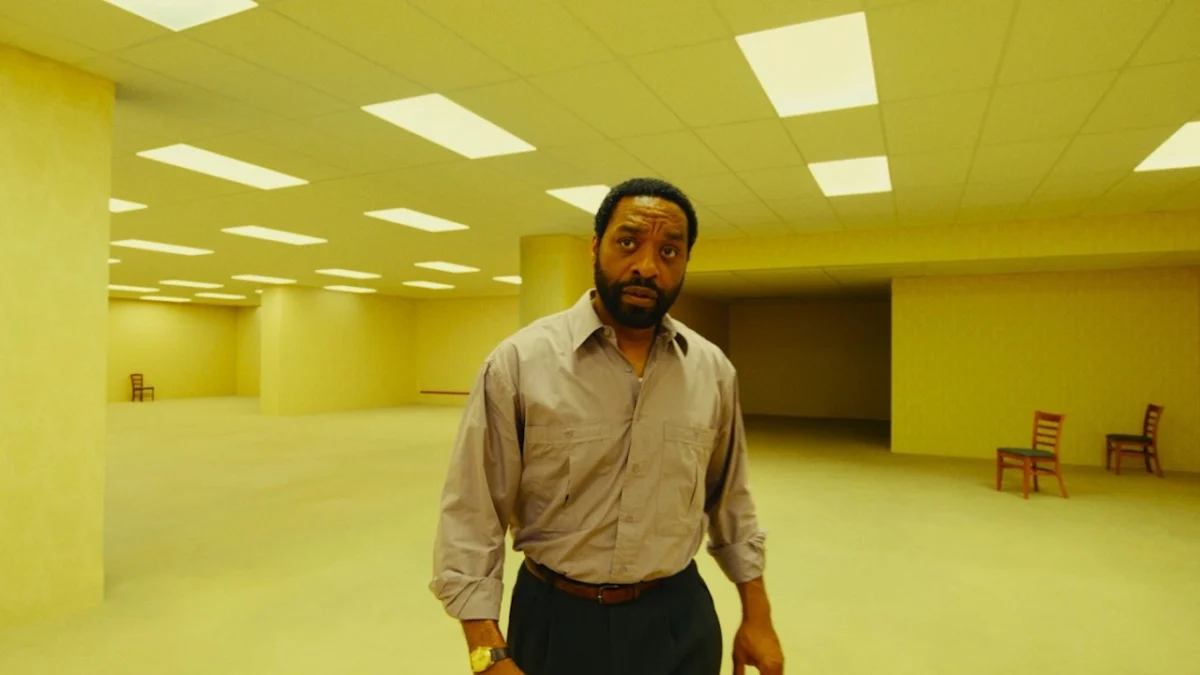
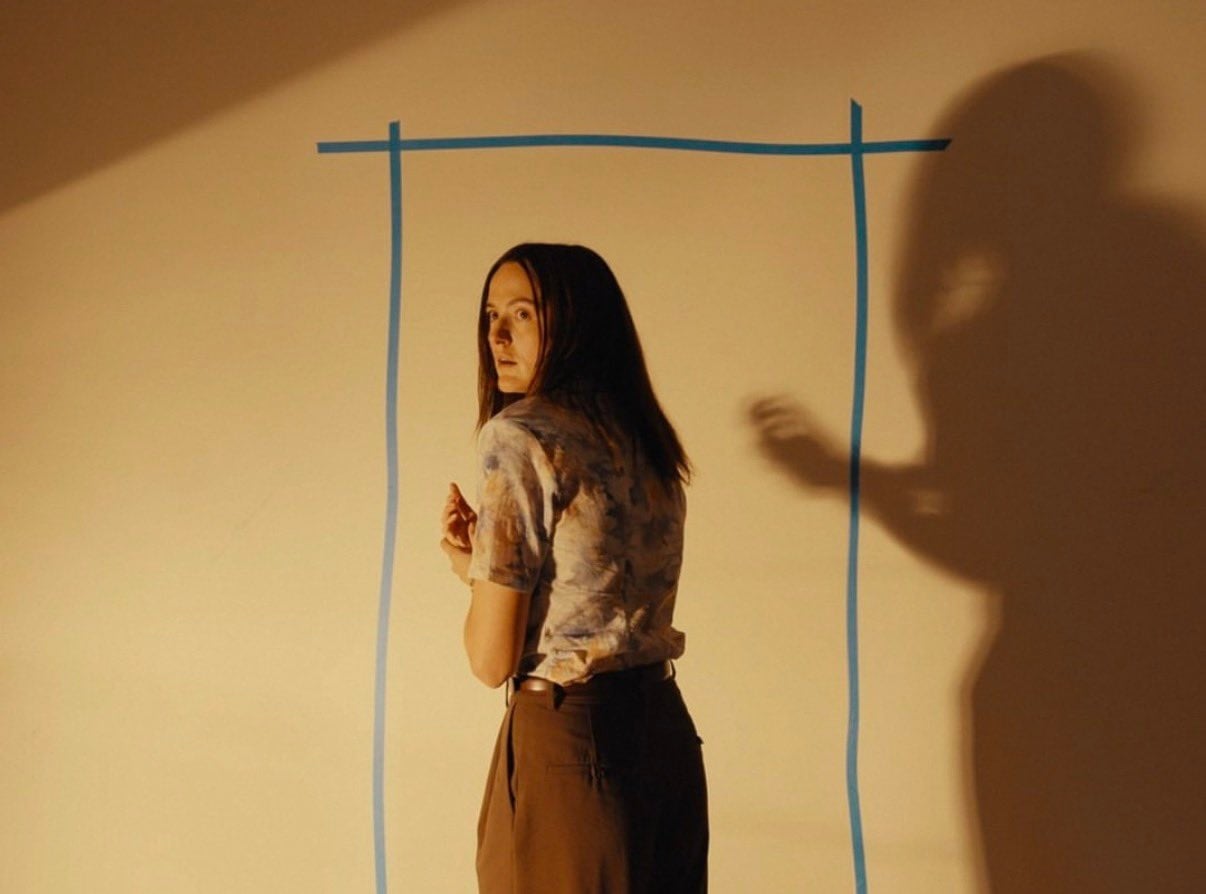
The narrative centers on Clark, a furniture store owner portrayed by Chiwetel Ejiofor, whose sudden and inexplicable disappearance thrusts his therapist, Dr. Mary Kline (Renate Reinsve), into a desperate search for answers. Driven by professional concern and an increasingly personal investment, Dr. Kline ventures to Clark’s seemingly ordinary store, only to stumble upon an entrance to a reality far beyond comprehension: the Backrooms. This subterranean world is depicted as a vast, disorienting labyrinth of endless fluorescent-lit corridors, barren spaces, and an oppressive silence that hums with unseen menace.
Within this nightmarish expanse, Dr. Kline’s quest for a missing patient morphs into a terrifying descent into a hostile and unknowable dimension. She encounters grotesque, humanoid figures and a monstrous presence that defies conventional horror tropes, pushing the boundaries of her sanity and forcing her to confront the deepest, most subterranean fears of human existence. The film’s plot attempts to map these cerebral horrors against the characters’ deepest fears, objectives, and psychological states, creating a narrative that, on paper, promises a profound exploration of identity and origin.
The Legacy of Kane Parsons and the "Backrooms" Phenomenon
The genesis of "The Backrooms" as a cinematic entity is inextricably linked to the visionary work of Kane Parsons. While he did not originate the "Backrooms" creepypasta, which first emerged on 4chan in 2019 and rapidly proliferated across the internet, Parsons is widely credited with defining its modern cinematic language. His short film, "The Backrooms (Found Footage)," released in 2022, became a viral sensation, lauded for its astonishingly effective use of limited resources to create deeply unsettling and experimental horror imagery.
Parsons’ early work demonstrated a unique and profound understanding of eternity, liminality, and the psychological torment of infinite, empty spaces. Critics often describe his approach as "vibes-based," but this reductive label fails to capture the sinister philosophy and the tragic, dynamic quality of his vision. His short films managed to tap into a primal fear of being lost, forgotten, and eternally adrift in environments that are both mundane and profoundly alien. This ability to craft a sense of uncanny dread through meticulous visual storytelling and an acute awareness of atmospheric horror set a new benchmark for internet-born folklore adapted to screen.
A Clash Between Vision and Convention
The current A24 adaptation, therefore, presents a fascinating case study in the challenges of translating a singular artistic vision into a studio-backed feature film. While Parsons was brought on to direct, the lack of a writing credit on the final film suggests a potential divergence from his original conceptualization. The film’s visual language, characterized by its specific hues, tones, and unsettling visions of forgotten waiting rooms, undeniably carries echoes of Parsons’ untouched aesthetic. These elements elevate the adaptation, offering moments that are genuinely worth experiencing on the grand scale of a theater. Even for audiences unfamiliar with the extensive lore of "The Backrooms," the film provides ample material for contemplation.
However, a recurring critique of the film is its perceived tendency to lean on more conventional narrative structures. In its attempt to make the "Backrooms" accessible to a broader audience, the adaptation is seen by some as smoothing down the very rough, dangerous edges that made the original material so potent. The film’s adherence to traditional dramatic arcs, clean character development, and the familiar mechanics of narrative storytelling, often referred to as "Save the Cat" logic, stands in contrast to the inherently chaotic and meaningless nature of the "Backrooms" concept.
This approach, while perhaps a strategic decision to ensure commercial viability in an era where genre films have become increasingly comfortable with sophisticated dramatic structures and prestige production values, is seen by some as a missed opportunity. The film is praised for its competent execution, its expert assembly of actors, and its sleek cinematography, qualities that have become hallmarks of A24’s output in the horror space over the past decade. Yet, the inherent tension lies in whether this very competence dilutes the unique existential horror that the "Backrooms" represents.
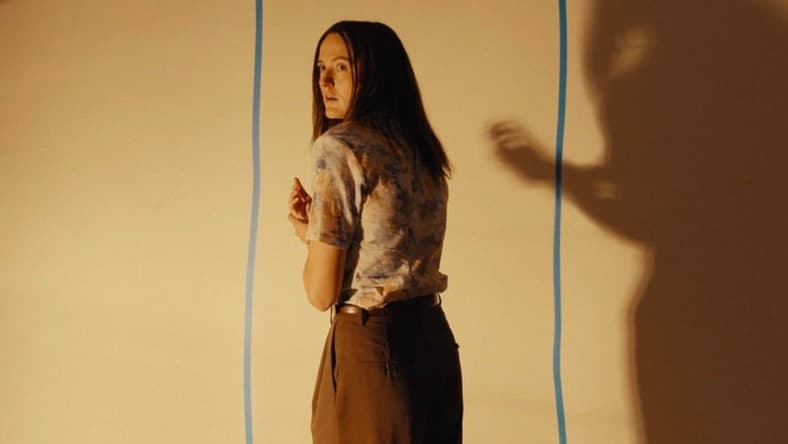
Thematic Resonance and the Specter of "Skinamarink"
The film’s thematic exploration draws comparisons to other recent, experimental horror films that delve into childhood anxieties and corrupted nostalgia. While "Skinamarink" (2022), another polarizing but brave film, transported audiences back to the disquieting familiarity of abandoned childhood homes, "The Backrooms," in its short-film iterations, offered a different kind of displacement. Parsons’ original shorts rehomed viewers within someone else’s uncanny memories, creating a liminal space between the familiar and the alien, a corrupted echo of memory left to decay.
This distinction is crucial. "The Backrooms" as a concept thrives on the unsettling feeling of being thrust into an environment that is both recognizable and profoundly wrong, a space that feels like a decaying memory or a glitch in reality. The film’s attempt to impose a more structured narrative onto this inherently unstructured concept creates a tension between its ambition and its execution. While it aims to explore the existential cruelty of nothingness, it is observed that the film frequently resorts to safer, more familiar narrative shapes.
Performance and Creature Design: Glimmers of the Unconventional
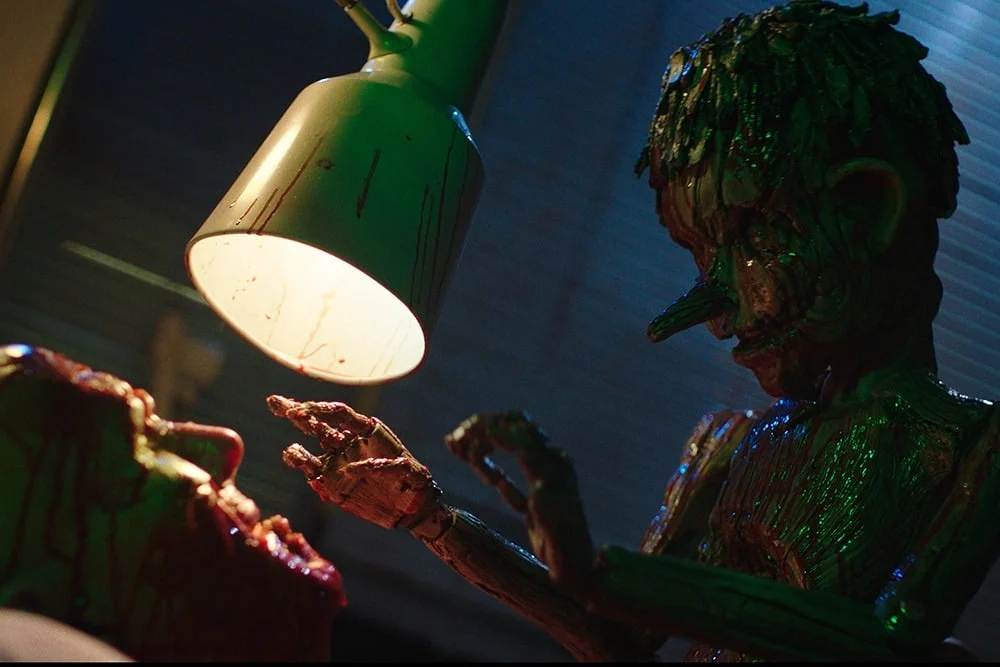
Despite these criticisms, the film is not without its moments of genuine terror and unique character. The central creature, whose connection to Clark provides a much-needed jolt of personality to the narrative, is a significant highlight. Without revealing specific plot details, the creature’s design is described as large, grotesque, and undeniably strange, evoking a sense of primal nightmare rather than a manufactured monster. For a fleeting moment, the film embraces a dangerous, unsettling aesthetic that promises to redefine the cinematic depiction of this entity.
The creature’s moments are genuinely chilling, and its presence momentarily injects a much-needed sense of the uncanny and the dangerous into the film’s proceedings. However, the critique persists that "Backrooms" moves past these potent images too quickly. The creature, which arguably should be the defining image of this cinematic iteration of the story, instead serves its purpose, unsettles, and then recedes into the more conventional mechanics of the film’s plot.
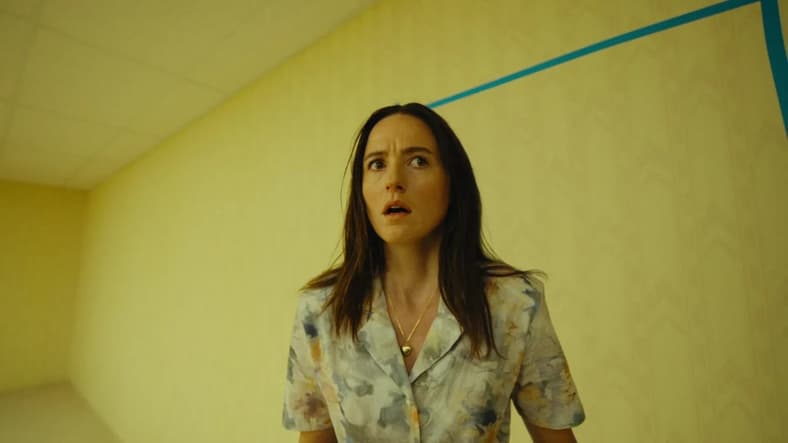
The performances of Chiwetel Ejiofor and Renate Reinsve are consistently lauded. They bring an impressive, authentically human depth to their roles, grounding the fantastical elements of the story in relatable emotional performances. Ejiofor’s portrayal of Clark, and later his presence within the Backrooms, hints at the profound personal stakes involved. Reinsve’s Dr. Kline serves as the audience’s anchor, her descent mirroring the viewer’s own journey into the unknown. Their contributions are undeniable, offering a strong human element amidst the abstract horror.
Analysis and Implications: A Safer Journey Through the Uncanny
"Backrooms" ultimately offers audiences a suite of bizarre and original horrors that are, without question, worth experiencing on the big screen. The film’s visual artistry and the commitment of its lead actors ensure a compelling viewing experience. However, the core tension remains: the film’s embrace of traditional character arcs and plot structures works against the sinister meaninglessness and perversion of nostalgia that are the very foundations of its source material’s unsettling power.
The implication is that "Backrooms" is a strong film, a competent piece of mainstream horror filmmaking, but it is a safer one than its subject matter might have allowed. The adaptation makes every effort to "save its cat," to adhere to established storytelling conventions, when perhaps the more daring approach would have been to let the familiar narrative structures collapse, mirroring the existential breakdown that defines the "Backrooms" lore. This adherence to convention, while making the film more palatable for a wider audience, may ultimately dilute the profound sense of dread and philosophical horror that Kane Parsons so masterfully evoked in his earlier, more experimental work. The film leaves audiences with much to ponder, but the question lingers: what could have been if it had dared to venture further into the terrifying void?
Summary:
A24’s "Backrooms" adaptation, while visually striking and featuring strong performances, prioritizes conventional narrative structures over the inherently unsettling, meaninglessness of its source material. Directed by Kane Parsons, whose prior short films defined the cinematic language of the "Backrooms" phenomenon, the film struggles to reconcile its visionary potential with the demands of mainstream storytelling, ultimately resulting in a competent yet safer adaptation than its terrifying premise might suggest.