Narrative Structure and the 2001 Cultural Landscape
The film’s chronology begins in the late summer of 2001, capturing a specific window of time characterized by a lack of mobile ubiquity and a different pace of international communication. Franny’s arrival in Las Cruces is marked by the sensory overload of the American Southwest: the stifling heat, the sprawling desert vistas, and the minor but jarring cultural frictions of high school life. Rivilis utilizes these early sequences to establish Franny’s status as a "double outsider"—not only as a foreigner in America but as an East German teenager grappling with the residual identity shifts of a post-reunification Germany.
The plot pivots on the morning of September 11, 2001. Rather than focusing on the events in New York or Washington D.C. directly, the film examines the ripple effects in a remote desert town. The atmosphere in Las Cruces shifts from sleepy indifference to a heightened state of suspicion and patriotic fervor. This transition serves as the catalyst for the film’s deeper thematic inquiries into xenophobia and the fragility of international bonds. Amidst this backdrop, Franny’s burgeoning relationship with Elliott, a local boy characterized by a quiet, introspective sadness, provides the emotional core of the film. Their connection is depicted not as a standard romance, but as a mutual recognition of alienation.
Character Analysis and Performance Highlights
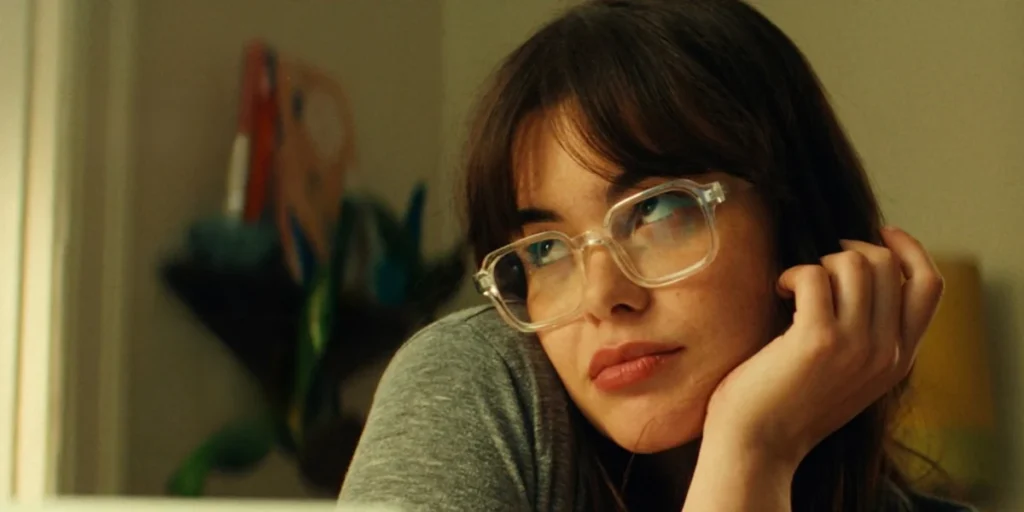
Naomi Cosma’s portrayal of Franny has been cited by critics at Cannes as a revelatory performance. Cosma anchors the film with a performance that relies heavily on physicality and internal processing rather than expansive dialogue. This choice reflects the character’s linguistic and cultural barriers, forcing the audience to interpret her experience through subtle shifts in expression. One of the film’s most poignant moments occurs during an exchange with Ida, a fellow German student from the former West. Franny’s observation that she was "born in a country that doesn’t exist anymore" provides a critical lens through which to view her search for belonging in the United States.
The supporting cast provides essential counterpoints to Franny’s internal journey. David Flores portrays Elliott with a restraint that mirrors Cosma’s, though the script intentionally leaves his character’s motivations somewhat opaque. This opacity serves the film’s theme of the "unknowable other," illustrating how Franny projects her own needs onto Elliott. Bianca Dumais, playing the outgoing Sam, delivers a performance that complicates the "typical American teenager" trope. A pivotal scene involving Sam reveals a personal trauma that reframes the town’s environment, suggesting that the "sleepy" nature of Las Cruces masks deeper, systemic hardships.
Conversely, the film leaves certain narrative threads intentionally frayed. The character of Patty, the 14-year-old daughter of Franny’s host family, is presented as a figure of quiet distress. While the film hints at underlying developmental or domestic issues, the script mimics the host family’s own avoidance of these problems. This "looking the other way" serves as a meta-commentary on the blind spots of the American suburban experience during that era.
Directorial Vision and Semi-Autobiographical Elements
Katharina Rivilis, who both wrote and directed the project, draws on her own history as an exchange student to infuse the film with authenticity. The directorial style is characterized by an "extraordinary sense of time and place," avoiding the clichés of early-2000s nostalgia in favor of a more grounded, tactile realism. A significant stylistic choice is the integration of "found footage" within the narrative. Franny frequently records her surroundings on a handheld video camera, a common tool for teenagers of that period.
These lo-fi segments are interspersed with the high-definition cinematography, creating a visual dialogue between the character’s subjective memories and the objective reality of her environment. This technique not only emphasizes the theme of documentation and self-discovery but also highlights the technological transition of the era—the move from analog permanence to digital immediacy. Rivilis’s direction is noted for its ability to transform intimate, melancholic memories into universal reflections on the loss of innocence.
Technical Execution: Cinematography and Sound
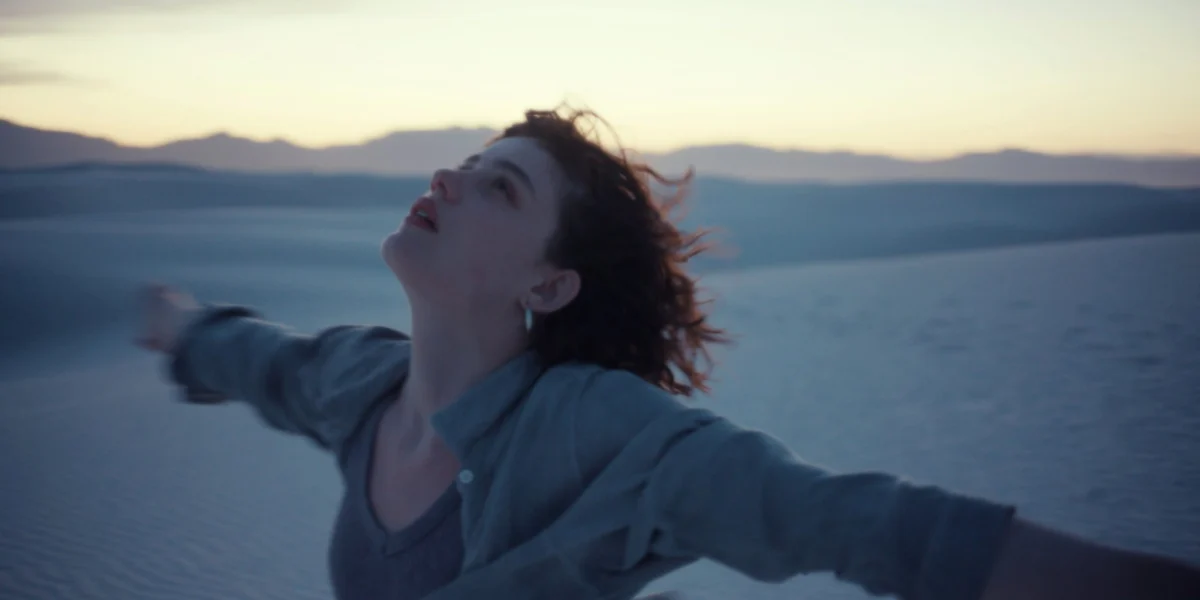
The visual language of the film, crafted by Director of Photography Giulia Schelhas, plays a vital role in establishing the mood. Schelhas captures the New Mexico landscape with a palette of rich blues and harsh oranges, emphasizing the physical intensity of the desert. The cinematography contrasts the claustrophobic interiors of the American high school and suburban homes with the infinite, almost "alien" scale of the desert at night. A standout sequence involves a drive into the desert sands, where the lighting and framing elevate the setting into a surrealist space, reflecting the characters’ internal displacement.
The soundtrack is equally deliberate, featuring an eclectic mix that spans genres and decades. The inclusion of Nina Simone’s "Wild is the Wind" and Chavela Vargas’s rendition of "La Llorona" adds a layer of timeless yearning to the 2001 setting. The film’s musical climax occurs at a local talent show, where Franny performs PJ Harvey’s version of Bertolt Brecht’s "Ballad of the Soldier’s Wife." This choice is strategically significant, linking Franny’s German heritage and the anti-war sentiments of the Brechtian tradition with the contemporary angst of the early 2000s indie scene.
Socio-Political Implications and Industry Impact
The film’s resonance in 2026 stems from its exploration of how borders—both literal and figurative—are constructed in times of crisis. A particularly tense sequence involves the host family’s encounter with a New Mexico border control officer. The officer’s instruction for Franny to remain silent highlights the immediate shift in how "outsiders" were perceived post-9/11, even those from allied Western nations. Additionally, the casual use of the term "Nazi Girl" by American peers serves as a sharp reminder of the cultural illiteracy and latent prejudices that surface when nationalistic tensions rise.
From an industry perspective, I’ll Be Gone In June represents a successful model for low-budget independent filmmaking. By focusing on high-concept emotional landscapes rather than expensive set pieces, Rivilis has produced a work that holds its own in the prestigious Un Certain Regard category. The film’s reception at Cannes suggests a growing appetite for "period pieces" that tackle the relatively recent past (the early 2000s) with the same historical rigor usually reserved for the mid-20th century.
Chronology of Production and Release
The development of the film began several years prior to its 2026 premiere, with Rivilis reportedly spending extensive time in New Mexico to scout locations that had remained largely unchanged since 2001.
- Pre-production (2023-2024): Casting for the role of Franny involved an international search, eventually landing on newcomer Naomi Cosma.
- Principal Photography (2024): Filming took place on location in Las Cruces and the surrounding Chihuahuan Desert, utilizing natural lighting to maintain the film’s indie aesthetic.
- Post-production (2025): The editing process focused on the seamless integration of MiniDV footage with 35mm-equivalent digital formats.
- Premiere (May 2026): The film debuted at the 79th Cannes Film Festival to positive critical notices, particularly for its direction and lead performance.
Conclusion and Future Outlook
I’ll Be Gone In June is positioned as a significant debut that establishes both Katharina Rivilis and Naomi Cosma as major talents in European and international cinema. The film’s ability to weave together the personal experience of an exchange student with the massive geopolitical shifts of the early 21st century provides a profound look at a world in transition. As the film moves from the festival circuit to potential theatrical distribution, its themes of identity, memory, and the "disappeared country" are expected to resonate with a broad international audience. Industry analysts predict that the film will perform well in European markets and find a dedicated following in North American indie circuits, particularly among viewers who lived through the era it so meticulously reconstructs.