The burgeoning landscape of horror cinema continues to be redefined by its digital origins, with the latest example being the cinematic adaptation of "The Backrooms." This film, drawing from a viral creepypasta and subsequent popular YouTube series, plunges audiences into a terrifying exploration of liminal spaces, tapping into a collective unease amplified by modern societal anxieties. As writer Molly is away on an undisclosed, dragon-related expedition, this report aims to provide a comprehensive overview of the film, its origins, and its broader cultural resonance.
Origins of an Internet Nightmare: From Creepypasta to Hollywood
The concept of "The Backrooms" first emerged in a 2019 /x/ (paranormal) board post on 4chan, where users shared unsettling images of empty, liminal spaces. The accompanying text described a phenomenon where one could "noclip" out of reality and fall into an infinite labyrinth of interconnected rooms and hallways, characterized by buzzing fluorescent lights, damp carpets, and an overwhelming sense of dread. This foundational text quickly sparked a wave of creative interpretation, with artists, writers, and filmmakers expanding upon the core concept.
A pivotal moment in the popularization of "The Backrooms" was the emergence of YouTube creator Kane Parsons. At just 20 years old, Parsons began producing a series of short films on his YouTube channel, "Kane Pixels," that depicted the terrifying experiences of individuals trapped within these liminal dimensions. His work, characterized by its found-footage aesthetic, sophisticated visual effects, and escalating tension, garnered millions of views and solidified "The Backrooms" as a significant cultural touchstone within internet horror.
The success of Parsons’ YouTube series directly paved the way for the feature film adaptation. Lionsgate, recognizing the immense online following and inherent narrative potential, partnered with Parsons and his creative team to bring "The Backrooms" to the big screen. This transition marks a significant trend in contemporary filmmaking, where content originating from online platforms and user-generated communities is increasingly being recognized for its commercial viability and artistic merit.
"The Backrooms" Film: A Visual and Psychological Terrorscape
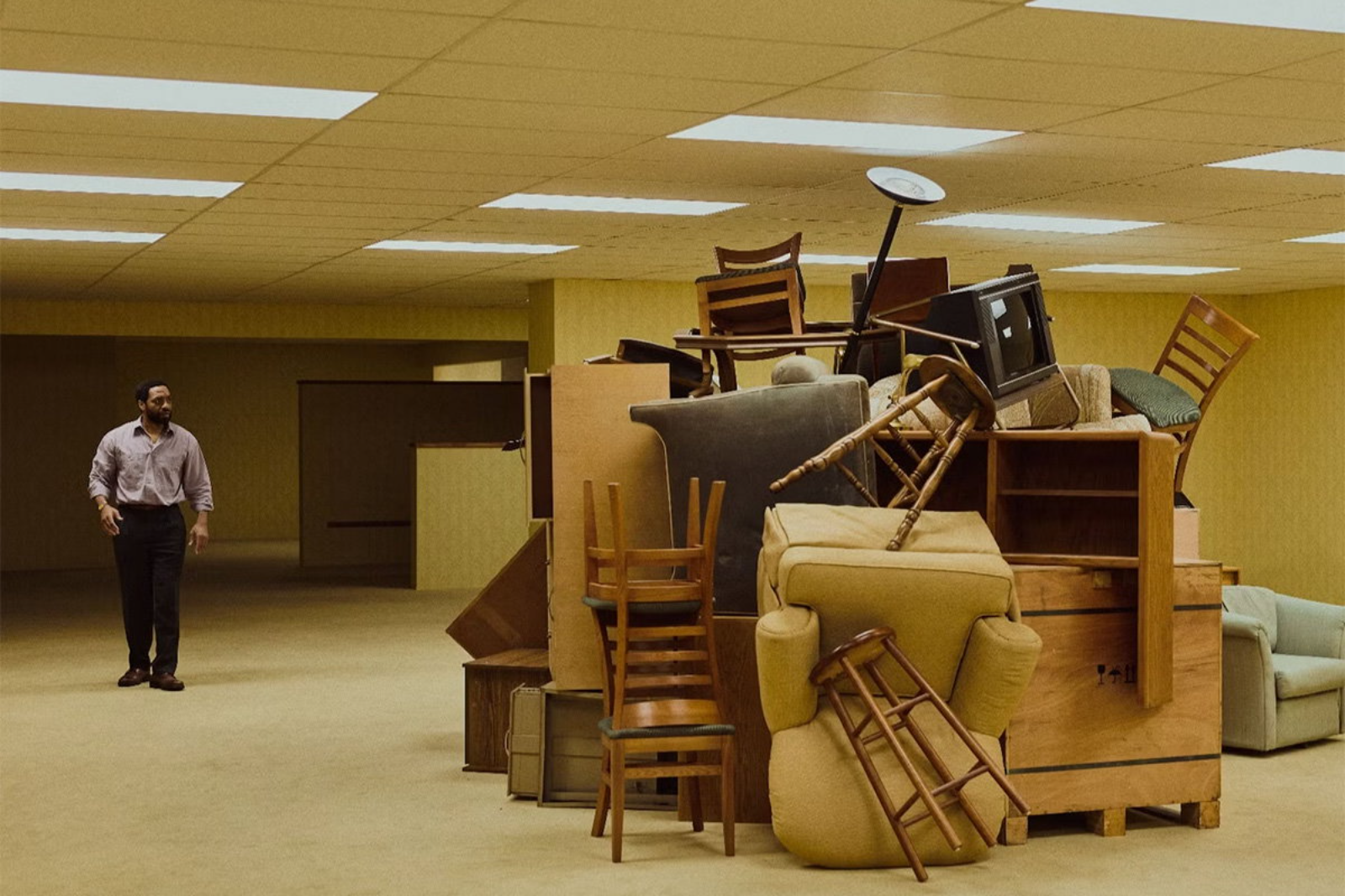
The narrative of the feature film "The Backrooms" centers on a man who discovers that his seemingly ordinary furniture store is a gateway to a vast, disorienting network of rooms disconnected from conventional reality. This premise directly translates the core anxieties of the original creepypasta, forcing protagonists to confront the fear of being lost and isolated in uncanny, sterile environments.
Reviews for the film suggest it successfully captures the ominous, terrifying, and visually inspired essence of its source material. Critics have lauded its ability to leverage the minimalist, liminal nature of "The Backrooms" concept, which has resonated deeply with audiences who harbor a subconscious fear of the sterile, impersonal spaces that have become more prevalent in an age of private equity, disappearing design identities, and institutional decay. The film’s visual style is reported to echo the aesthetic of shows like "Severance," emphasizing unsettling emptiness and unnerving repetition.
The film’s creation also highlights a new generation of horror auteurs emerging from non-traditional backgrounds. Kane Parsons, having honed his craft through independent online content creation, now stands as a prominent example of how digital platforms can serve as incubators for burgeoning cinematic talent. This shift in origin stories for filmmakers underscores the evolving media landscape and the democratizing influence of the internet on creative industries.
The Cultural Resonance of Liminal Spaces
The widespread appeal of "The Backrooms" phenomenon is deeply rooted in the concept of liminality. Liminal spaces, by definition, are transitional or in-between places – hallways, empty retail stores after closing, deserted office buildings, or even the uncanny stillness of an airport at odd hours. These environments evoke a sense of unease because they are devoid of their usual purpose and occupants, creating a feeling of temporal displacement and existential disorientation.
Sociological and psychological analyses suggest that the fascination with liminal spaces has intensified in recent years. Factors contributing to this include:
- Increased Urbanization and Corporate Standardization: The proliferation of identical shopping malls, office parks, and generic architectural designs can lead to a feeling of detachment and a loss of unique identity in physical spaces.
- The Digital Age and Remote Work: The shift towards remote work and increased online interaction has created a duality in our experience of space, blurring the lines between physical presence and virtual existence. This can lead to a heightened awareness of the "in-between" states of being.
- A Collective Anxiety of the Unknown: The unsettling nature of liminal spaces taps into primal fears of the unknown, of being lost, and of encountering unseen dangers.
"The Backrooms" film capitalizes on these anxieties, offering a visceral and terrifying manifestation of these collective uneases. The film’s success can be seen as a barometer of contemporary cultural anxieties, reflecting a growing discomfort with the sterile, impersonal, and potentially infinite nature of certain modern environments.
Broader Trends in Modern Horror Cinema
The success of "The Backrooms" film is not an isolated incident but rather part of a broader trend in the modern horror genre. The past decade has witnessed a resurgence in creatively driven, often independently produced horror films that explore complex themes and push aesthetic boundaries. This "golden age of horror" is increasingly characterized by:
- The Rise of Online Creators: As seen with Kane Parsons, platforms like YouTube, TikTok, and Reddit have become breeding grounds for new horror narratives and creators who then transition to mainstream film and television.
- Reimagining Found Footage and Analog Aesthetics: The found-footage subgenre, while experiencing a lull, is being revitalized with new approaches, and analog aesthetics from previous eras (like the Game Boy Color in gaming) are inspiring visual styles.
- Focus on Psychological and Existential Horror: Beyond jump scares, contemporary horror often delves into deeper psychological fears, existential dread, and societal anxieties, resonating with a more discerning audience.
- Transmedia Storytelling: The expansion of narratives across multiple platforms, from creepypastas to web series to feature films, is creating immersive and interconnected fan experiences.
This trend suggests a dynamic and evolving horror landscape, where innovation and creativity are not confined to traditional Hollywood studios but are actively being cultivated and amplified by online communities and independent creators.
Beyond the Screen: Related Cultural Offerings
While "The Backrooms" film takes center stage, the weekend’s offerings extend to other forms of media that tap into similar veins of genre exploration and unique storytelling.
Maximalist Genre Films for Maximum Enjoyment: For those seeking a palate cleanser after the minimalist dread of "The Backrooms," a selection of "maximalist genre films" are recommended. These films, characterized by their vibrant visuals, high-energy action, and often gonzo sensibilities, offer a stark contrast to the claustrophobic nature of the liminal horror. While specific titles are not detailed in the original text, the implication is a curated list designed to provide an exhilarating, sensory-overload experience. This approach acknowledges the diverse appetites of genre film enthusiasts and offers a spectrum of cinematic engagement.
"Master and Commander": A Longread Story of Intrigue and Deception: In the realm of longform online journalism, Peter Ward’s story "Master and Commander" is highlighted. While not strictly a genre piece, it exemplifies the power of the internet to unearth and amplify remarkable, untold stories. The narrative details a sea shanty singing band that achieves local celebrity status in a small Welsh town, only for its devoted fans to uncover a dark secret surrounding the band’s manager. This story serves as a testament to the enduring appeal of small-town mysteries and compelling investigative journalism, reminding readers of the internet’s capacity for delivering captivating, character-driven narratives.
"Mina the Hollower": A Modern Game Boy Color Masterpiece: For gamers, "Mina the Hollower" is presented as a significant release. Developed by Yacht Club Games, known for their retro-inspired "Shovel Knight," this new title is described as a "modern Game Boy Color masterpiece." Visually and mechanically, it draws inspiration from classics like "The Legend of Zelda: Oracle of Seasons," while incorporating elements of "Dark Souls" and "Castlevania." The game is lauded not merely for its nostalgic aesthetics but for its depth, emotional resonance, and its ability to push the boundaries of the adventure game genre. It is positioned as a potential game of the year contender and a likely source of new obsessions for players.
"Hyperdrive Overfixation": A Series of Specific Obsessions: Finally, for those seeking lighter, more niche content, the "Hyperdrive Overfixation" series is recommended. Curated by a social media manager, this series provides a platform for individuals to explore and articulate their intensely specific passions. Examples cited include arguments for "Star Wars" benefiting from a throuple storyline, the case for "Red Dead Redemption 2" as a "horse girl masterpiece," and a deep dive into the anatomy of mermen. This series celebrates the power of focused enthusiasm and the unique, often humorous, ways in which people connect with their interests, offering a welcome antidote to the more somber themes explored elsewhere.
Conclusion: A Weekend of Immersive Entertainment
This weekend presents a compelling array of entertainment options, anchored by the release of "The Backrooms" film, which taps into the zeitgeist of internet culture and contemporary anxieties. From the chilling exploration of liminal spaces to the energetic thrill of maximalist genre cinema, the quiet intrigue of a journalistic deep dive, the nostalgic charm of a retro-inspired video game, and the joyful celebration of niche obsessions, there is a rich tapestry of experiences available. These offerings collectively demonstrate the diverse and evolving nature of storytelling and entertainment in the digital age, proving that compelling narratives can emerge from anywhere and captivate audiences across various media. As always, the reminder to engage civically by contacting representatives serves as a grounding force amidst the immersive world of digital and cinematic narratives.