The concept of "liminality," long established in academic discourse by Arnold Van Gennep in his 1909 work Rites de Passage to describe transitional states, has surged into mainstream consciousness, particularly within the horror genre. This burgeoning subgenre, often termed "liminal horror," explores the unsettling nature of in-between spaces, moments, and psychological states. While the roots of liminal horror are as old as storytelling itself, recent cinematic releases and the viral spread of internet lore have propelled it into a significant cultural phenomenon, prompting a deeper examination of its appeal and implications.
The Genesis of a Subgenre: From Internet Creepypasta to Blockbuster
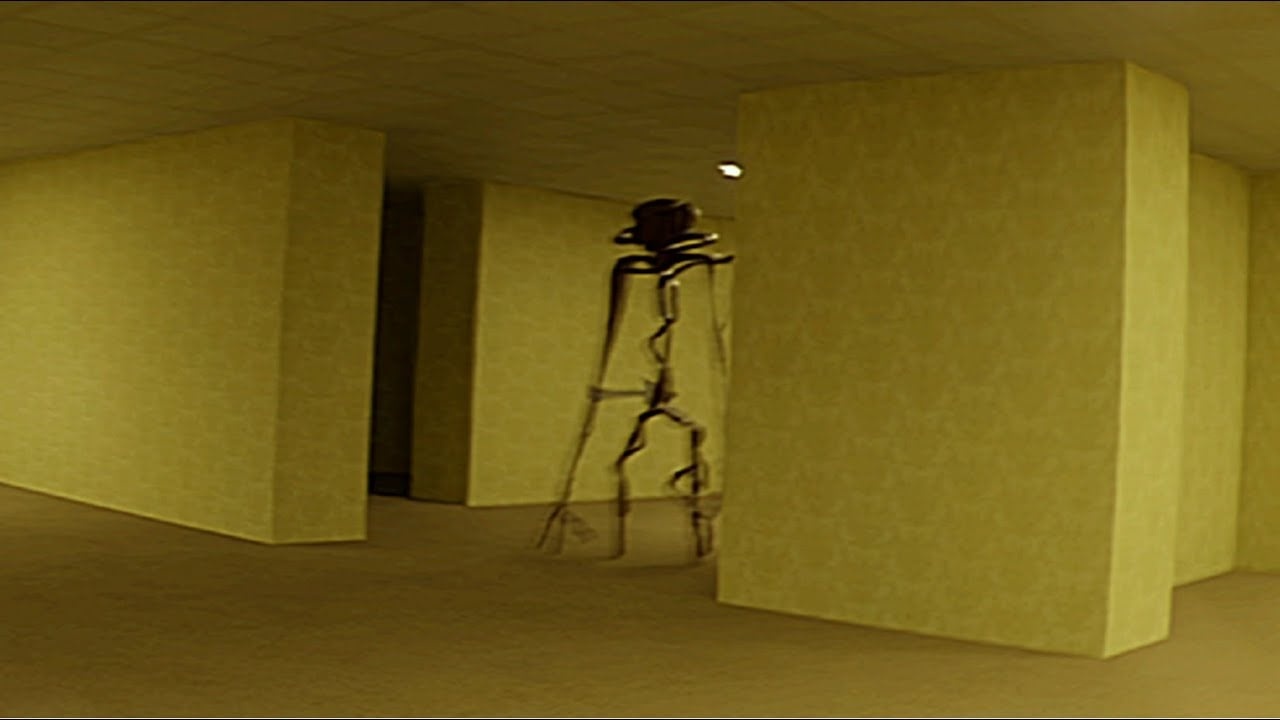
The contemporary surge in liminal horror can be traced, in part, to the digital age’s capacity for rapid idea dissemination. The "Backrooms" phenomenon, originating from a 4chan post in 2019, laid a significant foundation. This concept described an infinite labyrinth of empty, often yellow-tinted office rooms, characterized by the unsettling familiarity of mundane spaces rendered alien and inescapable. The subsequent viral YouTube series by Kane Parsons, a then-teenager, brought this concept to life with a visceral, found-footage aesthetic that captivated millions.
Parsons’ work, released incrementally online beginning in 2022, demonstrated the potent horror inherent in liminal spaces. His early shorts, often characterized by unsettling sound design and a palpable sense of dread, resonated with a generation already steeped in internet lore and the existential anxieties of a digitally saturated world. The "Backrooms" lore expanded rapidly, encompassing various "levels" and entities, fostering a rich, collaborative mythology that transcended its humble origins.
The critical and commercial success of the A24-produced feature film The Backrooms, helmed by Parsons, has cemented the subgenre’s place in the cinematic landscape. The film’s substantial investment and subsequent mainstream release underscore the industry’s recognition of liminal horror’s growing audience appeal. This transition from a niche internet phenomenon to a studio-backed theatrical release marks a significant milestone.
Defining Liminal Horror: More Than Just Empty Corridors
While the visual trope of endless hallways and vacant rooms is a common motif, liminal horror delves deeper into psychological unease. It taps into the primal fear of being lost, disoriented, and disconnected from reality. The genre often plays on the uncanny familiarity of ordinary places, such as empty offices, deserted malls, or labyrinthine transportation hubs, transforming them into sites of existential dread.
This subgenre is not merely about empty spaces but about the feeling of being in a state of transition, a space where the familiar rules of existence no longer apply. It evokes the unsettling sensation of being caught between what was and what is to come, a state of perpetual uncertainty that can be deeply unnerving.
Key Cinematic Manifestations of Liminal Horror
The Backrooms (2026 – Film)
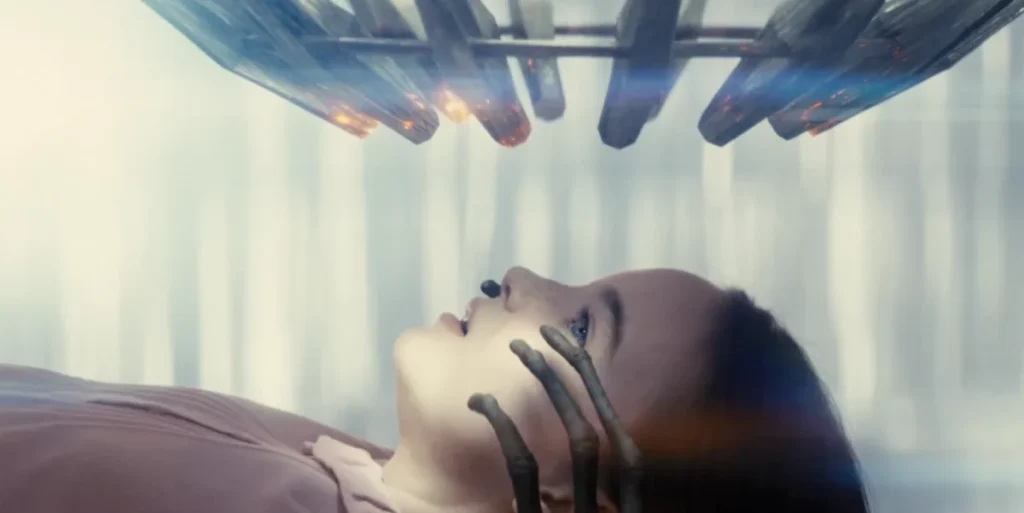
Directed by Kane Parsons, the feature film adaptation of the viral internet phenomenon represents a significant moment for liminal horror. With a reported substantial budget and A24’s backing, the film’s release signifies the genre’s arrival on the mainstream cinematic stage. The narrative centers on an individual who inadvertently "noclippes" out of reality and into the dreaded Backrooms, a seemingly infinite expanse of interconnected, mundane spaces. The film’s production has been subject to intense speculation, with some questioning the directorial involvement of the young Parsons. However, actor Mark Duplass has publicly affirmed Parsons’ sole directorial vision, dispelling rumors of extensive outside assistance and highlighting the industry’s faith in his unique artistic voice. The film’s narrative, featuring Chiwetel Ejiofor as a furniture store owner who discovers a portal, directly engages with the core tenets of liminality, placing characters in spatially and psychologically disorienting environments.

Exit 8 (2025)
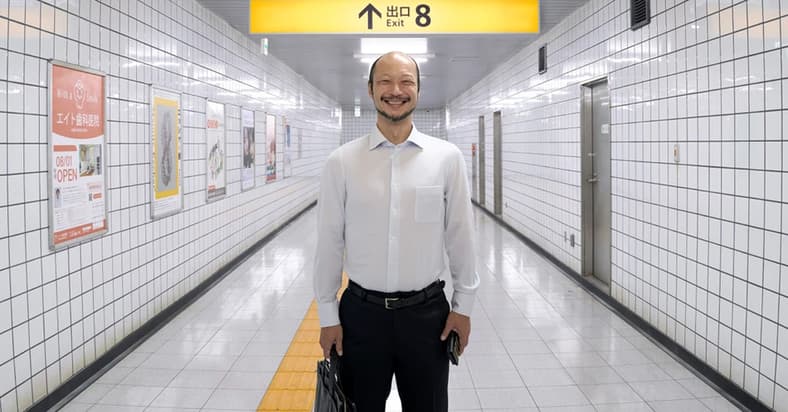
Directed by Genki Kawamura, Exit 8, based on the popular Japanese video game, offers a compelling exploration of liminality within a confined, repeating environment. The film follows a character trapped in a subway tunnel loop, tasked with identifying anomalies to escape. This narrative structure directly mirrors the feeling of being stuck in a Sisyphean task, a common manifestation of liminal dread. The film’s thematic resonance with fatherhood and the anxieties of impending parenthood adds layers of psychological depth, connecting the external horror of the liminal space to internal emotional states. The critical reception has been largely positive, with some critics, including Dread Central’s own Josh Korngut, hailing it as an exceptional liminal thriller and a standout video game adaptation.
Skinamarink (2023)
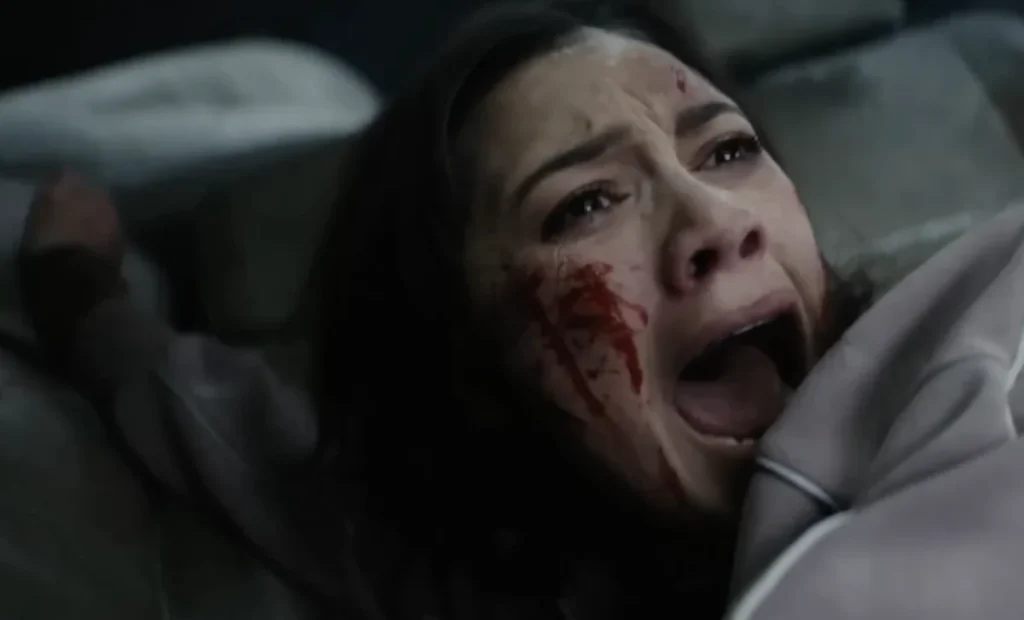
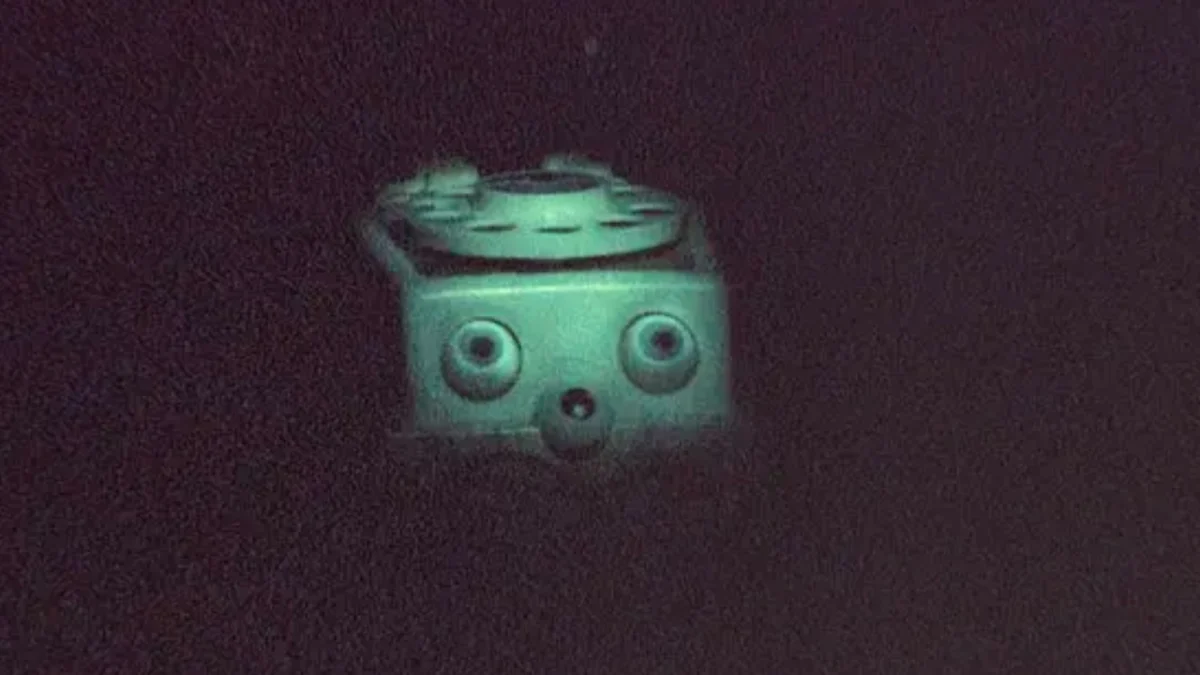
Kyle Edward Ball’s independent film Skinamarink polarized audiences but significantly contributed to the discourse around liminal horror. Its lo-fi, experimental approach, characterized by long takes of seemingly mundane domestic spaces and a pervasive sense of childhood fear, resonated deeply with many. The film depicts two children trapped in a house where doors and windows disappear, and the environment constantly shifts. Detractors criticized its slow pace and abstract nature, but proponents argued that its deliberate ambiguity and unsettling atmosphere effectively captured the terrifying disorientation of early childhood memories and the vulnerability of being lost within a familiar yet suddenly alien environment. The film’s thematic connection to personal experiences of divorce and the disruption of home life further underscores its potent emotional impact.
The Outwaters (2023)
Robbie Banfitch’s found-footage horror film The Outwaters also emerged in 2023, further solidifying the liminal horror trend. While its initial presentation may not immediately suggest liminality, the film’s narrative of a group of friends experiencing a descent into a nightmarish, hellish landscape after a desert excursion functions as a powerful exploration of being trapped between life and death, reality and an incomprehensible beyond. The film’s raw, unsettling portrayal of existential terror and the breakdown of familiar structures places it firmly within the liminal horror spectrum.
Noclip Franchise (Ongoing)
Filmmakers Gavin Charles and Alex Conn have explored liminal spaces through their Noclip franchise. Inspired by the video game term for passing through solid objects, their films feature the duo navigating vast, seemingly endless shopping malls and parking garages. While less artistically ambitious than some of their contemporaries, the Noclip series serves as a testament to the burgeoning interest in liminal horror, with independent filmmakers experimenting within these unsettling environments. These films highlight the genre’s accessibility and its appeal to a generation familiar with the vast, impersonal spaces of consumerist architecture.

The Psychological Resonance of Liminality
The burgeoning popularity of liminal horror can be attributed to its profound resonance with the current socio-political and psychological climate. In an era marked by global instability, economic disparity, and rapid technological change, many individuals experience a pervasive sense of uncertainty and transition. The feeling of being "between" – between past certainties and an unpredictable future, between established societal norms and emerging ones – is a shared contemporary anxiety.
Liminal horror films, by centering on characters who are literally and figuratively lost, mirror this collective experience. The inescapable nature of these liminal spaces reflects the feeling of being trapped by circumstances beyond one’s control. The genre provides a cathartic outlet for processing these anxieties, allowing audiences to confront and engage with feelings of disorientation and uncertainty in a controlled, albeit terrifying, environment.
Thematically, liminal horror often explores:
- Loss of Control: Characters are frequently stripped of agency, forced to navigate environments that defy logic and personal will.
- Existential Dread: The genre taps into fundamental fears about the nature of reality, consciousness, and the unknown.
- The Uncanny: Familiar environments are rendered alien and threatening, evoking a deep-seated psychological discomfort.
- Transitional States: The films often mirror personal or societal shifts, capturing the unease of moving from one phase of life or existence to another.
Historical Precedents and Evolving Tropes
While the current wave of liminal horror is distinct in its direct engagement with internet culture and its specific aesthetic, the thematic underpinnings are not new. Ancient myths, such as the Labyrinth of Crete, embody the archetypal liminal space designed to trap and disorient. Classic horror literature and film have long utilized settings that evoke similar feelings.
- The Shining (1980): The Overlook Hotel, with its vast, echoing corridors and isolated setting, functions as a powerful liminal space, both physically and psychologically trapping its inhabitants.
- A Nightmare on Elm Street (1984): The dreamscapes, where the laws of physics are malleable and escape is elusive, represent a potent form of liminality, blurring the lines between reality and subconscious.
- Silent Hill (Video Game Series, 1999 onwards): The fog-laden, decaying town and its shifting, industrial otherworld are prime examples of environments that embody liminal dread, representing internal psychological states.
The modern iteration of liminal horror, however, leverages the digital age’s capacity for creating and sharing vast, procedurally generated or conceptually infinite spaces. The aesthetic of The Backrooms, for instance, is intrinsically tied to the visual language of early 3D rendering and the uncanny valley.
The Future of Liminal Horror
The continued success of films like The Backrooms and Exit 8, coupled with the enduring popularity of online lore, suggests that liminal horror is more than a fleeting trend. Its ability to tap into fundamental human anxieties and reflect the contemporary zeitgeist positions it as a subgenre with significant staying power.
The implications for the broader film industry are substantial. The success of independent and internet-born projects like Skinamarink and The Backrooms demonstrates a growing audience appetite for innovative and thematically resonant horror. This could lead to further investment in unconventional storytelling and a greater willingness to explore psychological and existential themes within the genre.
As society continues to navigate periods of profound change and uncertainty, the allure of liminal spaces—both literal and metaphorical—is likely to persist. Liminal horror, with its capacity to articulate these pervasive feelings of disorientation and transition, is poised to remain a vital and evolving force in contemporary cinema, offering audiences a unique lens through which to confront the unsettling realities of our ever-shifting world.