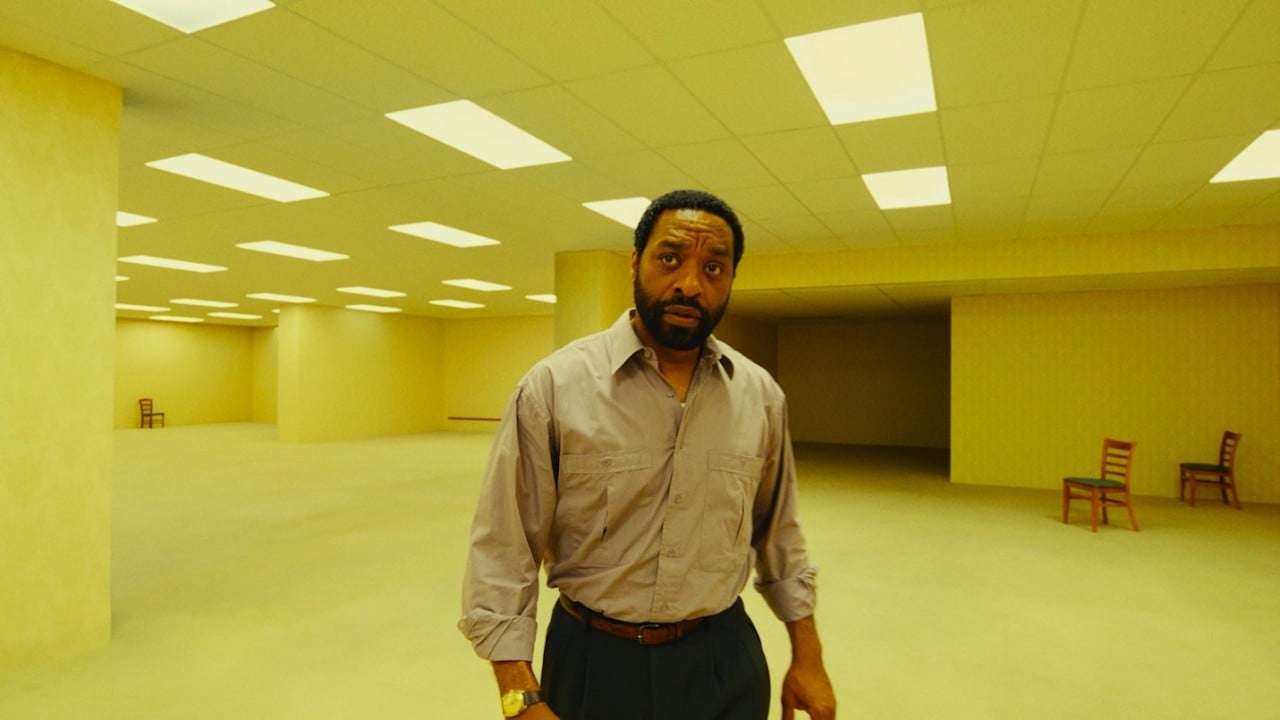
Chiwetel Ejiofor delivered a performance of remarkable depth and complexity as Captain Clark in the recently released horror film "Backrooms." His portrayal, shifting seamlessly from an earnest furniture salesman grappling with the surreal to a psychologically fractured explorer consumed by the enigmatic "Backrooms," stands as a testament to his acting prowess. This central performance, coupled with the thoughtful contributions of co-star Renate Reinsve, marks a significant achievement for director Kane Parsons in his feature film debut, offering a compelling cinematic experience that has resonated deeply with audiences, particularly the younger demographic.
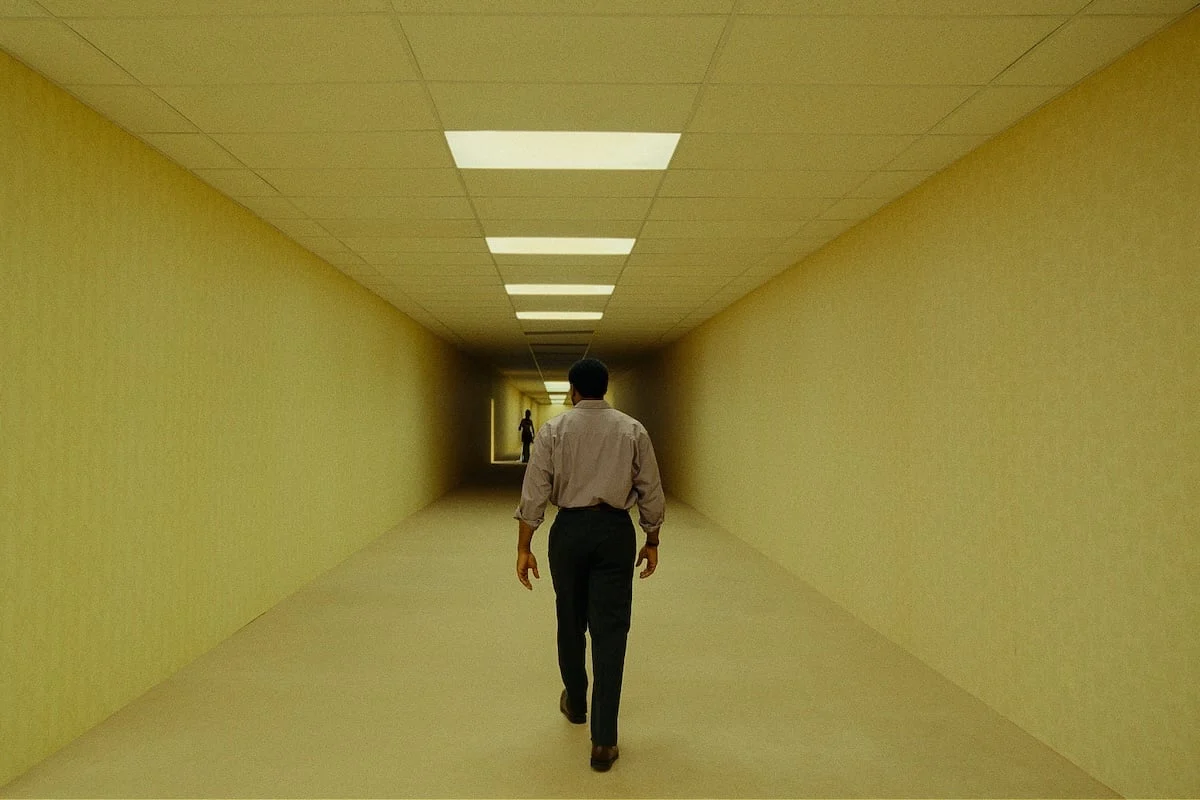
The film’s initial reception focused heavily on its innovative premise and unsettling atmosphere, drawing significant attention from horror enthusiasts and critics alike. The concept of the "Backrooms," a vast, liminal space characterized by endless yellow rooms and an eerie sense of isolation, tapped into a prevalent cultural zeitgeist, especially among Gen Z, who have grown up immersed in internet culture and its associated anxieties. However, as the discourse surrounding "Backrooms" evolved, a crucial aspect of its narrative and casting began to surface: the significance of Chiwetel Ejiofor, a Black actor, portraying Captain Clark.
Unpacking the Significance of Ejiofor’s Casting
The realization of Captain Clark’s racial identity, for many viewers and critics, including this publication’s initial reflection, emerged not from the film’s overt narrative but through a more nuanced observation of its thematic underpinnings and its resonance within broader societal conversations. This delayed recognition is, in itself, a point of discussion, particularly within the context of representation in the horror genre. For years, discussions surrounding Black representation in film have highlighted a desire for characters who are not solely defined by their race or relegated to stereotypical roles, such as victims of historical trauma or perpetrators of crime. The emergence of "Backrooms" presented an opportunity to explore these themes through a character who, while flawed, is multifaceted and central to a genre often perceived as lacking diverse protagonists.
Ejiofor’s presence in a role that transcends racial archetypes can be seen as a quiet victory for representation. His prior, critically acclaimed role in "12 Years a Slave" brought him to mainstream prominence, yet it also underscored the discomfort within some segments of the Black community regarding the continuous portrayal of Black individuals solely within the context of slavery. The desire for Black characters to simply "be" ordinary individuals, navigating complex situations without their race being the sole determinant of their narrative arc, is a sentiment that has been vocalized by many in the Black cinephile community. "Backrooms" offers a space where Ejiofor’s character, Captain Clark, can exist as a complex human being, whose internal struggles and motivations are explored beyond racial categorization.
The "Backrooms" Phenomenon and Gen Z’s Anxieties
The immense popularity of "Backrooms" among younger audiences, particularly those aged 25 and under, is a significant cultural indicator. This demographic, often described as "chronically online," has a profound connection to internet lore and the emergent subgenres of horror that spring from it. Critics and cultural commentators have posited that "Backrooms" resonates so deeply with young people because it serves as a tangible manifestation of their anxieties. The film’s exploration of infinite, disorienting spaces and the psychological toll of isolation mirrors the pressures and uncertainties faced by a generation navigating a rapidly evolving world, marked by technological saturation and unprecedented global challenges.
Data from recent studies on youth mental health corroborate the notion that this generation experiences heightened levels of anxiety and stress. A 2023 report by the American Psychological Association indicated that Generation Z reports higher levels of stress than previous generations, citing factors such as economic instability, climate change, and social unrest. The "Backrooms" narrative, with its depiction of a seemingly inescapable, overwhelming environment, can be interpreted as a cinematic allegory for these pervasive feelings of entrapment and existential dread.
Examining Male Loneliness and Societal Pressures
Beyond the general anxieties of youth, "Backrooms" offers a potent lens through which to examine the specific challenges faced by men, particularly concerning mental health and social isolation. The film’s central character, Captain Clark, embodies aspects of the growing epidemic of male loneliness, a phenomenon increasingly documented by research. Studies, such as those published by the National Bureau of Economic Research, highlight the detrimental effects of social isolation on men’s physical and mental well-being, including increased risks of depression, anxiety, and even mortality.
The "eeriecore" and liminal space horror subgenres, to which "Backrooms" firmly belongs, can be seen as a contemporary artistic response to these feelings of disconnection and alienation. While previous generations may have expressed similar disaffection through different cultural outlets, the current iteration appears to find a visual and narrative outlet in these unsettling, empty landscapes that mirror internal states of being.
The Interplay of Race, Masculinity, and Mental Health
The question of Captain Clark’s race, when considered alongside these broader themes, introduces another layer of complexity. Societal norms often impose rigid expectations of masculinity, particularly on Black men, demanding stoicism and resilience in the face of adversity. This pressure can be particularly acute given the historical and ongoing experiences of racism and trauma. Research by institutions like the National Institute of Mental Health has consistently shown disparities in mental health care access and outcomes for Black men, often attributed to a combination of stigma, mistrust of healthcare systems, and the internalization of societal expectations that discourage vulnerability.

The narrative of "Backrooms" has, understandably, sparked conversations about how Captain Clark’s actions, particularly his treatment of his wife, might be perceived as a negative portrayal of Black men. Concerns have been raised about the film potentially reinforcing harmful stereotypes. However, a deeper analysis, as articulated by figures within the horror community, suggests a more nuanced interpretation.
Mark O. Estes, a prominent horror podcaster and self-proclaimed "blerd" (Black nerd), offered his perspective on the significance of Ejiofor’s casting. "It matters in the sense that it’s a win for Black representation in horror, especially with Clark being a messy, complicated character," Estes stated. He acknowledged the potential for some viewers to view Clark’s end-of-film unraveling negatively, but emphasized that "Chiwetel’s acting caliber elevated the role from being one-note." This perspective aligns with the understanding that characters, like real people, are not monolithic. While acknowledging that "hurt people hurt people," Estes also raised a broader societal question: "I wonder what the world would look like if we cracked open the patriarchy and allowed men to be soft, to be vulnerable, to talk about their mental health."
The pressure on Black men to maintain an image of strength, even when enduring immense psychological burdens, is a well-documented issue. As noted by Stanford University psychiatry professor Leslie Adams, who researches Black men’s mental health, Black men are often "expected to endure cumulative trauma, generational trauma of racism, violence, isolation, while being denied the psychological space to process those atrocities." While director Kane Parsons may not have explicitly written Clark’s character with the specific struggles of Black men’s mental health in mind, the "Backrooms" itself can be interpreted as a powerful metaphor for the internal landscapes of individuals grappling with overwhelming psychological distress, a state that disproportionately affects men across all racial backgrounds, but with unique societal pressures impacting Black men.
The Metaphysical and Architectural Allure of the Backrooms
Beyond its thematic resonance, "Backrooms" is lauded for its innovative exploration of space and its potential for architectural and allegorical interpretation. The sheer scale of the depicted "Backrooms" – reportedly spanning an expanse of 30,000 square feet – contributes to the overwhelming sense of disorientation and existential dread. The film’s success in rendering this metaphysical space, and the science fiction elements that underpin its existence, is expected to fuel discussions among horror aficionados for years to come. The film’s ability to blend psychological horror with a unique, almost architectural, form of dread positions it as a significant entry in the genre, inviting analysis of its visual language and narrative construction.
Conclusion: A Multifaceted Cinematic Achievement
In conclusion, "Backrooms" stands as more than just a horror film; it is a complex cultural artifact that intersects with contemporary discussions on representation, mental health, and the evolving nature of masculinity. Chiwetel Ejiofor’s commanding performance as Captain Clark provides a focal point for these conversations, demonstrating the power of diverse casting to enrich narrative and provoke meaningful dialogue. The film’s ability to tap into the anxieties of a generation while simultaneously offering a nuanced portrayal of a flawed, human character solidifies its place as a significant cinematic achievement, encouraging a deeper understanding of the psychological landscapes that shape our experiences, both within the confines of a fictional "Backrooms" and in the broader realities of our lives.