The 83rd edition of the Venice International Film Festival, one of the world’s most prestigious cinematic events, is set to conclude on a compelling note with the out-of-competition world premiere of Giovanni Veronesi’s latest film, Dio ride (God Laughs). The much-anticipated feature, written and directed by the acclaimed Italian filmmaker, is slated for its debut on Saturday, September 12, following the festival’s official awards ceremony. The grand closing will mark the culmination of a robust festival program that commences on September 2, showcasing a diverse array of international cinema.
A Grand Finale for Venice
The decision to feature Dio ride as the closing film, presented outside the main competition, underscores its anticipated impact and the high regard in which Veronesi is held within the Italian and international film communities. While not vying for the coveted Golden Lion, the out-of-competition slot often serves as a celebratory platform for films that offer significant artistic merit, widespread appeal, or a particularly resonant message, providing a prestigious send-off to the festival. Venice Festival Director Alberto Barbera expressed profound enthusiasm for the choice, stating, "We will close on a high note thanks to Giovanni Veronesi and his magnificent cast, to whom we owe the successful blend of irony and lightness applied to a traditionally serious topic. It is a tone that belongs to the finest tradition of a certain Italian cinema, one that has been overlooked for far too long." Barbera’s statement not only praises Veronesi’s unique directorial approach but also highlights a conscious effort by the festival to champion a distinctive style of Italian filmmaking that expertly navigates complex themes with nuance and accessibility.
Unveiling the Narrative: A Tale of Faith, Dissent, and Humanity
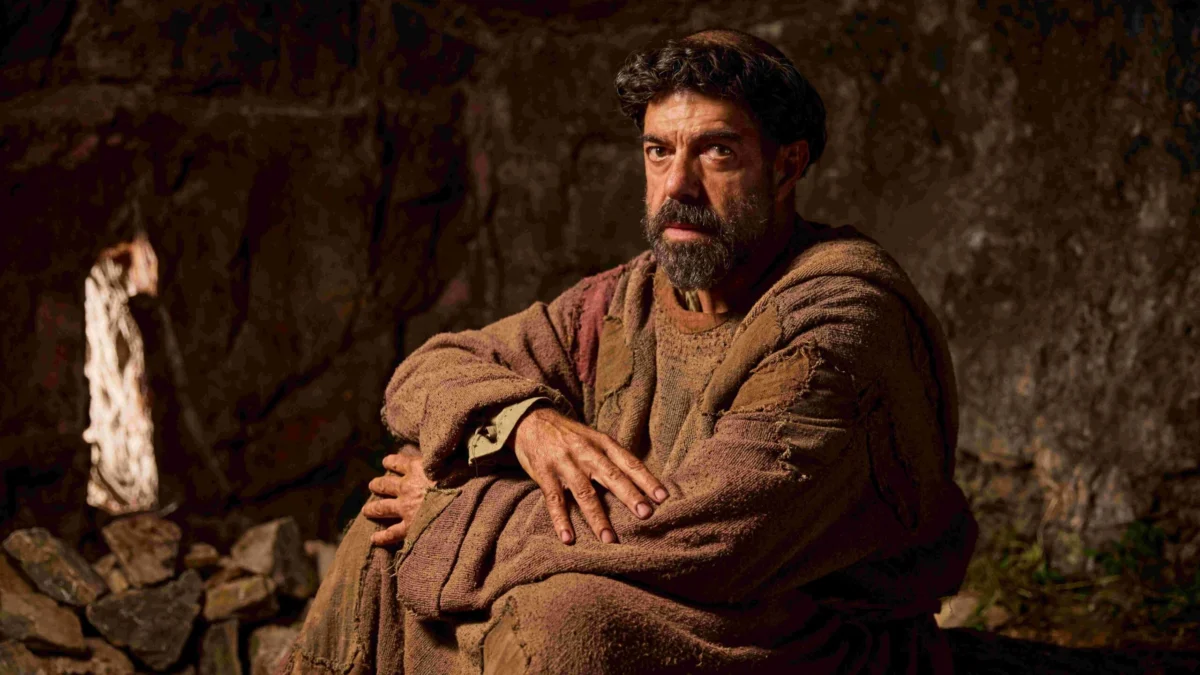
At its core, Dio ride delves into a profound historical and philosophical confrontation, set against the backdrop of mid-17th century Italy. The film introduces Frate Leopoldo da Casamacchia, a charismatic and unconventional friar who challenges the rigid doctrines of the Church with a message of divine joy and proximity. Unlike the prevailing clerical discourse delivered in Latin, Leopoldo recounts the Gospel in a vernacular, relatable manner, infused with a contagious joy that brings comfort and hope to the common people. His vision of a God who is intimately connected to humanity, even capable of laughter, quickly resonates, drawing thousands of followers from village to village. This burgeoning movement, however, simultaneously leads to emptying churches, signalling a direct challenge to the established religious authority.
The ripple effect of Leopoldo’s popularity inevitably reaches the Vatican, prompting a swift and decisive response. Pope Innocent X, portrayed by Carlo Cecchi, entrusts the formidable Cardinal Maculani, the era’s most authoritative inquisitor, with the task of addressing this perceived heresy. What begins as a judicial inquiry into Frate Leopoldo’s teachings gradually transforms into an unexpected and deeply personal confrontation. This intellectual and spiritual clash is designed to challenge not only Leopoldo’s fate but also the seemingly unshakable convictions of Maculani and those within the Church hierarchy who grapple with growing doubts. The film’s synopsis poignantly notes, "While Leopoldo’s destiny seems foreordained, the destinies of Maculani and those who, like him, are overcome by doubt take unexpected directions. Because you can silence a voice but not what that voice has left in others." This powerful statement hints at the film’s exploration of enduring legacy, the indomitable spirit of truth, and the transformative power of a truly human message.
Giovanni Veronesi: A Master of Italian Storytelling
Giovanni Veronesi, the visionary behind Dio ride, is a celebrated figure in contemporary Italian cinema, known for his versatile filmography that often blends comedy, drama, and insightful social commentary. His previous works, such as The King’s Musketeers, a comedic take on classic adventure, and the popular Manual of Love trilogy, which explores the complexities of relationships, have cemented his reputation as a director with a keen understanding of human nature and a distinctive narrative voice. Films like For Love, Only for Love further showcase his ability to tackle poignant themes with both sensitivity and an engaging narrative style.
Veronesi’s reaction to the Venice invitation was characteristically understated yet deeply heartfelt. "I struggle to express my emotions well; I find it difficult to admit when I’m thrilled or happy," he confessed. "However, this time, the invitation to the Venice Film Festival left me surprised and honored. I am happy – there, I’ve said it." This humble admission from a director of his stature underscores the immense prestige associated with being selected for such a prominent position at the Lido. His work often reflects a modern sensibility while drawing inspiration from classical Italian storytelling traditions, a characteristic that likely resonated with Barbera’s appreciation for "a certain Italian cinema."
A Stellar Ensemble Cast Brings History to Life
The film boasts an impressive ensemble cast, featuring some of Italy’s most respected and acclaimed actors, which is a testament to the project’s artistic ambition. Pierfrancesco Favino, a perennial favourite at international festivals and a recipient of numerous awards, leads the cast. Favino’s powerful and nuanced performances have graced a wide array of films, from gritty dramas like The Traitor to historical epics and international productions, establishing him as one of Italy’s most compelling screen presences. His portrayal of Frate Leopoldo is anticipated to be a performance of great depth and charisma.
Joining him is Silvio Orlando, another veteran actor known for his remarkable versatility and ability to embody complex characters with subtle intensity. His presence promises to add significant gravitas to the film’s dramatic core. Alma Noce and Francesco Gheghi represent a newer generation of talent, bringing fresh perspectives to the narrative. Maurizio Lombardi, with his distinctive presence, further enriches the cast. Paolo Rossi, a renowned comedian and actor, is also part of the ensemble, potentially injecting Veronesi’s signature blend of lightness into the serious subject matter. The pivotal role of Pope Innocent X is undertaken by the distinguished Carlo Cecchi, an actor and theatre director whose formidable stage and screen presence will undoubtedly lend historical weight and authority to the pontiff. This combination of seasoned talent and emerging stars ensures a rich tapestry of performances capable of bringing the historical and emotional complexities of Dio ride to vivid life.
The intricate script, which promises a nuanced exploration of faith and power, was crafted by Giovanni Veronesi himself, in collaboration with Nicola Baldoni, Gianluca Bernardini, and Nicola Deorsola. The writing team also benefited from the invaluable collaboration of Paolo Portone and Jean Jacques Llunga, indicating a meticulous approach to historical detail and narrative development.
The 83rd Venice Film Festival: A Prestigious Platform
The Venice International Film Festival, established in 1932, holds the distinction of being the oldest film festival in the world. It is a vital cultural institution and a critical barometer for global cinematic trends, often serving as a launchpad for films that go on to achieve significant international acclaim and awards season recognition. The festival is renowned for its discerning selection process, showcasing both established masters and emerging voices, and fostering a vibrant dialogue around the art of filmmaking. The out-of-competition closing slot, while not a competitive category, is often reserved for high-profile, celebratory films that embody the spirit of the festival or offer a particularly strong cinematic experience, providing a memorable conclusion to the eleven-day event. Previous closing films have included a mix of highly anticipated releases and critically acclaimed works, setting a high standard for Dio ride. Its selection signals the festival’s confidence in the film’s artistic merit and its potential to resonate deeply with audiences.
Historical Tapestry: The Mid-17th Century Setting
The mid-1600s, the era in which Dio ride is set, was a period of significant religious and political upheaval in Europe. Following the Council of Trent (1545-1563), the Catholic Church was deeply entrenched in the Counter-Reformation, an era characterized by a robust reassertion of Catholic doctrine, the strengthening of the Inquisition, and a more centralized, authoritarian structure. The papacy, particularly under figures like Pope Innocent X (Giovanni Battista Pamphili, reigned 1644-1655), wielded considerable temporal and spiritual power. Innocent X, known for his strong administrative hand, his focus on consolidating papal power, and his patronage of arts, also presided over a period where religious dissent was met with severe scrutiny.
The film’s depiction of a friar who preaches in the vernacular and with joy stands in stark contrast to the formal, Latin-based liturgy and the often austere tone of post-Reformation Catholicism. The Inquisition, an ecclesiastical court system, was a formidable force, tasked with combating heresy and maintaining doctrinal purity. Cardinal Maculani, if based on a historical figure or representative of such authority, would embody the Church’s rigorous enforcement arm. The conflict between Frate Leopoldo’s accessible, joyful faith and the institutional Church’s rigid structure reflects the broader tensions of the period, where personal spirituality often clashed with established dogma and power. The historical context thus provides a rich backdrop for a narrative that explores universal themes of freedom of thought, the nature of belief, and the courage required to challenge entrenched systems.
Thematic Resonance: Bridging Past and Present
The Venice Film Festival committee specifically highlighted the film’s contemporary relevance, stating, "Set in the mid-1600s and loosely based on true events, the movie resonates strongly with the present time through a story that centers on freedom, the power of the truth, and the relationship between people and power, with its shadows and contradictions. With his profound humanity, the friar Frate Leopoldo will change the lives of the people he encounters." This observation is crucial, as it elevates Dio ride beyond a mere historical drama. The struggle between individual conviction and institutional authority, the appeal of a charismatic leader offering a message of hope, and the impact of challenging established norms are themes that continue to resonate profoundly in modern society.
In an age where information spreads rapidly and challenges to traditional power structures are increasingly common, the narrative of a voice that cannot be silenced, despite efforts to suppress it, holds significant contemporary meaning. The film appears to explore how genuine humanity and an authentic message can transcend dogma and bureaucratic barriers, leaving an indelible mark on individuals and communities. This thematic depth, coupled with Veronesi’s characteristic blend of seriousness and lightness, promises a film that is both thought-provoking and emotionally engaging.
Behind the Scenes: Crafting the Narrative
The collaborative effort behind the screenplay, involving multiple writers including Veronesi himself, suggests a meticulous approach to developing the complex historical and theological dimensions of the story. The blend of historical research and narrative invention would have been key to creating a compelling yet historically grounded fictional world. The involvement of PiperFilm as the production company underscores a commitment to high-quality Italian cinema, while Piperplay’s handling of international sales signals ambitions for a global reach.
Anticipated Release and International Outlook
Following its prestigious world premiere at the Venice Film Festival, Dio ride is scheduled for release in Italian cinemas on October 29. The distribution will be handled by PiperFilm, ensuring a wide theatrical release across Italy. With Piperplay overseeing international sales, the film is poised to attract significant interest from distributors worldwide. Its selection for Venice, particularly as the closing film, provides an invaluable platform for international exposure, often leading to sales in key markets and a strong presence at subsequent festivals. The film’s universal themes, combined with a renowned director and a stellar cast, position it well for critical and commercial success beyond Italian borders.
The Legacy of "Dio ride"
Giovanni Veronesi’s Dio ride promises to be a memorable conclusion to the 83rd Venice International Film Festival. It is a film that appears to deftly weave historical detail with timeless themes, offering a powerful narrative about faith, dissent, and the enduring human spirit. Through the compelling story of Frate Leopoldo and his clash with the powerful Cardinal Maculani, Veronesi invites audiences to reflect on the nature of truth, freedom, and the profound impact one individual can have on the course of history and the hearts of many. As the curtain falls on the Lido, Dio ride is poised not just to entertain, but to spark conversations and leave a lasting impression, embodying the very essence of cinematic storytelling that the Venice Film Festival champions.