"Our Child," a compelling Hong Kong and United Kingdom co-production, marks the auspicious debut fiction short film from British Chinese filmmaker Anatole Sloan. This poignant work, which delves into the intricate tapestry of family, tradition, and modern ethical dilemmas, earned the prestigious title of the 2024 Drama Recipient of The Pitch Film Fund. The UK-based initiative, renowned for its commitment to nurturing emerging cinematic talent, subsequently provided critical development support for the project, allowing Sloan to bring his distinctive vision to fruition. Set against the vibrant backdrop of a single Mid-Autumn Festival evening in Hong Kong, with principal photography taking place on location at the iconic Victoria Peak, "Our Child" draws profound inspiration from the ancient biblical narrative of Hagar and Sarai in Genesis 16, recontextualizing its themes of barrenness, surrogacy, and power within a contemporary East Asian setting.
The Genesis of "Our Child": From Documentary Lens to Fictional Narrative
Anatole Sloan’s journey to "Our Child" is characterized by a significant transition from a distinguished career as a documentary photographer and filmmaker. This background likely imbues his debut fiction piece with a keen observational eye, a nuanced approach to character development, and a commitment to exploring complex social realities with authenticity. His previous work in documentary filmmaking would have honed his ability to capture raw human emotion and intricate interpersonal dynamics, skills that are evidently applied in the tightly woven narrative of his short film.
The decision to draw inspiration from the biblical story of Hagar and Sarai is particularly insightful, providing a timeless framework for a very modern predicament. In Genesis 16, Sarai, Abraham’s wife, is unable to conceive and offers her Egyptian servant Hagar to Abraham to bear him a child. This arrangement, a form of ancient surrogacy, leads to profound jealousy, conflict, and ultimately, Hagar’s banishment. Sloan masterfully transplants this ancient drama into a contemporary Hong Kong context, where issues of lineage, fertility, and societal pressure remain acutely relevant, particularly within affluent families. The story of Sarah (paralleling Sarai) and Xia Jia (paralleling Hagar) becomes a powerful allegory for the emotional and ethical complexities of surrogacy, especially when intertwined with deep-seated cultural expectations.
The Pitch Film Fund: A Catalyst for Emerging Voices
The selection of "Our Child" as the 2024 Drama Recipient of The Pitch Film Fund underscores the project’s artistic merit and its potential to resonate with a global audience. The Pitch Film Fund, established with the explicit aim of discovering and supporting new and diverse filmmaking talent across the United Kingdom, provides not only financial backing but also mentorship and developmental resources. This structured support system is crucial for emerging filmmakers like Sloan, enabling them to navigate the challenges of production and refine their creative vision.
A spokesperson for The Pitch Film Fund, while not directly quoted for this article, would likely emphasize the fund’s commitment to stories that are both culturally specific and universally resonant, highlighting "Our Child" as a prime example of a project that tackles significant human issues through a unique cultural lens. The fund’s role in fostering innovative storytelling and promoting British filmmaking talent, particularly those with diverse backgrounds, is central to its mission. For Sloan, this recognition represents a significant validation of his transition into fictional narrative and provides a robust platform for his future cinematic endeavors.
Chronology of Development and Production
The journey of "Our Child" began with Anatole Sloan’s conceptualization, fueled by the biblical narrative and an acute awareness of contemporary societal pressures in East Asia. Following the script’s development and refinement, the project gained significant momentum upon its selection as the 2024 Drama Recipient by The Pitch Film Fund. This crucial endorsement provided the necessary framework for further development, including script refinement workshops, casting, and pre-production planning. Principal photography for the 17-minute short film was meticulously conducted on location in Hong Kong, specifically at the breathtaking Victoria Peak, a choice that not only offers stunning visuals but also symbolically elevates the film’s dramatic tension against a backdrop of urban grandeur. The post-production phase, including editing and sound design, culminated in a polished film ready for festival circuits and wider distribution, marking a significant milestone in Sloan’s career.
A Mid-Autumn Festival Gathering: Setting the Stage for Conflict
The film’s narrative unfolds during a single Mid-Autumn Festival evening, a culturally significant holiday in Hong Kong and across Chinese communities globally. Traditionally, the Mid-Autumn Festival is a time for family reunions, celebrating the harvest, and honoring the full moon, symbolizing unity, prosperity, and completeness. The film cleverly uses this façade of warmth and harmony to underscore the underlying tensions and societal pressures within the affluent family gathering. Food, blessings, and carefully observed family rituals create an outward appearance of domestic bliss, meticulously orchestrated by Auntie Irene, the formidable family matriarch.
At the heart of the celebration is the eagerly anticipated arrival of a long-awaited son, an event treated by the family as the triumphant resolution to Sarah and her husband Abe’s long period of infertility. In many traditional Chinese families, the birth of a male heir carries immense cultural weight, ensuring the continuation of the family name and lineage, and often serving as a source of pride and social standing. Infertility, particularly for women, can be a source of profound shame and societal judgment, creating immense pressure to conceive. This cultural context amplifies the family’s desperation and their intense focus on the unborn child.
The Unseen Burden: Xia Jia’s Uncertain Position
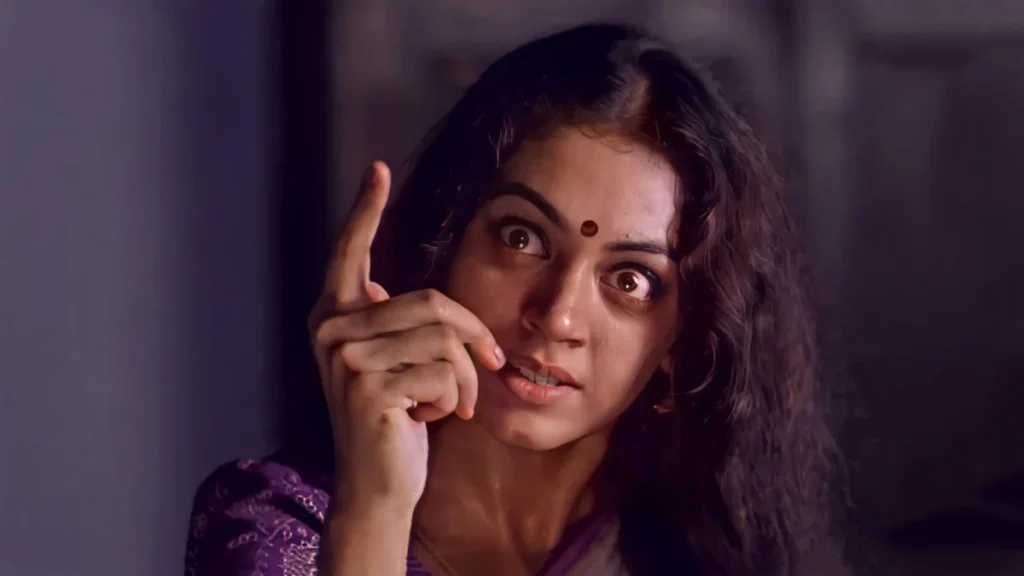
However, the impending arrival of this "heir" is fraught with complex ethical and emotional dilemmas, as the child is being carried by Xia Jia, a young woman from mainland China. Her position within the household is simultaneously indispensable and precarious. She is essential for the family’s aspirations, yet her status is marked by uncertainty and vulnerability, highlighting stark class and regional disparities. As the festival celebration progresses, Xia Jia is portrayed as a quiet observer, acutely aware of the family’s intentions to claim the baby as their own, while her own burgeoning maternal feelings begin to surface, challenging the transactional nature of her arrangement.
This dynamic forces Sarah, the intended mother, to confront the profound limits of a motherhood not rooted in physical gestation. Her struggle is not merely about infertility but about the emotional void and the societal expectations placed upon her. Simultaneously, Xia Jia begins a deeply personal questioning of her responsibility towards the son she is expected to surrender, blurring the lines between a contractual obligation and an intrinsic maternal bond. This intricate web of relationships forms the emotional core of the film, exposing the raw human cost beneath the polished surface of tradition and affluence.
Surrogacy in Context: Legal, Ethical, and Societal Dimensions
The film’s exploration of surrogacy is particularly timely and relevant, given the complex legal and ethical landscape surrounding the practice in Hong Kong and mainland China. In mainland China, commercial surrogacy is officially illegal, though underground operations and cross-border arrangements persist due to high demand, particularly from couples struggling with infertility and seeking male heirs. Hong Kong also maintains strict laws regarding surrogacy, generally prohibiting commercial arrangements and only permitting altruistic surrogacy under very specific medical conditions, with no legal framework for enforcing surrogacy agreements.
This regulatory environment means that arrangements like the one depicted in "Our Child," involving a mainland Chinese woman carrying a child for a Hong Kong family, often operate in a legal grey area, if not entirely outside the law. Such circumstances amplify the vulnerability of the surrogate mother, who may lack legal protection and face exploitation. The film subtly critiques this reality, using Xia Jia’s precarious position to shed light on the socio-economic factors that drive women into such arrangements and the power imbalances inherent in them. The perceived "necessity" of Xia Jia to the family’s future stands in stark contrast to her uncertain social and legal standing, a poignant commentary on class and regional divides.
Anatole Sloan’s Intelligent Direction and Thematic Depth
Anatole Sloan’s direction in "Our Child" is lauded for its remarkable intelligence, managing to weave a multitude of profound comments within its concise 17-minute runtime without ever feeling forced or "stuffed." The narrative deftly juxtaposes the ultra-modern concept of surrogacy with deeply embedded traditional practices, such as discussions about auspicious dates, lucky colors, and meticulously observed family rituals. This ironic tension is a palpable undercurrent throughout the film, highlighting the often-contradictory nature of contemporary life where ancient beliefs persist alongside cutting-edge solutions.
While the story follows a familiar template of family dramas, with women of different ages navigating and clashing within a shared setting, the specific roster of characters elevates "Our Child" beyond typical genre conventions. Auntie Irene, the matriarch, embodies a subtly coercive authority, politely bossy yet openly accusatory, representing the unyielding force of tradition. Sarah, burdened by her inability to produce a "successor," grapples with feelings of inadequacy and the societal pressures that define her worth. Xia Jia, the young woman from the mainland, is driven by economic necessity, a silent observer whose inner turmoil slowly comes to the fore. This potent amalgam of characters creates an intense, captivating narrative that propels the film from its serene beginning to its emotionally charged climax.
The film also makes incisive observations about the place of women across different generations within a patriarchal framework. More subtly, Sloan exposes a darker facet of human nature through Sarah’s attitude towards Xia Jia, which chillingly mirrors the harsh treatment Sarah herself receives from Auntie Irene. This portrayal suggests that negative behavioral patterns can perpetuate down a hierarchical structure, even as individuals ascend in status, offering a stark and realistic commentary on the cyclical nature of power dynamics and inherited grievances.
Stellar Performances: The Pillars of "Our Child"
The thematic depth and nuanced commentary presented in "Our Child" are significantly amplified by the exceptional performances of its three leading ladies. Patra Au, in her role as Auntie Irene, delivers an amusingly poisonous portrayal, dominating the entire family gathering with a diva-like authority that is both captivating and chilling. Her performance perfectly captures the subtle tyranny of a matriarch whose power is derived from tradition and social standing.
Karena Lam, as Sarah, masterfully conveys her character’s internal struggle, presenting a nuanced depiction of a woman attempting to suppress her shame and enervation over her perceived inadequacy and the treatment she endures. Her performance reveals the quiet desperation and moral quandaries faced by a woman caught between her desire for a child and the complex realities of achieving it through surrogacy.
Meanwhile, Yiyi Liu, embodying Xia Jia, plays the role of the timid observer with compelling gusto. Her understated performance allows the audience to project onto her quiet strength and the burgeoning maternal instincts that challenge her predetermined role. Liu skillfully navigates the character’s vulnerability and her growing inner resolve, making her the emotional anchor of the narrative.
Visual Storytelling and Technical Excellence
The visual storytelling in "Our Child" is as refined as its narrative. Director of photography Rui Jiang Ong adopts a deliberate approach, capturing most of the proceedings from Xia Jia’s perspective. This choice is highly effective, immersing the audience in the surrogate mother’s internal world, her observations, and her emotional isolation within the opulent yet alien environment. This perspective not only humanizes Xia Jia but also subtly critiques the family’s self-centeredness.
The overall visual treatment is polished and stylized, a aesthetic choice that perfectly complements the affluent lifestyle portrayed and the sophisticated setting of the story. The cinematography artfully highlights the inherent beauty of Hong Kong, particularly through shots of Victoria Peak, creating a stunning backdrop that contrasts with the intense personal drama unfolding. Christopher CF Chow BFE’s editing further contributes to the film’s success, establishing a mid-tempo rhythm that allows the narrative to unfold deliberately, permitting emotional weight to build organically and ensuring that each comment lands with maximum impact.
Broader Impact and Implications for Filmmaking
"Our Child" is an excellent short film that transcends its brief runtime to communicate its complex comments with remarkable intelligence and precision. Its success is a testament to the high level of direction, acting, and visual artistry employed throughout its production. Beyond its immediate artistic achievements, the film carries significant broader implications.
Firstly, it serves as a powerful piece of societal commentary, reflecting contemporary issues in Hong Kong and mainland China concerning family structures, the enduring power of tradition versus the rapid pace of modernity, women’s roles, class disparities, and the ethical considerations surrounding reproductive technologies like surrogacy. By tackling these sensitive subjects, the film sparks important conversations and encourages introspection.
Secondly, as a Hong Kong and United Kingdom co-production, "Our Child" exemplifies the potential for cross-cultural collaboration in filmmaking. It showcases how a British Chinese filmmaker can bring a unique, dual-perspective lens to culturally specific stories, making them accessible and relevant to a global audience. This model of international collaboration enriches the cinematic landscape by fostering diverse narratives and viewpoints.
Finally, the recognition from The Pitch Film Fund highlights the vital role of such initiatives in nurturing new talent and supporting short films as a critical medium for artistic expression. Short films often provide a fertile ground for filmmakers to experiment with complex themes and develop their voice before embarking on longer features. "Our Child" stands as a compelling example of what can be achieved within this format, solidifying Anatole Sloan’s position as an exciting new voice in international cinema. Its powerful narrative, intelligent critique, and exceptional execution ensure its place as a notable work that resonates deeply with audiences long after its 17 minutes conclude.