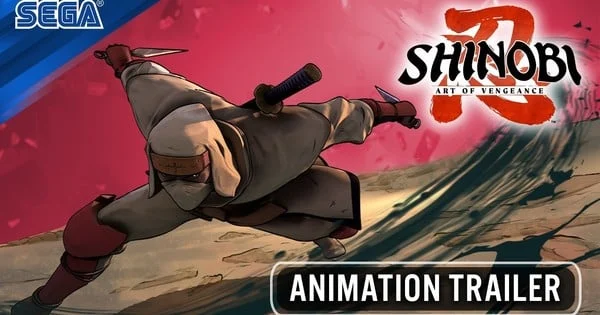
Sega announced on Wednesday, via a new animated trailer, that its latest installment in the acclaimed Shinobi franchise, Shinobi: Art of Vengeance, will receive a significant content expansion on April 3rd. The "Sega Villains Stage" downloadable content (DLC) will introduce three formidable new bosses drawn from the pantheon of Sega’s most memorable adversaries: Death Adder from Golden Axe, Goro Majima from the Yakuza series, and Dr. Eggman from Sonic the Hedgehog. This ambitious crossover event promises to inject a dose of nostalgic challenge into the recently released side-scrolling action game.
A Crossover of Epic Proportions
The "Sega Villains Stage" DLC marks a significant departure from the established lore of the Shinobi series, weaving in characters from disparate Sega universes. Death Adder, the tyrannical king of the beasts and primary antagonist of Golden Axe, brings his brute strength and iconic battle axe to bear. Goro Majima, the unpredictable and charismatic "Mad Dog of Shimano" from the Yakuza (now Like a Dragon) franchise, is known for his distinctive fighting style and penchant for chaos, posing a unique challenge to players. Finally, Dr. Ivo "Eggman" Robotnik, the nefarious genius and arch-nemesis of Sonic the Hedgehog, enters the fray, likely with his signature technological prowess and diabolical contraptions.
The inclusion of these fan-favorite villains is expected to generate considerable excitement among long-time Sega enthusiasts. Each character represents a distinct era and genre within Sega’s gaming history, and their convergence in Shinobi: Art of Vengeance offers a unique opportunity for players to experience them in a new context. The trailer, released on Sega’s official YouTube channel, showcases brief glimpses of these characters in action, hinting at the unique mechanics and attack patterns players will need to master to overcome them.
Expanded Content and Player Choice
Beyond the headline boss encounters, the "Sega Villains Stage" DLC is a substantial package designed to extend the gameplay experience for Shinobi: Art of Vengeance players. The expansion will feature five entirely new stages, offering fresh environments and combat scenarios. Furthermore, players will gain access to two new Boss Rush modes, pitting them against a gauntlet of challenging enemies. To aid players in their perilous journey, three new ninpo (ninja arts) will be introduced, along with three new unlockable outfits for the protagonist, Joe Musashi, allowing for cosmetic customization. To complement the new content, six new music tracks will be added, further enhancing the game’s immersive atmosphere.
Sega has structured the DLC’s availability to cater to different player preferences. The "Sega Villains Stage" DLC is bundled with the Digital Deluxe Edition of Shinobi: Art of Vengeance. For players who purchased the Standard Edition, the DLC can be acquired as a standalone purchase or as part of an upgrade pack, ensuring accessibility for all players invested in the game.
System Enhancements and Quality of Life Updates
Coinciding with the DLC’s release on April 3rd, Shinobi: Art of Vengeance will also receive a significant update patch. This patch aims to refine the player experience with the introduction of a new "Hardcore Mode," which is anticipated to offer an increased level of difficulty for seasoned players seeking a greater challenge. The update will also implement adjustments to the combat system, likely addressing balance and fluidity based on player feedback since the game’s launch. Furthermore, improvements are slated for character outline visibility, map display features, and the tutorial system, all designed to enhance clarity and user-friendliness.
A Rich Legacy and a Promising Future
Shinobi: Art of Vengeance launched on August 29th, bringing the iconic ninja franchise back into the spotlight with a modern interpretation of its classic side-scrolling action. The game is available across a wide range of platforms, including PlayStation 5, Xbox Series X|S, PlayStation 4, Nintendo Switch, and PC via Steam. This broad availability has allowed the game to reach a significant audience, and the upcoming DLC is poised to re-engage existing players and attract new ones.
Sega’s description of Shinobi: Art of Vengeance highlights its core appeal: "SHINOBI: Art of Vengeance follows longtime series protagonist and master of the ninja arts, Joe Musashi, who arrives home from a previous adventure to find his village burned to the ground and his clan turned into stone. Driven by vengeance, Joe sets off on an epic quest, battling hordes of enemies and larger-than-life bosses across stunning hand-drawn worlds. Rife with multiple paths to discover or unlock and packed with smooth, satisfying gameplay, SHINOBI: Art of Vengeance will have players attacking and reacting on the move—and keep them coming back for more."
The development of Shinobi: Art of Vengeance was spearheaded by the Paris-based studio Lizardcube, known for their distinctive art style and dedication to revitalizing classic game franchises, as demonstrated by their work on Streets of Rage 4. This collaboration has resulted in a visually striking and mechanically engaging title that respects the legacy of the Shinobi series while forging its own identity.
The Shinobi franchise boasts a long and storied history, dating back to its arcade debut in 1987. Over the decades, it has delivered numerous memorable titles, with the most recent prior installment being Shinobi 3D for the Nintendo 3DS in 2011. The return of Joe Musashi in Shinobi: Art of Vengeance was a highly anticipated event for fans, and the addition of iconic Sega villains to its boss roster further solidifies its commitment to celebrating the company’s rich gaming heritage.
Industry Context and Player Reception
The inclusion of characters from different Sega franchises in a single game is a testament to Sega’s growing trend of cross-promotional content. This strategy has proven successful in other titles, allowing for the creation of unique fan-service moments and expanding the appeal of individual games. The Yakuza series, in particular, has seen a surge in popularity in recent years, with Goro Majima becoming one of its most recognizable and beloved characters. Similarly, the enduring appeal of Sonic the Hedgehog and Golden Axe ensures that their respective villains will resonate with a broad spectrum of players.
The announcement of the DLC comes at a time when the retro-inspired action game genre is experiencing a resurgence. Players are increasingly seeking out titles that combine classic gameplay mechanics with modern presentation and content. Shinobi: Art of Vengeance, with its fluid combat, stunning visuals, and now this ambitious crossover DLC, is well-positioned to capture this market segment.
The original release of Shinobi: Art of Vengeance on August 29th garnered positive reviews, with many critics praising its challenging gameplay, stylish presentation, and faithful adherence to the Shinobi spirit. The addition of new bosses and content through DLC is a common practice in the industry to maintain player engagement and extend the life cycle of a game. The "Sega Villains Stage" DLC, with its nostalgic appeal and significant content offering, is likely to be a strong draw for both existing players and those who may have been on the fence about purchasing the game.
Looking Ahead: The Impact of Crossover Content
The "Sega Villains Stage" DLC for Shinobi: Art of Vengeance represents more than just new content; it’s a strategic move by Sega to leverage its extensive IP library and foster a sense of shared universe among its various franchises. By bringing together iconic characters from distinct series, Sega not only offers a unique gameplay experience but also reinforces the brand’s legacy and its enduring appeal across generations of gamers. This approach could pave the way for further cross-franchise collaborations in the future, potentially creating exciting new narratives and gameplay opportunities that fans have only dreamed of. The success of this DLC will undoubtedly be a key indicator of Sega’s future direction in content development and IP utilization.