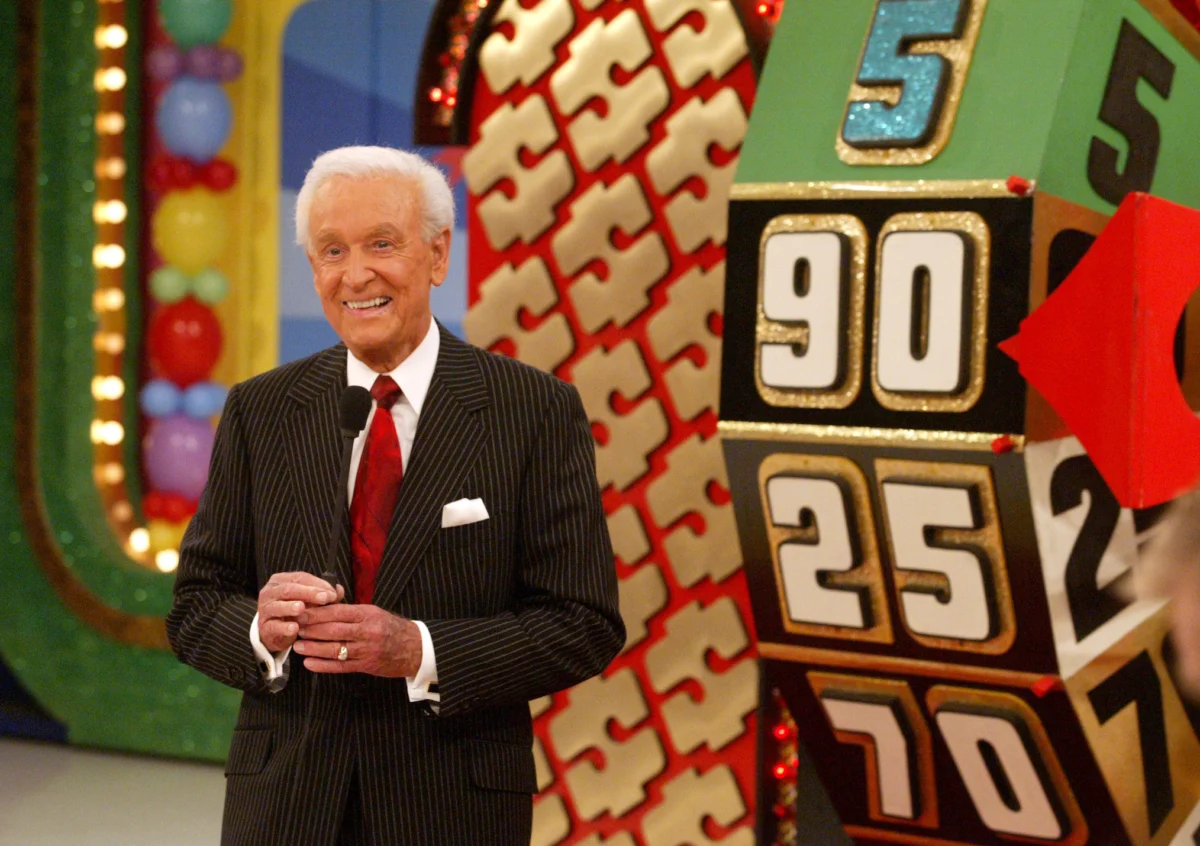
The legacy of Bob Barker, the long-time host of the iconic game show The Price Is Right, has become the subject of renewed public scrutiny following the release of a provocative documentary detailing allegations of workplace misconduct and sexual harassment. In response to the claims aired in the E! docuseries Dirty Rotten Scandals, Roger Neal, the long-time representative for the late television personality, has issued a formal defense of Barker’s character and professional conduct. Neal’s statements aim to preserve the reputation of a man who was a fixture of American households for over three decades, asserting that Barker remains a beloved figure despite the historical grievances brought forward by former colleagues.
Bob Barker, who presided over The Price Is Right from 1972 until his retirement in 2007, passed away in 2023 at the age of 97. Throughout his tenure, he was celebrated as a pioneer of the game show genre and a staunch advocate for animal rights. However, the E! documentary, which premiered on March 18, 2024, delves into the "dark side" of several high-profile television productions, including The Price Is Right, The Dr. Phil Show, and America’s Next Top Model. The series features testimony from former models, known collectively as "Barker’s Beauties," who allege that the environment behind the scenes was far removed from the cheerful atmosphere presented to viewers at home.
The Representative’s Rebuttal
Speaking to USA Today shortly after the documentary’s broadcast, Roger Neal characterized the allegations as inconsistent with the public’s enduring affection for Barker. "Barker was and is beloved, and people to this day love him," Neal stated. He emphasized Barker’s status as a cultural icon, describing him as "part of the fabric of American pop culture" and "the greatest MC in TV history." Neal, who represented Barker for many years, expressed that he felt honored to have served the host, suggesting that the claims presented in Dirty Rotten Scandals do not reflect the totality of Barker’s career or his impact on the industry.
Neal’s defense relies heavily on Barker’s historical popularity and the professional accolades he received, including 19 Emmy Awards. However, the documentary focuses on specific incidents and systemic issues alleged by those who worked directly under Barker’s supervision. The tension between Barker’s public persona and these private allegations forms the core of the current controversy.
Allegations of Workplace Harassment and Silence
The E! docuseries features interviews with former models Kathleen Bradley and Holly Hallstrom, both of whom spent years on the show. Bradley, who was the first permanent African American model on The Price Is Right, shared her observations of a workplace culture she described as permissive of inappropriate behavior. She claimed that male staff members often gawked at the models and that one stagehand in particular frequently engaged in unwanted physical contact.
According to Bradley, when she reported these incidents to producers, no disciplinary action was taken. This sentiment was echoed by Holly Hallstrom, who appeared on the show from 1977 to 1995. Hallstrom alleged that Barker, who exercised significant control over the production as an executive producer, was dismissive of complaints regarding harassment. She claimed that Barker’s standard response to grievances was to tell the models to "get over it or get a new job," effectively creating a culture of silence where employees feared for their job security if they spoke out.
One of the more peculiar revelations in the documentary was the existence of a "10-second rule." This policy was reportedly implemented to curb the overt staring at models by male crew members. Under this rule, individuals were supposedly prohibited from staring at a model for longer than ten seconds. Hallstrom characterized the rule as an "appeasement" and a "joke," noting that there was no mechanism for enforcement. She argued that the policy was designed to give the appearance of taking action while allowing the underlying behavior to continue unchecked.
The Shadow of the Dian Parkinson Lawsuit
The documentary also revisits one of the most significant scandals in the show’s history: the 1994 lawsuit filed by model Dian Parkinson. Parkinson sued Barker for $8 million, alleging that she had been forced into a sexual relationship with him under the threat of being fired. At the time, Barker admitted to the affair but insisted it was entirely consensual. He claimed the relationship lasted from 1989 to 1991.
The fallout from the affair was described by Hallstrom as catastrophic for the show’s internal dynamics. Barker was in a long-term relationship with Nancy Burnett at the time, and the revelation of the affair reportedly led to significant infighting and a hostile atmosphere among the cast and crew. Hallstrom claimed the situation "ultimately destroyed The Price Is Right" in terms of its backstage morale, leading to frequent shouting matches and a "massive" toll on the models’ well-being. Parkinson eventually dropped the lawsuit in 1995, citing the high cost of legal fees and the stress it placed on her health, but the allegations left a permanent mark on Barker’s record.
A Pattern of Legal Challenges
The claims made in Dirty Rotten Scandals are part of a broader history of litigation involving The Price Is Right during the Barker era. Throughout the 1990s and early 2000s, several models and staff members filed lawsuits alleging various forms of discrimination and wrongful termination.
- Holly Hallstrom (1995): After nearly two decades on the show, Hallstrom was fired. She subsequently filed a wrongful termination suit, alleging she was dismissed because she refused to give false testimony in the Dian Parkinson case and because Barker wanted her out due to weight gain caused by medication. Hallstrom’s legal battle lasted years, during which she claimed she was bankrupted and forced to live in her car. She eventually reached a settlement with Barker and the production in 2005.
- Racial Discrimination Claims: The documentary highlights that Bradley and other models of color faced unique challenges, alleging a lack of equity and instances of racial discrimination within the production’s hierarchy.
- Pregnancy and Age Discrimination: In later years, other models, such as Brandee Sherwood and Shane Stirling, filed suits alleging they were discriminated against due to pregnancy or age. While some of these cases occurred near or after Barker’s departure, they contributed to a narrative of a problematic workplace culture that critics argue began during his tenure.
In the documentary, Hallstrom expressed a sense of vindication regarding the release of the series. She stated that for years, she was portrayed as "the fat lying, difficult to work with person that nobody liked." She hopes the documentary allows the public to see the complexities of the environment she navigated for eighteen years.
Chronology of the Barker Era and Transition
To understand the weight of these allegations, it is necessary to view them within the timeline of the show’s evolution:
- 1972: Bob Barker begins hosting The Price Is Right on CBS.
- 1977: Holly Hallstrom joins the cast of "Barker’s Beauties."
- 1990: Kathleen Bradley joins the show, breaking racial barriers in the modeling cast.
- 1994: Dian Parkinson files her sexual harassment lawsuit against Barker.
- 1995: Holly Hallstrom is terminated, leading to a decade of legal proceedings.
- 2003: Barker is inducted into the Academy of Television Arts & Sciences Hall of Fame.
- 2005: Hallstrom settles her long-running lawsuit.
- 2007: Barker retires after 35 years; Drew Carey is named as his successor.
- 2023: Bob Barker passes away at age 97.
- 2024: E! airs Dirty Rotten Scandals, prompting the current rebuttal from Barker’s estate.
Analysis of Implications for Daytime Television
The resurgence of these allegations against Bob Barker reflects a broader cultural reckoning within the entertainment industry. In the post-#MeToo era, the power dynamics of 20th-century television are being re-examined through a modern lens of workplace safety and consent. The "Barker’s Beauty" archetype—women whose primary role was to look attractive while presenting consumer goods—is increasingly viewed by critics as a relic of an era that objectified women and concentrated absolute power in the hands of male hosts and executive producers.
For The Price Is Right, which remains a staple of the CBS daytime lineup under host Drew Carey, the documentary poses a challenge to its legacy. While Carey has successfully modernized the show’s tone and maintained its high ratings, the shadow of the Barker era’s legal troubles remains. The show has transitioned from the "Barker’s Beauties" moniker to the more inclusive "The Price Is Right Models," and the cast now includes male models, reflecting a shift toward contemporary standards.
The defense provided by Roger Neal highlights the difficulty of reconciling a public figure’s professional achievements with private allegations of misconduct. For millions of viewers, Barker was a grandfatherly figure who reminded them to "have your pets spayed or neutered." For the women featured in Dirty Rotten Scandals, he was a powerful executive who presided over an environment they describe as toxic.
As the television industry continues to evolve, the case of Bob Barker serves as a significant data point in the discussion of historical accountability. Whether the public will allow these allegations to alter their perception of the "greatest MC in TV history" remains to be seen, but the testimony of Bradley and Hallstrom ensures that the conversation regarding the "dark side" of daytime television will continue.