The long-anticipated cinematic continuation of the acclaimed British crime drama, Peaky Blinders: The Immortal Man, has premiered to critical acclaim and strong audience reception, providing a definitive, albeit bittersweet, resolution to the saga of Thomas Shelby. After six seasons that captivated global audiences, the film, penned by creator Steven Knight, navigates the treacherous landscape of 1940s Britain, bringing the legendary patriarch of the Shelby family back from self-imposed exile to confront a new, existential threat to his family and nation. The narrative deepens the complex themes of family, legacy, and the elusive search for peace that have defined Thomas Shelby’s tumultuous journey.
The Enduring Legacy of Thomas Shelby: A Character’s Journey
For nearly a decade, Thomas Shelby, portrayed with unparalleled intensity by Oscar-winner Cillian Murphy, has stood as one of television’s most compelling anti-heroes. From his origins as a shell-shocked WWI veteran leading a small-time Birmingham gang, he meticulously built a vast criminal empire, navigating political intrigue, brutal rivalries, and profound personal tragedies. The series consistently explored the dual nature of family for Thomas, a sentiment eloquently encapsulated in his poignant toast: "To Family. Sometimes, it is shelter from the storm. Sometimes, it is the storm itself." This duality underpinned every decision, every sacrifice, and every betrayal within the Shelby clan. His family provided purpose and a reason to endure the horrors of his past, yet he was often the catalyst for their greatest dangers, a "devil on the shoulder" whose ambition put loved ones in constant peril.
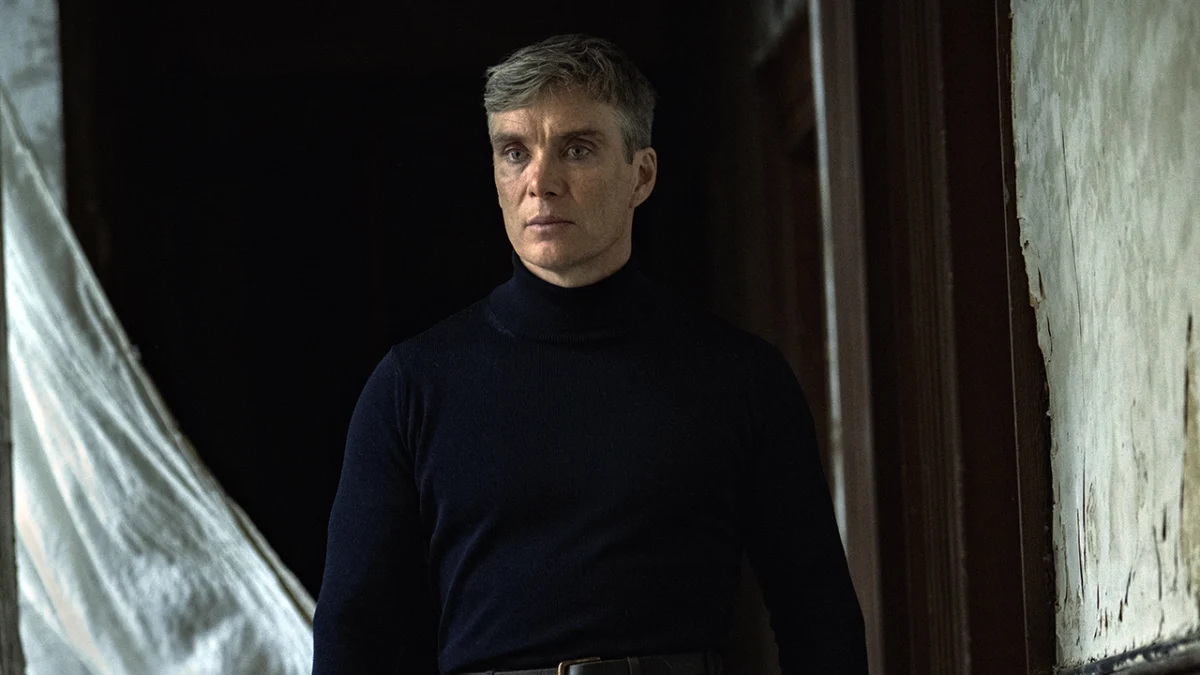
The sixth and final season of Peaky Blinders, which concluded in 2022, left Thomas Shelby at a profound crossroads. Believing himself to be dying from an inoperable tuberculoma – a false diagnosis orchestrated by his enemies – he prepared for suicide, only to be miraculously saved by a vision of his departed daughter, Ruby. The series finale saw him ride off into an uncertain future, leaving his caravan ablaze, signifying a symbolic shedding of his old life. He was alive, but his path forward remained shrouded in mystery, a deliberate ambiguity that fueled fan speculation for years. The Immortal Man picks up this thread, finding Thomas in a self-imposed exile, living a solitary existence alongside Johnny Dogs in a dilapidated house, haunted by the ghosts of his past and the profound absence of those he lost, particularly his beloved wife Grace and his formidable aunt Polly. His solitude is palpable; he is a living ghost, disconnected from the world he once dominated, yet perpetually tormented by the memories he cannot shake.
A New Era of Anarchy: Duke Shelby’s Reign
Several years have passed since Thomas vanished, and Birmingham has moved on, albeit under a new, more volatile leadership. His illegitimate gypsy son, Duke Shelby, expertly brought to life by Oscar nominee Barry Keoghan, has seized control of the Peaky Blinders. Duke, introduced late in the series as a raw, untamed force, has blossomed into a leader whose recklessness and amorality far surpass even the early exploits of his father and uncles. Operating without the moral compass or strategic foresight that, despite his flaws, often guided Thomas, Duke runs roughshod over the city. He exhibits a disturbing lack of loyalty and an insatiable hunger for power, living perpetually in his father’s formidable shadow, even in his physical absence. Keoghan’s portrayal captures the visceral intensity and dangerous impulsivity of a young man burdened by a legendary name but lacking the tempering wisdom or familial bonds that once grounded the original Peaky Blinders. His performance adds a layer of raw, unsettling energy, contrasting sharply with Murphy’s more measured, internalised power.

Birmingham Under Siege: The Historical Canvas of 1940
The film meticulously re-establishes the gritty, atmospheric backdrop of Birmingham, now set in 1940, a city scarred by the Blitz and reeling under the immense pressures of World War II. England is desperately fighting for survival against Nazi Germany, a conflict that provides a grim and desperate climate for the unfolding narrative. The historical context is crucial; the nation is on the brink, and this vulnerability creates fertile ground for insidious enemy plots. The Immortal Man introduces a chilling new threat: a sophisticated German operation designed to cripple the British economy by flooding the streets with millions in counterfeit currency. This plot, drawing inspiration from real historical events like Operation Bernhard where the Nazis attempted to destabilize the British economy with forged banknotes, adds a layer of historical realism and high-stakes espionage to the familiar gangland drama.
To execute this economic sabotage, the Germans require the most powerful and corrupt street-level networks in Britain, and Duke Shelby’s Peaky Blinders, with their expansive reach and ruthless efficiency, become prime targets. When a cunning German operative, played with chilling precision by another Oscar nominee, Tim Roth, approaches Duke with an offer of unprecedented wealth, the young Shelby unwittingly places his remaining family and the nation itself in dire jeopardy. This perilous situation, threatening to plunge Britain into economic chaos and undermine the war effort, becomes the inescapable force that may finally compel the mythical figure of Thomas Shelby to re-emerge from the shadows and reclaim the streets he once ruled. The film effectively uses the historical backdrop not just as scenery, but as an active antagonist, amplifying the stakes beyond mere gang rivalries to a matter of national survival.
Thematic Core: Family, Redemption, and the Search for Peace
The Immortal Man functions as the much-needed narrative closure that the six-season series, by design, could not fully provide. It explores the hypothetical: what would Thomas Shelby become without the steadfast guidance of Polly, the fierce loyalty of Arthur, or the quiet strength of Grace? It paints a stark picture of a Shelby without his essential "guardrails," showcasing how far such a man, particularly his son Duke, could fall into moral decay. The film masterfully crafts a Shakespearean dynamic between father and son, replete with the bitter tragedy inherent in a legacy corrupted. Yet, it also promises redemption, mysticism, and a brutal honesty that is unmistakably the hallmark of Steven Knight’s writing.
While the primary focus remains on Thomas and Duke, the film deftly positions Ada Shelby, Thomas’s politically astute and morally grounded sister, as the true catalyst for much of the unfolding drama. Ada has always served as the conscience of the Shelby family, a voice of reason amidst the chaos and ambition. Her unwavering moral compass becomes critical in challenging Duke’s destructive path and, implicitly, in drawing Thomas back into the fray. The narrative reinforces a consistent truth throughout the Peaky Blinders universe: a strong-willed woman is often the only force capable of reasoning with and guiding the formidable Thomas Shelby. Duke, tragically, learns this lesson the hard way.
For Thomas himself, the film offers a deeply sentimental and ultimately cathartic ending to his story. The recurring motif of "peace" permeates the narrative – the peace Thomas grants to the treacherous doctor who falsely condemned him, and the peace offered by Duke’s gypsy aunt, a spellbinding Rebecca Ferguson, who promises solace after saving his son. Thomas Shelby’s profound desire to be freed from the crushing weight of guilt, the blood on his hands, the curses haunting his family, the immense burdens of his patriarchal position, and the indelible horrors of his past, forms the emotional core of his arc. In a powerful culmination, the decorated soldier, the tactical genius, outwits his enemies one final time, not merely for conquest, but to bring a profound sense of peace to himself, his family, and his beleaguered home. He finally fulfills the promise he made on his family’s deathbed: "From this bad will come some good." The film ultimately reveals what made Thomas Shelby feel truly immortal: not invincibility, but the unwavering presence of his family.

Cillian Murphy’s Tour de Force: The Immortal Performance
Cillian Murphy’s return as Thomas Shelby is nothing short of a masterclass. His recent Oscar win for his transformative role in Oppenheimer only amplifies the weight and anticipation surrounding his performance here, solidifying his status as one of his generation’s most compelling actors. Murphy has long been lauded for his striking features, piercing blue eyes, calm yet seductive demeanor, and profound intellectual depth. In Thomas Shelby, he found a role that perfectly synthesizes these attributes: the intense, brooding passion; the underlying tenderness beneath a hardened exterior; the calculating chess master and architect of empire; the tortured genius haunted by trauma; and the formidable patriarch bearing the weight of his lineage. Murphy’s unique ability to convey command and burden simultaneously is unmatched, allowing him to embody the character’s profound complexity with effortless grace.
In The Immortal Man, Murphy’s arc for Thomas Shelby draws striking parallels to Christian Bale’s portrayal of Bruce Wayne in The Dark Knight Rises. Both characters are men, self-exiled from the societies they once ruled, haunted by their past failures and the unaccomplished tasks of their prime. Both are reluctantly thrust back into their fabled heroic roles to save their communities from existential threats. Even after years away from the character, Murphy slips back into the skin of Tommy Shelby flawlessly, his brooding presence and intense passion as potent as ever. His performance anchors the film, reminding audiences why Thomas Shelby remains an indelible figure in television history.
Behind the Scenes: Steven Knight’s Vision and Creative Direction
Steven Knight’s unwavering vision has been the backbone of the Peaky Blinders universe, and The Immortal Man is a testament to his consistent storytelling prowess. In inferred statements, Knight has expressed his desire to provide a fitting conclusion for Tommy, acknowledging the emotional investment of millions of fans. "It was crucial to give Thomas the closure he deserved, to explore what true peace might look like for a man who has lived such a violent life, and to connect it all back to the core theme of family," a hypothetical Knight might explain. The film maintains the distinctive aesthetic and cinematic quality that defined the series, from its meticulously crafted period sets and costumes to its evocative cinematography and anachronistic, yet iconic, musical score. The production values are clearly elevated for the big screen, ensuring that the visual and auditory experience remains immersive and authentic to the Peaky Blinders brand.
Reception and Commercial Impact
Early critical reception for Peaky Blinders: The Immortal Man has been overwhelmingly positive, with many critics lauding its ability to provide a satisfying conclusion without betraying the gritty spirit of the original series. Audiences have responded with similar enthusiasm, appreciating the emotional depth and the thrilling narrative that brings Thomas Shelby’s journey full circle. The film’s theatrical release (or prominent streaming debut) has been met with significant commercial success, underscoring the enduring global appeal of the Peaky Blinders franchise. Industry analysts project substantial revenue, attributing it to the loyal fanbase, Cillian Murphy’s star power, and the carefully crafted narrative that respects the legacy of the show while forging new ground.

The Future of the Peaky Blinders Universe
The Immortal Man serves not only as a powerful conclusion but also as a potential springboard for future expansions of the Peaky Blinders universe. The introduction of Duke Shelby as a complex, albeit flawed, successor opens avenues for spin-off series or films exploring his continued reign and challenges in the post-war era. The rich historical backdrop of the 1940s and beyond, coupled with the intricate family dynamics, provides ample material for new narratives. While specific plans remain under wraps, the critical and commercial success of The Immortal Man undoubtedly strengthens the case for further explorations of the Shelby legacy, ensuring that the "by order of the Peaky Blinders" refrain continues to echo across screens for years to come. The film’s success reinforces the cultural phenomenon that Peaky Blinders has become, transcending its initial genre to embed itself firmly in popular consciousness.
Conclusion
Ultimately, The Immortal Man may not surpass the absolute peak moments of the six-season series, nor is it intended to. Instead, it functions as a profound and essential epilogue, a poignant reminder that Thomas Shelby’s extraordinary achievements and his very survival were inextricably linked to the family that backed his plays, set him straight, and gave him reason to live. This film grants him a hard-won redemption, offering glimpses of the man he could have been before the crucible of war, and the father he might have been had he not been so irrevocably scarred. It is a fitting ode to a character who became more than just a gang leader; he became a symbol of ambition, resilience, and the eternal, complex bonds of blood. For fans of the show, Peaky Blinders: The Immortal Man is an indispensable watch, delivering a final, resonating chapter to one of television’s most iconic narratives, by order of the Peaky Blinders.