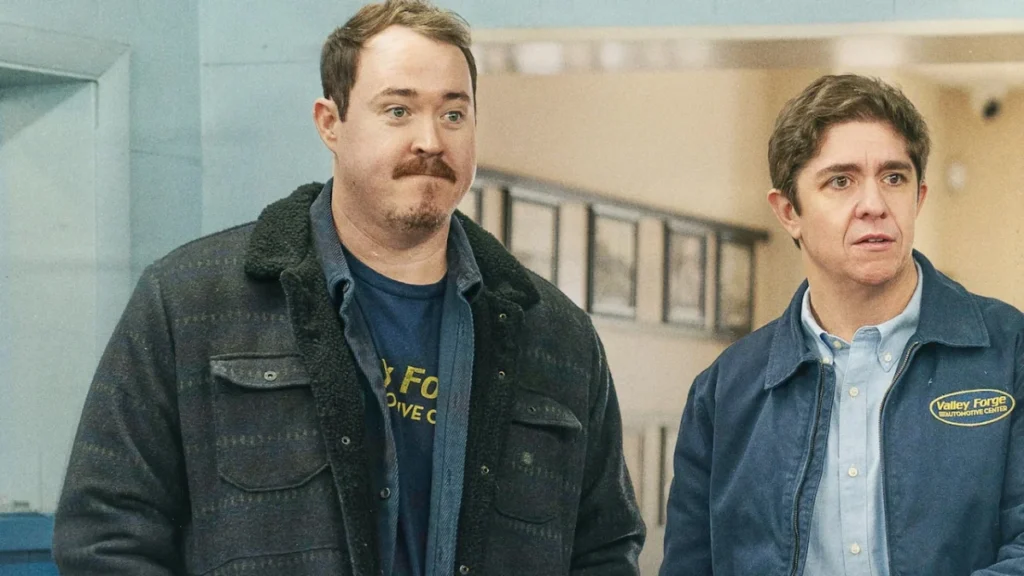
Paramount Global’s acclaimed espionage thriller, Special Ops: Lioness, which has enjoyed a significantly successful licensed run on Netflix in various international territories over the past year, is slated for departure from the streaming giant. Viewers in Canada, Australia, and across Latin America are urged to complete their viewing soon, as the series is scheduled to exit Netflix’s catalog in mid-April 2026. This removal marks the expiration of a critical one-year licensing agreement that saw the high-profile series reach a broad audience beyond its primary home on Paramount+.
The Genesis of a Gritty Thriller: Taylor Sheridan’s Vision
Special Ops: Lioness is the brainchild of Taylor Sheridan, a name synonymous with some of the most compelling and successful television dramas of recent years. Sheridan, widely recognized as the creative force behind the critically acclaimed "Yellowstone" universe, as well as hits like Mayor of Kingstown and Tulsa King, has cultivated a distinct brand of storytelling characterized by gritty realism, complex characters, and high-stakes narratives. His expansion into the espionage genre with Lioness brought his signature intensity to a new operational theater, exploring the clandestine world of intelligence gathering and covert operations.
The series originally premiered on Paramount+ in July 2023, quickly establishing itself as a flagship program for the nascent streaming service. Its development was part of Paramount Global’s broader strategy to build a robust library of original content, particularly through high-caliber, star-driven productions from established creators like Sheridan, to attract and retain subscribers. The show’s premise immediately captivated audiences: it follows a driven CIA operative tasked with infiltrating a terrorist organization by befriending the daughter of a key target, aiming to dismantle the network from within. This delicate and dangerous assignment plunges its protagonists into moral ambiguities and life-threatening situations, a hallmark of Sheridan’s dramatic style.
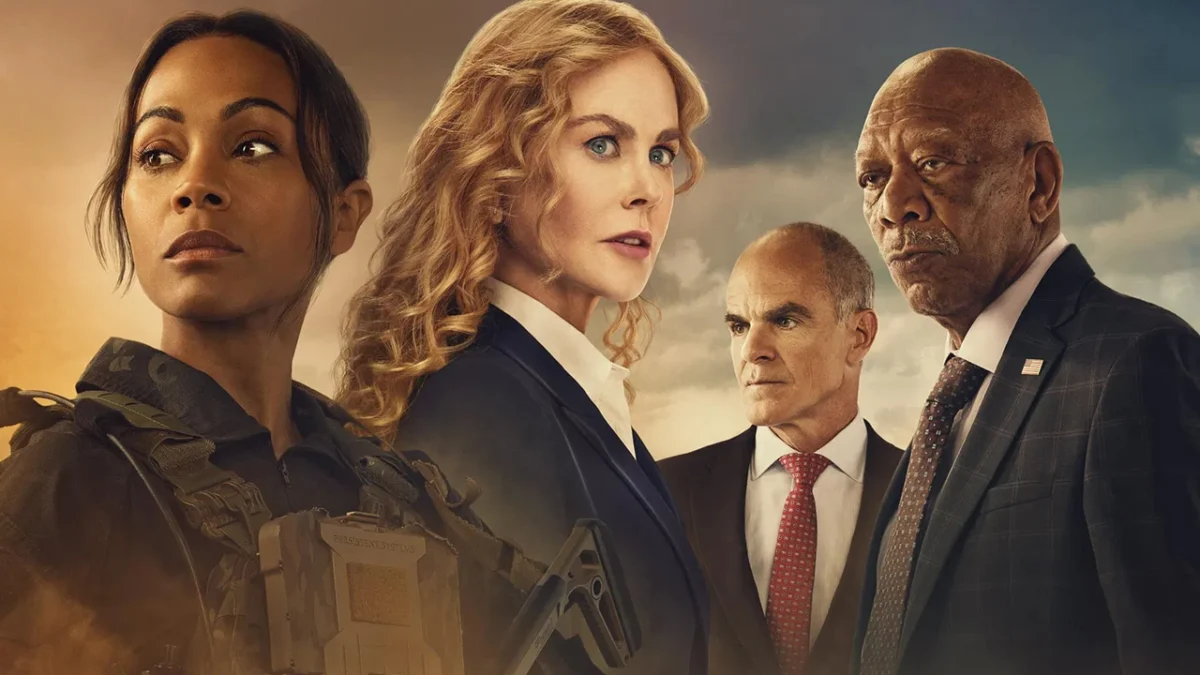
The ensemble cast assembled for Special Ops: Lioness is a testament to its production ambition and Paramount’s investment in the project. Leading the charge is Zoe Saldaña, known for her powerful roles in major film franchises like Avatar and Guardians of the Galaxy, who brings a formidable presence to her character. Laysla De Oliveira delivers a breakout performance as the operative at the heart of the undercover mission, navigating immense psychological and physical challenges. They are supported by a formidable array of veteran talent, including Michael Kelly, celebrated for his nuanced portrayal in House of Cards; the legendary Morgan Freeman, adding gravitas and authority; and Academy Award-winner Nicole Kidman, who further elevates the series’ dramatic weight. This star power not only drew initial attention but also sustained interest, contributing significantly to the show’s impressive viewership numbers.
Paramount’s Strategic Licensing: A Hybrid Approach to the Streaming Wars
The decision by Paramount Global to license Special Ops: Lioness to Netflix in select international markets was a calculated move within the increasingly complex landscape of the "streaming wars." In an era where media companies initially pursued aggressive exclusivity for their proprietary content, a more pragmatic, hybrid approach has emerged. This strategy involves selectively licensing high-value content to rival platforms to achieve several strategic objectives:
- Revenue Generation: Licensing fees provide an immediate and substantial revenue stream, helping to offset the considerable production costs of premium dramas. For a company like Paramount, which is simultaneously investing heavily in its direct-to-consumer (DTC) platform, Paramount+, these licensing revenues are crucial for financial stability and continued content creation.
- Brand Awareness and Audience Expansion: By placing a hit show like Lioness on Netflix, Paramount significantly expanded its potential audience reach. Many viewers who might not subscribe to Paramount+ were exposed to the quality and style of Paramount’s original programming. This exposure can serve as a powerful marketing tool, generating buzz and potentially converting viewers into future Paramount+ subscribers once they seek out more of the creator’s work or the show’s subsequent seasons.
- Filling Content Gaps: For Netflix, licensing popular third-party content helps to diversify its library, fill potential content gaps, and maintain subscriber engagement with a constant flow of fresh, high-quality programming. Even as Netflix invests heavily in its own originals, licensed hits remain a vital component of its global content strategy.
- Market-Specific Strategy: The decision to license Lioness internationally but not in the crucial U.S. market underscores a nuanced strategy. In the U.S., where Paramount+ has a more established presence and a greater focus on subscriber acquisition, retaining exclusivity for Lioness makes strategic sense. In markets like Canada, Australia, and Latin America, where Paramount+ might be newer or facing different competitive dynamics, licensing to Netflix offered a faster route to broad audience penetration.
This strategy is not unique to Special Ops: Lioness. Paramount has increasingly engaged in similar licensing deals, with a number of other shows originally exclusive to Paramount+ reportedly making their way to Netflix, particularly in the U.S., as part of broader content agreements. This indicates a growing industry trend where even major studios are willing to temporarily share their content to maximize its value and reach.
A Glimpse into Global Reach: Viewership Metrics on Netflix
Despite being available in a limited number of countries, Special Ops: Lioness demonstrated remarkable performance on Netflix. Throughout 2025, the series accumulated over 100 million hours watched, translating to approximately 18.3 million total views. These figures, though derived from a restricted international release, underscore the show’s significant appeal and the formidable distribution power of Netflix.
To put these numbers into context, achieving 18.3 million views for an eight-episode season on a platform like Netflix is a strong indicator of engagement, especially for licensed content. While not comparable to global blockbusters like Squid Game or major Netflix originals released worldwide, these metrics signify that Lioness successfully resonated with the audiences it reached. It suggests that a substantial portion of Netflix subscribers in the licensed regions discovered and actively engaged with the series, validating Paramount’s licensing decision as an effective brand-building and revenue-generating exercise. The robust viewership likely contributed to Taylor Sheridan’s growing international reputation and piqued interest in the broader "Sheridan-verse" among new viewers.
The Inevitable Departure: A Detailed Timeline
The departure of Special Ops: Lioness from Netflix is not a sudden event but the natural conclusion of pre-defined licensing agreements. For the majority of the nine countries where the series was initially made available, the one-year licensing window is now coming to an end.
- Initial Rollout (Mid-April 2025): The first wave of Netflix territories to receive Special Ops: Lioness included Canada, Australia, and various countries across Latin America. These regions saw the series added to their libraries around April 16th or 17th, 2025.
- Impending Departure (Mid-April 2026): Consequently, viewers in these specific regions – Canada, Australia, and Latin America – will see the series removed from Netflix on April 16th or April 17th, 2026, depending on local time zones. Netflix typically provides an in-app notification, often labeled "Last day to watch," to alert subscribers of impending content removals, giving them a final opportunity to complete their viewing.
However, the departure schedule is not uniform across all regions. A separate licensing agreement governed the series’ availability in certain European markets.
- Later Rollout (September 24th, 2025): The United Kingdom, Germany, and Italy did not receive Special Ops: Lioness until September 24th, 2025. This staggered release indicates potentially different negotiation timelines or strategic market considerations for these territories.
- Extended Stay (September 24th, 2026): As a result of their later acquisition date, viewers in the UK, Germany, and Italy have an extended period to watch the first season. The series is expected to depart from Netflix in these regions exactly one year after its addition, on September 24th, 2026. This provides several more months for European audiences to engage with the show before it reverts to exclusive availability on Paramount+.
This detailed chronology underscores the intricacies of international content licensing, where deals can vary significantly by territory, impacting availability and expiration dates for global audiences.
Implications for Viewers and the Future of the Franchise
For fans of Special Ops: Lioness in the affected regions, the imminent departure from Netflix necessitates a shift in viewing habits. Once the series leaves Netflix, it will revert to being exclusively available on Paramount+ in all territories where the service operates. This move reinforces Paramount Global’s long-term strategy to consolidate its premium content on its proprietary streaming platform.
The shift means that viewers who discovered the series on Netflix and wish to rewatch it or keep up with future installments will need to subscribe to Paramount+. This is particularly relevant given the show’s continued production. Season 2 of Special Ops: Lioness has already been confirmed and is in various stages of development or production, with future seasons also anticipated. These new seasons will undoubtedly premiere exclusively on Paramount+, making the platform the definitive home for the franchise.
The strategy of licensing content to Netflix for an initial window, then reclaiming exclusivity, serves as a powerful funnel. It allows Paramount to leverage Netflix’s vast subscriber base for initial exposure and audience building, then directs those interested viewers to its own platform for continued engagement and access to new content. This is a common tactic employed by studios aiming to build their DTC subscriber numbers.
Broader Industry Impact and Evolving Streaming Dynamics
The licensing and subsequent departure of Special Ops: Lioness from Netflix are emblematic of the evolving dynamics within the streaming industry. The initial "streaming wars" were largely characterized by a fierce competition for exclusive content, with major media companies pulling their intellectual property from rivals to bolster their own nascent platforms. However, as the market matures, a more nuanced approach has emerged.
Companies like Paramount Global are increasingly recognizing that strict exclusivity, while beneficial for building a brand, can sometimes limit overall audience reach and immediate revenue generation. Hybrid models, where content is licensed for specific windows or in particular territories, allow studios to monetize their assets more effectively while still driving long-term value to their proprietary services. This approach acknowledges that not every viewer will subscribe to every streaming service, and strategic partnerships can broaden a show’s impact.
For Netflix, these licensing deals continue to be valuable. While the platform is increasingly focused on its own original content, popular licensed titles from other studios provide a crucial anchor, attracting and retaining subscribers who enjoy a diverse content library. The eventual departure of these titles is factored into Netflix’s content rotation, constantly prompting subscribers to explore new offerings.
The case of Special Ops: Lioness also highlights the growing importance of global content strategies. Deals are no longer monolithic but are often tailored region by region, reflecting varying market conditions, competitive landscapes, and audience preferences. This complexity requires sophisticated negotiation and a deep understanding of international streaming ecosystems.
Looking Ahead: The Future of "Sheridan-verse" and Paramount+
As Special Ops: Lioness transitions fully back to Paramount+, its journey underscores the platform’s commitment to becoming a premier destination for high-quality, adult-oriented dramas, particularly those from prolific creators like Taylor Sheridan. The success of the "Sheridan-verse" — encompassing Yellowstone, its numerous prequels like 1883 and 1923, Mayor of Kingstown, Tulsa King, and Special Ops: Lioness — has been a cornerstone of Paramount+’s content strategy. These shows not only attract new subscribers but also significantly reduce churn due to their loyal fan bases and serialized nature.
The potential for Special Ops: Lioness to eventually arrive on Netflix US, as suggested by the original article’s mention of other Paramount+ titles making their way to Netflix in the U.S., remains a point of speculation. Such a move would indicate an even more aggressive licensing strategy by Paramount, prioritizing broad monetization and brand exposure even in its home market. However, for a tentpole franchise like Lioness, the long-term goal will almost certainly be to maintain exclusivity on Paramount+ to drive subscriber growth and solidify its position as a must-have service for fans of Taylor Sheridan’s unique brand of storytelling.
In conclusion, the departure of Special Ops: Lioness from Netflix in various international markets marks the end of a successful licensing chapter and a return to its exclusive home on Paramount+. This event serves as a clear reminder of the dynamic nature of content distribution in the streaming era, where strategic partnerships and timed exclusivity are increasingly becoming key components of a global content monetization strategy. For viewers, it means adapting to new viewing platforms to continue following their favorite series and discovering new stories within the ever-expanding universe of streaming entertainment.