In a significant move for theatrical accessibility and streaming content, Sony Pictures Classics’ critically acclaimed proshot of the Tony Award-winning Broadway revival of Merrily We Roll Along is officially slated for release on Netflix in the United States on April 4th, 2026. This highly anticipated digital premiere offers a front-row seat to one of Broadway’s most celebrated and transformative productions, making it available to a vast audience who may have missed its record-breaking theatrical run in New York or its limited cinematic release in late 2025. The acquisition by Netflix underscores a growing trend in the entertainment industry to bridge the gap between live theatre and global digital platforms, preserving pivotal performances and expanding the reach of vital cultural narratives.
The Tumultuous Journey of a Sondheim Masterpiece
Merrily We Roll Along holds a unique and often poignant place within the illustrious canon of Stephen Sondheim, widely regarded as one of the most influential composers and lyricists in American musical theatre history. Debuting in 1981, the musical, with music and lyrics by Sondheim and a book by George Furth, initially faced a famously difficult reception. Its original Broadway production, directed by the legendary Harold Prince, closed after a mere 16 performances, confounding critics and audiences alike. The show’s innovative, yet challenging, reverse chronological narrative structure—beginning at the bitter, cynical nadir of three friends’ relationships in the late 1970s and rewinding to their hopeful, starry-eyed beginnings in 1957—was deemed audacious and ahead of its time. Critics struggled with its perceived cynicism and the demand for its young cast to portray characters at various stages of their lives backwards. Despite its initial failure, Merrily We Roll Along garnered a cult following over the decades, with its intricate score, poignant lyrics, and insightful exploration of friendship, ambition, and compromise earning it a reputation as a "problem child" that many believed held hidden brilliance.
Over the years, numerous revivals and concert productions attempted to unlock the show’s full potential, each contributing to a gradual re-evaluation of its artistic merit. These attempts, often met with varying degrees of success, highlighted the musical’s inherent complexities, particularly in casting and directorial interpretation. However, it was the vision of director Maria Friedman, a renowned Sondheim interpreter, that finally brought Merrily We Roll Along the widespread critical acclaim and commercial success it had always deserved. Friedman’s production, which originated in London and then transferred to the New York Theatre Workshop (NYTW) before its triumphant Broadway debut, meticulously navigated the show’s emotional landscape, illuminating the nuances of its reverse narrative and allowing audiences to fully grasp the devastating beauty of its themes.
A Chronology of Acclaim: From Stage to Screen
The journey of this particular production to its Netflix premiere is a testament to its profound impact and the collaborative efforts to document and disseminate theatrical excellence.
- 1981: Original Broadway production premieres and quickly closes, marking a significant artistic setback for Sondheim and Prince.
- Decades of Re-evaluation: Subsequent revivals in various formats (Off-Broadway, London, regional theatre, concert versions) slowly chip away at the show’s "failure" narrative, revealing its underlying genius.
- 2012: An acclaimed Encores! production in New York City helps reignite interest and critical discussion around the musical.
- 2017: Maria Friedman’s production opens at the Menier Chocolate Factory in London, garnering rave reviews and signaling a potential breakthrough in understanding the show.
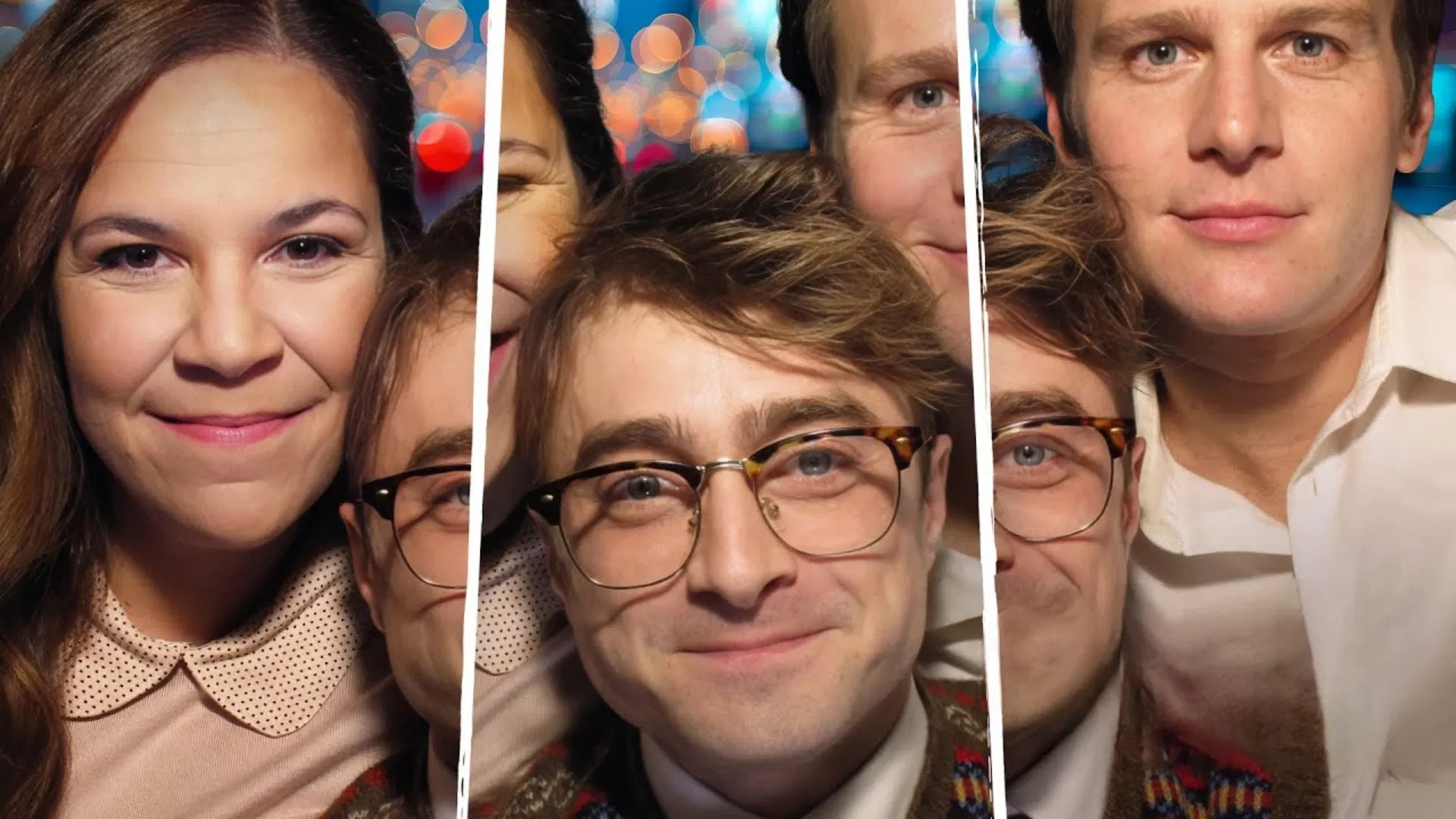
- 2022: Friedman’s production transfers to the New York Theatre Workshop (NYTW) Off-Broadway, starring Jonathan Groff, Lindsay Mendez, and Daniel Radcliffe, receiving unanimous critical praise and selling out its limited run.
- 2023: The NYTW production transfers to Broadway’s Hudson Theatre in a highly anticipated move, maintaining its original cast and creative team. It becomes a runaway hit, consistently selling out and extending its run multiple times.
- June 2024: The Broadway production is professionally filmed live at the Hudson Theatre, capturing the original, Tony-winning cast in their acclaimed performances. This "proshot" is a high-quality, multi-camera recording designed to preserve the stage experience.
- December 2025: Sony Pictures Classics acquires distribution rights and releases the proshot in select cinemas, allowing a broader audience to experience the production on the big screen. The cinematic release is met with enthusiasm from both theatre enthusiasts and film critics.
- April 4, 2026: The proshot makes its highly anticipated streaming debut on Netflix in the United States, expanding its reach to millions of subscribers.
This meticulous timeline highlights the deliberate and strategic efforts to ensure that Friedman’s revelatory production, which finally vindicated Sondheim’s original vision, reached as wide an audience as possible, first through an extended Broadway run, then through a cinematic release, and now via global streaming.
The Powerhouse Cast and Their Tony Triumph
At the heart of this production’s unprecedented success was its phenomenal central trio, whose chemistry, vulnerability, and vocal prowess breathed new life into the complex characters. The proshot preserves the original Broadway revival cast, allowing viewers to witness these electrifying performances firsthand.
- Jonathan Groff as Franklin Shepard: Groff, a celebrated Broadway veteran known for his roles in Spring Awakening and Hamilton, delivers a nuanced and deeply moving portrayal of the ambitious composer Franklin Shepard. His performance captures Frank’s initial idealism and his gradual descent into cynical compromise with heartbreaking precision. Groff’s ability to convey a character aging in reverse, revealing the hopeful young man beneath the jaded adult, earned him widespread critical acclaim and the 2024 Tony Award for Best Actor in a Musical.
- Lindsay Mendez as Mary Flynn: Mendez, an accomplished stage actress with a powerful voice, brings immense warmth, wit, and pathos to the character of Mary Flynn, the sharp-tongued writer navigating unrequited love and disillusionment. Her portrayal of Mary’s journey from a hopeful aspiring novelist to a bitter, alcoholic critic is both tragic and deeply human, anchoring the emotional core of the narrative.
- Daniel Radcliffe as Charley Kringas: Radcliffe’s transformation from global film star to a formidable stage actor has been a revelation to many. As the principled lyricist/playwright Charley Kringas, Radcliffe delivers a performance brimming with intelligence, anxiety, and a surprising comedic timing. His rendition of the show-stopping "Franklin Shepard, Inc.," a rapid-fire patter song expressing Charley’s frustration with Frank’s commercialism, was a highlight of the production and became an instant fan favorite. Radcliffe’s compelling and dynamic performance earned him the 2024 Tony Award for Best Featured Actor in a Musical, cementing his status as a legitimate Broadway force.
Beyond the central trio, the production boasted a stellar supporting cast that contributed significantly to its overall brilliance. Krystal Joy Brown as Gussie Carnegie, Frank’s ambitious and manipulative second wife, delivered a captivating performance that perfectly embodied the allure and dangers of Hollywood. Katie Rose Clarke as Beth Spencer, Frank’s first wife, brought a tender vulnerability to her role, particularly in her poignant rendition of "Not a Day Goes By." Reg Rogers as Joe Josephson, the shrewd producer, rounded out the ensemble with his seasoned stage presence. The collective strength of the cast, under Friedman’s meticulous direction, created a seamless and emotionally resonant experience that critics hailed as a definitive interpretation of the musical. The production ultimately swept the 2024 Tony Awards, taking home Best Revival of a Musical, alongside the acting accolades for Groff and Radcliffe, and further nominations for direction, design, and other performances.

The Broader Implications: Proshots and Theatrical Preservation
The release of Merrily We Roll Along on Netflix is part of a larger, evolving trend of professionally filmed stage productions, or "proshots," that are increasingly finding a home on streaming platforms and in cinemas. This movement represents a significant shift in how live theatre is consumed and preserved, offering several profound implications:
- Accessibility: Proshots democratize access to world-class theatrical experiences. For millions globally who cannot afford the high cost of Broadway tickets, travel to New York City, or attend limited runs, these recordings provide an invaluable opportunity to engage with significant cultural events.
- Preservation: They serve as vital historical documents, preserving specific performances, directorial interpretations, and design elements for future generations of theatre scholars, practitioners, and enthusiasts. In an art form as ephemeral as live theatre, proshots ensure that landmark productions are not lost to time.
- Education: For aspiring theatre artists and students, proshots offer unparalleled learning tools, allowing for repeated viewing and detailed analysis of acting, direction, choreography, and design.
- New Audiences: By reaching wider audiences through popular platforms like Netflix, proshots can introduce theatre to individuals who might not otherwise seek it out, potentially cultivating new generations of theatregoers and fans.
- Economic Model: While not without debate regarding their impact on live attendance, proshots can create new revenue streams for productions and artists, extending the commercial life of a show beyond its stage run.
The technical sophistication of modern proshots, utilizing multiple high-definition cameras, carefully curated angles, and pristine sound mixing, allows for an intimate yet comprehensive viewing experience that aims to capture the essence of being in the theatre, sometimes even offering perspectives impossible for a live audience member.
Netflix’s Strategic Embrace of Theatrical Content
Netflix’s acquisition of Merrily We Roll Along is not an isolated event but rather a clear indication of the streaming giant’s strategic investment in high-quality theatrical content. The platform has been steadily building a diverse library of stage-to-screen recordings, demonstrating an understanding of the niche yet passionate audience for such material. This collection includes:
- Springsteen on Broadway: A critically acclaimed and highly intimate concert performance by Bruce Springsteen, showcasing the power of personal storytelling in a theatrical setting.
- John Mulaney and Nick Kroll’s Oh, Hello on Broadway: A comedic play that translated its unique brand of humor effectively to the screen.
- Diana: The Musical: Though polarizing, its release highlighted Netflix’s willingness to experiment with various types of theatrical productions, even controversial ones, to gauge audience interest.
- Good Night, and Good Luck: A recent acquisition featuring George Clooney in a stage adaptation, signaling Netflix’s continued interest in prestigious, star-driven theatrical events.
- Upcoming Stranger Things Play Recording: This future project demonstrates Netflix’s intent to leverage its own intellectual property by bringing stage adaptations of popular franchises to its streaming service.
By adding Merrily We Roll Along to this growing list, Netflix reinforces its commitment to offering a broad spectrum of entertainment, catering not only to mainstream film and television but also to the sophisticated tastes of theatre enthusiasts. The inclusion of such a critically lauded, Tony-winning production elevates Netflix’s cultural cachet and diversifies its content portfolio, appealing to a demographic that values artistic excellence and theatrical innovation. This move is particularly astute given the enduring legacy of Stephen Sondheim, whose works are continually studied and revered, guaranteeing a sustained interest in this definitive production for years to come.
Distinguishing the Merrily Narratives: Proshot vs. Cinematic Adaptation
It is crucial to differentiate the Netflix release from another highly anticipated project involving Merrily We Roll Along. Director Richard Linklater, known for his ambitious cinematic endeavors like Boyhood (filmed over 12 years), is currently engaged in filming a feature-length cinematic adaptation of the musical. True to Linklater’s signature style, this movie is being filmed in real-time over the course of 20 years, with its cast – Paul Mescal, Ben Platt, and Beanie Feldstein – aging naturally as the production progresses. This ambitious undertaking is a reinterpretation of the musical for the screen, utilizing the passage of time as a core storytelling device, much like the musical’s reverse chronology. This film will offer a distinct artistic vision, fundamentally different from the live stage recording.
The version arriving on Netflix, however, is the direct, unadulterated capture of Maria Friedman’s celebrated Broadway production. It is not a cinematic reinterpretation but an authentic documentation of a specific, acclaimed live performance. This distinction is vital for audiences to understand: one offers the immersive experience of a Broadway show translated to screen, while the other is an ambitious, decades-long cinematic reimagining. Each serves a different artistic purpose and offers a unique engagement with Sondheim’s complex narrative.
A Cultural Landmark Now Accessible to All
The Netflix premiere of the Merrily We Roll Along proshot represents more than just another content release; it is a cultural event. It signifies the mainstream recognition of a musical that defied its initial failures to become a cherished masterpiece. It celebrates the transformative power of a director’s vision and the brilliance of a dedicated cast. For fans of Stephen Sondheim, it offers an opportunity to re-experience a definitive interpretation of one of his most challenging and rewarding works. For newcomers, it serves as an accessible entry point into the profound and intricate world of American musical theatre. As the digital curtain rises on April 4th, 2026, millions will have the chance to witness the "brilliant catch" of Merrily We Roll Along – a story told backwards, revealing forward the enduring truths of friendship, ambition, and the bittersweet passage of time.