The enduring power of horror cinema has long relied on conjuring dread from the unknown and the distant. For decades, classic horror narratives transported audiences to desolate castles, isolated laboratories, and remote, rural landscapes, fostering a sense of unease through geographical and psychological distance. From the gothic allure of Dracula’s Transylvanian domain to the desolate farmhouses of The Texas Chainsaw Massacre, the genre thrived on the idea that true terror lurked far beyond the comforting familiarity of everyday life. This tradition, deeply rooted in folklore and gothic literature, found fertile ground on the silver screen, with films often exploiting the inherent fear of the wilderness, abandoned structures, and the psychological toll of isolation. The chilling narratives of Jeepers Creepers and the visceral terror of Ti West’s X trilogy are prime examples of how rural settings have consistently served as potent backdrops for profound horror. However, a significant and increasingly dominant trend has emerged in recent years: the subversion of the suburban dream, transforming the seemingly idyllic into a breeding ground for unspeakable horrors. This shift signifies a crucial evolution in how filmmakers tap into our deepest anxieties, demonstrating that the most terrifying threats are often lurking not miles away, but right on our doorstep, nestled within the manicured lawns and quiet cul-de-sacs of our own neighborhoods.
The Unsettling Familiarity of Suburban Dread
The notion that danger can reside within the heart of domestic tranquility is a powerful one, tapping into a primal fear of betrayal and the breakdown of perceived safety. Suburban settings, once symbols of aspiration and security, have increasingly become the canvas upon which filmmakers paint their most disturbing visions. This transition from remote terror to intimate unease reflects a societal evolution, acknowledging that the anxieties of modern life are not confined to the periphery but are deeply embedded within the fabric of our daily existence. The following cinematic explorations highlight this potent subgenre, revealing how the suburban idyll has been masterfully transformed into a landscape of pervasive fear.
Get Out (2017): A Masterclass in Societal Horror
Jordan Peele’s directorial debut, Get Out, stands as a landmark achievement in contemporary horror, fundamentally redefining the genre by skillfully weaving social commentary into a terrifying narrative. The film’s opening sequence immediately establishes its suburban horror bona fides: a lone Black man, Chris Washington (Daniel Kaluuya), takes a late-night stroll through a seemingly tranquil, tree-lined street in a well-to-do neighborhood. This visual juxtaposition of supposed safety with underlying menace sets the stage for the unsettling psychological and racial horror that unfolds. Peele’s genius lies in his ability to oscillate between moments of perceived normalcy and escalating dread, creating an atmosphere of profound discomfort for both the characters and the audience. Chris’s longing for the familiarity of New York City becomes a poignant metaphor for his growing alienation and fear as the veneer of liberal politeness in his girlfriend Rose’s (Allison Williams) affluent upstate New York home begins to crack, revealing a sinister undercurrent of exploitation and racism.
The impact of Get Out extended far beyond its critical and commercial success, solidifying Jordan Peele’s reputation as a visionary horror auteur and launching the careers of its principal cast. Kaluuya, whose nuanced performance as Chris earned him widespread acclaim, later reunited with Peele for the sci-fi horror Nope. Allison Williams achieved further success in the genre with the chilling psychological thriller The Perfection and the viral hit M3GAN and its sequel. Caleb Landry Jones, who delivered a memorably unsettling performance, has continued to captivate audiences, most recently in Dracula: A Love Tale. Erika Alexander, whose brief but impactful cameo in Get Out left a lasting impression, is slated for an appearance in the upcoming thriller Is God Is, further underscoring the film’s lasting influence on the careers of its talented ensemble. The film’s success demonstrated the immense commercial viability and critical appeal of horror narratives that engage with pressing social issues, proving that fear can be a powerful tool for introspection and dialogue.
Weapons (2024): A Chilling Foreshadowing
Zach Cregger’s Weapons emerged as a highly anticipated entry into the suburban horror canon, drawing significant attention from its initial unveiling. The film’s promotional material, particularly its striking poster, immediately subverted the idealized image of suburban life, hinting at darker forces at play. The narrative taps into a primal parental anxiety, echoing the cautionary phrase, “Do you know where your children are?” In the context of Weapons, the answer is far more sinister than a simple curfew violation; children are depicted as vulnerable to unimaginable horrors, potentially held captive or subjected to malevolent influences within the very spaces meant to protect them. The film’s premise suggests a macabre twist on the perceived safety of the American dream, implying that even the most secure environments can harbor hidden dangers.
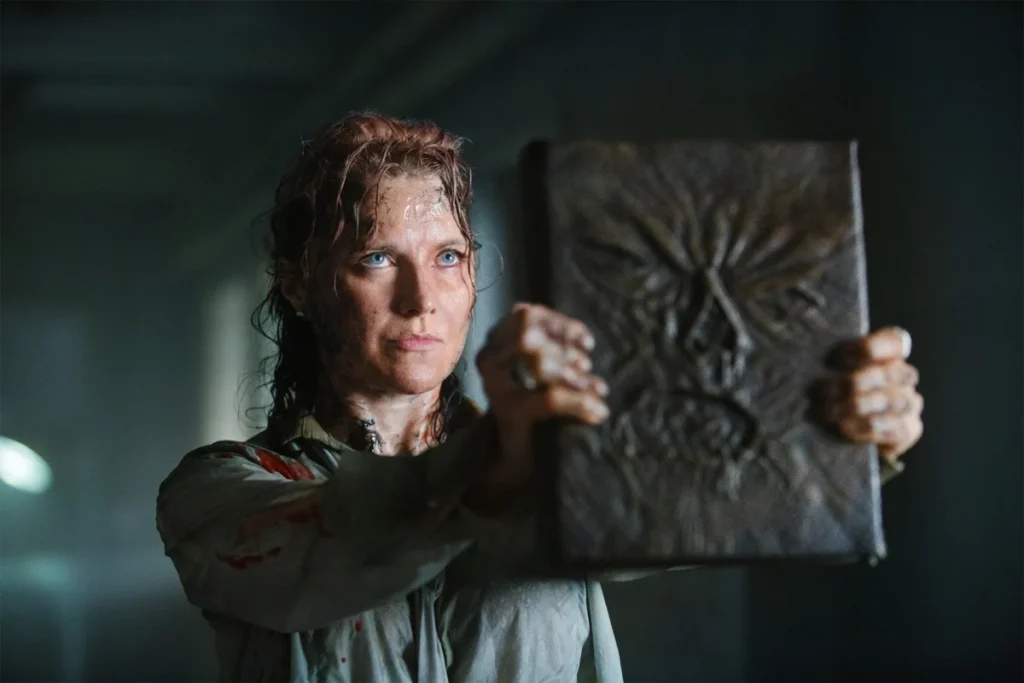
While specific details regarding its critical reception and box office performance are still emerging, Weapons has already captured the imagination of horror enthusiasts and beyond. Early buzz suggests that Amy Madigan’s portrayal of a character named Gladys has been a standout, generating significant online discussion, inspiring Halloween costumes, and even garnering nods in awards discussions, with tributes from drag performers further cementing its cultural impact. This early reception indicates the film’s potential to resonate deeply with audiences by leveraging familiar suburban anxieties and presenting them through a heightened, terrifying lens.
Halloween (1978): The Genesis of Suburban Slasher Terror
John Carpenter’s Halloween (1978) is a seminal work that fundamentally shaped the landscape of suburban horror, establishing many of the tropes that would define the slasher subgenre for decades to come. The film masterfully contrasts the idyllic, seemingly safe environment of Haddonfield, Illinois, with the relentless terror unleashed by Michael Myers. Laurie Strode (Jamie Lee Curtis), a high school student and babysitter, represents the quintessential suburban protagonist—a figure of innocence navigating the dark undercurrents of her seemingly perfect community. Carpenter’s deliberate cinematography, often highlighting the pristine homes and manicured lawns, creates a stark visual dichotomy with the escalating violence and pervasive sense of dread. This juxtaposition underscores the film’s central thesis: that danger can emerge from within the very structures of domesticity and community.
The enduring legacy of Halloween is undeniable. Beyond spawning numerous sequels and reboots, it laid the groundwork for iconic slasher films such as Scream and I Know What You Did Last Summer, each of which further exploited the terror inherent in idyllic suburban neighborhoods. Furthermore, Halloween introduced Jamie Lee Curtis to the world, solidifying her status as the original "scream queen." Curtis’s career, marked by her versatility and continued success in both comedy and horror, saw her reunite with Carpenter for The Fog and later star in the influential teen slasher Prom Night. The film’s impact on cinematic history is profound, proving that the mundane could be transformed into the terrifying with a keen understanding of psychological suspense and visual storytelling.
Poltergeist (1982): The Unraveling of Domestic Sanctuary
Tobe Hooper’s Poltergeist (1982) is another cornerstone of suburban horror, arriving at a time when the American Dream was closely tied to the acquisition of a suburban home. The film expertly taps into the sanctity of the family home, portraying it as a bastion of security and a symbol of success and well-being. However, Poltergeist systematically dismantles this perception, introducing supernatural forces that infiltrate the very core of domestic life. The horror is amplified by the insidious way the paranormal manifests, particularly through the ubiquitous television set—a device that was becoming an increasingly central fixture in American households during the 1980s. The abduction of Carol Anne Freeling through the television screen remains one of the most iconic and terrifying moments in horror history, symbolizing the invasion of the sacred domestic space by malevolent external forces.
The production of Poltergeist is itself a subject of fascination within horror lore, with persistent rumors and debates surrounding the extent of Steven Spielberg’s involvement as producer and uncredited director. Spielberg’s decision to enlist Hooper, known for the raw, visceral horror of The Texas Chainsaw Massacre, suggests a deliberate intention to infuse the suburban setting with a palpable sense of terror. This collaboration resulted in a film that not only achieved significant commercial success but also left an indelible mark on the genre, exploring the vulnerability of the modern family unit to forces beyond their comprehension and control. The film’s enduring popularity speaks to its effective manipulation of deeply ingrained fears about home invasion and the corruption of innocence.
It Follows (2014): The Existential Dread of Adolescence
David Robert Mitchell’s It Follows (2014) offers a unique and chilling perspective on suburban horror by entwining it with the anxieties of adolescence and burgeoning sexuality. The film posits that the suburbs, with their inherent structures of social hierarchies and coming-of-age rituals, provide the perfect backdrop for a story that explores the ramifications of sexual transmission. The insidious, ever-present entity that relentlessly pursues the protagonists serves as a potent metaphor for the inescapable consequences of actions and the pervasive fears that accompany young adulthood. This slow, relentless dread is amplified by the film’s atmospheric direction and its uncanny ability to imbue ordinary suburban landscapes with an unsettling sense of unease.
It Follows has been lauded for its innovative approach to horror and its profound cultural impact. Beyond its critical acclaim, the film served as a significant launchpad for its lead actress, Maika Monroe, who delivered a performance that garnered widespread recognition. Monroe has since gone on to star in a variety of notable projects, including Chloe Okuno’s acclaimed thriller Watcher and Osgood Perkins’s upcoming film Longlegs, further solidifying her status as a prominent figure in contemporary horror cinema. The film’s unique premise and stylish execution have cemented its place as a modern classic, demonstrating the genre’s capacity to explore complex themes within the seemingly mundane setting of suburban life. The film’s ability to tap into the universal anxieties of growing up and facing the unknown ensures its continued relevance and resonance with audiences.
It (1990 Miniseries): The Iconic Suburban Nightmare
The 1990 television miniseries adaptation of Stephen King’s It, directed by Tommy Lee Wallace, cemented Pennywise the Dancing Clown as one of horror’s most enduring and terrifying figures, deeply intertwined with the suburban landscape. The iconic image of Pennywise emerging from a storm drain, a common feature in neighborhoods, has become synonymous with suburban dread. For a generation of viewers who grew up in the 1980s and 1990s, the miniseries represents a formative horror experience, embedding itself in collective memory and popular culture. The narrative’s exploration of childhood trauma and the lingering effects of past fears as adults returning to their hometown to confront a recurring evil resonates deeply with the concept of the suburbs as a place of both nostalgic comfort and buried trauma.
The enduring power of Pennywise is evidenced by the continued cultural fascination with the character and the various adaptations of King’s work. Bill Skarsgård’s modern portrayal in the recent film adaptations has introduced a new generation to the terror of Derry, Maine, while Tim Curry’s original performance remains a benchmark for chilling characterizations. Curry’s iconic turn as Pennywise, following his memorable role in The Rocky Horror Picture Show, highlights his versatility and his ability to command both adoration and abject terror. The narrative’s success underscores the effectiveness of using familiar, childhood-associated imagery and settings to evoke profound fear, demonstrating that the monsters we fear most can often be found lurking in the most unexpected places.
The Gates (2026): A Contemporary Exploration of Gated Community Peril
Set for release on March 13, 2026, The Gates positions itself as a contemporary exploration of suburban horror, focusing on the unique anxieties associated with gated communities. Directed by John Burr, the film plunges three friends into a claustrophobic nightmare when a shortcut through a restricted neighborhood leads them to witness a murder. The narrative capitalizes on the inherent tension of these exclusive enclaves, highlighting the territorial nature of residents and the potential for danger within seemingly insulated environments. The Gates promises to explore the darker side of curated communities, where privacy can morph into isolation and perceived security can mask sinister intentions.
The film boasts a cast of emerging talents, with Keith Powers, Algee Smith, and Mason Gooding in prominent roles. Powers, known for his work in the Netflix sci-fi film Uglies, and Smith, a familiar face from HBO’s Euphoria, bring their established acting prowess to the project. Mason Gooding, a rising star in the horror genre, brings significant experience from his multiple appearances in the Scream franchise, including Scream (2022), Scream VI, and the upcoming Scream 7. Gooding’s continued involvement in horror, alongside his roles in films like Heart Eyes and its forthcoming sequel Heart Eyes 2, signals his commitment to the genre and his ability to navigate its diverse subgenres. The Gates is poised to leverage these talents to deliver a suspenseful and unnerving commentary on the contemporary suburban landscape.
The ‘Burbs (1989 Original and Peacock Series): Satire Meets Suburban Paranoia
The 1989 cult classic The ‘Burbs, starring Tom Hanks, Carrie Fisher, and Corey Feldman, offered a darkly comedic take on suburban paranoia. The film’s narrative centers on a group of neighbors who become increasingly suspicious of their new, eccentric inhabitants, leading to a series of escalating misadventures fueled by their own overactive imaginations and a shared distrust of the unfamiliar. This satirical approach brilliantly captured the underlying anxieties of suburban conformity and the fear of the outsider, suggesting that the most dangerous elements might not be external threats but the internal biases and assumptions of the residents themselves.
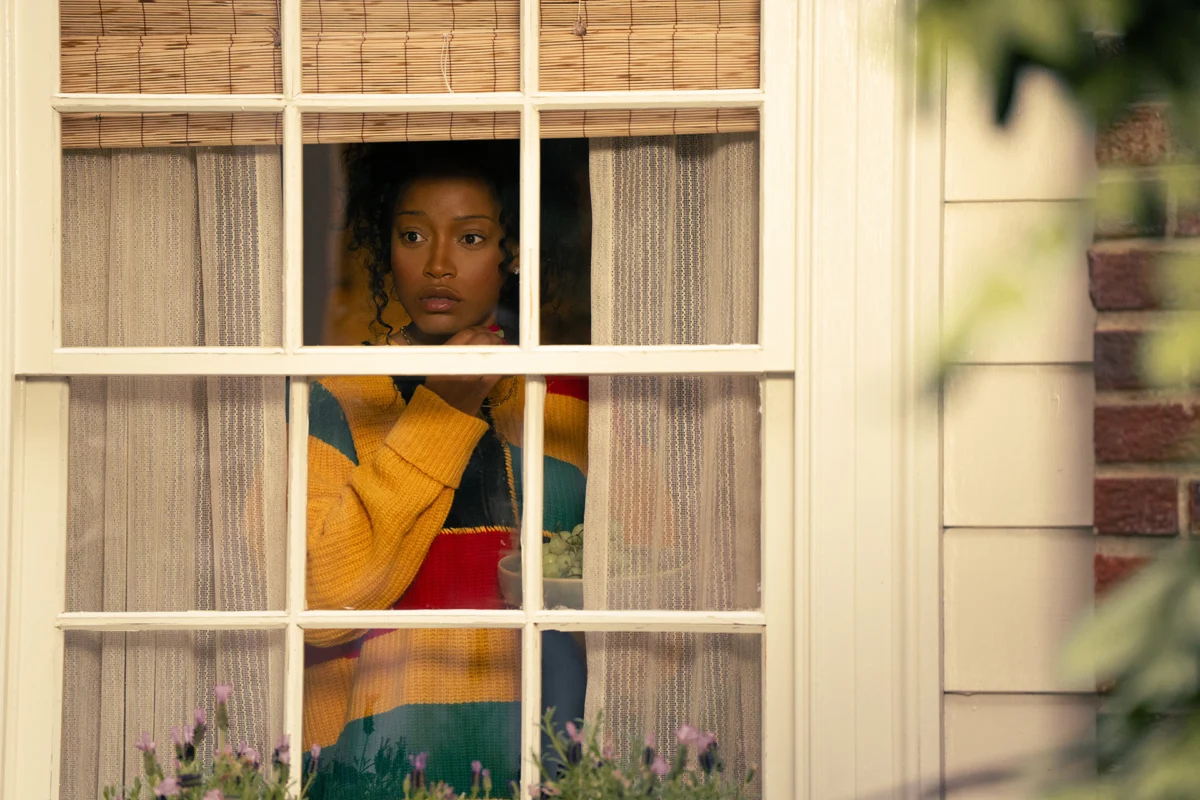
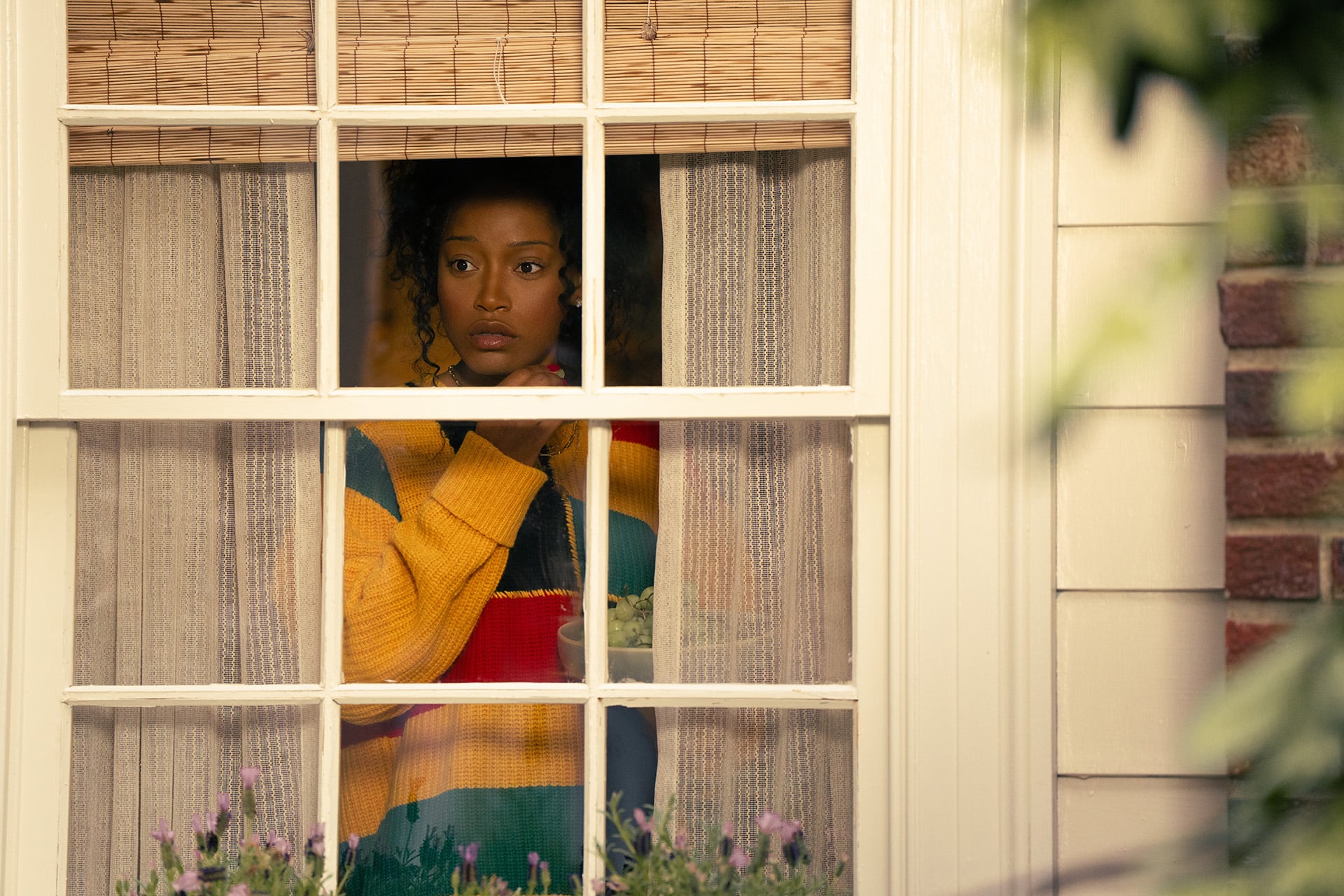
Peacock’s contemporary adaptation of The ‘Burbs revisits this premise, following a newly married couple who return to the husband’s childhood neighborhood. This updated version features Jack Whitehall and Keke Palmer, whose comedic talents are well-suited to the film’s blend of humor and underlying tension. Keke Palmer, in particular, has established a significant presence in the horror genre, with a resume that includes Ryan Murphy’s Scream Queens, MTV’s Scream series, the creature feature Animal (2014), and Jordan Peele’s Nope. Palmer’s deep appreciation for horror, as highlighted in her previous cover story with Dread Central, suggests a nuanced understanding of the genre’s appeal and its ability to tap into deeply ingrained societal fears. The new The ‘Burbs series aims to recapture the spirit of the original while offering a fresh perspective on the enduring theme of suburban suspicion.
The Enduring Power of the Suburban Scare
The evolution of horror cinema from its gothic roots to its contemporary suburban manifestations reflects a profound shift in societal anxieties. As our understanding of fear and its sources has evolved, so too has the landscape upon which these terrifying narratives are built. The suburban setting, once a symbol of aspirational security, has been masterfully recontextualized as a fertile ground for psychological dread, social commentary, and visceral terror. From the insidious social critique of Get Out to the existential dread of It Follows, and the classic paranoia of Halloween, these films demonstrate that the most chilling stories are often those that expose the darkness lurking beneath the surface of the seemingly ordinary. The continued exploration of suburban horror underscores its potent ability to reflect and refract our deepest fears, proving that sometimes, the most terrifying monsters are not the ones from faraway lands, but the ones who live next door.