The landscape of children’s entertainment streaming has emerged as one of the most dynamic, yet frequently underestimated, arenas in the global media industry. With traditional media giants fiercely guarding their legacy franchises and a new wave of YouTube-native creators capturing significant mindshare, understanding the viewing habits and preferences of young audiences has become an increasingly complex challenge for platforms vying for dominance. This intricate environment, characterized by high stakes and rapid shifts, demands sophisticated analytical approaches to decipher success.
In this context, Emily Horgan, a distinguished independent Kids Media Consultant and a former Disney executive, has once again provided invaluable insights into the competitive dynamics of the children’s streaming space. As a regular contributor to What’s on Netflix, Horgan recently released her "H2 2025 Netflix Kids Content Performance Report," offering a granular analysis of content engagement trends. This comprehensive report, the sixth in a series, provides a critical lens through which to examine Netflix’s standing and strategic adaptations in the ever-evolving kids’ content sphere. To dissect the nuanced findings of her latest report, What’s on Netflix engaged Horgan for an in-depth discussion, exploring the significant shifts in content performance, audience engagement, and strategic imperatives shaping the future of kids’ entertainment on the platform.
Horgan’s analysis underscores that the so-called "kids’ streaming wars" are far from a peripheral concern; they are a central battleground where platforms are investing heavily to secure future generations of subscribers. The report’s findings illuminate several critical trends, from the evolution of performance metrics to the shifting fortunes of major preschool brands and the unexpected emergence of breakout hits. The full reports, offering extensive data and further expert commentary, are available directly through Horgan’s consultancy, and additional insights are shared via her newsletter, The Kids StreamerSphere. The conversation with Horgan peeled back the layers of these trends, revealing the strategic thinking behind content acquisition, development, and measurement in a sector where brand loyalty is forged early and can endure for decades.
The Evolution of Measuring Success: Beyond Superficial Metrics
One of the most profound shifts in understanding content performance, as highlighted by Horgan, lies in the evolution of analytical methodologies themselves. With six engagement reports now under her belt, Horgan’s approach to evaluating kids’ content on Netflix has undergone significant refinement, reflecting a broader industry maturation in data analytics. "What a data-nerd dream of a question!" Horgan quipped when asked about the evolution of her methodology, underscoring the technical depth involved in her analysis.
A primary evolution, applicable across all content categories but particularly salient for kids’ programming, has been the strategic move away from simply aggregating "Views" when assessing titles with multiple seasons. Netflix’s "Views" metric, while seemingly straightforward, possesses inherent "foiblistic" characteristics, as Horgan describes. This metric, which counts a view after a certain percentage of a title is watched, can inadvertently inflate the performance of series with fewer episodes if viewers frequently restart or re-watch individual installments. When summing "Views" across multiple seasons, as Netflix itself often does in its public reporting, this inflation can create a skewed perception of engagement, potentially overstating the overall impact of certain series.
To counteract this, Horgan’s reports have increasingly re-oriented towards "Hours Viewed" as the primary metric for quantifying engagement value across multi-season brands. "It’s the cleanest way of quantifying the engagement value," Horgan asserted. Unlike "Views," "Hours Viewed" offers a more robust and equitable measure of sustained audience attention, providing a truer reflection of how much time viewers are actually spending with a piece of content, irrespective of episode count or re-watch patterns for individual episodes. While "Views" retains its utility for evaluating individual movies or single seasons, the shift to "Hours Viewed" for comprehensive series analysis represents a significant methodological improvement, offering a more reliable benchmark for content creators and platform strategists alike.
Another notable evolution in Horgan’s analytical framework is the retirement of the "Elite Performance Series" designation. In earlier reports, a select few brands exhibited such extraordinarily high engagement that they significantly dwarfed all other titles, making it challenging to extract meaningful insights from the broader mid-tier content. These "elite" titles, while undoubtedly successful, created a ceiling effect in performance charts, obscuring the nuanced dynamics among a wider array of content. However, as the kids’ category—particularly the highly competitive preschool segment—has become increasingly saturated and fragmented, the distribution of engagement has become more diffused. The sheer volume of new content, coupled with the enduring popularity of established franchises and the rise of new contenders, means that fewer titles achieve the kind of singular, unassailable dominance seen in earlier periods. Consequently, retiring the "Elite Performance Series" designation allows for a more granular and equitable analysis across the entire spectrum of kids’ content, enabling deeper "learnings" from the crucial mid-tier where much of the strategic innovation and competitive jostling occurs.
The Preschool Battleground: CoComelon’s Trajectory and the Rise of New Contenders
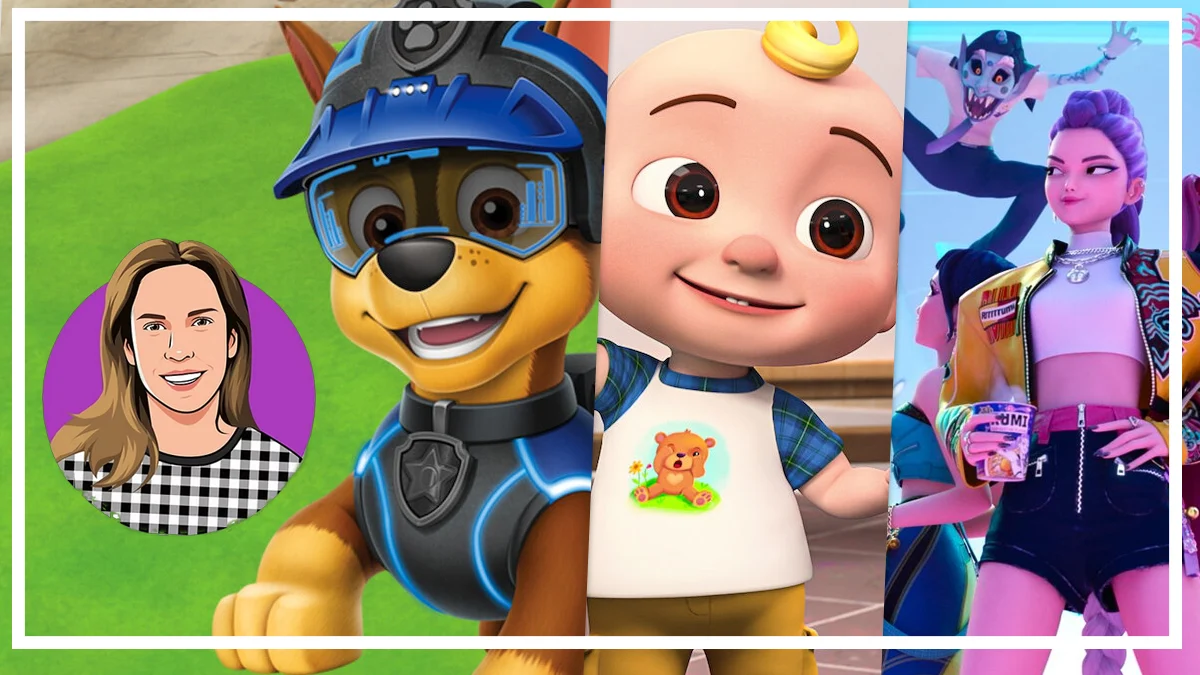
The preschool segment remains arguably the most fiercely contested battleground within kids’ streaming, and Horgan’s latest report casts a revealing light on the shifting dynamics, particularly concerning the once-undisputed champion, CoComelon. Horgan’s analysis notes a "multi-year pattern" of decline for CoComelon, a trend that persists despite the consistent release of new seasons and spin-offs designed to refresh and expand the brand. This decline prompts critical questions about the longevity of certain IP in the rapidly evolving digital landscape.
Horgan attributes this fatigue, in part, to the inherently "narrow audience demographic" of nursery rhyme shows like CoComelon. These programs are meticulously crafted for infants and toddlers, typically aged 0-3 years, and their content—focused on basic concepts, repetitive songs, and simple narratives—offers limited appeal to older children or adults for co-viewing. While CoComelon experienced an astronomical surge in popularity in 2023, undoubtedly aided by the increased at-home viewing during the COVID-19 pandemic, its hyper-specific target audience means it struggles to "reach up to older kids or hold much co-watch appeal for adults." Despite its decline, Horgan emphasizes that CoComelon remains a "massive, top-tier show in the scheme of things," a testament to its peak performance. However, the core question it raises for content strategists is whether this type of IP can achieve the multi-decade endurance of established franchises like Peppa Pig or PAW Patrol.
Peppa Pig, a British import, has captivated preschool audiences globally for over two decades with its simple, relatable narratives and distinctive animation style, successfully expanding into merchandise, theme parks, and theatrical releases. Similarly, PAW Patrol, with its adventure-based narratives and diverse team of rescue pups, has maintained a dominant presence since its debut in 2013, fostering a strong brand loyalty that transcends its initial target demographic. These legacy franchises have demonstrated an exceptional ability to refresh their appeal, broaden their thematic scope subtly, and engage multiple generations of viewers, often through multi-platform strategies.
In stark contrast to CoComelon‘s trajectory, another YouTube-native show, Little Angel, is experiencing renewed momentum in the same crowded preschool space. This divergence prompts Horgan to ponder whether the natural life cycle for such hyper-targeted nursery rhyme content is a "burn brightly for a strong period of time, until the next iteration comes in." She points to the precedent set by Little Baby Bum, an early YouTube sensation that CoComelon effectively "had the baton passed to it by." Now, Little Angel appears to be inheriting that mantle.
The success of Little Angel over CoComelon could be attributed to several factors. While both originated on YouTube with similar content styles, Little Angel may have differentiated itself through subtle creative choices, character development, or perhaps a more agile response to emerging trends in preschool engagement. Alternatively, it could simply be the cyclical nature of children’s content consumption, where young audiences, and more importantly, their parents, are constantly seeking novelty within familiar formats. This trend highlights the brutal competitiveness of the preschool market, where even established giants face constant pressure from new entrants leveraging digital-native distribution strategies and evolving content formulas. Horgan concludes by noting the keen interest in tracking Little Angel‘s performance in future data rounds, underscoring its potential as the next dominant force in this dynamic niche.
Unpacking a Megahit: The Phenomenon of KPop Demon Hunters
Beyond the shifting sands of preschool content, Horgan’s report also delves into the unexpected and unprecedented success of KPop Demon Hunters, which emerged as Netflix’s biggest movie hit of the year. The film’s meteoric rise presents a fascinating case study in audience behavior, cross-cultural appeal, and the challenges platforms face in predicting breakout hits. Horgan states that the closest parallel to KPop Demon Hunters‘ performance she has observed on a streaming platform was Disney+’s Encanto. While Encanto certainly achieved "stronger performance from a US streaming point of view" and generated "plenty of cultural cut-through," it ultimately "didn’t make it to the echelon of franchise" for "various reasons." This comparison, which Horgan recently explored in a debate with the "Entertainment Strategy Guy," highlights the subtle yet critical distinctions between a hugely popular piece of content and a truly enduring, multi-faceted franchise.

KPop Demon Hunters represents a potent fusion of two globally resonant cultural phenomena: K-Pop and anime/demon-hunting narratives. K-Pop, with its massive, highly engaged, and digitally native fanbase, provides an instant, built-in audience. The anime aesthetic and demon-hunting genre tap into a widespread appetite for action, fantasy, and character-driven storytelling that transcends traditional age demographics. The film’s success likely stemmed from its ability to appeal to both younger audiences drawn to the vibrant animation and action, and older teens/young adults who are deeply invested in K-Pop culture and the broader anime universe. This cross-demographic appeal, coupled with viral social media engagement, likely propelled it to unprecedented heights.
Horgan’s analysis suggests that Netflix initially "struggled to identify early on that it was going to become the megahit it became" because the platform has historically not been "in the game of kids franchises themselves." For a significant period, Netflix’s content strategy was laser-focused on streaming, prioritizing a strong "launch that drives success in 28 days" as the typical benchmark for content performance. This short-term, front-loaded success metric is well-suited for attracting new subscribers and demonstrating immediate return on investment for individual titles. However, building a successful kids’ franchise—one that extends beyond a single movie or series into merchandise, spin-offs, and other ancillary revenue streams—often requires a "longer lead time to build." It demands a strategic vision that looks beyond the initial 28-day window, embracing sustained engagement, brand expansion, and multi-platform development.
The KPop Demon Hunters phenomenon serves as a powerful reminder that while data analytics can predict many trends, truly groundbreaking hits can emerge from unexpected cultural intersections. It also underscores a potential strategic gap for Netflix: while it excels at delivering popular streaming content, its historical model may not have fully equipped it to nurture and capitalize on nascent franchise opportunities in the same way traditional studios like Disney or Nickelodeon do. The movie’s success could, however, prompt Netflix to reconsider its approach, potentially investing more in long-term franchise development and multi-platform exploitation, especially for content that demonstrates such extraordinary, organic resonance with global audiences.
The Franchise Blueprint: Gabby’s Dollhouse as a Model for Enduring Success
In light of the complex and competitive kids’ content landscape, Horgan’s prior assertion that Gabby’s Dollhouse should serve as "the blueprint for Netflix kids shows" remains remarkably relevant. Even with the H2 2025 data in hand, Horgan unequivocally states that Gabby’s Dollhouse "remains the best example of how to intentionally build a kids franchise in streaming." Launched five years ago, the DreamWorks Animation production has not only maintained but actively grown its momentum, most recently evidenced by a successful theatrical movie release.
The success of Gabby’s Dollhouse is not accidental; it is the result of a meticulously planned and executed strategy. Horgan emphasizes that such "intention and strategy is so important in the kids’ landscape because, like I said, it’s super competitive." In a market dominated by legacy franchises that have enjoyed decades of brand equity, new entrants must be exceptionally strategic to carve out a niche. Simply producing a show and "assuming audiences will show up is risky and wasteful," particularly on premium streaming platforms like Netflix where discovery tools, while advanced, still require content to stand out.
Gabby’s Dollhouse exemplifies a holistic approach to franchise building. From its creative concept—a vibrant, imaginative world blending live-action elements with animation—to its carefully orchestrated distribution, marketing, and multi-platform activities, every aspect has been designed to maximize engagement and longevity. DreamWorks, the creative force behind the show, has demonstrated an ongoing commitment to the IP, consistently investing in new seasons, specials, and now, a theatrical presence. This sustained investment ensures that the brand remains fresh and visible to its target audience.
The "blueprint" offered by Gabby’s Dollhouse encompasses several key pillars:
- Creative Excellence: A compelling concept that resonates deeply with the target demographic, fostering strong emotional connections.
- Strategic Distribution: Leveraging Netflix’s global reach for initial exposure, but also understanding how to branch out to other platforms or mediums (like theatrical releases) to expand the brand’s footprint.
- Proactive Marketing: Engaging marketing campaigns that build anticipation and maintain awareness, going beyond passive discovery within the Netflix UI.
- Multi-Platform Expansion: Developing content and experiences that extend beyond the screen, including consumer products, interactive games, digital shorts, and live events. This creates a 360-degree brand experience that deepens engagement and fosters enduring loyalty.
- Long-Term Vision: A commitment from the creators and distributors to nurture the franchise over many years, understanding that true brand equity takes time and sustained effort to build.
By consistently delivering on these fronts, Gabby’s Dollhouse has not only captured the imagination of millions of children but has also established itself as a commercial success, demonstrating that it is possible to build a formidable new franchise even in a crowded market. It stands as a prime example for Netflix and other streamers on how to transition from simply hosting popular content to cultivating genuine, multi-generational franchises.
Broader Implications for the Kids’ Streaming Landscape
The insights gleaned from Emily Horgan’s "H2 2025 Netflix Kids Content Performance Report" carry significant implications for the broader kids’ streaming landscape and for Netflix’s strategic direction moving forward. The report underscores that the era of passive content consumption, particularly for young audiences, is rapidly fading. Children today are digital natives, adept at navigating multiple platforms and consuming content across diverse formats, from short-form videos on YouTube to immersive narratives on streaming services. This necessitates a more sophisticated and agile approach from content providers.
The shift from "Views" to "Hours Viewed" as a preferred metric reflects an industry-wide move towards prioritizing deep engagement over superficial metrics. Platforms are increasingly recognizing that sustained attention translates more directly into subscriber retention and long-term brand value. This focus on "Hours Viewed" will likely influence commissioning strategies, favoring content that encourages repeat viewing and extended sessions.
The fluctuating fortunes of preschool giants like CoComelon and Little Angel highlight the cyclical nature of trends in this highly sensitive demographic. While massive hits can emerge rapidly, maintaining their dominance requires continuous innovation and a deep understanding of evolving parental and child preferences. The challenge for platforms is to identify these emerging trends early and to either invest in new IP or creatively refresh existing brands to prevent fatigue. This also implies a greater role for data analytics in predicting future "baton passes" between popular titles.
The breakout success of KPop Demon Hunters serves as a powerful reminder that global cultural phenomena, when effectively integrated into compelling narratives, can yield unprecedented results. For Netflix, this represents both an opportunity and a challenge. The opportunity lies in leveraging its global reach and diverse content pipeline to tap into niche cultural movements that have the potential for mass appeal. The challenge, as Horgan notes, is to develop the internal mechanisms and strategic mindset to identify and nurture these hits into enduring franchises, moving beyond a purely streaming-centric, 28-day performance benchmark. This may involve greater investment in ancillary businesses, licensing, and multi-platform expansion, areas where traditional media companies have historically excelled.
Finally, Gabby’s Dollhouse remains a beacon, illustrating that strategic intent, coupled with sustained creative and marketing investment, is the cornerstone of successful kids’ franchise building. For Netflix, which has often relied on a volume-based content strategy, the Gabby’s Dollhouse model provides a clear roadmap for how to cultivate fewer, but more impactful, evergreen properties. This could lead to a more curated and strategically focused approach to kids’ content development, where potential franchises are identified early and supported with a comprehensive, multi-year plan that extends beyond the initial streaming release.
In conclusion, Emily Horgan’s latest report paints a vivid picture of a kids’ streaming market that is both intensely competitive and ripe with opportunity. Success hinges not just on producing compelling content, but on mastering the nuances of audience engagement, adapting to evolving metrics, understanding cultural currents, and executing sophisticated, long-term franchise-building strategies. As Netflix continues to refine its approach, the insights from experts like Horgan will be crucial in navigating this dynamic and high-stakes environment, ensuring that the platform remains a dominant force in shaping the entertainment experiences of the next generation.