
The achievement of reaching 500 episodes is a feat rarely seen in the landscape of American scripted television, placing the long-running CBS procedural NCIS in an elite category alongside television staples like Gunsmoke, Lassie, and Law & Order. As the series navigates its 23rd season, it has reached this monumental half-thousand mark with an installment titled "All Good Things," an episode that arguably represents the most significant narrative shift in the show’s two-decade history. While previous milestones often served as nostalgic retrospectives or character-building exercises, the 500th episode chose a path of high-stakes drama and permanent consequence, centering on the death of Director Leon Vance, portrayed by Rocky Carroll. This ranking and analysis explore the evolution of the series through its most significant numerical landmarks, evaluating how each contributed to the enduring legacy of the Naval Criminal Investigative Service on screen.
The Significance of the 500th Milestone: A Narrative Pivot
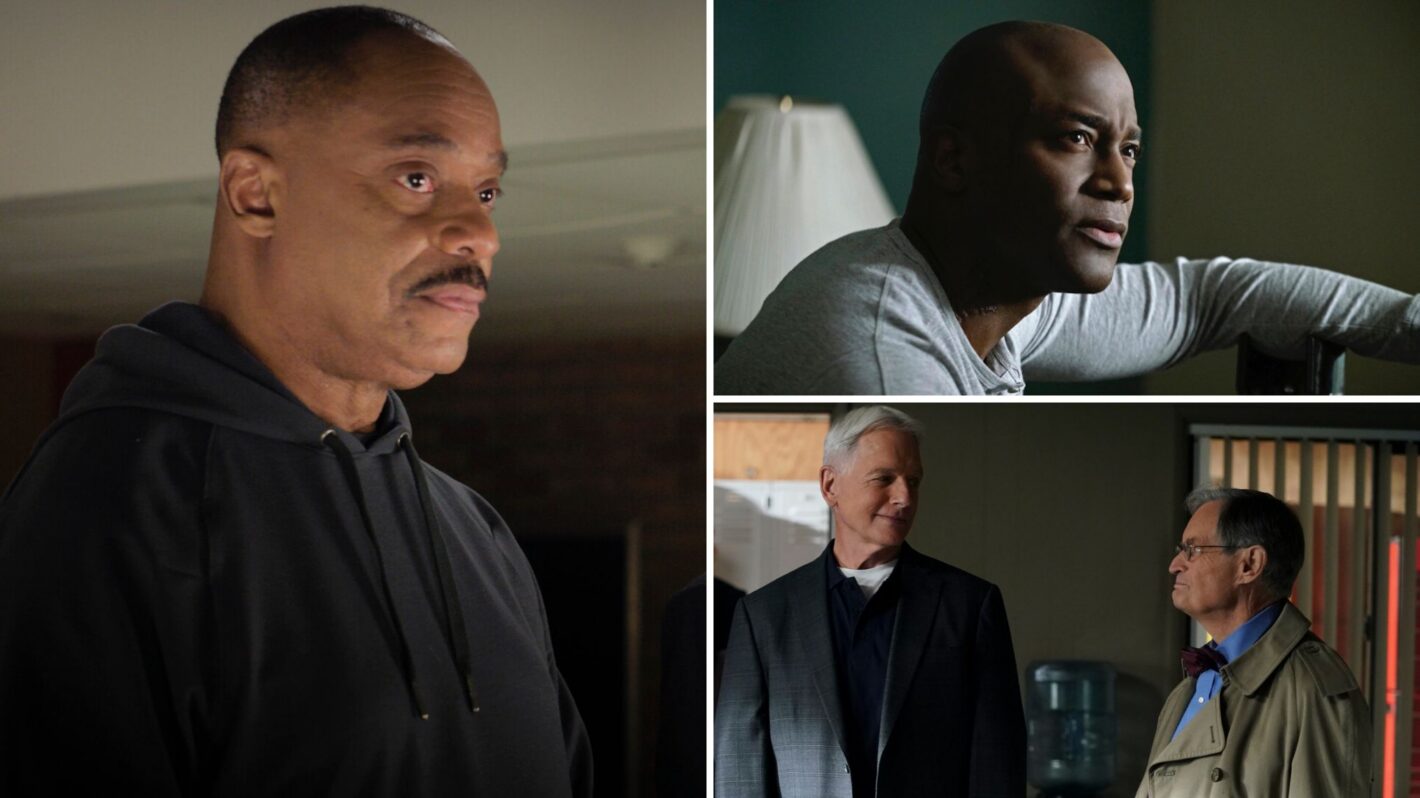
In the lead-up to the 500th episode, executive producer Steven D. Binder characterized the installment as a "love letter" to the character of Leon Vance. Carroll, who joined the cast in Season 5, has been the longest-serving director in the show’s history, providing a steady hand through numerous cast transitions, including the departures of lead actors Mark Harmon and Michael Weatherly. The plot of "All Good Things" functioned as a complex callback to the series’ origins, involving a case brought forward by Billy Fuentes, the son of a character Leroy Jethro Gibbs assisted in the second-ever episode of the series, "Hung Out to Dry."
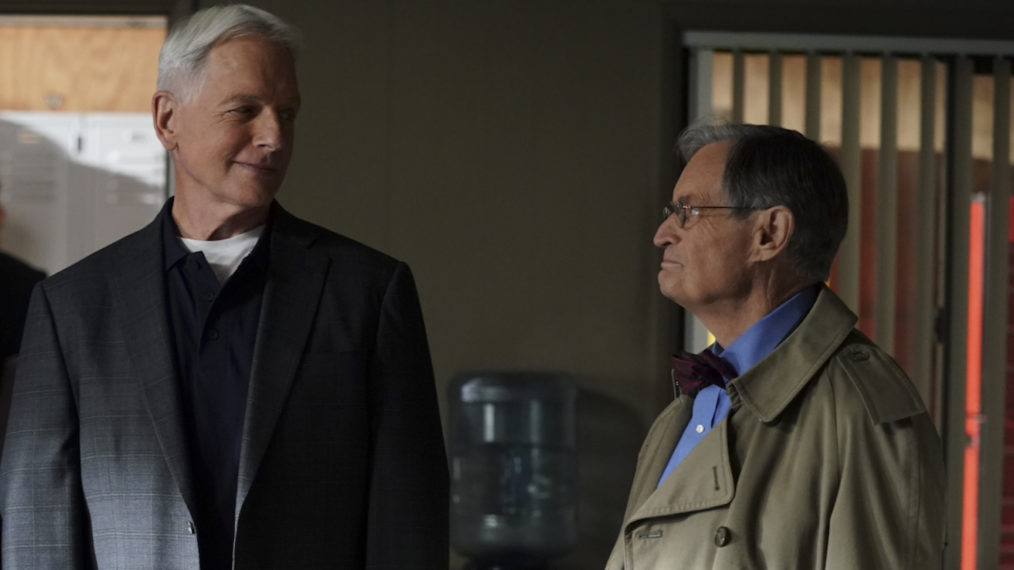
The episode’s climax, involving the shuttering of the agency and Vance’s ultimate sacrifice to uncover corruption within the Criminal Investigation Division (CID), marks a departure from the "status quo" ending typical of the procedural format. The inclusion of Adam Campbell, reprising his role as a young Dr. Donald "Ducky" Mallard to act as a spiritual guide for the dying Vance, provided a bridge between the show’s past and its uncertain future. This narrative choice not only honored the late David McCallum but also signaled that the 500th episode was intended to be a transformative event rather than a mere celebration.

Ranking the Milestones: From Procedural Standard to Cultural Event
To understand the weight of the 500th episode, one must look at the progression of previous milestone hours, which range from standard investigations to experimental storytelling.
Episode 450: "Unusual Suspects" (Season 20)
At the bottom of the ranking is Episode 450, which aired during the show’s 20th season. Unlike other milestones, "Unusual Suspects" functioned largely as a "business as usual" installment. The primary subplot involved Alden Parker (Gary Cole) managing his father’s living arrangements after the elder Parker was removed from a retirement home. While the episode reinforced the show’s commitment to character-driven B-plots, it lacked the commemorative weight typically associated with such a high number. It served as a testament to the show’s longevity—proving that even at 450 episodes, the series could produce a reliable, standalone hour of television.
Episode 50: "Silver War" (Season 3)
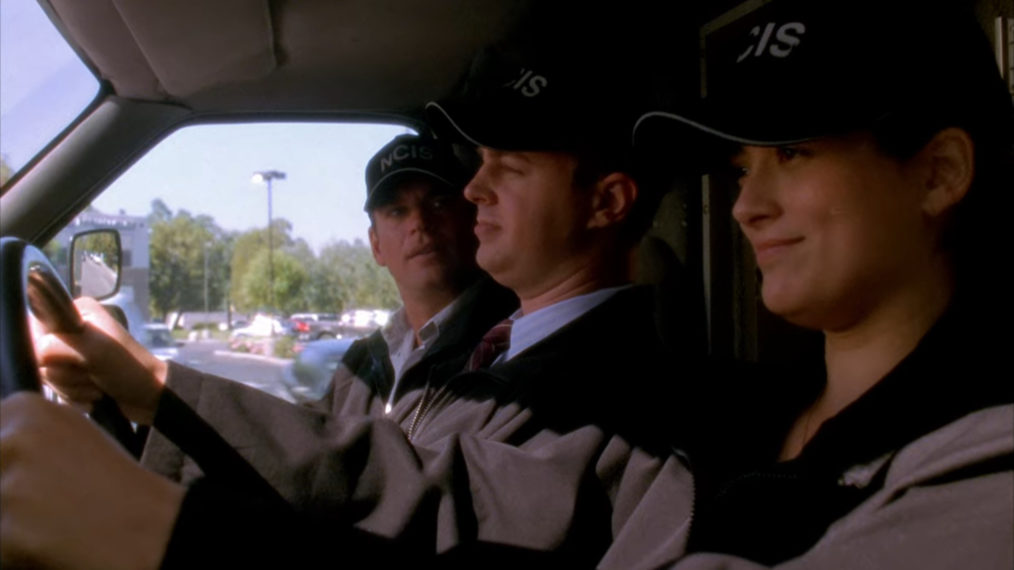
Airing early in the show’s life, Episode 50 was notable primarily for the formal induction of Ziva David (Cote de Pablo) as a permanent member of the team. Following the shocking death of Caitlin Todd in the Season 2 finale, the show needed to stabilize its core dynamic. While the case itself—involving a Civil War-era coffin—was not particularly revolutionary, the episode solidified the "classic" lineup that would propel NCIS to the top of the ratings for the next decade.
Episode 250: "Dressed to Kill" (Season 11)
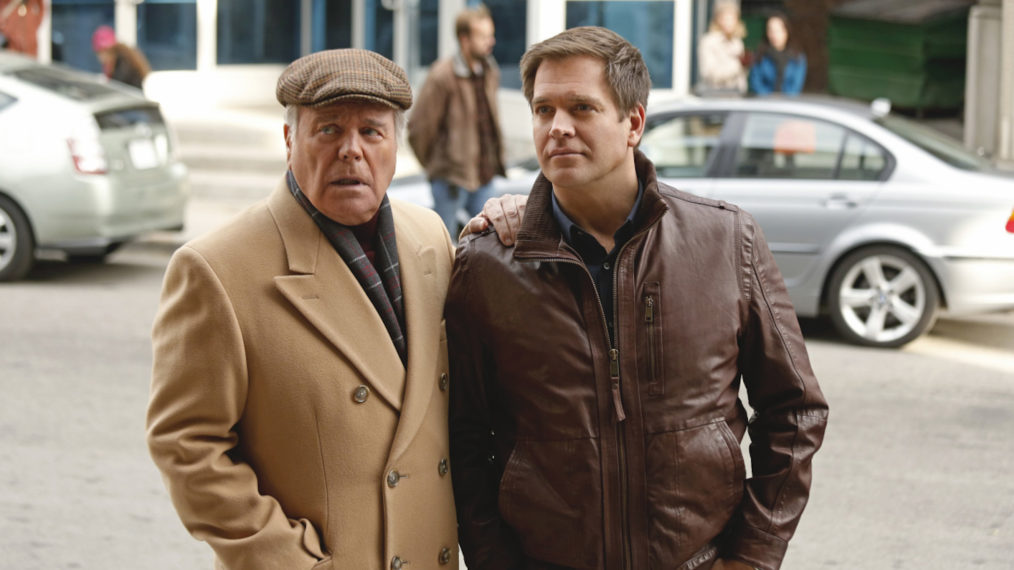
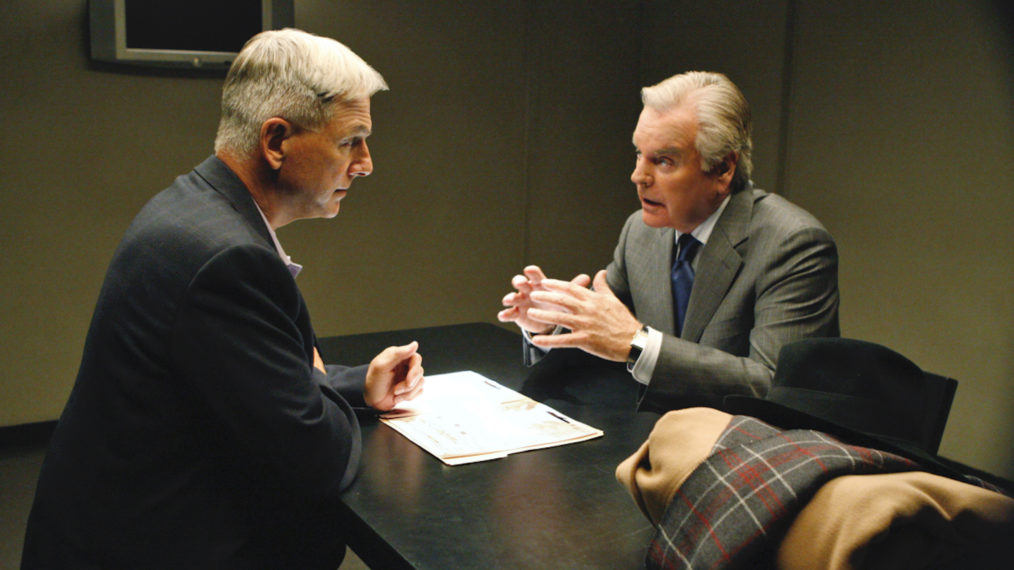
By the 250th episode, NCIS had mastered the art of the recurring guest star. Robert Wagner returned as Anthony DiNozzo Sr., a character who had become a fan favorite for his complicated relationship with his son. While the episode provided the usual blend of humor and familial tension, it followed a familiar formula. It is remembered more for Wagner’s charismatic performance than for any significant shift in the series’ overarching mythology.
Episode 350: "Sight Unseen" (Season 15)
Episode 350 highlighted the show’s ability to integrate social themes into its investigative format. The episode focused on Nick Torres (Wilmer Valderrama) working with a blind witness to solve an assault case. The chemistry between the characters and the sensitive handling of the witness’s perspective made it a standout "case-of-the-week," though it lacked the retrospective elements found in the more major milestones like 200 or 400.
The "Golden Era" Milestones: High-Concept Storytelling
As the show aged, the writers began using milestones to experiment with the show’s format and pay homage to its deep history.

Episode 100: "Chimera" (Season 5)
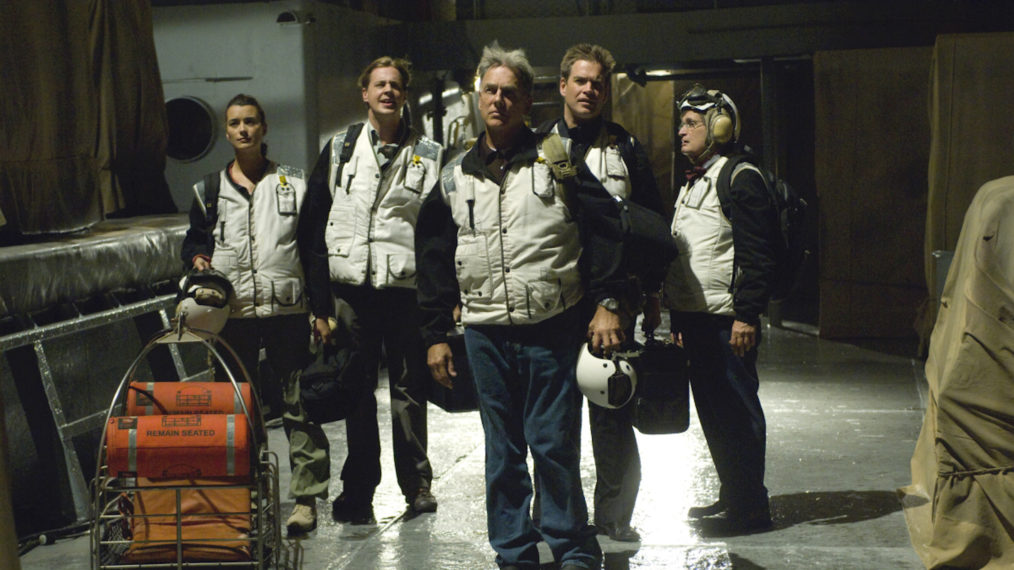
Episode 100 remains a favorite among long-term fans for its atmospheric, almost supernatural tone. Set aboard a deserted naval research ship, the episode utilized horror tropes and a sense of isolation to challenge the team. It was an early indication that NCIS was willing to step outside the confines of the Navy Yard to keep the storytelling fresh.
Episode 150: "Flesh and Blood" (Season 7)
This episode is historically significant for introducing Robert Wagner as DiNozzo Senior. It began a decade-long exploration of the DiNozzo lineage, adding layers of vulnerability to Michael Weatherly’s character. The introduction of "Senior" changed the DNA of the show, allowing for more serialized personal arcs that complemented the procedural elements.
Episode 400: "Everything Starts Somewhere" (Season 18)
Marking 400 episodes is a feat achieved by very few dramas. This installment served as a prequel, detailing the first meeting between a young Gibbs and a young Ducky. By utilizing Sean Harmon (Mark Harmon’s son) and Adam Campbell, the show leaned into its own legacy. The episode was a gift to the "lore" of the series, explaining the origins of the most important friendship in the NCIS universe and providing context for the rules Gibbs lived by for decades.
Episode 200: "Life Before His Eyes" (Season 9)
The 200th episode remains one of the most creatively ambitious hours in the franchise. Following a shooting at a diner, Gibbs experiences a series of "what if" scenarios, imagining how the lives of his team members would have changed if key events—such as the death of his wife and daughter or the murder of Kate Todd—had never happened. This episode allowed for the brief return of several departed cast members and served as a psychological deep dive into the show’s protagonist.
Episode 300: "Scope" (Season 13)
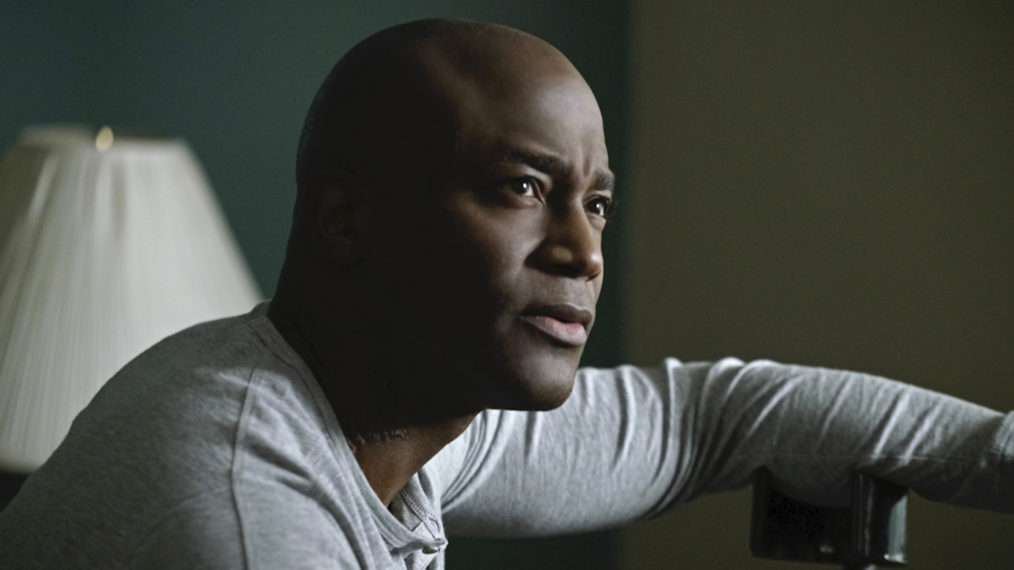
Many critics and fans consider the 300th episode to be the pinnacle of the series’ emotional resonance. Featuring Taye Diggs as a sniper suffering from post-traumatic stress disorder (PTSD), the episode focused on the psychological toll of military service. The closing sequence, featuring the MusiCorps Wounded Warrior Band performing "Hallelujah," remains one of the most poignant moments in the history of the CBS network. It balanced the procedural needs of the show with a genuine tribute to real-life veterans.
Data and Longevity: NCIS by the Numbers
The journey to 500 episodes is supported by staggering viewership data. At its peak, NCIS averaged over 20 million viewers per episode in the United States. Even in its 23rd season, it consistently remains the most-watched drama on broadcast television. The franchise has expanded globally, with successful spin-offs in Los Angeles, New Orleans, Hawai’i, and Sydney, as well as an upcoming European-based series featuring Tony DiNozzo and Ziva David.
According to Nielsen data, NCIS is a "unicorn" in the streaming era, frequently topping the charts on platforms like Netflix and Paramount+ as viewers revisit the vast library of episodes. This "comfort TV" status is what allowed the show to survive the departure of its central star, Mark Harmon, in Season 19. The transition to Gary Cole as Alden Parker was a risky maneuver that ultimately succeeded because the "milestone" structure of the show had already established the agency itself as the primary character.
The Broader Impact of the 500th Episode
The death of Leon Vance in the 500th episode serves as a clear indicator that the producers are not content to let the show drift into a repetitive twilight. By killing off a character of Vance’s stature, the series has forced a fundamental restructuring of the fictional agency. The fallout of the corruption within the CID and the temporary shutdown of the NCIS team provides a narrative runway for the remainder of Season 23 and beyond.

From a production standpoint, the 500th episode was a logistical triumph. Binder noted that coordinating the return of past actors and ensuring the tone remained respectful to the show’s 20-year history was a year-long process. The reaction from the fanbase has been one of shock and mourning, a testament to Rocky Carroll’s long-standing presence on the screen.
Conclusion: A Legacy Defined by Consistency and Evolution
Ranking the milestones of NCIS reveals a show that has mastered the balance between the "case-of-the-week" and a deeply felt internal mythology. While Episode 450 showed that the series could still function as a standard procedural, Episode 500 proved that it still has the power to subvert expectations and deliver high-stakes drama.
As the series moves toward the 600-episode mark, the 500th milestone will likely be remembered as the moment the "modern" era of NCIS truly began. It was an episode that honored the past—specifically the legacy of Gibbs and Ducky—while ruthlessly clearing the path for a new chapter. For a series that began as a spin-off of JAG in 2003, reaching 500 episodes is not just a celebration of survival; it is a demonstration of the enduring power of the American television procedural.